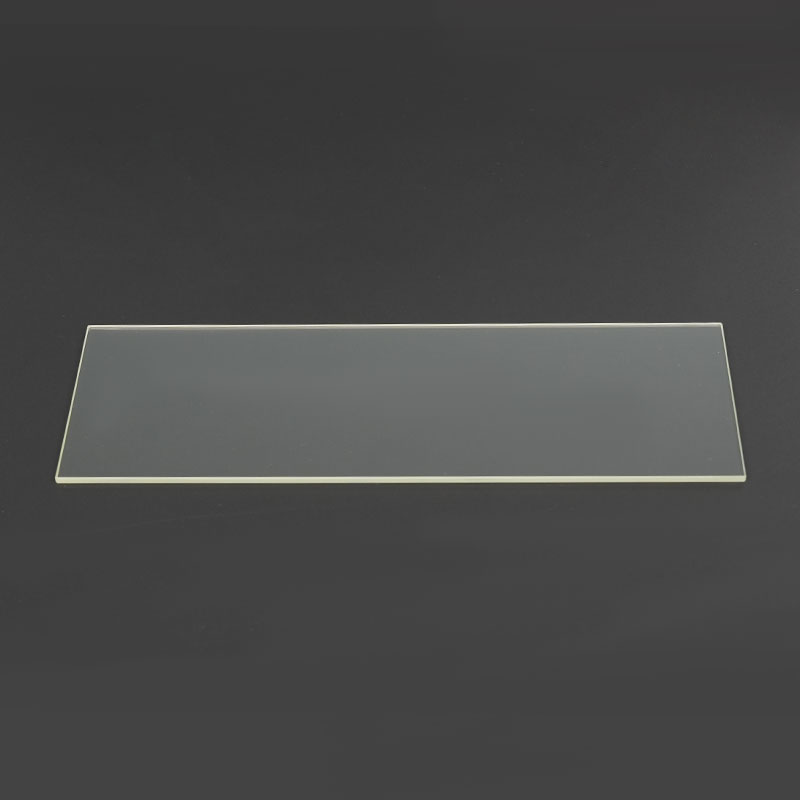
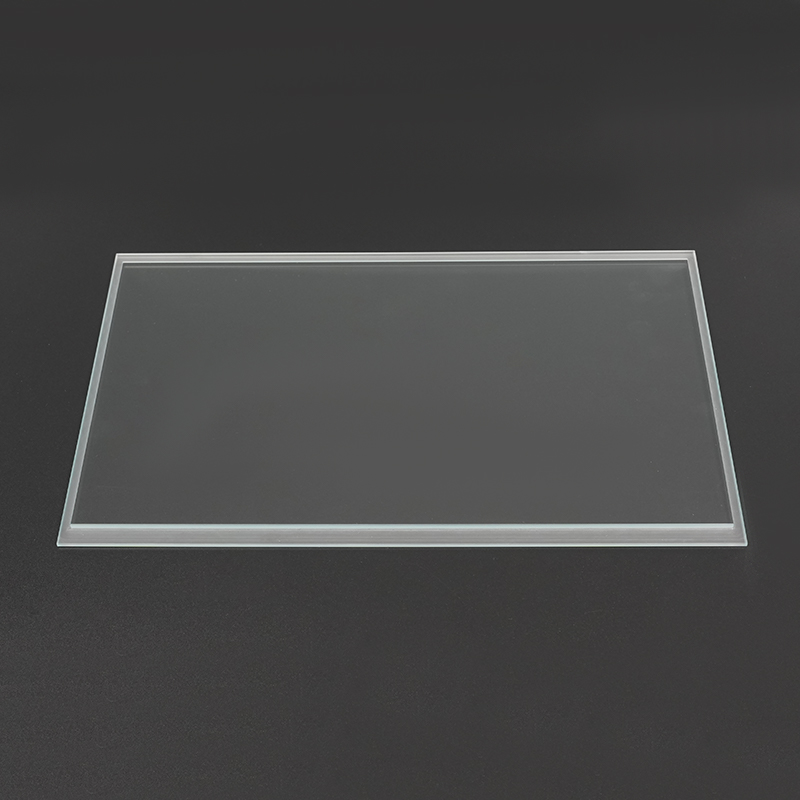
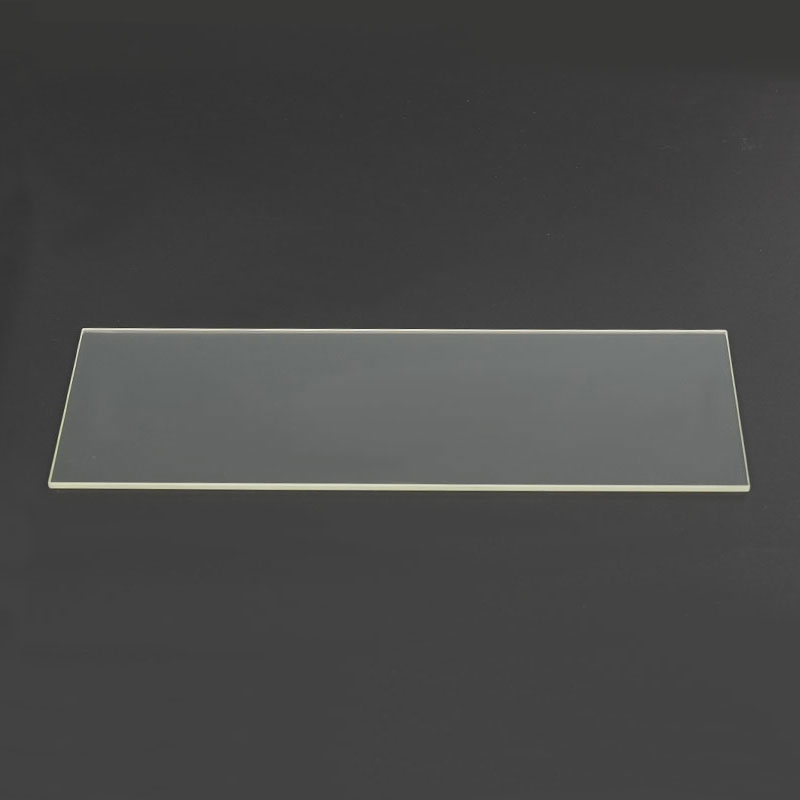
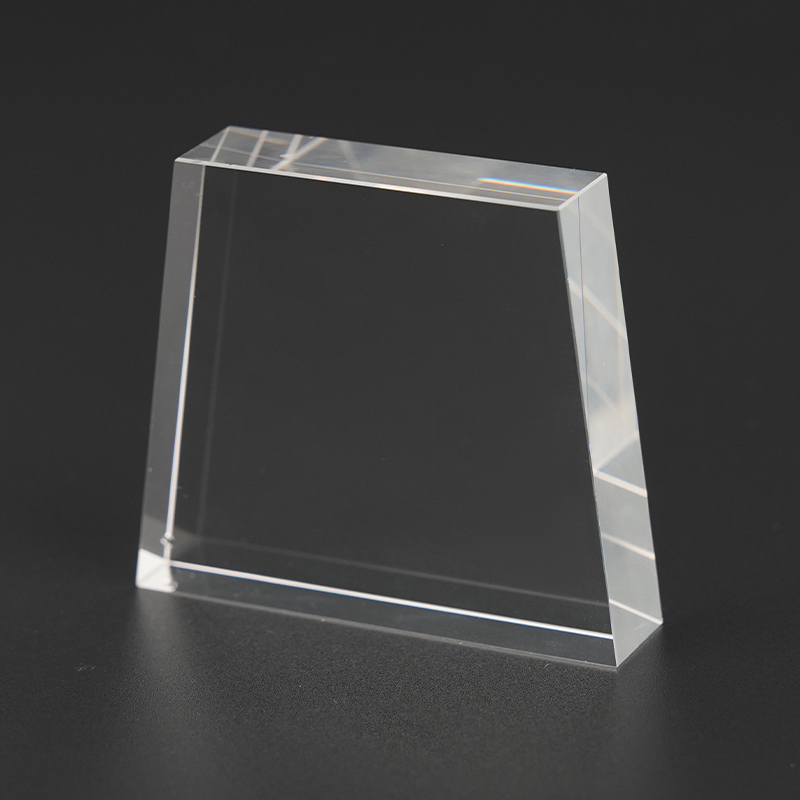
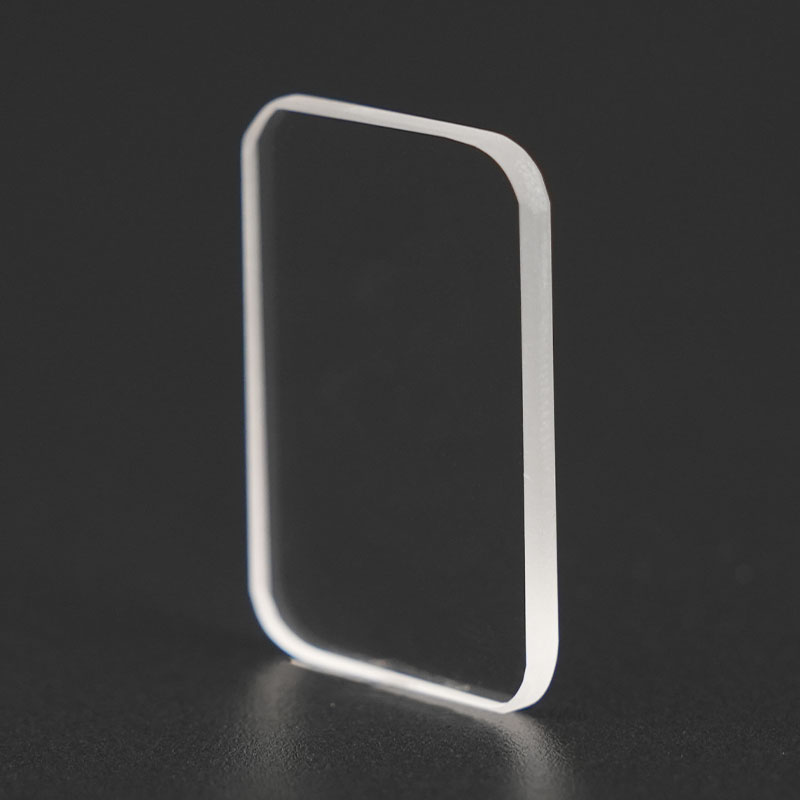
The difference between optical glass and other types of glass lies in that as a component of the optical system, it must meet the requirements of optical imaging. Therefore, the determination of optical glass quality also includes certain special and more strict indicators. The following requirements are imposed on optical glass:
1. Specific optical constants and the consistency of optical constants of the same batch of glass
Each type of optical glass has a specified standard refractive index value for light of different wavelengths, which serves as the basis for optical designers to design optical systems. Therefore, the optical constants of the optical glass produced by the factory must be within a certain allowable deviation range of these values; otherwise, the actual imaging quality will not match the expected results during the design process, thereby affecting the quality of the optical instrument. At the same time, since the same batch of instruments are often made of the same batch of optical glass, in order to facilitate the unified calibration of the instruments, the allowable deviation of the refractive index of the same batch of glass should be stricter than their deviation from the standard value.
Second, high transparency
The brightness of the image formed by an optical system is proportional to the transparency of the glass. The transparency of optical glass to light of a certain wavelength is expressed by the light absorption coefficient Kλ. After light passes through a series of prisms and lenses, part of its energy is lost in the reflection at the interfaces of optical components, while the other part is absorbed by the medium (glass) itself. The former increases with the increase of the refractive index of the glass. For high refractive index glass, this value is very large. For example, for heavy crystal glass, the surface light reflection loss is about 6%. Therefore, for optical systems containing multiple thin lenses, the main way to increase transmittance lies in reducing the reflection loss on the lens surface, such as applying an anti-reflection coating on the surface. For large-sized optical components such as the objective lenses of astronomical telescopes, due to their greater thickness, the transmittance of the optical system is mainly determined by the light absorption coefficient of the glass itself. By enhancing the purity of glass raw materials and preventing any coloring impurities from being mixed in throughout the entire process from batching to smelting, the light absorption coefficient of glass can generally be made less than 0.01(that is, the light transmittance of glass with a thickness of 1 centimeter is greater than 99%).




 English
 Español