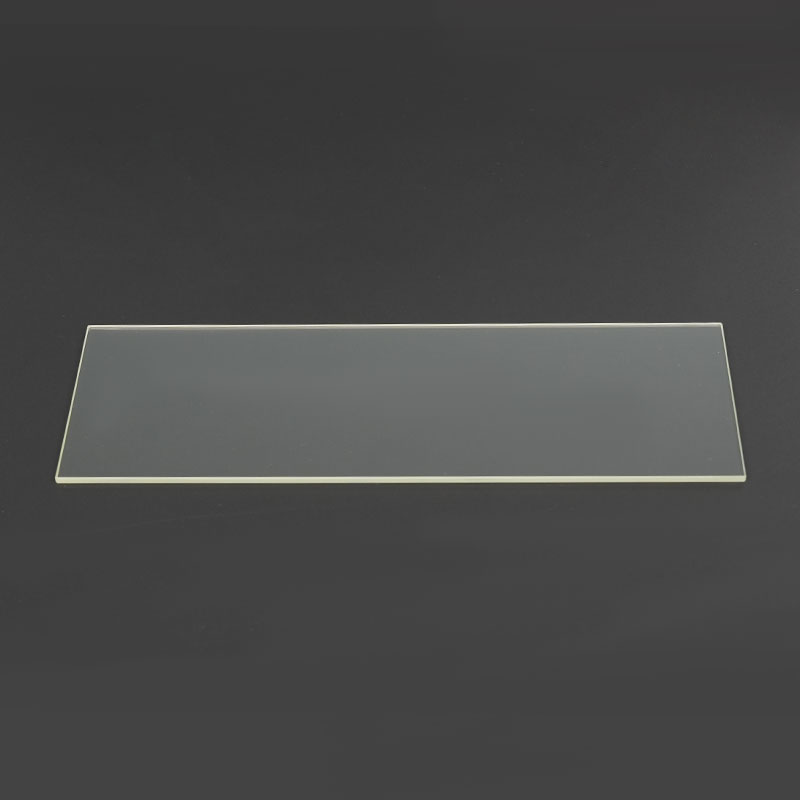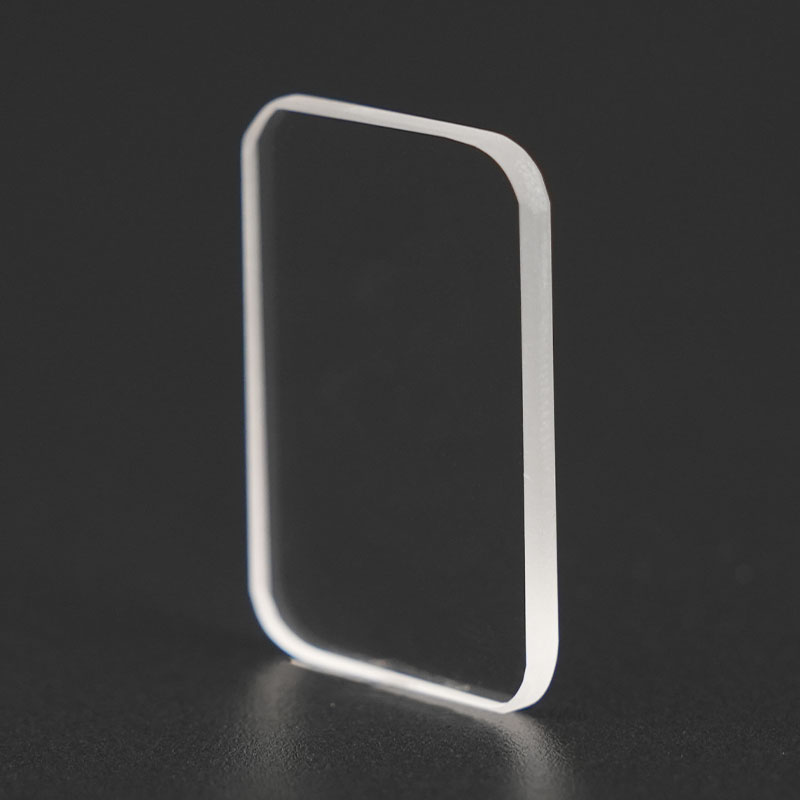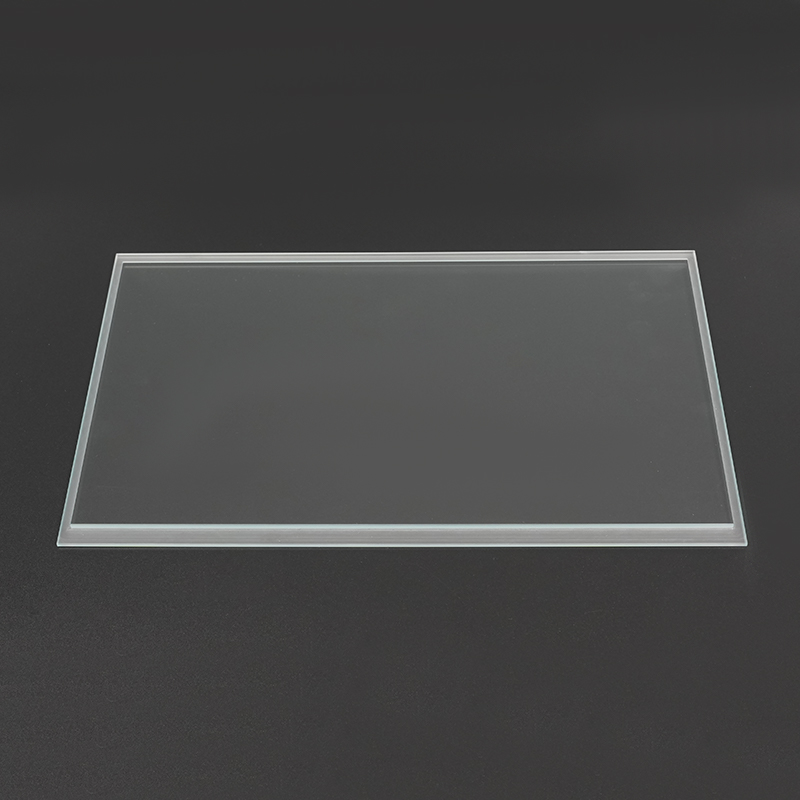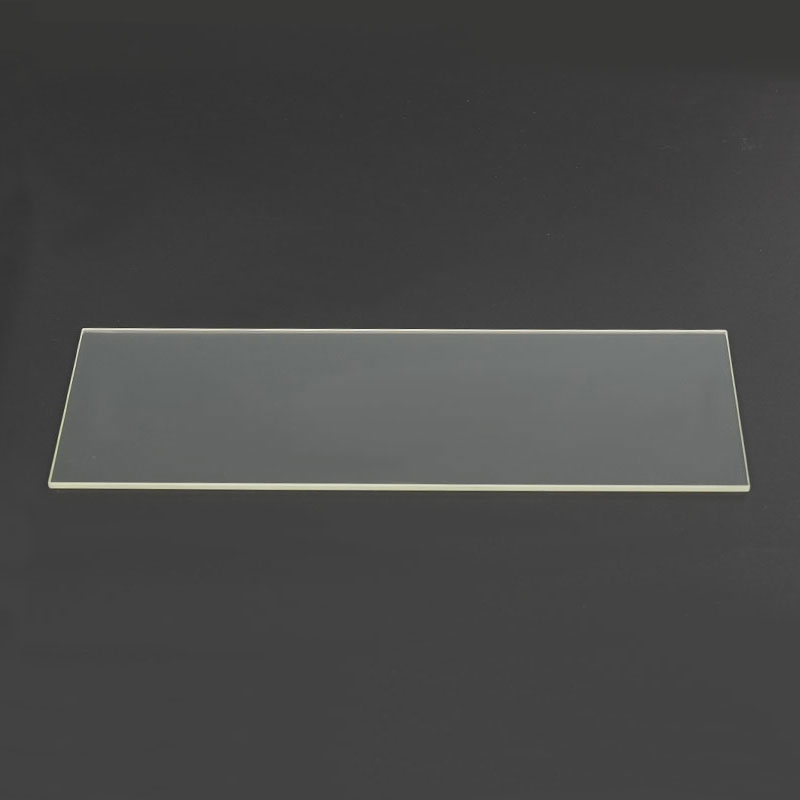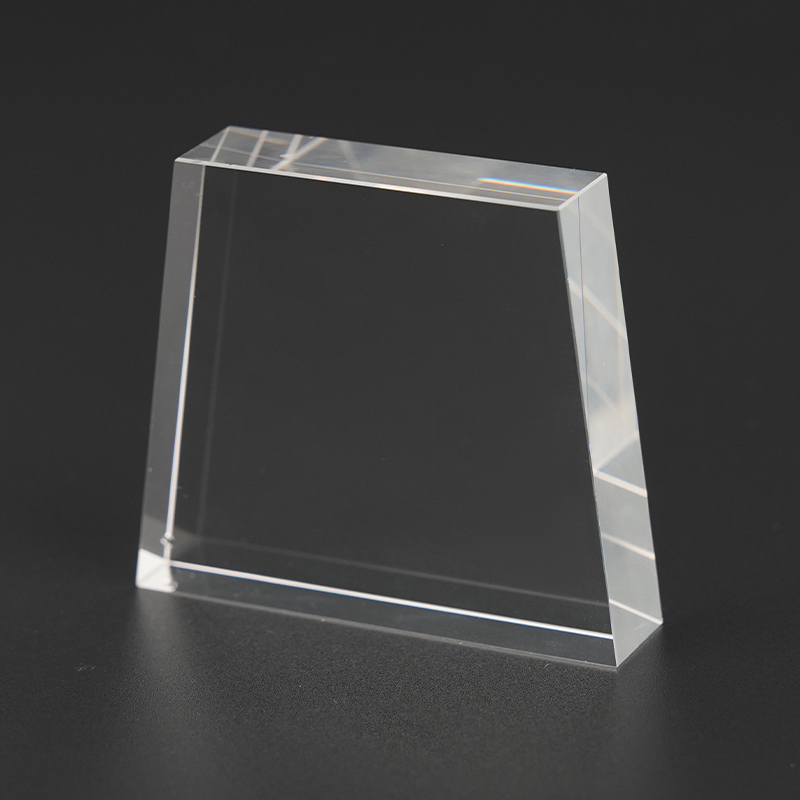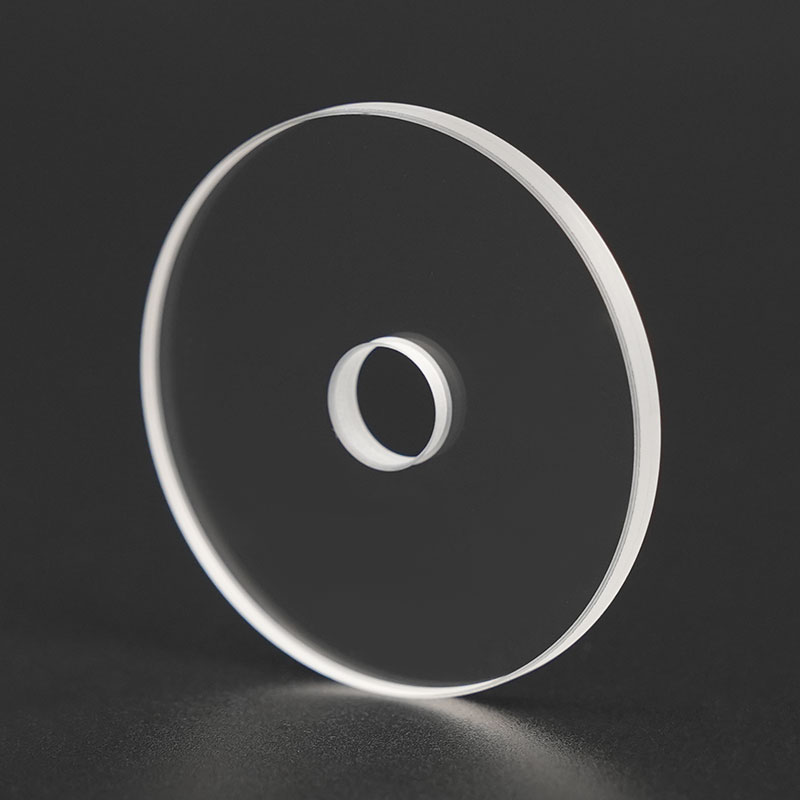

Colorless Quartz Optical Glass is an optical material with excellent transparency, high temperature ...
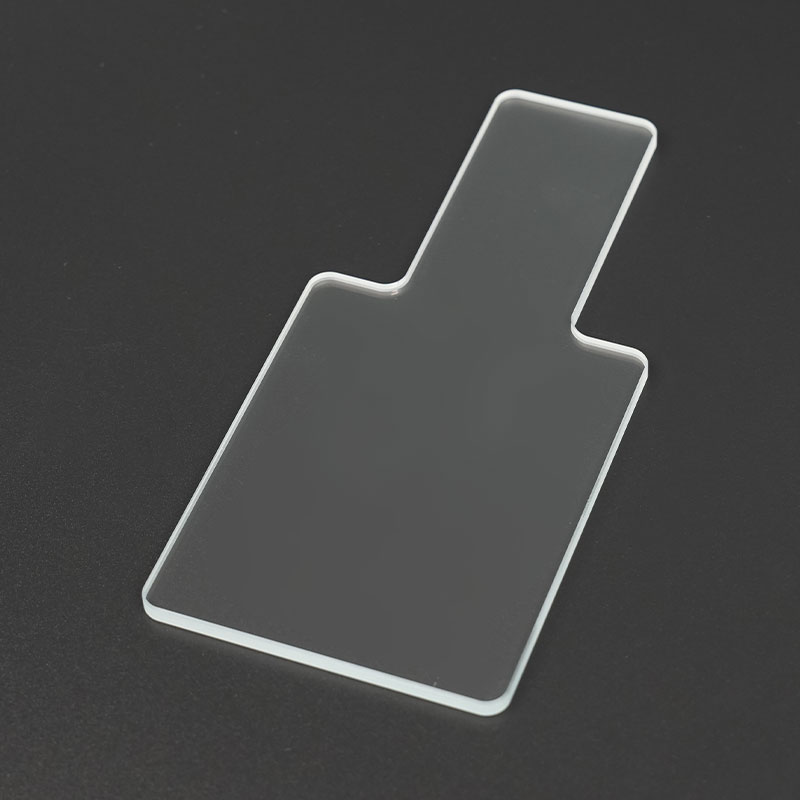
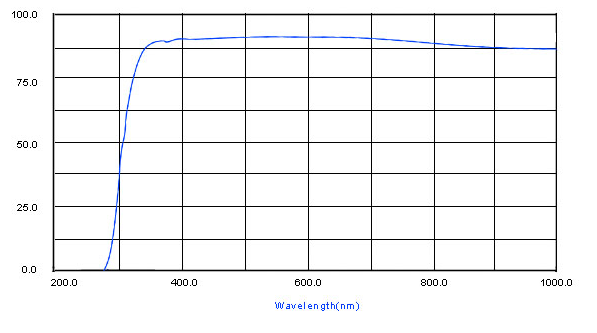
Borosilicate glass is made by using the characteristics of conducting electricity of glass under high temperature and by heating the glass inside to realize the melting of glass. Borosilicate glass a colorless transparent glass with a very low coefficient of thermal expansion and resistance to high temperature and 200 degree temperature fluctuations. The transmittance ≥ 90% and the coefficient of thermal expansion 3.3 were obtained with the transmission wavelength between 300nm and 2500nm. Acid and alkali resistance, high temperature resistance of about 400℃, such as through special treatment can reach about 550℃. Borosilicate glass is one of the best heat-resistant instrument glass, widely used in all kinds of heat-resistant glass instruments, such as chemical anti-corrosion equipment and pipe fittings, laboratory glass instruments, is also a good lamp workers instrument glass.

As a leading manufacturer in the Yangtze River Delta Integrated Demonstration Zone (Jiashan, Zhejiang), Jiangnan Outdoor has been awarded "National High-Tech Enterprise" and "Jiaxing Green Factory" titles, with full certifications in ISO 9001:2015, ISO 14001:2015, and ISO 45001:2018 international standards.
Choosing the right cut-off glass filter comes down to three factors: your target wavelength range, the optical precision your application demands, and the environmental conditions the filter must wit...
READ MOREScreen-printed glass panels can be installed in most elevators, but not unconditionally — compatibility depends on the elevator's structural framing system, cab wall configuration, available panel di...
READ MOREYes — selective absorption glass filters can block UV light, and many are specifically engineered to do so with high efficiency. The UV-blocking capability of a selective absorption filter depends on...
READ MORESelective absorption glass filters are critical for UV protection because they block specific wavelength bands — particularly the 200–400 nm ultraviolet range — while transmitting the visible or infr...
READ MORE