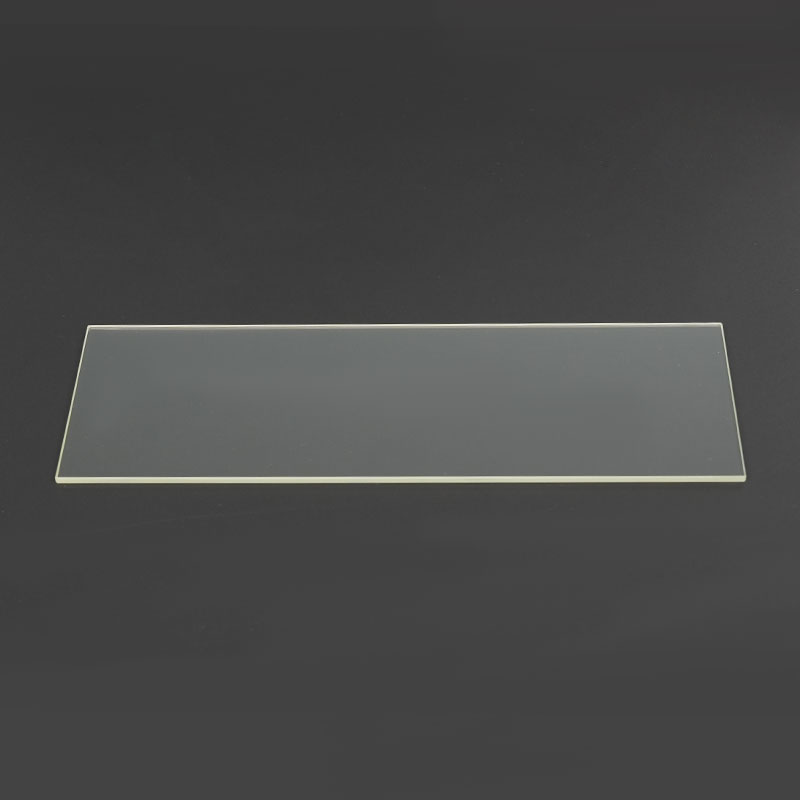
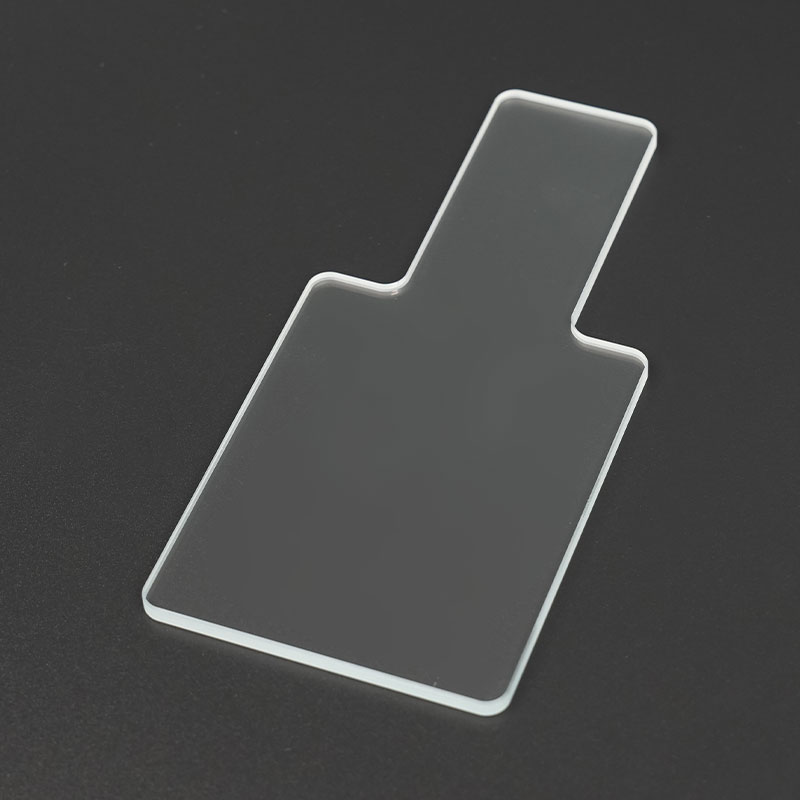
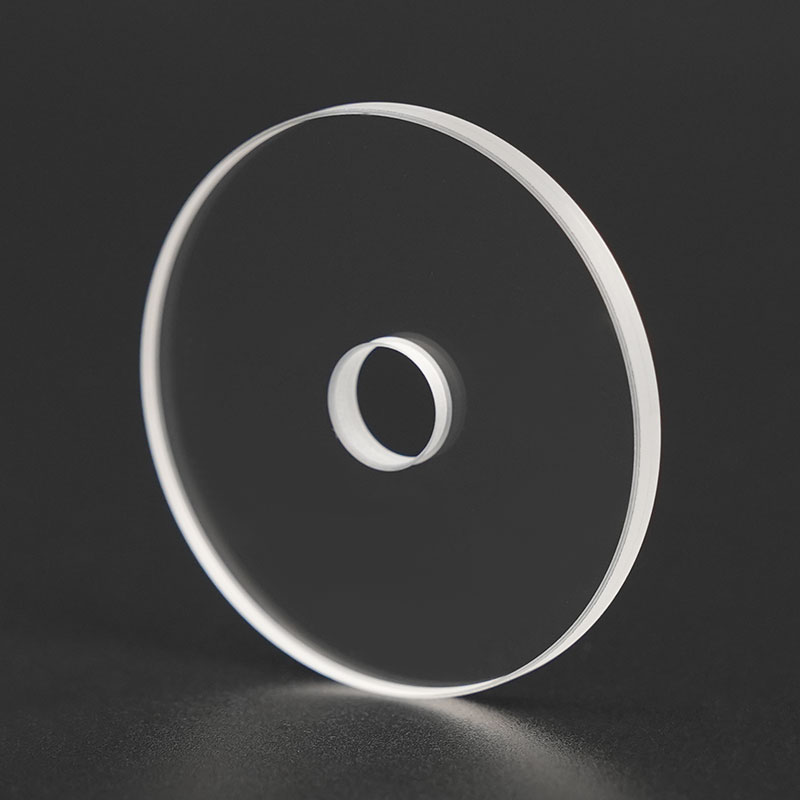
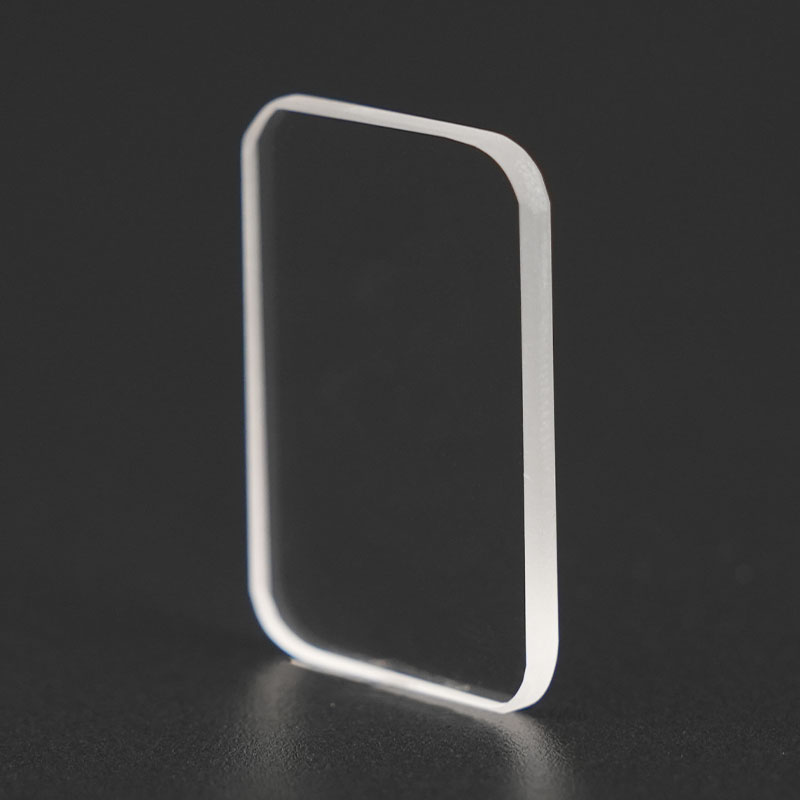
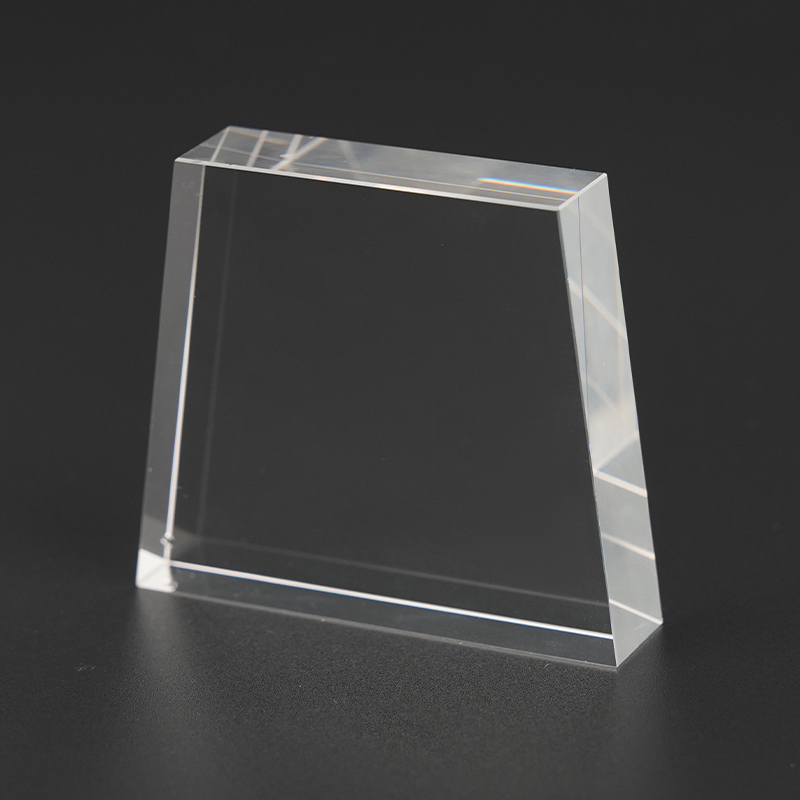
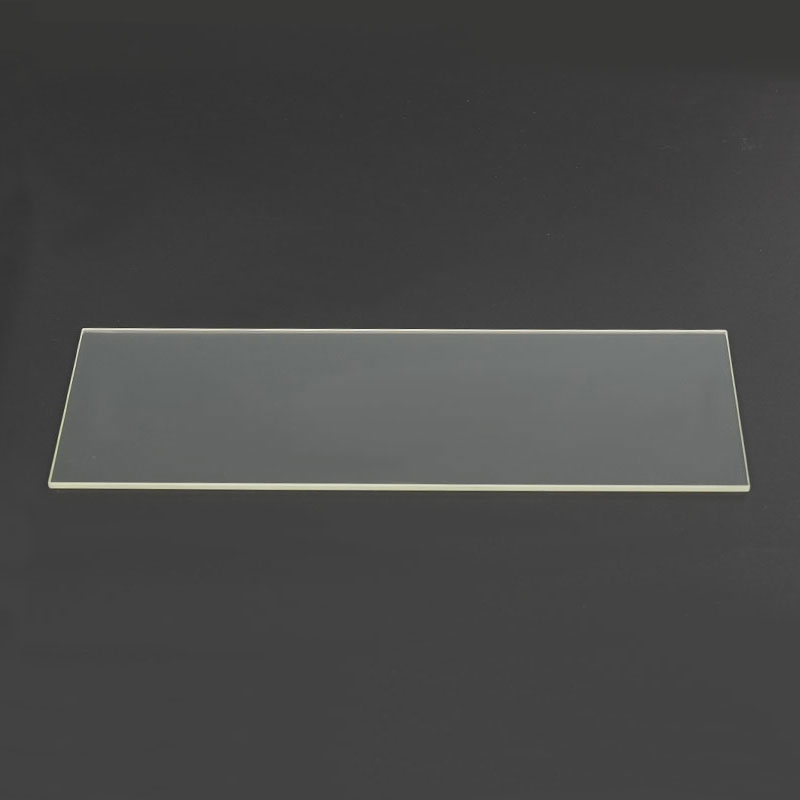
Colorless optical glass is a high-precision optical material widely used in the field of optics. It possesses high light transmittance and excellent optical performance, enabling effective light control without interfering with the color of light.
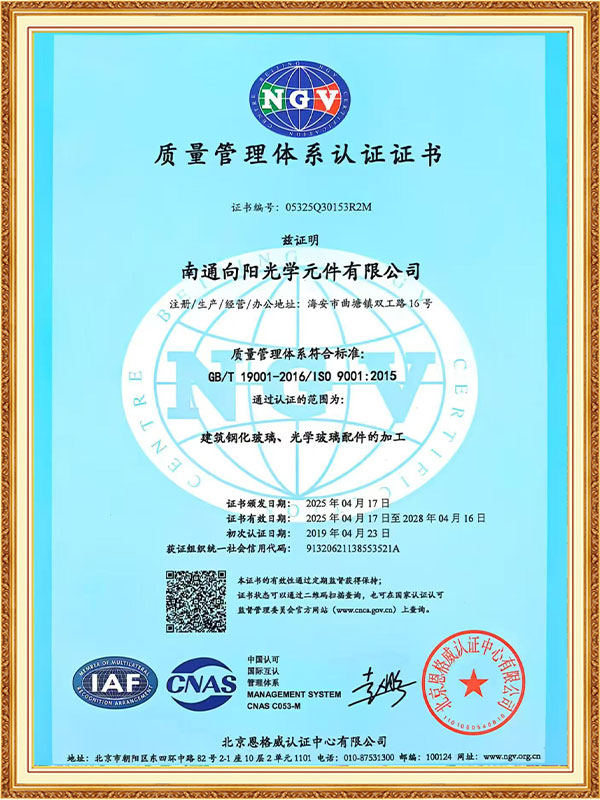
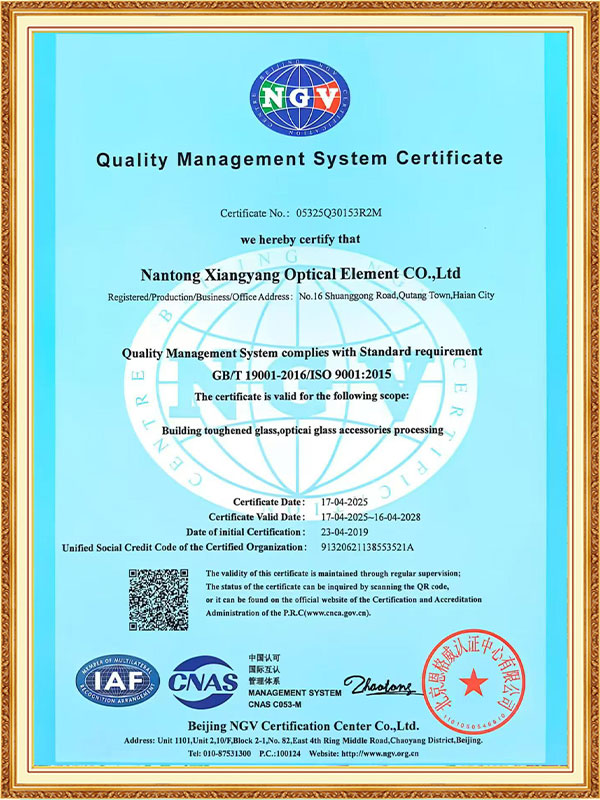
Nantong Xiangyang Optical Components Co., Ltd. is a medium-sized enterprise specializing in the production and processing of colored optical glass, colorless optical glass, and flat glass screen printing and tempering. We focus on the production and processing of colored and colorless optical glass filters and related products. We can undertake processing orders for various brands and specifications of colored filters and related products according to customer needs, and guarantee product quality.
1. What is Colorless Optical Glass?
Colorless optical glass, as the name suggests, is a transparent optical glass, mainly used in the manufacture of optical components. Its most prominent feature is its high transparency and minimal color difference, almost completely unaffecting the color of light passing through the glass. Unlike ordinary glass, the optical performance of colorless optical glass is precisely optimized to meet the needs of high-precision optical equipment. It is typically made from special materials and formulations, undergoing complex manufacturing processes to ensure stable light transmittance, low color difference, and high uniformity.
The optical properties of colorless optical glass include:
High light transmittance: Colorless optical glass typically has a higher light transmittance than ordinary glass, reaching over 90%, ensuring maximum light passage.
Low color difference: Due to its specially designed composition, it effectively reduces the refraction differences between different colors of light, ensuring that the light passing through the glass is pure and without color shift.
High refractive index and uniformity: It effectively controls the refraction and reflection of light, ensuring the efficient operation of the optical system.
2. Can colorless optical glass solve the color difference problem?
Color difference is a common problem in optical equipment, especially in fields such as photography and microscopy. When light of different wavelengths (e.g., red, green, and blue light) passes through a lens or other optical elements, color difference may occur due to differences in refractive index, leading to image blurring or color shift.
Colorless optical glass is designed with a focus on reducing color difference. Colorless optical glass controls the refraction of light at different wavelengths, ensuring that the light passing through it remains as consistent as possible. Therefore, it effectively solves chromatic aberration problems and improves the imaging accuracy of optical systems. In high-end camera lenses and microscopes, colorless optical glass is commonly used to guarantee clear image quality, especially under high magnification and low-light conditions.
By optimizing the light transmission path, colorless optical glass achieves precise control over different colors of light, avoiding color shifts that may occur with traditional glass, resulting in more accurate and natural imaging.
3. What are the application areas of colorless optical glass?
The superior performance of colorless optical glass makes it widely used in many fields, especially in precision optical equipment and high-performance electronic products. The following are some of the main application areas of colorless optical glass:
| Application Field |
Specific Application |
| Photography and Videography |
Used in camera lenses and video camera lenses to ensure high-precision imaging, reduce chromatic aberration, and improve image quality. |
| Microscopes and Telescopes |
Used in high-end microscopes and telescopes to optimize light transmission, enhance imaging clarity, and reduce chromatic aberration. |
| Optical Instruments |
Used in instruments such as spectrometers and laser devices to ensure transparency and low chromatic aberration, enabling precise spectral measurement. |
| Glasses and Ophthalmic Devices |
The high light transmission and low chromatic aberration make it ideal for high-quality glasses and ophthalmic devices, providing clear vision. |
| Laser Systems |
Used in laser beam conduction and optical adjustments to ensure efficient light transmission and precise focusing. |
4. Frequently Asked Questions
Q1: What is the difference between colorless optical glass and ordinary glass?
A1: Colorless optical glass has higher light transmittance and lower chromatic aberration, allowing for more precise control over the refraction and reflection of light, while ordinary glass lacks these special optical properties. Colorless optical glass is typically used in applications requiring high-precision imaging and optical adjustment, while ordinary glass is mainly used in construction and general applications.
Q2: How does colorless optical glass reduce chromatic aberration?
A2: Colorless optical glass reduces the refraction differences of different wavelengths of light through precise ingredient ratios and process control. This ensures that different colors of light refract to similar degrees when passing through, thus avoiding chromatic aberration and ensuring the purity and accuracy of image colors.
Q3: What are the main advantages of colorless optical glass?
A3: The main advantages of colorless optical glass include high light transmittance, low chromatic aberration, and excellent optical performance. It effectively improves image clarity, reduces reflected and stray light, and provides better image quality, especially in high-precision optical equipment. Q4: What optical equipment is colorless optical glass suitable for?
A4: Colorless optical glass is widely used in high-precision optical instruments such as camera lenses, microscopes, telescopes, spectrometers, and laser equipment, ensuring the performance and imaging effects of the optical system.
Q5: Is colorless optical glass expensive?
A5: Due to the complex manufacturing process of colorless optical glass, it is generally more expensive than ordinary glass. However, its application value and performance advantages in high-precision optical equipment make its use in related fields very common.



 English
 Español