Home · News · Industry News · What Are Elevator Screen-Printed Glass Panels? 7 Benefits You Should Know
What Are Elevator Screen-Printed Glass Panels? 7 Benefits You Should Know
Author: AdminDate: May 14,2026
Quick Answer
Elevator screen-printed glass panels are tempered glass components with precision silk-screen printed graphics — including floor numbers, button symbols, and brand markings — fused directly onto the glass surface. They serve as the primary interactive and visual interface inside elevator cabs, combining safety, durability, and high-end aesthetics. Key benefits include 3–5× the impact resistance of standard glass, scratch-resistant ink layers, seamless touch integration, and full customization for any architectural interior style.
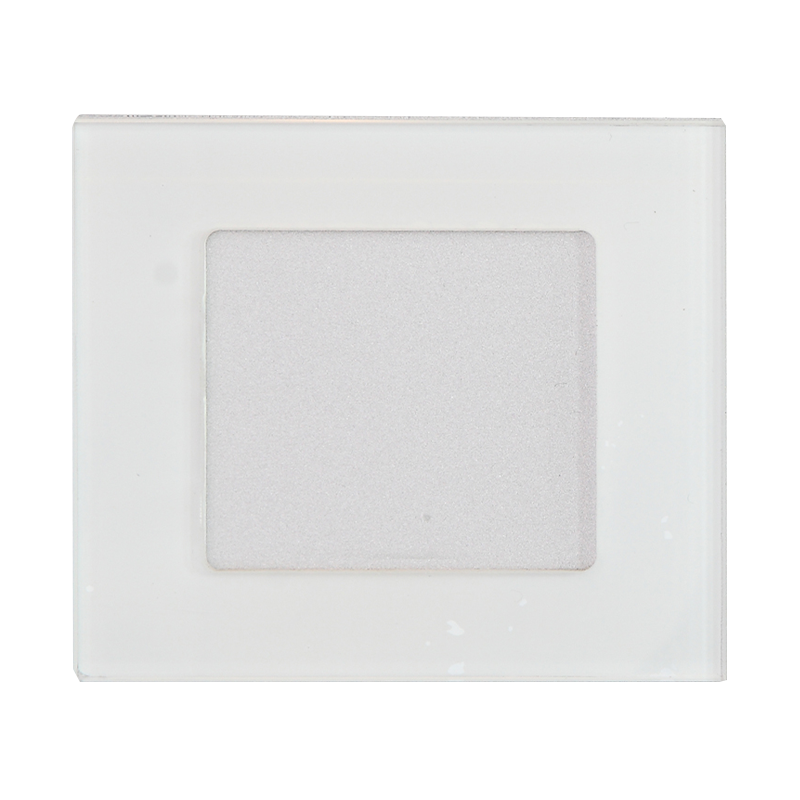
Elevator screen-printed glass panels are interior components that combine screen printing technology with tempered or laminated glass to create functional, visually refined surfaces inside elevator cabs. Unlike traditional metal or plastic panels, these glass panels integrate floor identification, button symbols, and decorative branding directly into the glass substrate — producing a seamless, durable, and architecturally coherent result.
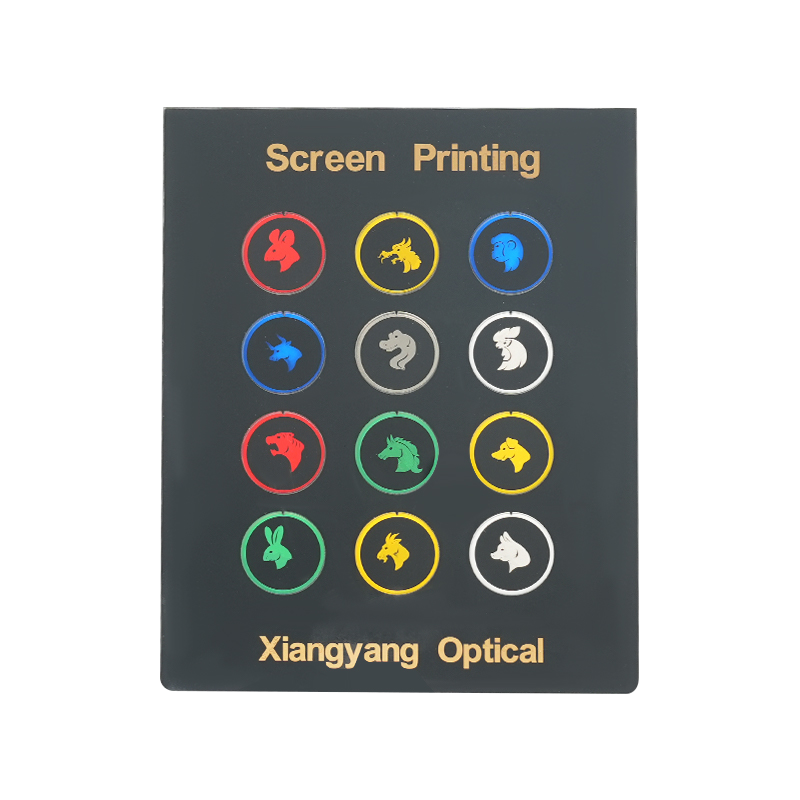
The screen printing process deposits ceramic or UV-cured inks through a fine mesh onto the glass surface at a precision of within 0.1mm. After printing, the panels are thermally tempered, permanently bonding the ink into the glass and making it highly resistant to abrasion, chemicals, and UV exposure. The result is an architectural elevator glass surface that performs as both a safety component and a design statement.
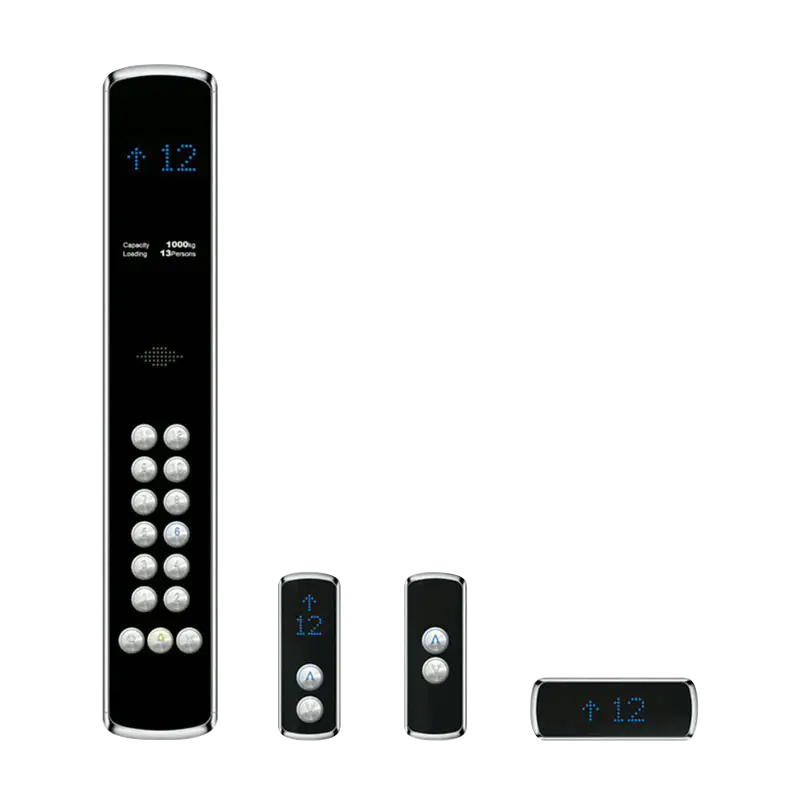
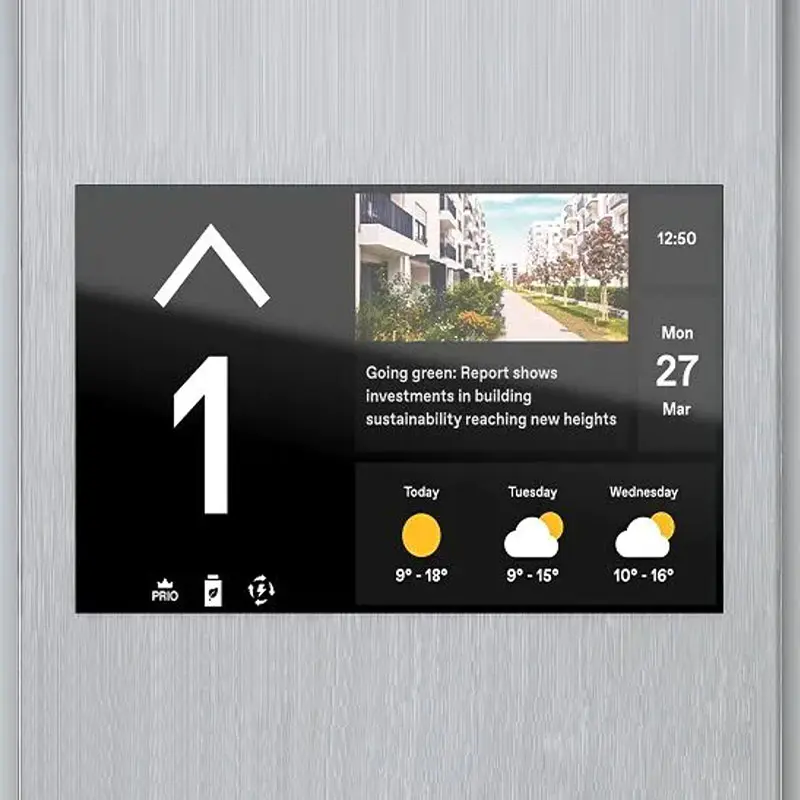
These panels are used in control boxes, outbound call stations, and button panels across commercial towers, luxury hotels, hospitals, residential buildings, and public infrastructure. They are available in configurations ranging from simple monochrome floor-number displays to fully customized multi-color decorative elevator glass with gradient effects and matte finishes.
Comparison of common elevator interior panel materials
Attribute
Screen-Printed Glass
Stainless Steel
Plastic / ABS
Durability
High (tempered)
High
Low–Medium
Print Precision
±0.1mm
Laser engraving
Screen / pad
Aesthetic Range
Very Wide
Limited
Medium
Touch Integration
Seamless
Possible
Difficult
Safety on Break
Non-sharp fragments
Sharp edges
Non-sharp
Fade Resistance
Excellent
N/A
Poor over time
7 Key Benefits of Elevator Screen-Printed Glass Panels
Whether you are specifying panels for a luxury hotel lift or a high-traffic commercial tower, here are the seven concrete advantages that make screen-printed glass the preferred choice for modern elevator interiors.
1. Superior Impact Resistance and Passenger Safety
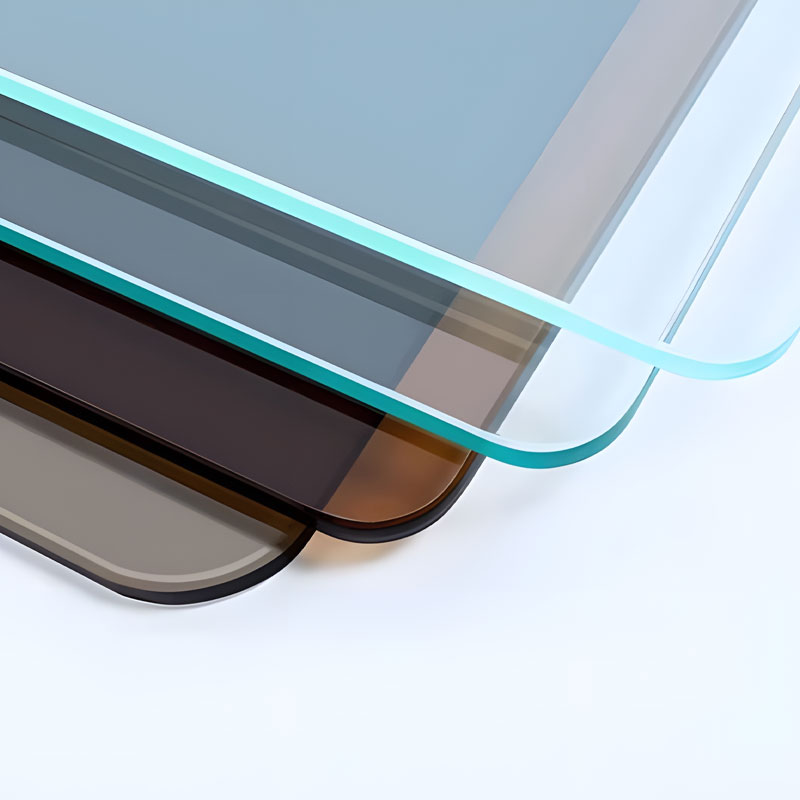
Tempered glass, the standard substrate for elevator interior glass panels, withstands 3 to 5 times the impact force of ordinary float glass. In the unlikely event of breakage, the glass disintegrates into small, blunt-edged pebbles rather than sharp shards, dramatically reducing injury risk to passengers. This safety characteristic is especially critical in high-traffic public environments such as airport terminals, shopping centers, and hospital lifts.
2. Long-Term Wear and Scratch Resistance
The ceramic or UV-cured inks used in custom silk screen glass production are thermally fused into the glass during tempering, making them an integral part of the substrate rather than a surface coating. This means the printed graphics resist scratches from keys, fingernails, cleaning agents, and everyday abrasion without fading or peeling — maintaining clarity and readability across millions of touch cycles over a service life that typically exceeds 10 years.
3. Precision Functional Integration
Printed laminated glass panels allow floor numbers, directional arrows, door open/close icons, emergency alarm symbols, and brand logos to be positioned with a tolerance of ±0.1mm. This level of accuracy ensures that printed button outlines align exactly with the underlying touch or mechanical modules, preventing accidental activations and maintaining the visual integrity of the control panel across all viewing angles and lighting conditions.
4. Seamless Touch Technology Compatibility
Modern architectural elevator glass panels are increasingly paired with capacitive touch modules that sit directly behind the glass. Because the glass surface is smooth and uniform, the integration is visually seamless — there are no visible seams, bezels, or mechanical buttons interrupting the design. This unified "identification + interaction" approach is now standard in premium elevator projects and aligns with broader trends in touchscreen interface design across commercial architecture.
5. Wide Aesthetic Customization Range
Decorative elevator glass supports a broad spectrum of visual treatments: monochrome, multi-color, gradient transitions, frosted effects, matte finishes, and backlit translucent zones. Architects and interior designers can specify panel graphics that match the building's brand palette, material language, or interior style — from contemporary minimalist to business luxury. Custom silk screen glass can also incorporate light-blocking layers or fingerprint-resistant coatings depending on the application requirement.
6. Easy Cleaning and Hygiene Maintenance
Glass surfaces are inherently non-porous, making elevator interior glass panels significantly easier to disinfect than textured metal or plastic alternatives. In environments with strict hygiene protocols — healthcare facilities, food processing buildings, high-traffic transit hubs — this property is a compliance asset. The smooth tempered surface can be wiped clean with standard disinfectant solutions without risk of damaging the printed graphics or degrading the substrate.
7. OEM and ODM Flexibility for Global Projects
Leading manufacturers offer full OEM (Original Equipment Manufacturer) and ODM (Original Design Manufacturer) capabilities, meaning panels can be produced to precise dimensional, graphic, and functional specifications set by the client. This flexibility supports projects ranging from a single bespoke residential lift to large-scale supply programs for global elevator brands — with consistent quality certified to ISO 9001-2000 and 3C standards across every production run.
Performance Comparison: Screen-Printed Glass vs. Other Panel Types
The chart below illustrates how elevator screen-printed glass panels rate against stainless steel and plastic/ABS across six critical performance dimensions relevant to specification and procurement decisions.
Performance Score by Panel Material (out of 100)
Screen-Printed Glass
Safety
95
Aesthetics
97
Print Precision
96
Durability
92
Stainless Steel
Safety
72
Aesthetics
60
Print Precision
68
Durability
85
Plastic / ABS
Safety
55
Aesthetics
50
Print Precision
58
Durability
45
Key Manufacturing Process Requirements
The performance of elevator screen-printed glass panels is entirely dependent on the precision and consistency of the manufacturing process. Three process stages are non-negotiable for a panel that will reliably serve millions of interactions over its service life.
Substrate Preparation
Tempered glass blanks undergo multi-stage surface cleaning and polishing to remove oils, micro-scratches, and particulates. High-end decorative elevator glass products receive an additional pre-coating treatment that enhances ink adhesion and may add functional properties such as light-blocking or anti-fingerprint resistance.
High-Precision Silk Screen Printing
Automated screen printing equipment deposits ink through calibrated mesh screens with a positional accuracy of ±0.1mm. For multi-color panels, each color layer is registered independently before curing. The ink formulation is selected based on the final tempering temperature and the required optical properties of the printed elevator glass surface.
Thermal Tempering and Quality Control
After printing, panels pass through automated tempering furnaces that heat the glass to above 600°C and cool it rapidly, permanently fusing the ink into the surface. Post-tempering inspection uses optical equipment sourced from Germany, Japan, and Switzerland to verify dimensional accuracy, print registration, surface clarity, and structural integrity before shipment.
Where Are Elevator Interior Glass Panels Used?
Elevator screen-printed glass panels are specified across a wide range of building types and lift categories. Below are the primary application environments, each with distinct requirements for the glass panel specification.
Commercial Office Towers
Multi-color branded panels with corporate logo integration. High daily cycle counts require maximum abrasion resistance in the printed layer.
Luxury Hotels and Hospitality
Custom silk screen glass with gradient finishes, gold-tone detailing, or backlit effects that align with the property's interior design language.
Healthcare Facilities
Non-porous printed glass surfaces support rigorous disinfection protocols. Anti-fingerprint coatings reduce visible contamination between cleaning cycles.
Residential High-Rise Buildings
Architectural elevator glass with matte or frosted finishes for a refined residential feel, paired with touch-integrated modules for a button-free appearance.
Public Transit and Infrastructure
Heavy-duty tempered glass panels built to handle extremely high daily usage. Standardized symbol sets for accessibility compliance across multilingual environments.
Retail and Mixed-Use Developments
Printed laminated glass panels with seasonal or promotional graphic capability; OEM configurations allow fast turnaround for design refreshes without changing the core panel structure.
Global Adoption Trend: Screen-Printed Glass Panels in Elevator Interiors (%)
Based on industry specification data across commercial elevator projects globally. Screen-printed glass share of new interior panel installations.
How to Specify the Right Elevator Screen-Printed Glass Panel
Selecting the appropriate panel specification requires balancing functional requirements, aesthetic targets, and the operational environment. The following checklist covers the main decision points for architects, elevator manufacturers, and procurement teams.
Glass substrate type: Standard tempered glass for most commercial applications; printed laminated glass panels for projects requiring additional safety (fragment containment) or acoustic performance.
Printing color range: Determine whether monochrome, spot-color, or full-color CMYK printing is required. Gradient and matte effects need specific ink formulations and process planning.
Touch integration: Confirm whether panels need to be specified as standalone decorative elevator glass or as touch-overlay systems with capacitive sensing capability.
Surface treatment: Specify light transmission requirements, anti-fingerprint coating, frosted or matte finish, and whether pre-coating for enhanced ink adhesion is required.
Dimensional tolerances: Confirm cut-size tolerances and print registration accuracy requirements, particularly where panels interface with touch modules or custom frame profiles.
Certification requirements: Verify that the supplier's quality management system (ISO 9001, 3C, or equivalent) is appropriate for the project's compliance framework.
OEM/ODM capability: For large-scale programs, confirm whether the supplier can provide full OEM and ODM services, including tooling, packaging, and direct-to-assembly delivery.
About Nantong Xiangyang Optical Element Co., Ltd.
Founded in 1996, Nantong Xiangyang Optical Element Co., Ltd. is a high-tech enterprise in Jiangsu Province with a production footprint of 10,000 square meters. The company is a recognized specialist in the production and processing of colored optical glass, colorless optical glass, and flat glass screen printing and tempering — and is a professional OEM and ODM supplier and factory for elevator screen-printed glass panels in China.
The company holds ISO 9001-2000 product quality certification and 3C quality system certification, and has been recognized with multiple industry awards throughout its history. Its products are trusted and used by leading global elevator and appliance brands, demonstrating the reliability of its manufacturing standards at scale.
Optical Components Division
Specializes in color filters and optical glass products covering ultraviolet, visible, near-infrared, and infrared light regions. Products serve optical instruments, medical equipment, biochemical analyzers, avionics, and military research applications across more than 100 product types.
Flat Glass Products Division
Operates automated screen printing lines and tempering furnaces to produce custom silk screen glass for elevator control panels, household appliances, electronic switches, and instruments. Inspection equipment is sourced from Germany, Japan, and Switzerland to maintain the highest quality standards.
The company's printed glass panel product range spans elevator control boxes, outbound call panels, and button panels — covering more than 100 specifications — and extends to washing machines, refrigerators, household appliances, instruments, and high-intelligence electronic switches. Every production run is backed by rigorous in-line and end-of-line quality control, ensuring consistent output that meets the exacting requirements of global elevator OEMs.
Frequently Asked Questions
Q1: What is the difference between screen-printed glass and painted glass for elevators?
Screen-printed glass uses ceramic or UV-cured inks applied through a precision mesh and then thermally fused into the glass surface during tempering. This makes the ink a permanent, wear-resistant part of the substrate. Painted glass, by contrast, applies a coating on top of the surface, which is susceptible to peeling, chipping, and fading with regular use — making it unsuitable for high-touch elevator panel applications.
Q2: Can elevator screen-printed glass panels be customized with a company logo or specific colors?
Yes. Full customization is standard for OEM and ODM orders. Logos, specific Pantone or RAL color references, gradient effects, matte or gloss finishes, and unique graphic layouts can all be incorporated. Artwork files are reviewed for print accuracy, and samples are produced for approval before full production runs begin.
Q3: Are tempered glass elevator panels safe if broken?
Tempered glass is significantly safer than ordinary float glass upon breakage. The tempering process creates internal stress patterns that cause the glass to disintegrate into small, blunt-edged granules rather than large sharp shards. For applications requiring additional fragment containment — such as pediatric hospitals or high-security environments — printed laminated glass panels add a bonding interlayer that holds fragments together even if the glass is broken.
Q4: How do I clean and maintain elevator interior glass panels?
Elevator screen-printed glass panels can be cleaned with a soft cloth and standard non-abrasive glass cleaning solutions. Avoid abrasive pads or strong solvent-based chemicals that could attack the edge sealant or any applied surface coatings. For panels with anti-fingerprint coatings, a dry microfiber cloth is often sufficient for routine maintenance.
Q5: What certifications should I look for when sourcing elevator glass panels?
Look for ISO 9001 quality management certification as a baseline, plus regional safety certifications such as 3C (China), CE (Europe), or UL (North America) depending on the destination market. For elevator-specific applications, verify that the supplier has documented experience supplying glass panels to major elevator OEMs, which serves as a practical validation of their quality and precision standards.
Q6: What is the minimum order quantity for custom elevator screen-printed glass panels?
Minimum order quantities vary by supplier and product complexity. For fully custom OEM specifications — including bespoke graphic layouts, non-standard dimensions, or multi-layer printing — most manufacturers require a minimum production run that covers tooling and setup costs. Contacting the manufacturer directly with your exact specification is the best way to get an accurate minimum order figure and lead time.




 English
 Español