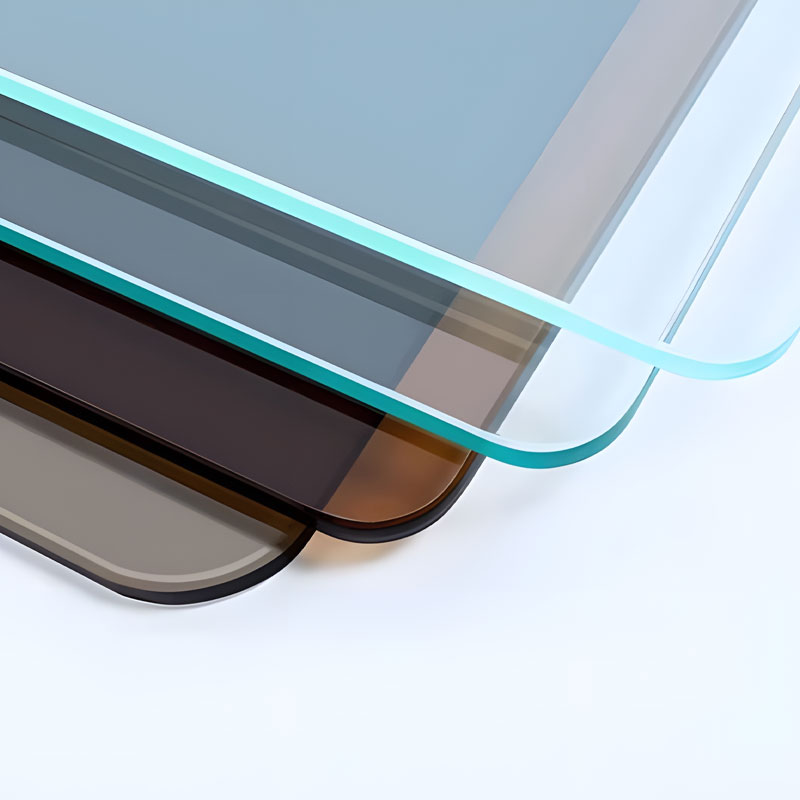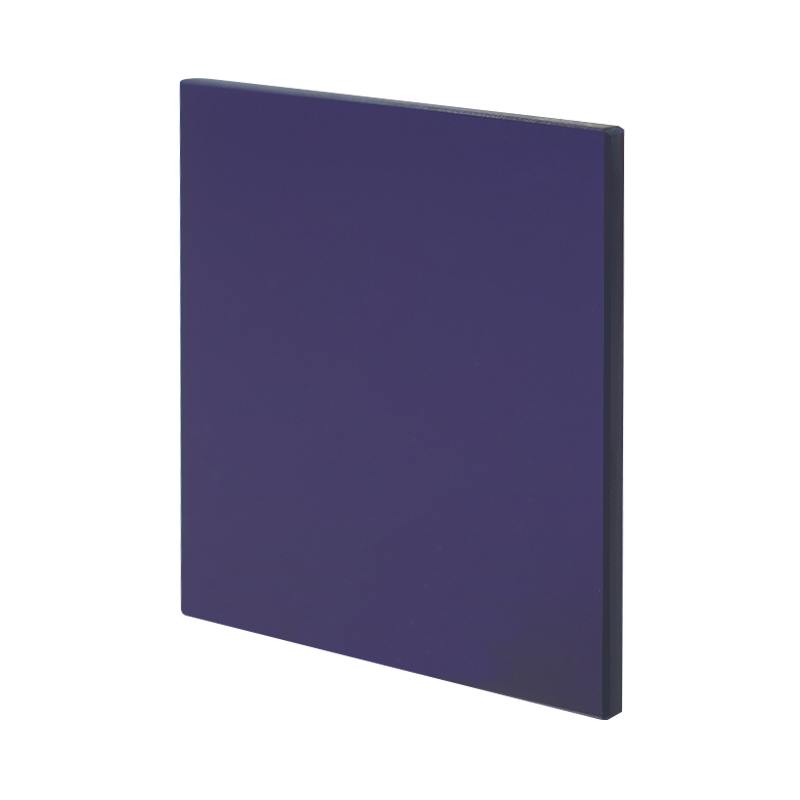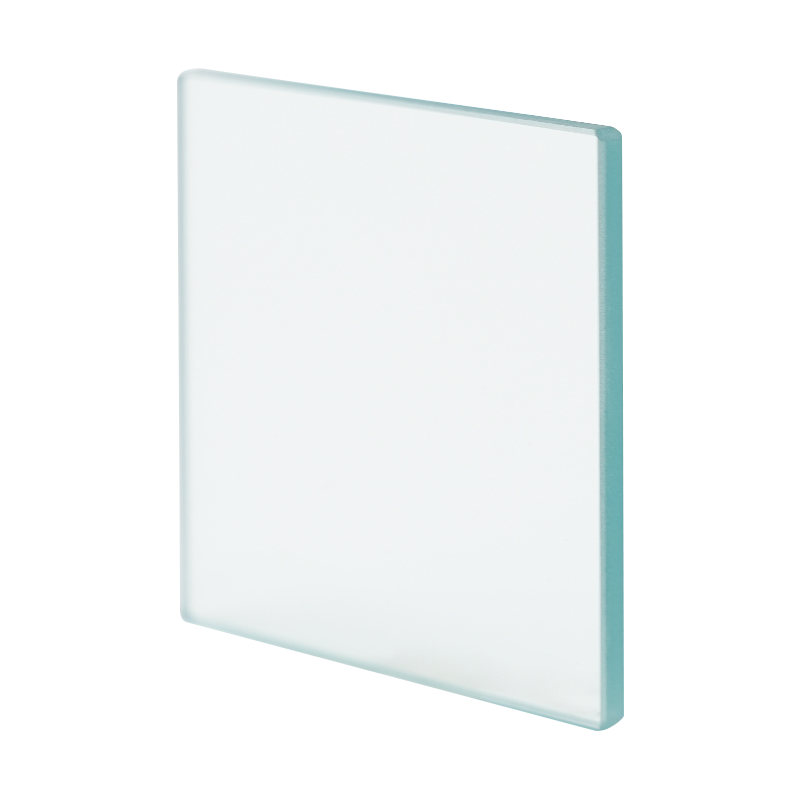

Glass countertops are a common decorative material used in furniture, kitchens, bathrooms, and other...
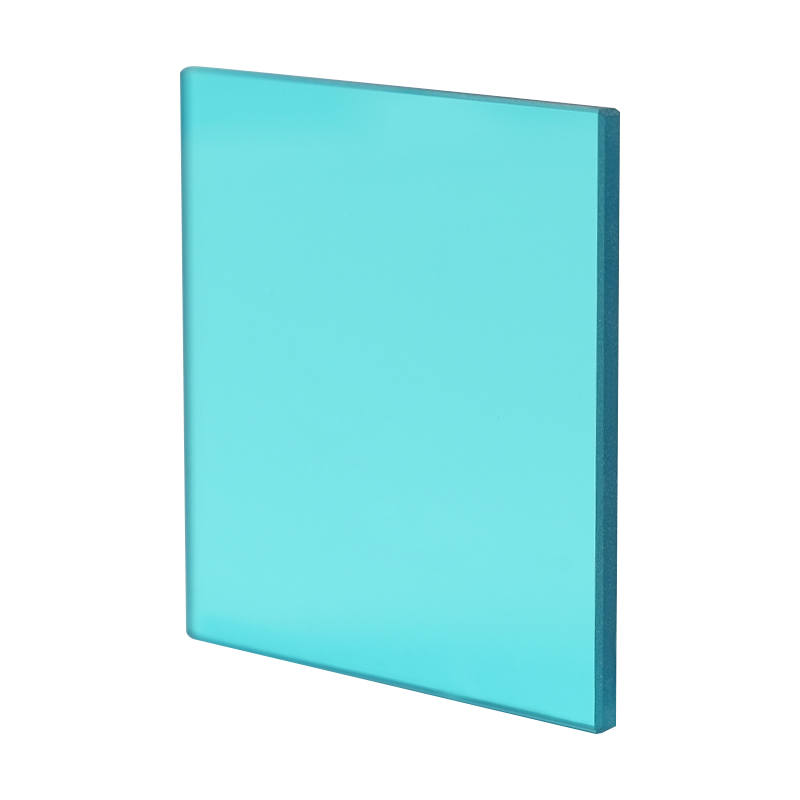
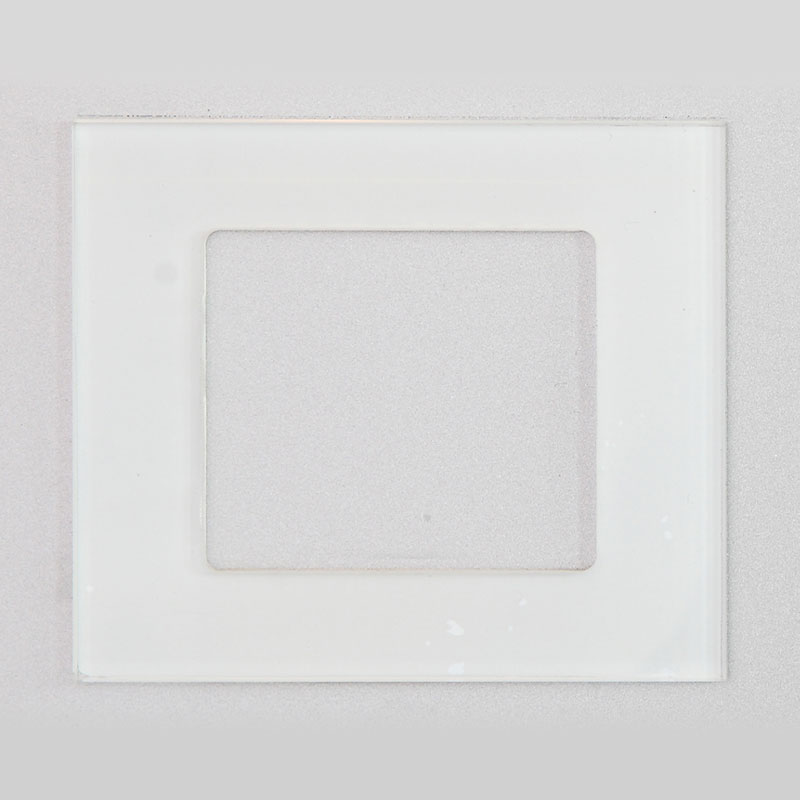
Glass switch panels are electrical switch components made from tempered glass as the base material, combined with screen printing, touch control, and other processes. Their core advantages are high aesthetics, strong durability, and waterproof and scratch-resistant properties, making them a mainstream choice in modern home and commercial decoration to replace traditional plastic panels.
1. Core Characteristics
Durable and Durable: The base material is mostly 3-5mm thick tempered glass with a surface hardness of up to Mohs 7. Daily friction (such as wiping and touching) will not leave scratches; it has strong impact resistance, is not easily broken, and when it breaks, it forms non-sharp particles, ensuring high safety.
Easy to Clean and Stain-Resistant: The glass surface is smooth and does not absorb oil stains. It can be wiped clean with a damp cloth, making it especially suitable for oily or humid environments such as kitchens and bathrooms; most products also have an anti-fingerprint coating to reduce fingerprint residue.
Aesthetics and Style Matching: Supports screen printing, coating, frosting, and other processes, presenting various appearances such as solid colors, textures, and metallic finishes. It can match different decoration styles such as modern minimalist, light luxury, and minimalism, enhancing the overall quality of the space.
Highly expandable functionality: In addition to basic switch functions, it can integrate touch sensing (such as touch to turn on the light), indicator lights (such as soft light guidance at night), USB charging ports, etc. Some smart models can also be linked with smart home systems to achieve remote control.
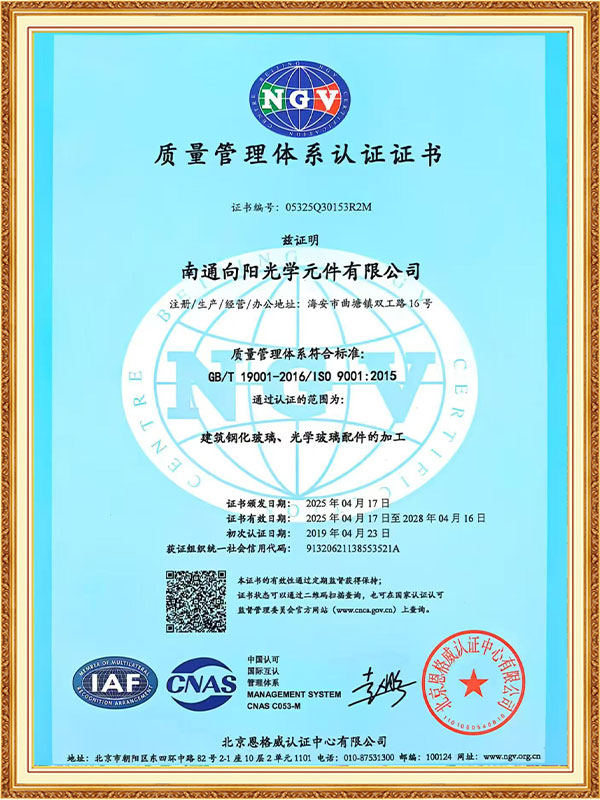
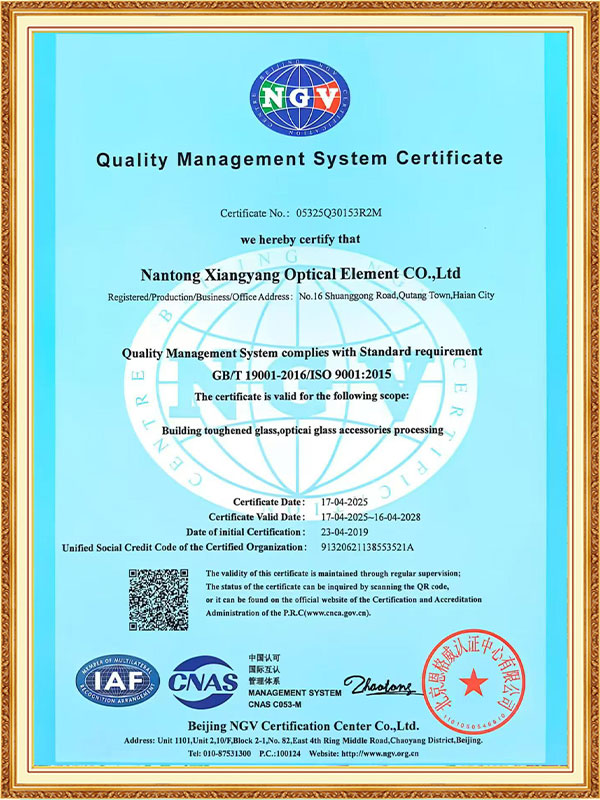
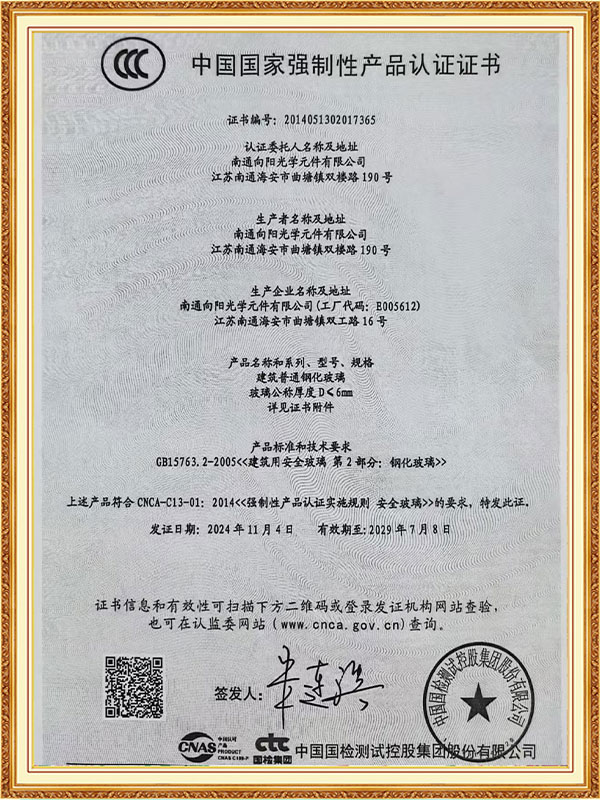
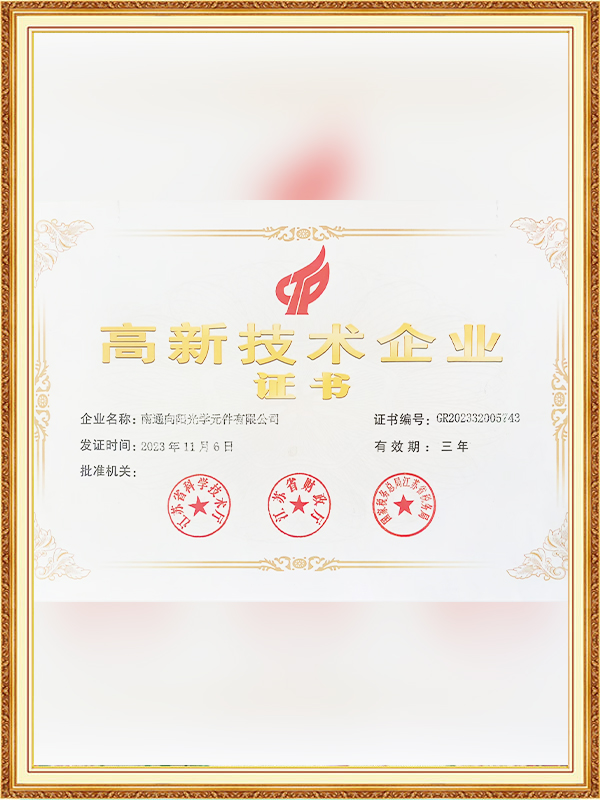
As a leading manufacturer in the Yangtze River Delta Integrated Demonstration Zone (Jiashan, Zhejiang), Jiangnan Outdoor has been awarded "National High-Tech Enterprise" and "Jiaxing Green Factory" titles, with full certifications in ISO 9001:2015, ISO 14001:2015, and ISO 45001:2018 international standards.
When a laboratory technician reaches for a beaker to heat a concentrated acid solution, or when an optical engineer selects a substrate for a precision lens, the choice often comes down to one materi...
READ MOREWhen you hold a laboratory beaker, a high-end coffee pour-over, or an optical filter that must survive a strong light source, you are relying on borosilicate glass. The common question is not only ab...
READ MOREEvery packaging buyer knows the squeeze: customers ask for sustainable packaging, the finance team watches the unit cost, and the production line cannot afford downtime. Meanwhile the regulatory floo...
READ MOREWhat Is Optical Filtration, and Why Does It Matter? A machine-vision camera on a production line begins misreading part numbers when afternoon sunlight floods the lens. A fluorescence microscope lose...
READ MORE