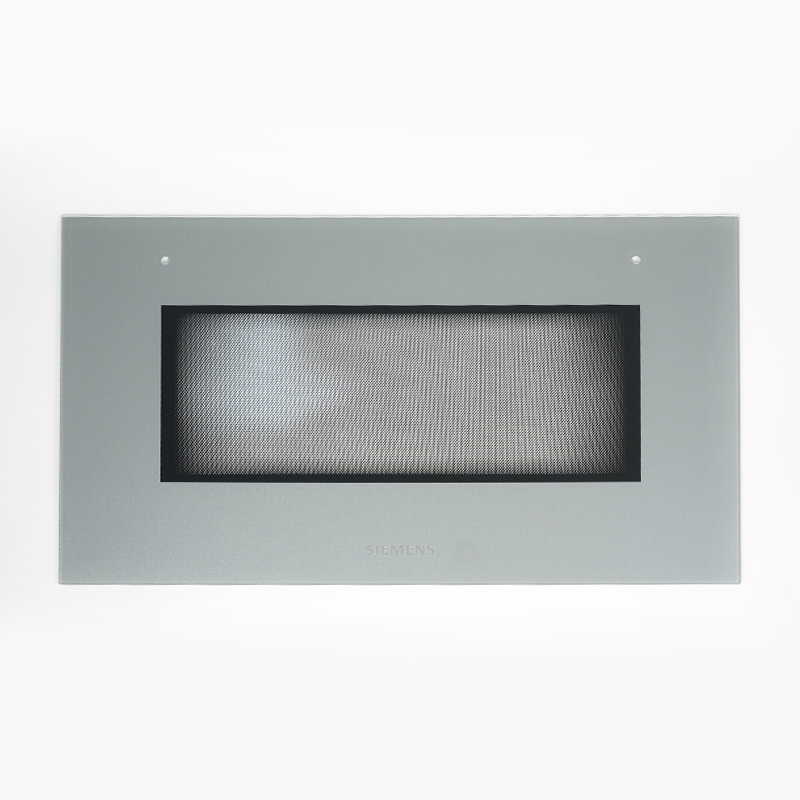
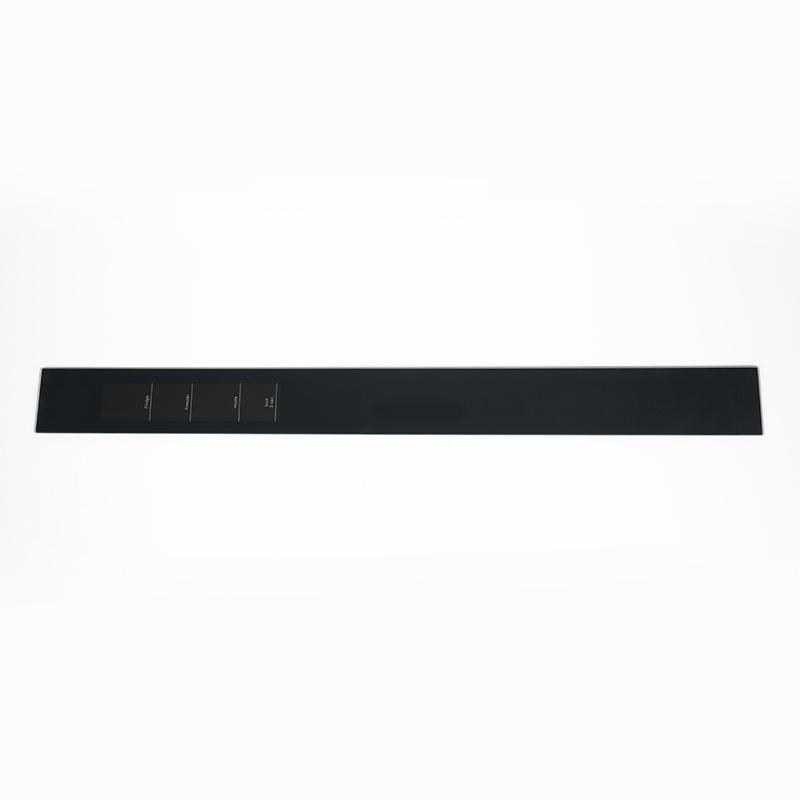
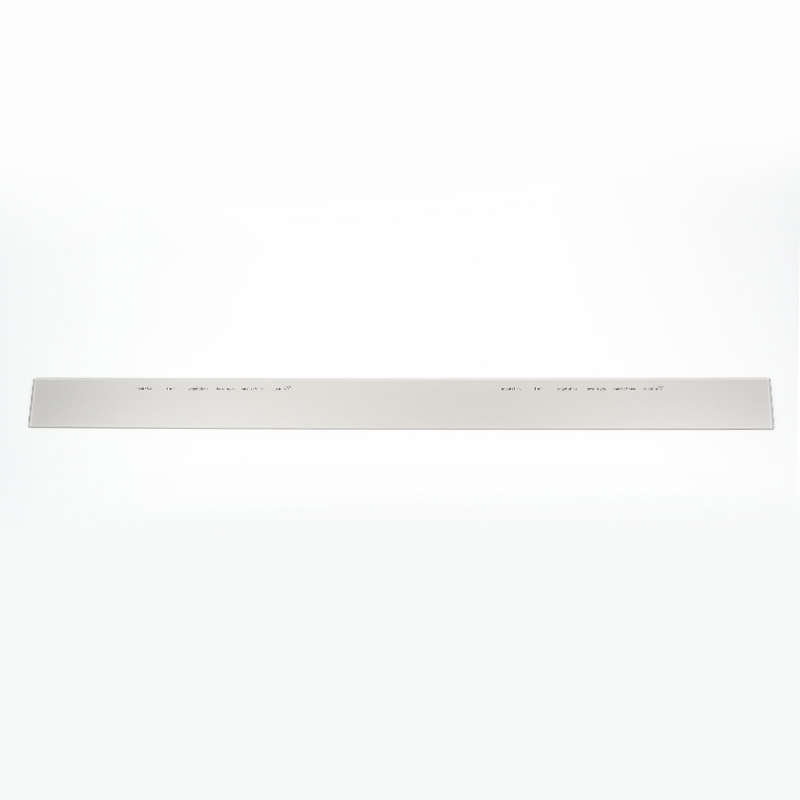
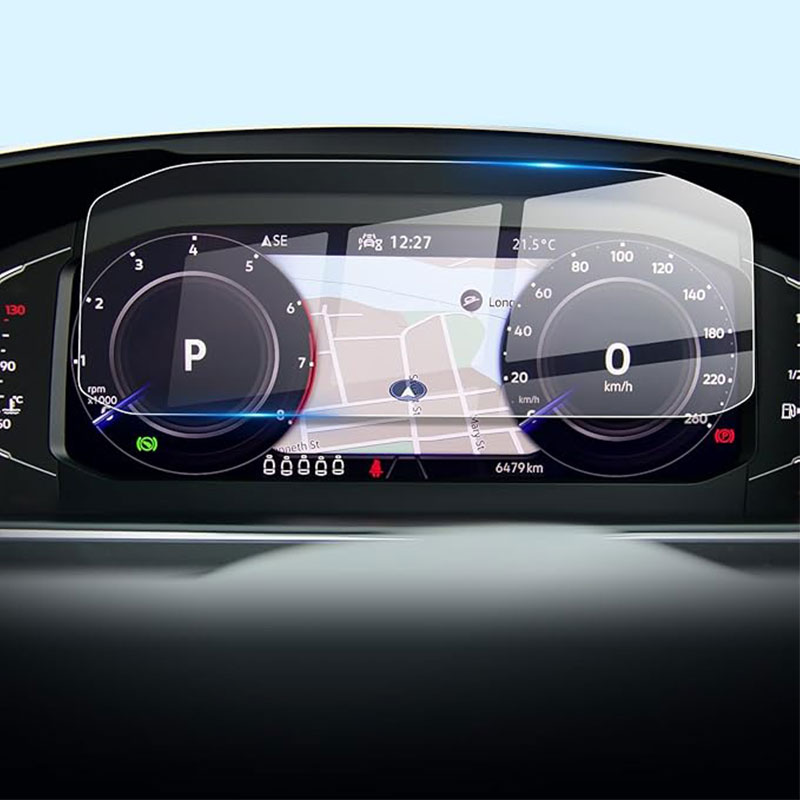
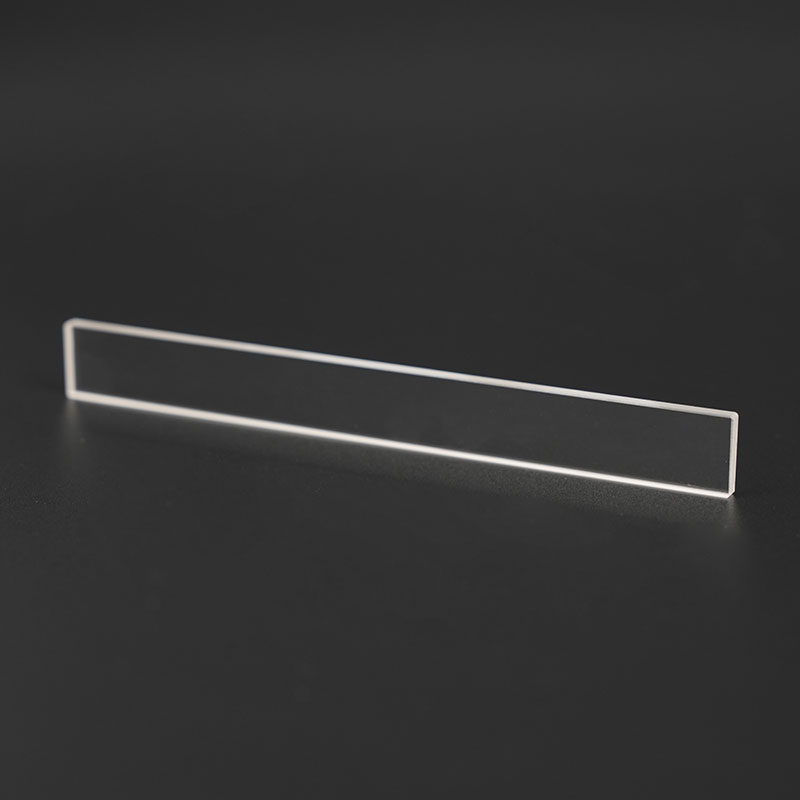
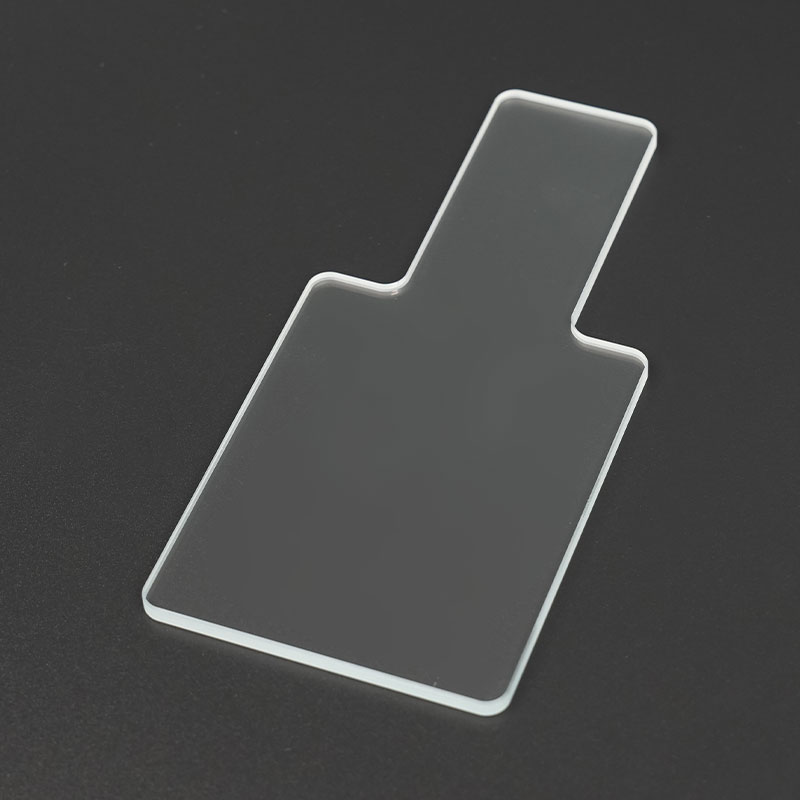
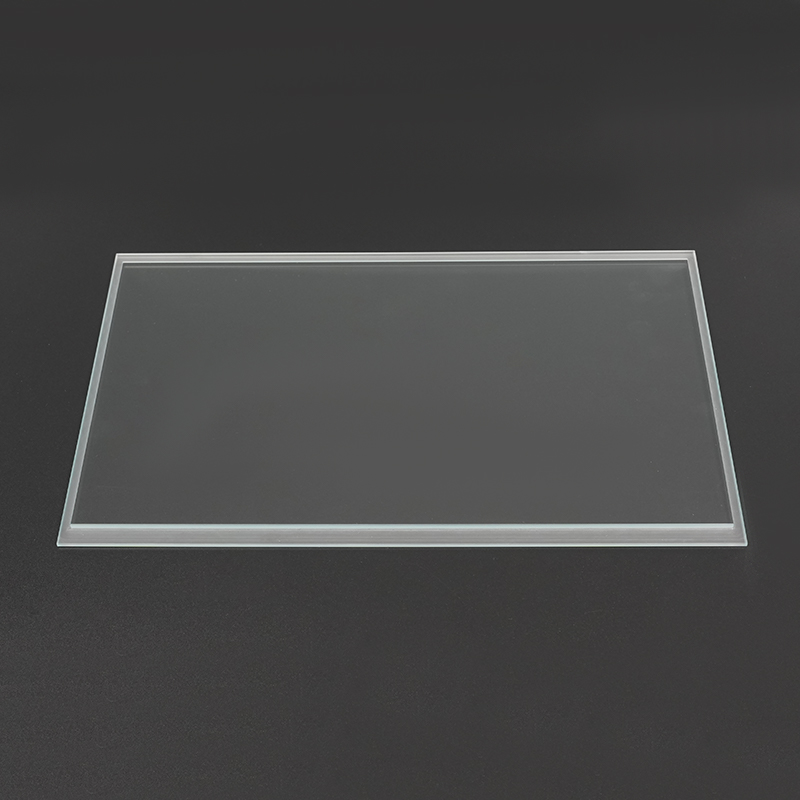
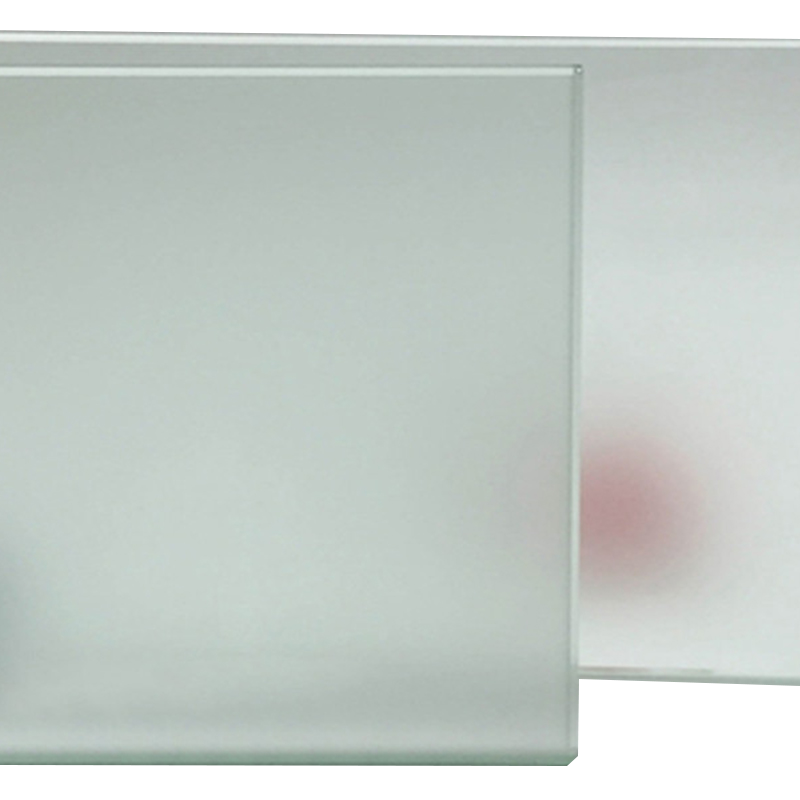
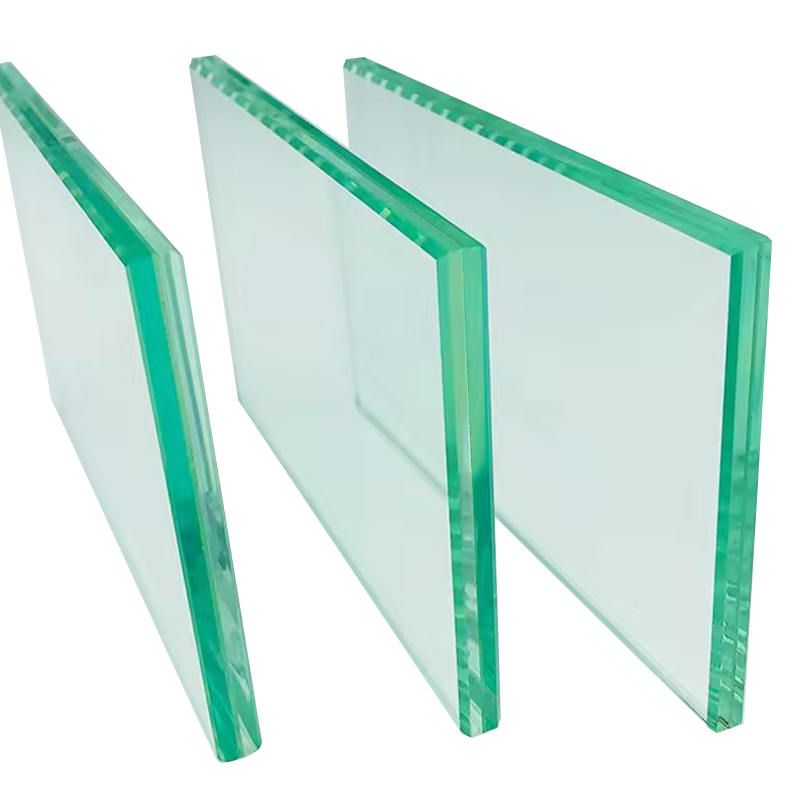
Appliance glass panels are functional glass components specifically designed for home appliances such as refrigerators, washing machines, and ovens. Their core value lies in balancing aesthetics, user interface, and durability, adapting to the different usage environments and design styles of various appliances.
1. Core Characteristics
(1) Strong Environmental Tolerance: They possess high-temperature resistance (e.g., oven panels can withstand short-term temperatures above 200℃), low-temperature resistance (refrigerator panels can withstand temperatures below -20℃), and moisture resistance (washing machine panels are moisture-proof), enabling them to cope with complex usage scenarios.
(2) Durable and Resilient: The base material is mostly tempered glass with a surface hardness of 7 on the Mohs scale, making it resistant to scratches from daily friction (such as cleaning and impacts); some products have an anti-scratch coating, extending their service life to over 10 years.
(3) High functional integration: Button markings, touch-sensitive areas, and brand logos can be integrated through processes such as screen printing and coating. Some high-end models also support display functions (such as temperature display on the refrigerator panel), replacing traditional plastic or metal panels.
(4) High design flexibility: Supports various appearance effects such as solid colors, textures, gradients, and metallic finishes, matching the minimalist, retro, and light luxury design styles of home appliances and enhancing the overall aesthetics of the product.
2. Main Types and Applicable Appliances
Different appliances have different performance requirements for glass panels. Common types and suitable scenarios are as follows:
| Type |
Core performance |
Applicable home appliances |
Typical characteristics |
| High-temperature resistant glass for home appliances |
Withstands high temperatures of 200-500℃, exhibiting strong thermal stability |
Ovens, microwave ovens, built-in cooktops |
Mostly dark colors (such as black and dark gray) are used to avoid discoloration at high temperatures; high-temperature resistant inks are used for screen printing. |
| Moisture-resistant glass for home appliances |
Moisture-proof and fog-proof, with an easy-to-clean surface |
Washing machines, dishwashers, bathroom vanities |
Many have an anti-fingerprint coating, and some have a matte finish to prevent glare or water stains in humid environments. |
| Low-temperature resistant glass for home appliances |
Resistant to low-temperature impacts, remaining resistant to cracking below -20℃ |
Refrigerators, freezers |
Available in transparent, solid color, or patterned designs, some models integrate touch-sensitive areas for temperature adjustment. |
| Decorative glass for home appliances |
High-quality appearance with a focus on design |
Rice cookers, air fryers, water purifiers |
Gradient colors, metallic coatings, and texture etching processes are often used to enhance the appearance of small home appliances and match home styles |
3.Key Processes and Technical Requirements
The quality of glass panels for home appliances relies on strict process control. Core requirements include:
Substrate Processing: Ultra-clear tempered glass or high-alumina-silicon glass are preferred. The former has good light transmittance (suitable for transparent panels), while the latter has strong high-temperature resistance (suitable for ovens, etc.). After tempering, its impact resistance is 3-5 times that of ordinary glass.
Surface Treatment: Anti-fingerprint Coating: Commonly used in frequently touched appliances such as washing machines and refrigerators, reducing fingerprint residue and making cleaning easier;
Anti-scratch Coating: Suitable for appliances prone to friction such as rice cookers and air fryers, improving surface wear resistance;
Touch Coating: Panels with integrated touch functions (such as refrigerators and washing machines) require a conductive coating to ensure touch sensitivity.
Silk Screen Printing Accuracy: The printing accuracy of button markings and function areas must be controlled within 0.1mm to ensure precise alignment with the touch module or buttons below, avoiding accidental touches; the ink must be suitable for the appliance's operating environment (e.g., high-temperature resistance, moisture resistance).




 English
 Español