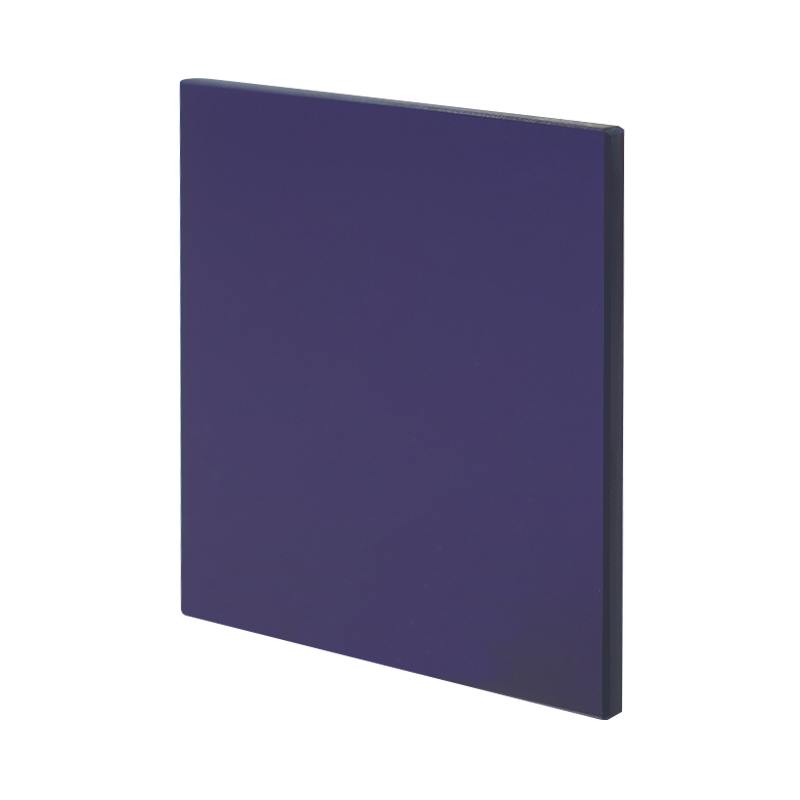
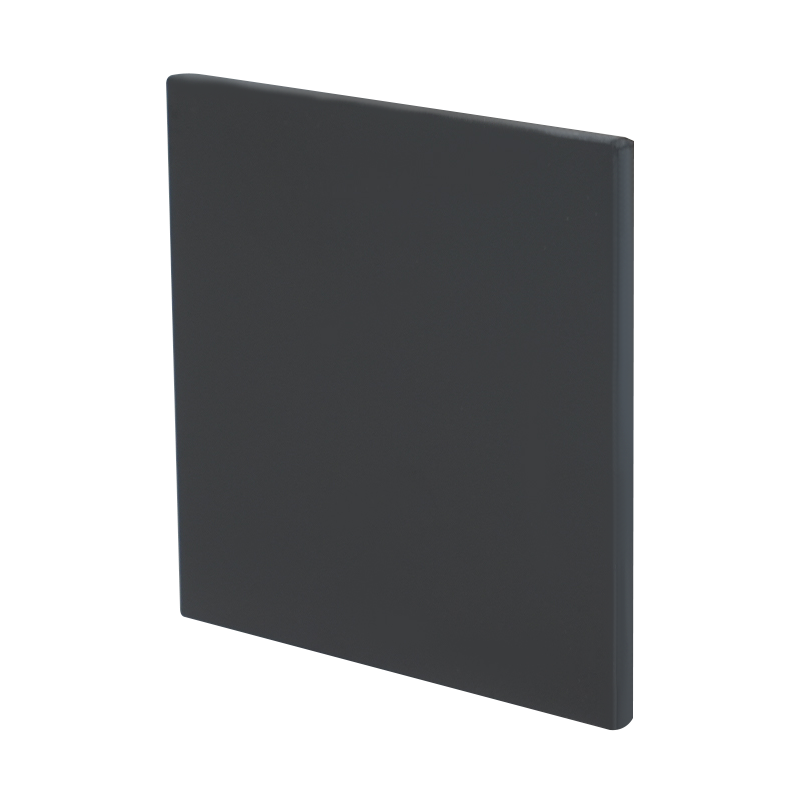
Optical Glass is a specially engineered glass material designed to precisely control light transmission, refraction, and dispersion. It is widely used in lenses, prisms, filters, and imaging components where high optical accuracy is required. Compared with ordinary glass, Optical Glass typically provides up to 99% light transmittance (with proper coating) and significantly lower optical distortion, making it indispensable in modern optical systems.
Core Performance Characteristics of Optical Glass
The quality of Optical Glass is determined by several measurable physical and optical parameters that directly impact system performance.
- Refractive Index: Ranges from approximately 1.45 to 2.10, allowing precise light bending and image formation.
- Abbe Number: Indicates chromatic dispersion; higher values reduce color aberration in imaging systems.
- Optical Homogeneity: High-grade Optical Glass maintains uniform refractive index distribution, ensuring clear images.
- Thermal Stability: Low thermal expansion coefficients help maintain optical accuracy under temperature changes.
Main Types of Optical Glass and Their Differences
Different applications require different types of Optical Glass. The table below highlights common categories and their typical uses.
Comparison of Common Optical Glass Types and Applications
| Glass Type |
Key Feature |
Typical Applications |
| Crown Glass |
Low dispersion |
Camera lenses, microscopes |
| Flint Glass |
High refractive index |
Prisms, telescopes |
| Fused Silica |
Excellent UV transmission |
Semiconductor, laser optics |
How Optical Glass Is Manufactured
The manufacturing process of Optical Glass requires precise control to ensure consistency and high optical quality.
Raw Material Preparation
High-purity silica and specialty additives are carefully measured to achieve target optical properties.
High-Temperature Melting
Materials are melted at temperatures above 1,400°C to eliminate bubbles and impurities.
Annealing and Precision Shaping
Controlled cooling reduces internal stress, improving durability and optical stability.
Where Is Optical Glass Commonly Used?
Optical Glass is widely applied in industries that demand high imaging accuracy and light control.
- Medical Imaging: Endoscopes and diagnostic devices rely on Optical Glass for clear visuals.
- Industrial Inspection: Machine vision systems require distortion-free lenses.
- Consumer Electronics: Smartphone cameras use multiple Optical Glass lens elements.
- Aerospace and Defense: High-performance optical sensors depend on stable optical materials.
How to Choose the Right Optical Glass for Your Project
Selecting the right Optical Glass can significantly improve system performance and reduce long-term costs.
- Match optical parameters such as refractive index and dispersion to your lens design.
- Consider environmental conditions including temperature and humidity.
- Evaluate coating compatibility for anti-reflection, UV, or infrared performance.
FAQ About Optical Glass
Is Optical Glass better than plastic lenses?
Yes. Optical Glass offers better scratch resistance, higher optical clarity, and superior thermal stability compared to most plastic alternatives.
How long does Optical Glass last?
With proper handling and coating, Optical Glass components can maintain stable performance for over 15–20 years in industrial and scientific applications.
Can Optical Glass be customized?
Yes. Optical Glass can be customized in composition, thickness, surface finish, and coating to meet specific optical system requirements.




 English
 Español