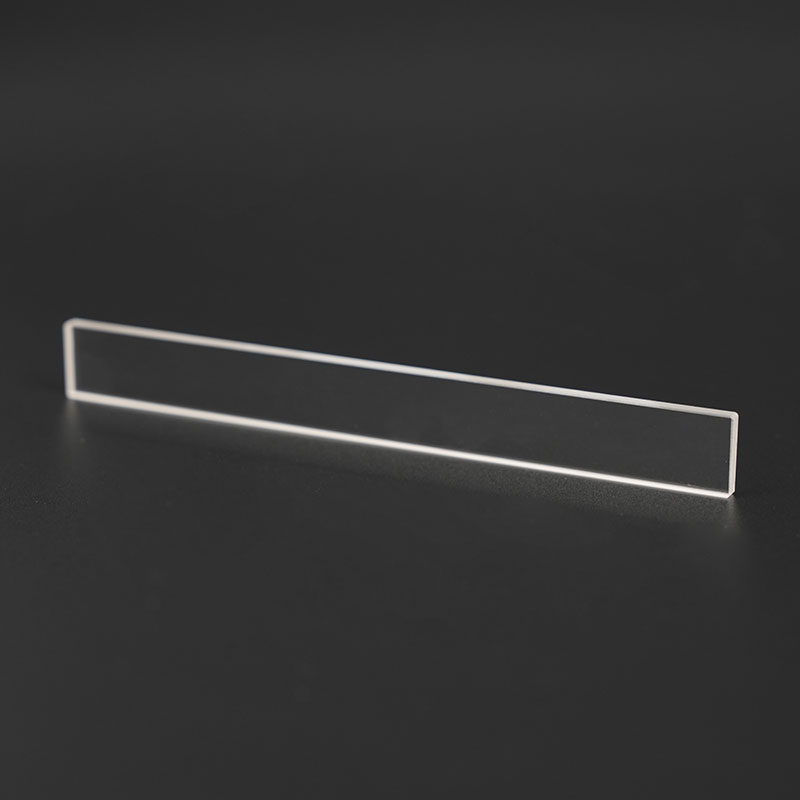
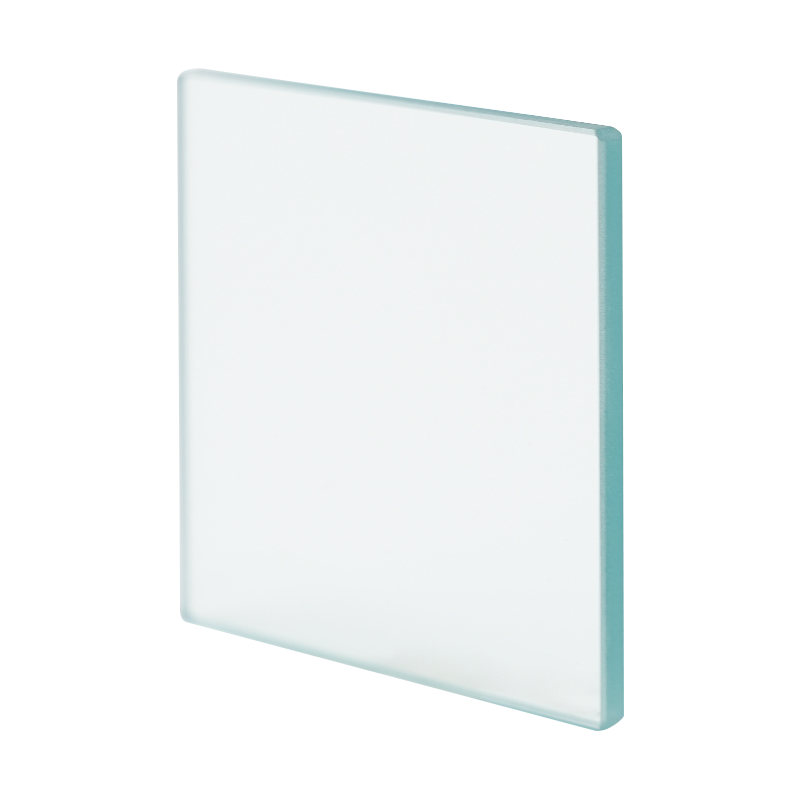
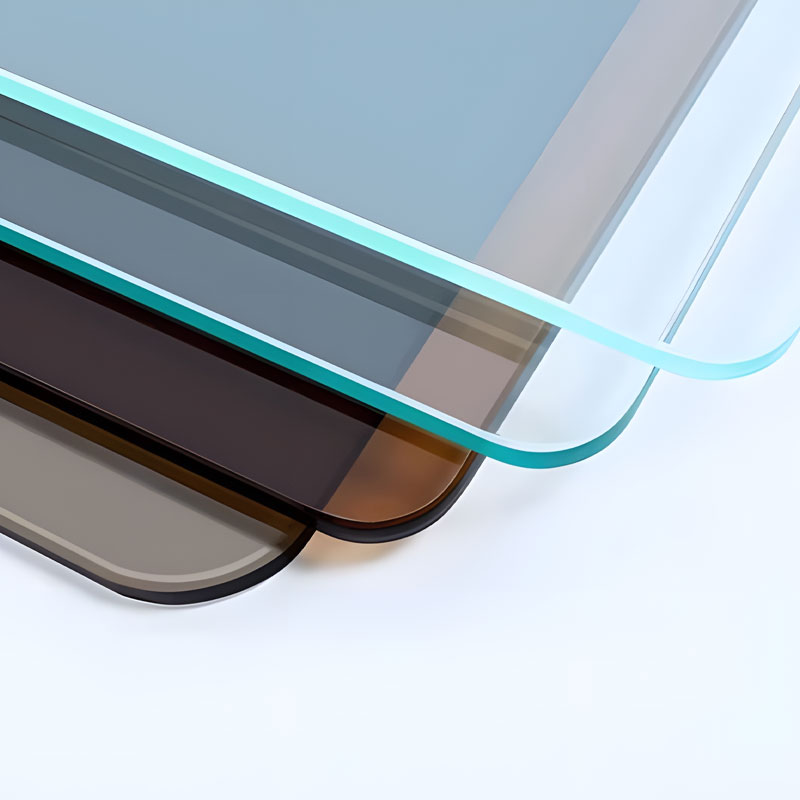
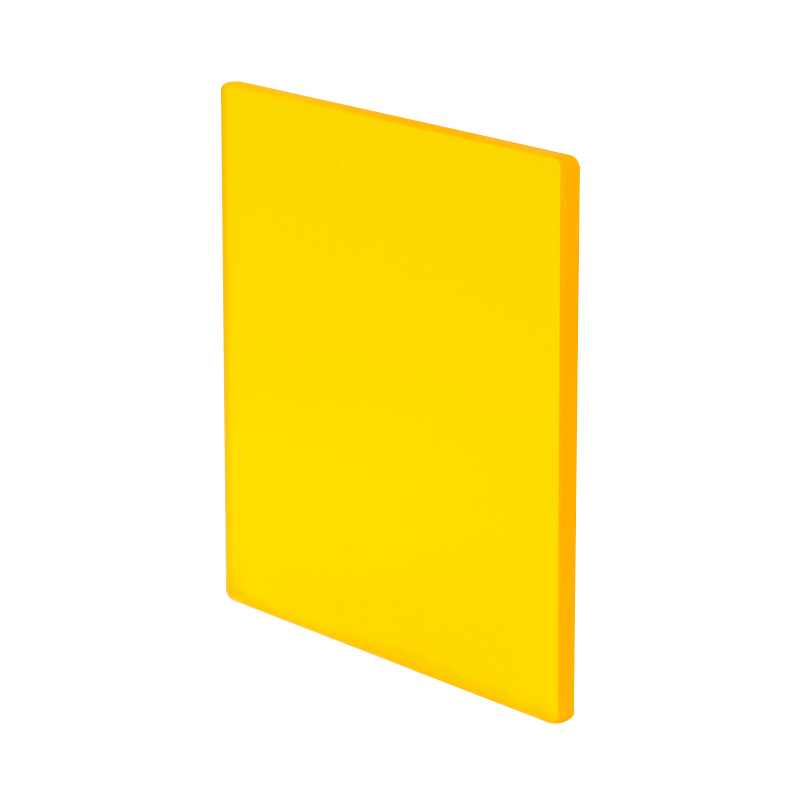
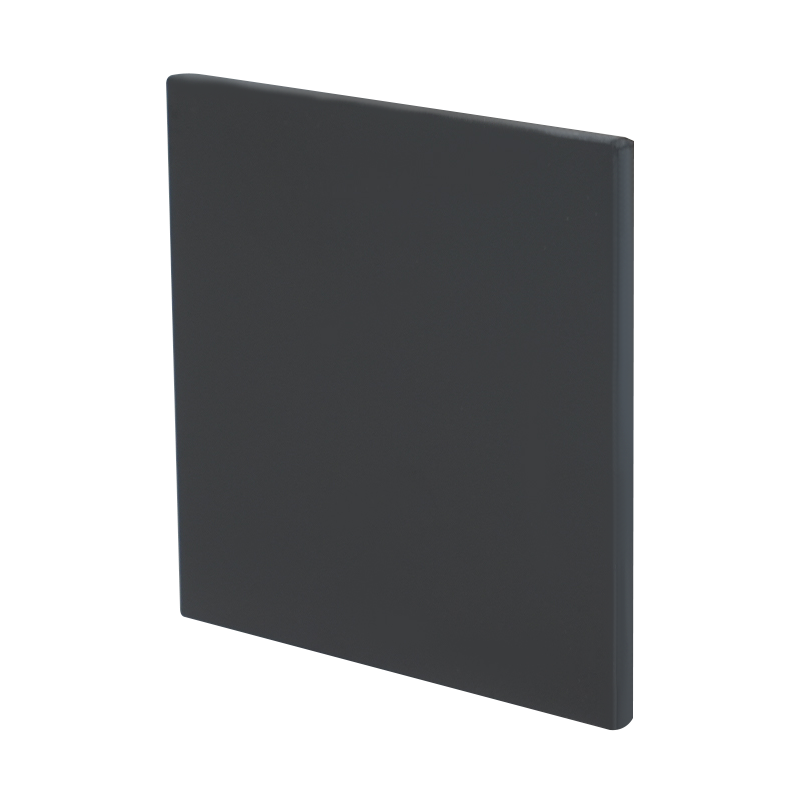
Yes. Cut-off glass filters are one of the most reliable optical components for selectively blocking unwanted wavelengths while maintaining high transmission in the target spectral range. They are widely used in machine vision, medical imaging, spectroscopy, and industrial inspection where accurate spectral separation is critical.
A cut-off glass filter is an optical filter designed to transmit wavelengths on one side of a defined cutoff point and block wavelengths on the other side. Depending on its function, it can be classified as long-pass (LP) or short-pass (SP).
- Long-pass filters transmit wavelengths above the cutoff value
- Short-pass filters transmit wavelengths below the cutoff value
- Absorptive glass materials block unwanted light through internal absorption
High-quality cut-off filters typically achieve blocking efficiency above OD3 (0.1% transmission) outside the passband, ensuring clean spectral separation.
Why Are Cut-off Glass Filters Important in Optical Systems?
Modern optical systems depend on precise wavelength control. Without proper filtering, stray light can reduce signal-to-noise ratio and compromise measurement accuracy.
Improved Signal Accuracy
By blocking unwanted wavelengths, cut-off filters can improve detection accuracy by 20%–40% in fluorescence imaging and spectroscopy applications.
Enhanced System Stability
Stable spectral performance reduces calibration drift and improves long-term system reliability in industrial and laboratory environments.
What Are the Main Application Areas?
Cut-off glass filters are used across multiple industries that require accurate spectral separation and optical protection.
- Machine vision systems for color correction and contrast enhancement
- Medical devices such as endoscopes and fluorescence analyzers
- Spectroscopy equipment for wavelength isolation
- Laser protection and sensor shielding
In industrial vision inspection, proper filtering can reduce false detection rates by up to 30%, significantly improving production yield.
How to Choose the Right Cut-off Glass Filter?
Selecting the right filter depends on your optical system requirements and environmental conditions.
- Cutoff wavelength accuracy (typical tolerance ±5nm)
- Transmission rate in passband (often above 85%)
- Glass thickness and surface flatness
- Thermal and environmental stability
For high-precision optical instruments, it is recommended to choose filters with surface flatness better than λ/4 to avoid image distortion.
Cut-off Glass Filter vs Coated Optical Filter: What’s the Difference?
Both filter types serve wavelength selection purposes, but their working principles and performance characteristics differ.
Comparison Between Cut-off Glass Filters and Coated Optical Filters
| Feature |
Cut-off Glass Filter |
Coated Filter |
| Durability |
High |
Moderate |
| Temperature Stability |
Excellent |
Good |
| Spectral Precision |
Moderate |
Very High |
FAQ About Cut-off Glass Filters
What is the typical lifespan of a cut-off glass filter?
Under normal operating conditions, high-quality cut-off glass filters can maintain stable performance for over 10 years without noticeable degradation.
Can cut-off glass filters be customized?
Yes. Customization options include cutoff wavelength, thickness, diameter, surface polishing, and edge finishing to meet specific optical system requirements.
Are cut-off glass filters suitable for outdoor applications?
Yes, many models are designed with high thermal and UV stability, making them suitable for outdoor sensors and environmental monitoring equipment.




 English
 Español