1. What is a Polarizing Filter?
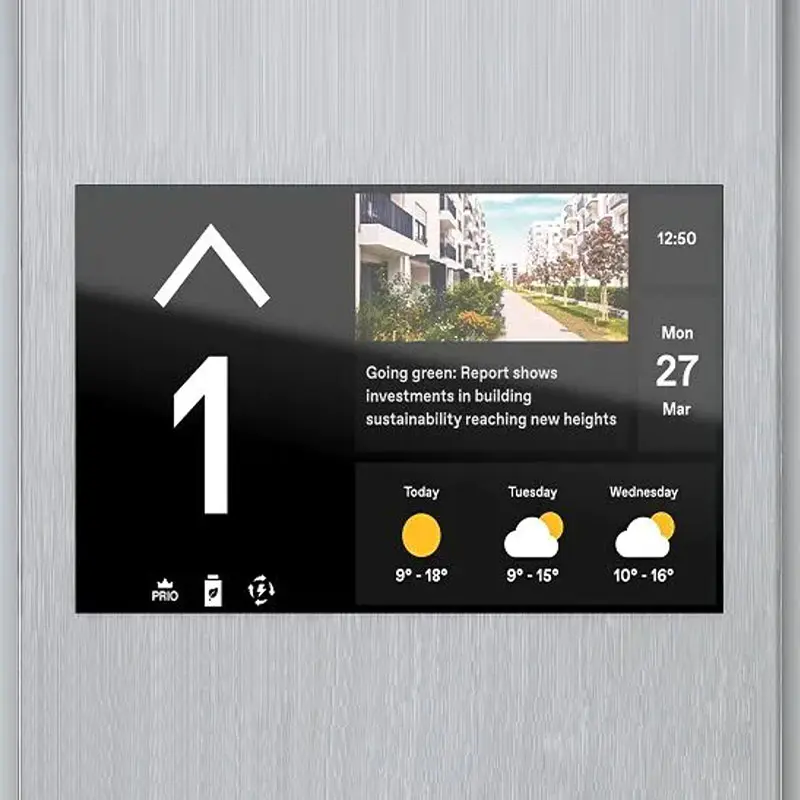
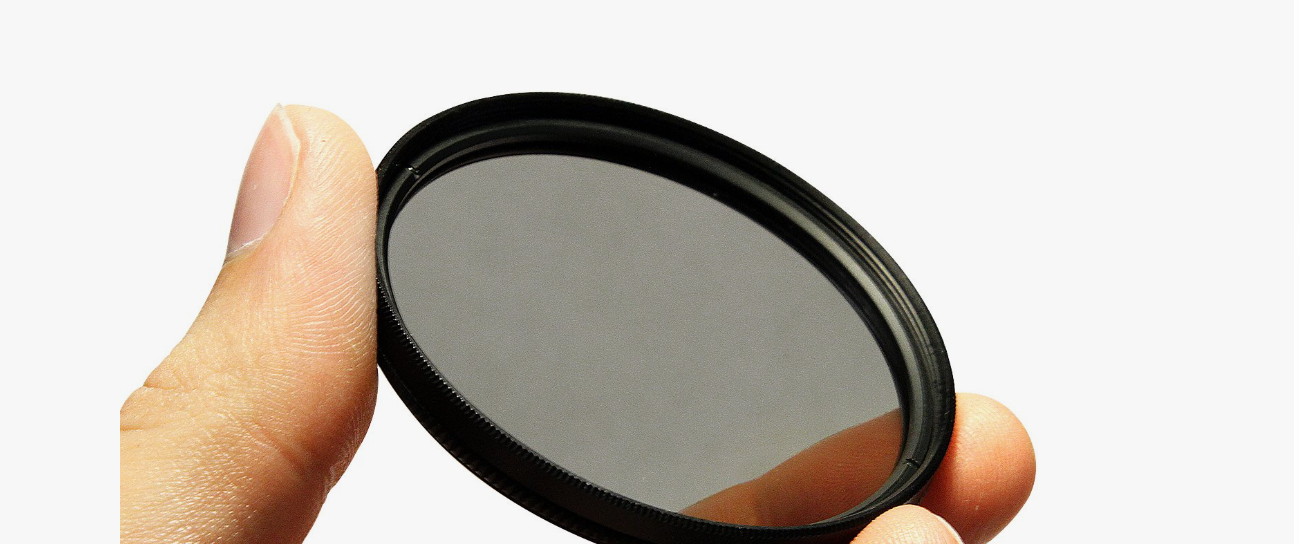
A polarizing filter, also known as a polarizing mirror, is an optical element that improves image quality by utilizing the polarization characteristics of light. It has wide applications in photography, microscopy, astronomical observation, liquid crystal displays, and scientific experiments. The working principle of a polarizing filter is based on the characteristics of polarized light. It can block or selectively filter out light rays with certain polarization directions, thereby changing the characteristics of the transmitted light and improving image clarity, contrast, and color reproduction.
(1) Working Principle of a Polarizing Filter
During the propagation of light, the vibration direction of light waves is random. Light rays in natural light (such as sunlight or lamplight) are usually unpolarized, meaning their vibration direction is disordered. Polarizing filters utilize this property; by rotating the filter, they can selectively block light waves in certain directions, allowing only light in specific directions to pass through. Specifically, polarizing filters control light in two ways:
Selective transmission of polarized light: When light passes through a polarizing filter, the filter absorbs light waves perpendicular to its polarization direction, allowing only light waves with the same polarization direction as the filter to pass through. This characteristic effectively reduces interference from reflected and scattered light.
Reducing reflected and stray light: Polarizing filters are particularly good at removing light from reflective surfaces such as water and glass. This light is usually polarized, and the selective blocking by the polarizing filter greatly reduces the influence of reflected light, resulting in clearer images with higher contrast.
(2) Types of Polarizing Filters
Polarizing filters can generally be divided into two types:
Linear Polarizing Filter: This type of polarizing filter achieves polarization by allowing light in a specific direction to pass through. Linear polarizing filters are commonly used in general photography, microscopy, and some scientific experiments. Its working principle is based on the plane polarization of light; by rotating the filter, the polarization direction is adjusted, selectively allowing light in different directions to pass through.
Circular Polarizing Filter: Circular polarizing filters differ structurally. They not only filter out light in a specific polarization direction but also convert the polarization state of light into circularly polarized light. Compared to linear polarizing filters, circular polarizing filters have higher compatibility, especially in modern digital cameras, because the autofocus system of digital cameras usually requires light to maintain a certain polarization state. Circular polarizing filters ensure that the polarization state of light is not affected by adding an additional rotating layer to the original linear polarizing filter.
(3) Applications of Polarizing Filters
Polarizing filters have important applications in many different fields. Here are some of the main applications:
Photography and Video Shooting
In photography and video shooting, polarizing filters are widely used to enhance image clarity and contrast. They are particularly good at reducing reflected light from surfaces such as water and glass, and reducing stray light reflected from the sky or ground, thereby improving image quality. Specifically, polarizing filters can:
Reduce reflected light, especially when shooting water, glass, or wet surfaces.
Enhance the color of the blue sky, making the contrast between clouds and sky more vivid.
Increase color saturation, making the colors of plants, buildings, and other objects more vibrant.
Microscopic Observation
In microscope imaging, polarizing filters are used to reduce interference from background light and improve the contrast of samples, especially in biological and chemical experiments. Polarizing filters help to:
Enhance the details of transparent samples, especially for observing biological specimens and crystal structures.
Remove glare and stray light generated by sample reflection, obtaining a clearer image.
Astronomical Observation
In astronomical observation, polarizing filters are used to reduce reflected light from the atmosphere and celestial surfaces, enhancing the clarity of star images and improving the effectiveness of astronomical observations. By using polarizing filters, astronomers can obtain purer light signals, reduce the influence of scattered light, and thus improve the accuracy of celestial observation.
Liquid Crystal Displays and Scientific Experiments
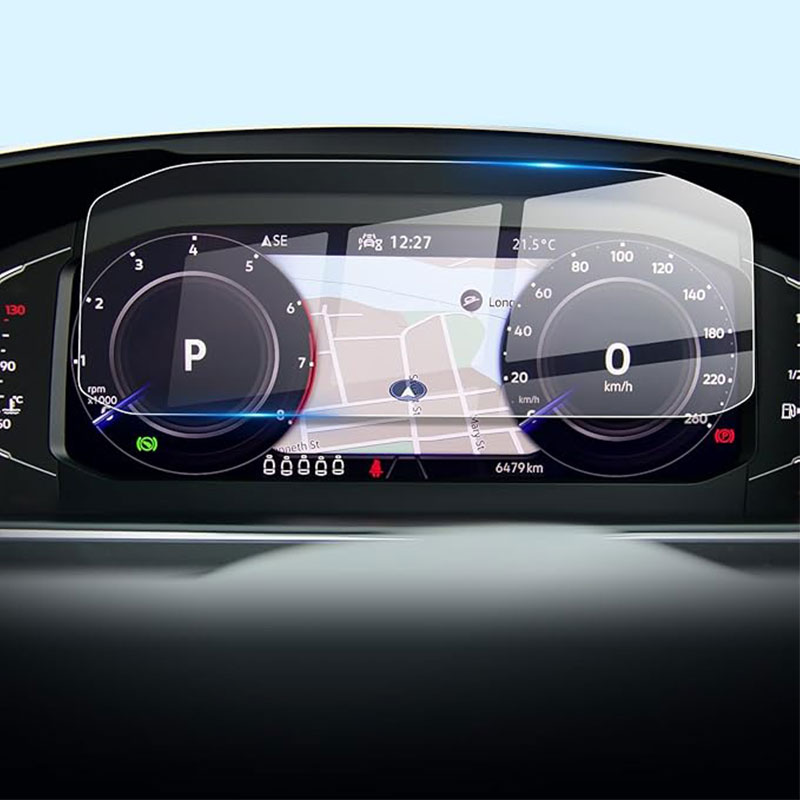
In liquid crystal displays (LCDs), polarizing filters are used to adjust and control the polarization state of light, thereby optimizing the display effect. In scientific experiments, especially optical experiments, polarizing filters can also help researchers obtain more accurate experimental data by controlling the polarization direction of light.
(4) How to Choose a Polarizing Filter?
Choosing a suitable polarizing filter requires considering several key factors:
Filter Type: Choose a linear polarizing filter or a circular polarizing filter based on the equipment requirements. Generally, digital cameras and modern optical systems typically require circular polarizing filters, while ordinary photographic equipment can use linear polarizing filters.
Filter Size: The size of the filter should match the aperture of the photographic lens or other optical system. Common lens sizes include 52mm, 58mm, and 67mm. Users should choose the appropriate size based on their equipment.
Optical Quality: High-quality polarizing filters have high light transmittance and a good anti-reflective coating, which can minimize light loss and improve image quality. Choosing filters from well-known brands ensures better optical performance and durability.
Rotation Design: Polarizing filters usually have a rotation function to adjust the polarization direction. When purchasing, ensure the filter rotates smoothly, is not easily jammed, and is easy to adjust.
(5) Tips for Using Polarizing Filters
Adjusting the Rotation Angle: When using a polarizing filter, control the polarization effect by rotating the filter and choose the optimal angle to obtain the ideal image effect. During shooting, gradually adjust the angle of the filter until you see a significant reduction in reflected light and an enhancement in color saturation.
Avoid Overuse: Although polarizing filters can enhance image effects, overuse may darken the image, especially when shooting in low light conditions. Therefore, use them in moderation and do not rely too heavily on the polarization effect.
Adapting to different environments: The effect of polarizing filters varies depending on the shooting environment. In environments with strong reflections, such as water surfaces, wetlands, and the sky, the effect of polarizing filters is most significant; while in other ordinary scenes, the effect is relatively weak.
2. Why Does Every Photographer Need a Polarizing Filter?
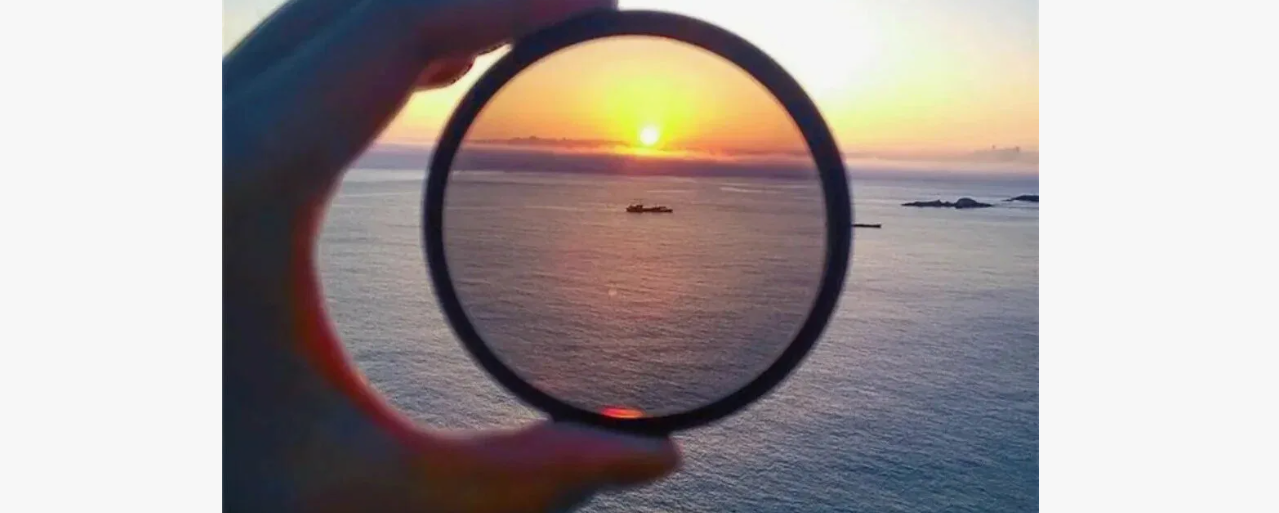
A polarizing filter is an indispensable tool for photographers, especially in landscape, architectural, product, and other scenes with significant lighting variations. Whether eliminating reflections from water and glass or enhancing color saturation, polarizing filters can greatly improve photographic results. While many beginners may overlook its existence, for professional photographers, a polarizing filter is an essential tool.
(1) How a Polarizing Filter Works
The core function of a polarizing filter is to improve images by controlling the polarization of light. Natural light is usually unpolarized, but after reflection or scattering, some light becomes polarized. The vibration direction of polarized light is regular. A polarizing filter adjusts the direction of the passing light by rotating, selectively blocking light waves with inconsistent polarization directions, thereby removing reflected and stray light and improving image quality.
(2) Reducing Reflected Light and Increasing Contrast
In many photographic scenarios, reflected light can negatively impact image quality, especially when shooting water, glass, or wet surfaces. Reflected light not only distorts the image but also causes overexposure of highlights and unnatural colors. Polarizing filters effectively reduce this reflected light, thereby enhancing image contrast and clearly revealing object details.
When shooting lakes or oceans, polarizing filters reduce water reflections, making underwater objects more clearly visible. Similarly, when shooting windows, car windows, or rain-soaked ground, polarizing filters remove surface reflections, making the subject appear more realistic and detailed.
(3) Enhancing the Colors of the Sky and Clouds
Polarizing filters are particularly suitable for shooting the sky and clouds, especially in landscape photography, where they significantly enhance color saturation. The properties of polarized light make the blue of the sky more vibrant and the white of the clouds brighter, improving image contrast and increasing visual impact.
When photographing a clear blue sky, using a polarizing filter allows photographers to deeply render the blue of the sky, making the color of the blue sky richer. When photographing clouds, a polarizing filter can make the outlines of the clouds clearer, creating a more striking contrast with the sky, making the image more vivid and layered.
(4) Enhancing Color Saturation
Polarizing filters not only improve the appearance of the sky and clouds, but they can also enhance the color saturation of other elements. Polarized light can remove some of the polarization components caused by scattered light, thus making the colors of objects such as plants, buildings, rocks, and flowers more vivid.
When photographing green plants, a polarizing filter can reduce reflections on the leaf surface, making the green more saturated and the details clearer; when photographing autumn forests, a polarizing filter can enhance the colors of red, yellow, and orange leaves, making the autumn scenery look more vibrant.
(5) Reducing the Impact of Atmospheric Haze
When photographing distant views, especially urban landscapes, mountains, or seascapes, impurities such as dust, haze, and water vapor in the air often lead to blurry images and insufficient contrast. Polarizing filters effectively reduce light scattering caused by atmospheric particles, thereby improving the clarity and contrast of distant scenes.
By using polarizing filters, photographers can reduce the impact of scattered light from the atmosphere, making distant objects appear sharper and enhancing the sense of depth in the image. This is especially important for shooting landscapes, city panoramas, and coastlines.
(6) Protecting the Lens and Improving Image Quality
Besides improving image quality, polarizing filters also protect the lens. During shooting, the filter effectively blocks ultraviolet and infrared rays, protecting the camera sensor from their effects. Especially when shooting outdoors, polarizing filters also prevent dust, rain, or water droplets from adhering to the lens, reducing lens smudges and scratches.
Furthermore, high-quality polarizing filters typically have multiple anti-reflective coatings, maximizing light transmittance, reducing lens flare, and ensuring a clearer and purer image.
(7) How to Choose a Suitable Polarizing Filter?
When choosing a polarizing filter, photographers need to make a decision based on the following factors:
Filter Type: There are two common types of polarizing filters: linear polarizing filters and circular polarizing filters. For most modern digital cameras and SLR cameras, circular polarizing filters are recommended because they are compatible with the camera's autofocus and metering systems.
Size Selection: The size of the filter needs to match the diameter of the camera lens. Common sizes include 52mm, 58mm, 67mm, and 77mm. Users can choose the appropriate polarizing filter based on the lens specifications.
Optical Quality: High-quality polarizing filters typically employ multi-layer coating technology to reduce light loss and reflection, and improve image transmittance. Choosing a high-quality filter ensures maximum photographic effect.
Rotation Design: Most polarizing filters have a rotation design, allowing users to adjust the polarization angle as needed. Ensure smooth filter rotation for quick adjustment of the shooting angle.
(8) Tips for Using Polarizing Filters
Rotating the Filter: The polarization angle of a polarizing filter is adjusted by rotation. When using a polarizing filter, gradually rotate it until reflected light is reduced and image contrast is enhanced. The effect is particularly noticeable when shooting landscapes, especially skies and clouds.
Note the exposure compensation: Using a polarizing filter may darken the image because it blocks some light. In this case, the photographer can appropriately increase the exposure to ensure the image is properly bright.
Avoid overuse: Although polarizing filters can enhance image effects, overuse can darken the image, especially in low-light environments. Therefore, use them cautiously and avoid relying too heavily on polarization effects.
A polarizing filter is an indispensable photographic tool that improves image quality, reduces reflected light, enhances color saturation, and increases contrast. Whether in landscape photography, urban architecture photography, or shooting highly reflective objects such as water surfaces and glass, polarizing filters can significantly improve shooting results. As a photographer, owning a high-quality polarizing filter will help you capture clearer, more vivid, and more visually impactful works.
3. How does a polarizing filter reduce reflections and glare?
In photography and optical imaging, reflections and glare are common factors that easily affect image quality. Whether shooting water surfaces, windows, wet ground, or other highly reflective objects, reflected light often distorts the subject and reduces image quality. To avoid this, a polarizing filter has become an essential tool for photographers and optical equipment users. By utilizing the properties of polarized light, it significantly reduces unnecessary reflected light and glare, enhancing image clarity and color saturation.
(1) Causes of Reflected Light
Natural light is unpolarized. When light encounters a non-metallic surface (such as water, glass, wetlands, etc.), it is reflected. Reflected light often becomes polarized light, with its vibration direction exhibiting a certain regularity. Ordinary reflective surfaces such as glass and water surfaces usually produce this polarized light, and the intensity and direction of the reflected light change with the viewing angle. Unfiltered reflected light causes glare and color distortion in the image, affecting the accuracy of the image.
(2) Working Principle of Polarizing Filters
Polarizing filters adjust their polarization direction by rotating the lens. When light passes through a polarizing filter, it selectively blocks light waves perpendicular to its polarization direction, allowing light with the same polarization direction to pass through. Since most reflected light is polarized, polarizing filters effectively reduce the intensity of reflected light, thereby reducing glare and unnecessary reflections in the image.
Polarizing filters reduce reflections and glare in the following ways:
Blocking unwanted polarized light: Polarizing filters effectively block light perpendicular to the direction of reflected light, allowing only light with the same polarization direction as the lens to pass through. By rotating the filter, the photographer can selectively adjust the polarization direction to maximize the removal of reflected light.
Optimizing image quality: By reducing reflected light, polarizing filters make the colors in the image more natural and saturated, reducing glare or distortion caused by reflected light, making the subject clearer.
Enhancing image contrast: After removing reflected light, the highlights in the image are eliminated by the polarizing filter, enhancing the overall contrast. For landscape photography, especially when shooting on water or snow, polarizing filters can make the contrast between light and dark areas of the image more obvious and the details richer.
(3) Applications of Polarizing Filters
The following table lists the effects of polarizing filters on reducing reflected light and glare in several common photographic scenarios:
| Scene |
Reflection Light Issues |
Effect of Polarizing Filter |
| Water Surface Photography |
Strong reflection from the water surface makes underwater objects hard to distinguish |
The polarizing filter can remove water surface reflection, making underwater objects clearer. |
| Glass Photography |
Strong reflection from the glass surface blurs the details of the object being photographed |
The polarizing filter reduces the reflection from the glass, sharpening the details of the object. |
| Wetlands or Post-Rain Ground |
Ground reflection affects image quality, leading to overexposure or distortion |
The polarizing filter removes ground reflection, enhancing color and improving image quality. |
| Building Photography |
Strong reflection from glass facades or metal surfaces affects the display of buildings |
The polarizing filter removes reflection, making the building details clearer and the colors more vivid. |
| Landscape and Sky |
Reflection and scattered light cause blurring of sky and cloud details |
The polarizing filter removes polarized light, enhancing the blue of the sky and the contrast of clouds. |
| Snowfield or Desert Photography |
Strong reflection from snow or sand surfaces leads to overexposure or loss of details |
The polarizing filter reduces snow or sand surface reflection, enhancing image details and contrast. |
(4) How to Correctly Use Polarizing Filters to Reduce Reflections and Glare?
To fully utilize the effect of polarizing filters in reducing reflected light and glare, some techniques are needed:
Rotate and Adjust the Filter Angle
A key feature of polarizing filters is that they can be rotated to adjust the polarization direction. Rotating the filter allows you to find the optimal angle to minimize reflected light. When shooting reflective objects such as water or glass, adjust the filter angle until the reflected light is significantly reduced and the image becomes clearer.
Choose Appropriate Exposure Settings
When using a polarizing filter, some light will be blocked, which may darken the image. To compensate for this, the photographer needs to appropriately increase the exposure time, increase the ISO, or decrease the shutter speed to ensure proper image exposure.
Avoid Over-Reliance on Polarizing Effects
While polarizing filters can significantly reduce reflected light and glare, overuse can sometimes result in images that are too dark or unnatural. Use them cautiously, especially in low-light conditions, and avoid over-reliance on their effects.
Adapting to Different Shooting Environments
The effect of polarizing filters varies depending on the scene. The effect is most pronounced when shooting highly reflective objects (such as water surfaces and glass). However, the effect is more limited when shooting non-reflective objects.
A polarizing filter is a powerful optical tool that effectively reduces reflected light and glare by adjusting the polarization direction of light, enhancing image sharpness, color saturation, and contrast. Whether shooting on water, glass, or wet surfaces, polarizing filters can improve the shooting results. For photographers, mastering the correct use of polarizing filters not only improves image quality but also enables them to achieve ideal shooting results in complex lighting conditions.
4. Can a polarizing filter improve the color in landscape photography?
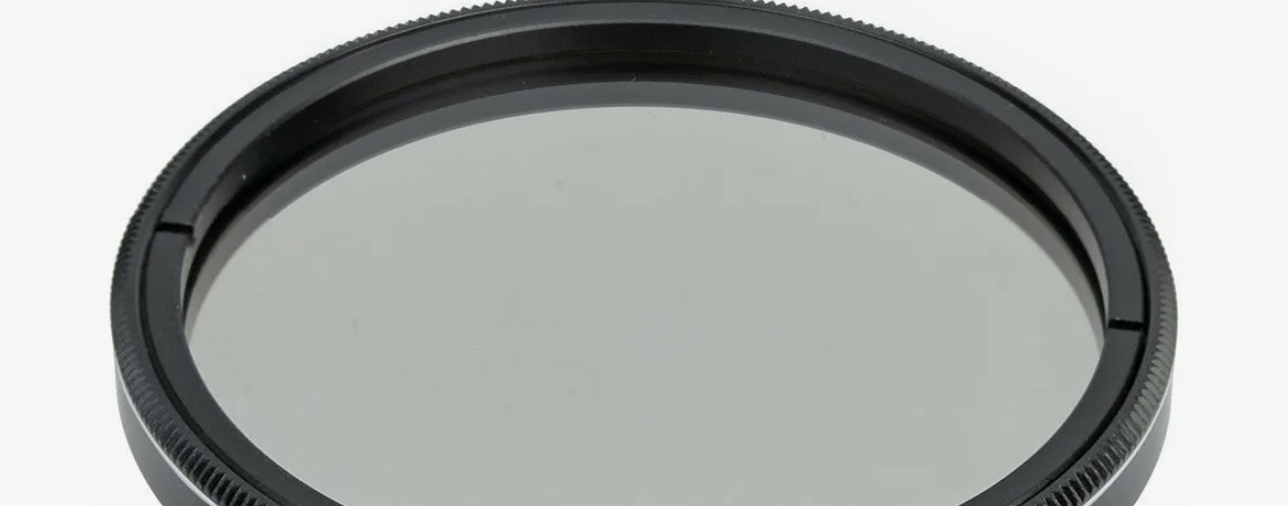
In landscape photography, color reproduction and contrast are often key factors determining the visual effect of a work. Especially when shooting natural landscapes, the colors of elements such as the sky, vegetation, and water surface can be affected by reflected light, stray light, and ambient light, leading to color distortion or loss of detail. A polarizing filter, as a common optical filter, can effectively improve these problems and enhance color performance in landscape photography. By removing unnecessary reflected and scattered light, a polarizing filter can make the colors in an image more vibrant, natural, and realistic.
(1) How does a polarizing filter improve the color in landscape photography?
The function of a polarizing filter is to control the polarization state of light, filtering out certain polarized light and allowing light from only specific directions to pass through. This characteristic is crucial for color improvement in landscape photography, specifically manifested in the following aspects:
Enhancing the blue of the sky
When shooting the sky in a landscape, reflected and scattered light usually affect the color saturation of the sky. Polarizing filters enhance the blue of the sky by removing scattered light from the atmosphere, making the sky appear deeper and more vibrant, especially on clear days.
By rotating the filter, photographers can selectively increase or decrease the saturation of the blue sky, creating more depth and preventing color distortion or flatness.
Enhancing Cloud Contrast: Without a polarizing filter, cloud details can be affected by excessive scattered light, resulting in flat colors and a lack of definition. Polarizing filters remove unwanted scattered light, enhancing the contrast between clouds and the sky, making cloud outlines clearer and details richer.
When photographing clouds in the atmosphere, using a polarizing filter makes the white of the clouds brighter while avoiding interference from reflected light, making the clouds more three-dimensional and layered.
Enhancing the Colors of Green Vegetation: Polarizing filters effectively remove reflected light from plant surfaces, making greens purer and more saturated. When photographing forests, grasslands, or other plant landscapes, the use of polarizing filters can make the colors of green plants more vivid and lifelike.
Since reflected light from the surface of plant leaves often makes green appear dull or distorted, polarizing filters remove these unnecessary reflections, making the green of plants more vibrant and increasing the overall contrast and clarity of the image.
Improving Reflections on Water and Wetlands
When photographing water surfaces, reflections often obscure underwater objects, causing the image to lose its sense of depth. Polarizing filters can effectively reduce water reflections, making underwater objects clearly visible, while also enhancing the color expression of the water surface and improving the visual depth of the image.
When shooting in wetlands or on the ground after rain, polarizing filters can also remove ground reflections, making the ground colors more realistic and clear, avoiding color deviations or overexposure.
(2) Techniques for Improving Landscape Photography with Polarizing Filters
To obtain the best color effect, photographers need to master some techniques when using polarizing filters:
Choosing the Best Shooting Angle
The effect of polarizing filters is closely related to the shooting angle. When you rotate a polarizing filter, it adjusts the light from different directions. The best effect is usually achieved when the photographer and the light source are at a 90-degree angle. For example, when shooting a blue sky, rotating the filter can enhance its color, while when shooting clouds, it can make the details of the clouds more apparent.
Adjust Exposure Compensation Appropriately
Because polarizing filters reduce the amount of light transmitted, you may need to increase the exposure compensation appropriately when using them. Generally, when using a polarizing filter, you can slightly increase the exposure time or the ISO value to ensure the image is properly exposed without being too dark.
Avoid Overusing Polarizing Effects
While polarizing filters can significantly improve the color reproduction of landscapes, overuse can cause the image to lose its naturalness, especially in low-light or highly reflective environments. When using a polarizing filter, adjust the rotation angle according to the actual scene to avoid excessive contrast or overly exaggerated colors.
Try different angles and scenes. The effect of a polarizing filter varies with the angle. Therefore, when shooting landscapes, try shooting from multiple angles and adjusting the polarizing filter to find the best color representation. Especially when shooting large-scale landscapes, adjusting the polarizing filter can yield more varied visual effects.
(3) Advantages of polarizing filters compared to other filters
Besides polarizing filters, there are other types of filters used in landscape photography, such as graduated neutral density (GND) filters and ND filters. Each filter has a different function. The advantage of polarizing filters is that they can enhance the color and contrast of an image by reducing reflected light and removing polarized light without affecting exposure. This makes them a very suitable tool for landscape photography, especially when shooting natural landscapes such as the sky, water, and plants.
In contrast, graduated neutral density (GND) filters and ND filters are mainly used to reduce light intensity, helping photographers obtain more suitable exposure in strong light environments, while polarizing filters focus on improving color saturation and contrast by removing reflected light. Polarizing filters are an indispensable tool in landscape photography. They enhance color saturation and contrast by reducing reflected and scattered light, making landscapes more vivid and lifelike. Whether enhancing the blue of the sky or the green of plants, polarizing filters deliver higher-quality images to photographers. Mastering the use of polarizing filters not only optimizes the color representation of landscapes but also helps photographers better capture the beautiful details of natural scenery.
5. Frequently Asked Questions about Polarizing Filters
A polarizing filter is an optical filter widely used in photography and optical systems, especially in landscape, architectural, and automotive photography. It removes unwanted reflected light, enhances color saturation, and improves image contrast by controlling the polarization of light. While polarizing filters greatly improve photographic results, many photography beginners and enthusiasts still have questions about their function and usage. In this article, we will answer common questions about polarizing filters and discuss their function and how to use them correctly.
Q1. What is a polarizing filter?
A polarizing filter is an optical filter that controls the polarization of light. In natural light, much light is unpolarized, but when light is reflected or scattered by certain surfaces (such as water, glass, and metal), it becomes polarized. By rotating the lens, a polarizing filter can selectively filter out polarized light in a certain direction, making the light passing through the lens purer, thus effectively removing reflected light, stray light, and improving color saturation.
Q2. What is the function of a polarizing filter?
The main function of a polarizing filter is to reduce reflected light and enhance image contrast and color saturation. Specifically, it can achieve the following functions:
Removing reflected light: Especially from reflective surfaces such as water, glass, and wetlands, polarizing filters effectively reduce reflected light, making the subject clearer and highlighting details.
Enhancing sky colors: Polarizing filters make the blue of the sky more vibrant, increasing the contrast between clouds and the sky, and preventing color distortion caused by reflected light.
Enhancing the green of plants: It removes reflected light from leaf surfaces, making the green more saturated and vivid, and improving the color representation of natural scenes.
Improving image contrast: By removing scattered and reflected light, polarizing filters can enhance the contrast between light and dark areas in an image, making details richer and more layered.
Q3. How do polarizing filters work?
The working principle of a polarizing filter is based on the phenomenon of light polarization. Natural light is unpolarized. When light is reflected from a surface (such as water or glass), some of it becomes polarized. Polarizing filters adjust their polarization direction by rotating a lens, allowing light aligned with the filter's polarization direction to pass through while blocking light with a different polarization direction.
During use, photographers can rotate the filter to adjust the angle of light transmission, thereby removing varying degrees of reflected and stray light.
Q4. What types of polarizing filters are there?
There are two main types of polarizing filters: linear polarizing filters and circular polarizing filters.
Linear polarizing filters: These filters effectively remove polarized light, but they may be incompatible with the autofocus and metering systems of some modern digital cameras, especially SLR cameras with mirrors.
Circular polarizing filters: These are an improved version of linear polarizing filters, providing the same effect of removing polarized light without interfering with the camera's autofocus and metering functions. Circular polarizing filters are generally the preferred choice for modern digital SLR and mirrorless cameras.
Q5. What are the suitable scenarios for polarizing filters?
Polarizing filters are widely used in various photographic scenarios, especially the following:
Landscape Photography: When shooting expansive landscapes, particularly skies, clouds, mountains, and lakes, polarizing filters can significantly enhance color saturation and image contrast, making the sky appear bluer and clouds more three-dimensional.
Water Photography: When shooting lakes, seas, and other bodies of water, polarizing filters reduce reflections, making underwater objects clearer.
Architectural Photography: Glass curtain walls and metal surfaces of buildings often produce strong reflections, affecting detail and color reproduction. Polarizing filters reduce these reflections, making the building's appearance more refined.
Plants and Natural Objects: The leaves of plants, flowers, and the surfaces of natural objects often reflect light. Polarizing filters remove these reflections, making colors more saturated and details more vivid.
Q6. How to use a polarizing filter?
When using polarizing filters, photographers should keep the following points in mind:
Rotating the Filter: Polarizing filters usually come with a rotating ring, allowing photographers to adjust their polarization angle. When shooting landscapes, rotating the filter can enhance or reduce the color of the blue sky, or remove reflections from surfaces such as water and glass.
Choosing the Appropriate Exposure: Polarizing filters reduce the amount of light passing through the lens, so it may be necessary to increase exposure compensation appropriately to ensure proper image exposure. This reduction in light can be compensated for by adjusting shutter speed, aperture, or ISO.
Avoid Overuse: While polarizing filters can enhance the color and contrast of an image, overuse can sometimes result in an overly dark image, especially in low-light conditions. Therefore, use should be adjusted according to the actual situation to avoid over-reliance.
Q7. Does a polarizing filter affect image quality?
A polarizing filter affects image brightness because it blocks some light. Although high-quality polarizing filters use multi-layer coating technology to minimize light loss, in low-light conditions, it may be necessary to slightly adjust exposure settings (such as increasing ISO or exposure time) to compensate for the change in brightness.
In addition, using a polarizing filter may cause slight color shifts or vignetting in the image, but these effects can usually be corrected in post-processing.
Q8. How to choose a suitable polarizing filter?
When choosing a polarizing filter, consider the following factors:
Filter size: The size of the polarizing filter should match the diameter of the lens. You can determine the required filter size by checking the markings on the front of the lens.
Filter type: Choose either a linear polarizing filter or a circular polarizing filter based on the camera's focusing system and requirements. Modern digital cameras typically use circular polarizing filters.
Optical quality: High-quality polarizing filters generally have higher light transmittance and lower reflectivity, reducing unwanted light loss and maintaining image sharpness.




 English
 Español