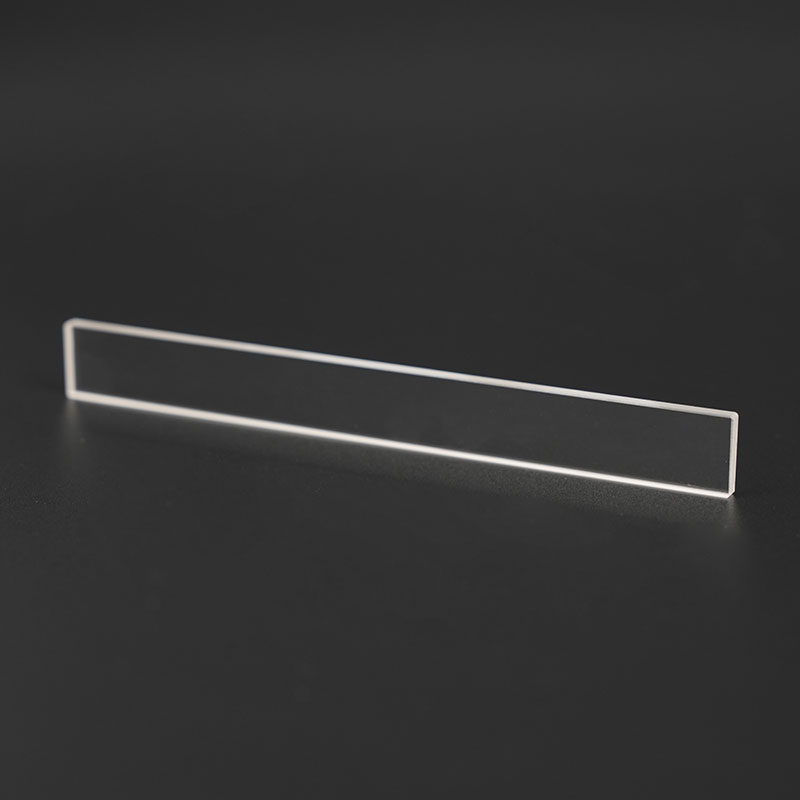
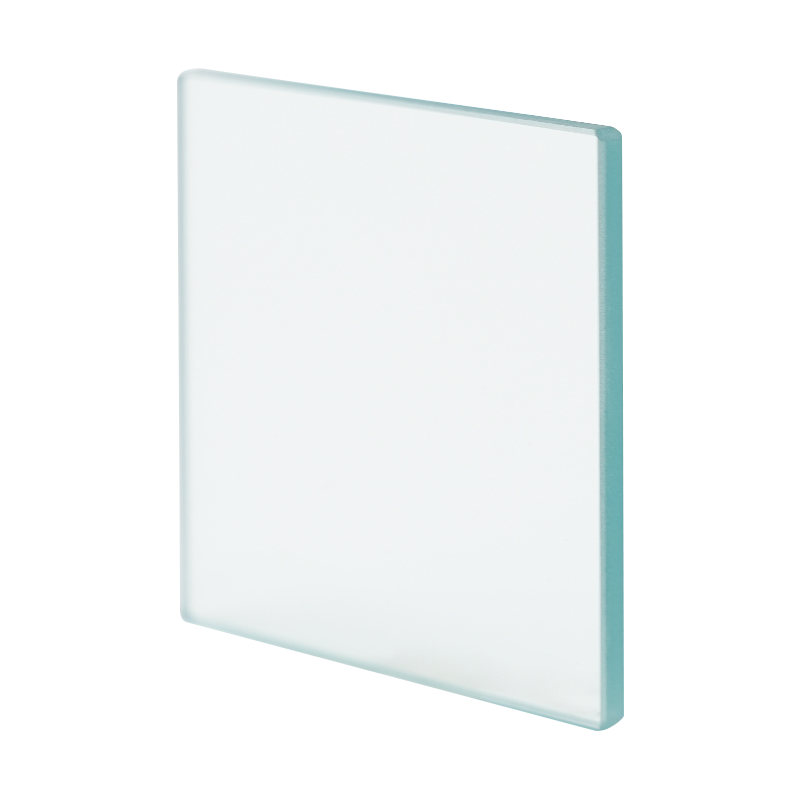
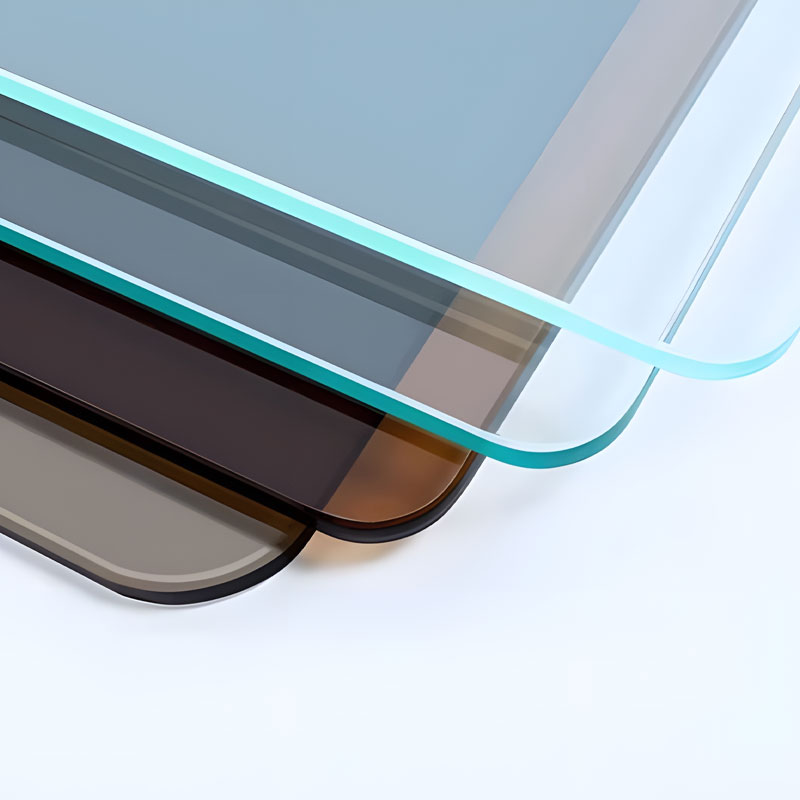
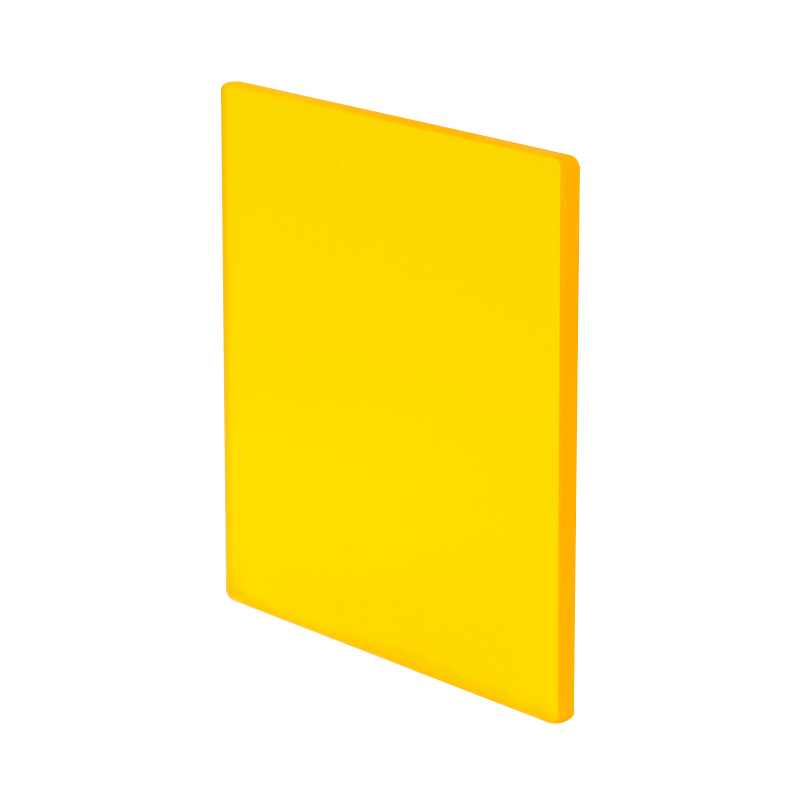
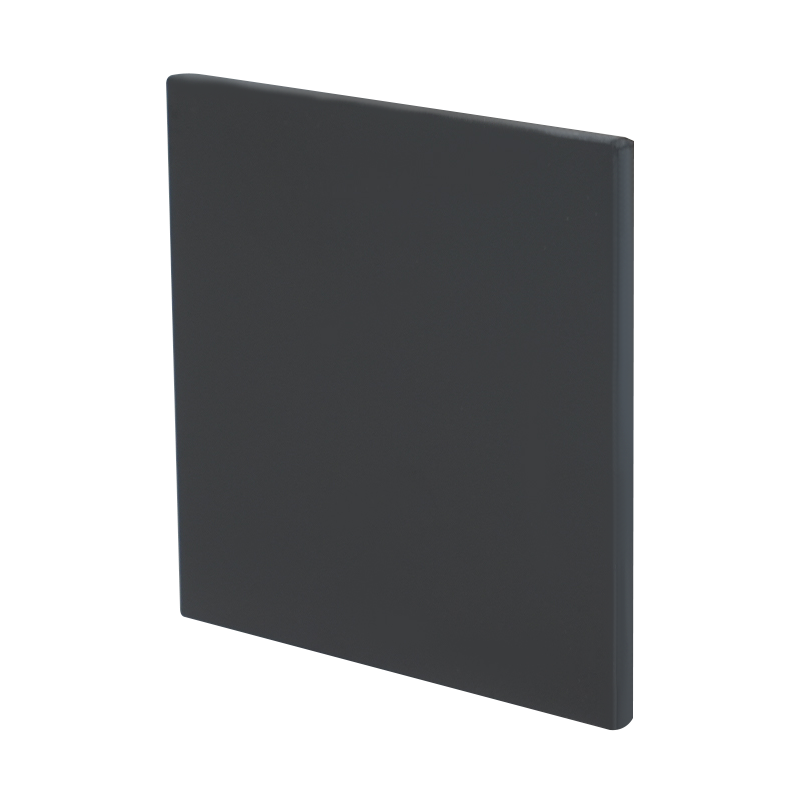
A cut-off glass filter is a special optical filter used in optical systems, widely applied in photography, optical instruments, laser equipment, and other fields. Its main function is to absorb or block light within a specific wavelength range, allowing only certain light waves to pass through, thereby controlling the spectral range, improving image quality, or protecting sensitive components.
Based on its optical properties, a cut-off glass filter can effectively filter out unwanted light, preventing it from interfering with optical sensors or imaging systems. They are typically used in applications requiring strict control of light wavelengths, improving the accuracy and performance of optical systems.
(1) Working Principle of a Cut-off Glass Filter
The working principle of a cut-off glass filter is mainly based on its unique optical materials and design. By utilizing the reflection, absorption, or transmission characteristics of light with different spectra at different wavelengths, a cut-off glass filter can precisely filter out light outside a certain wavelength range. Specifically, there are two common types of cutoff glass filters:
Long-pass filters: These filters allow long-wavelength light (such as red and near-infrared light) to pass through while blocking short-wavelength light (such as ultraviolet and blue light). They are often used in applications requiring the filtering out of short-wavelength light, such as certain photographic and spectral analyses.
Short-pass filters: In contrast to long-pass filters, short-pass filters allow short-wavelength light to pass through while blocking long-wavelength light. They are typically used in applications requiring the blocking of infrared or long-wavelength light, such as some optical microscopes and laser equipment.
In addition, some filters have bandpass or bandstop functions, enabling them to filter out light within specific wavelength ranges.
(2) Applications of Cut-off Glass Filters
Cut-off glass filters are widely used in various optical and electronic fields, primarily including the following:
Photography and Imaging
In photography, especially in long exposures and low-light environments, cut-off glass filters effectively reduce stray light interference, helping photographers achieve more precise exposure and clearer images. For example, some high-end camera lenses use long-wavelength cut-off filters to filter out ultraviolet light, preventing it from affecting image quality and reducing blur and chromatic aberration.
Furthermore, short-wavelength cut-off filters effectively block excessive infrared light, thus avoiding imaging distortion caused by infrared interference. In some specialized photographic applications, such as infrared photography and astrophotography, cut-off glass filters can also effectively filter out the desired light wavelengths.
Spectral Analysis
In spectroscopy, cut-off glass filters are among the most commonly used optical components. They selectively filter light according to different wavelengths, helping scientists and researchers analyze the spectral characteristics of substances. By combining various types of filters, researchers can precisely control the wavelength of light sources and perform high-resolution spectral measurements.
For example, in molecular spectroscopy, long-wavelength cutoff filters can be used to shield unwanted short-wavelength light, ensuring the accuracy of experimental results.
Laser Technology
In laser technology, cutoff glass filters are mainly used for wavelength selection and beam conditioning in laser systems. Laser devices typically emit light of specific wavelengths, and cutoff filters help filter out unwanted wavelengths or spectral components, ensuring high energy concentration and accuracy of the laser beam.
For example, in laser spectroscopy, laser cutting, or laser scanners, cutoff glass filters are often used to filter out stray light, thereby improving the laser beam effect and system efficiency.
Medical and Biological Imaging
Cutoff glass filters also play an important role in the medical field, especially in biological microscopy. In fluorescence microscopy and live-cell imaging, filters help select specific wavelengths of light, ensuring that only the target fluorescence signal is collected, avoiding interference from background light.
By using cutoff glass filters, the spectral range of the imaging can be precisely controlled, improving image contrast and resolution, thus allowing for better observation of cells, tissues, or lesion areas.
(3) How to choose a suitable cutoff glass filter?
The selection of a suitable cutoff glass filter usually depends on the specific requirements of the application. The following factors need to be considered:
Wavelength selection: Choose a suitable cutoff glass filter based on the spectral characteristics of the light source and the target material. For example, infrared imaging requires a long-wavelength cutoff filter, while ultraviolet imaging requires a short-wavelength cutoff filter.
Transmittance: Different cutoff glass filters have different transmittance properties. Choosing a filter with high transmittance maximizes the retention of light in the desired wavelength range while reducing the obstruction of unwanted wavelengths.
Application precision: High-precision optical systems (such as microscopes and telescopes) typically require more precise filters to ensure image clarity and color reproduction.
Material and coating: The material and surface coating of the filter also affect its performance. For example, an anti-reflective coating can reduce interference from reflected light and improve image quality.
(4) Advantages of Cutoff Glass Filters
High-precision spectral selectivity: Cutoff glass filters can precisely select a specific wavelength range, thereby achieving precise control of the spectrum.
Improving Image Quality: By blocking unwanted light waves, cut-off glass filters effectively reduce noise and distortion in imaging, enhancing image clarity and contrast.
Enhancing System Performance: In fields such as laser systems and spectrometers, the use of cut-off glass filters effectively improves the accuracy and stability of the equipment.
As a crucial component of optical systems, cut-off glass filters, with their high-precision wavelength selectivity and spectral control capabilities, are widely used in photography, spectral analysis, laser technology, medical imaging, and many other fields. They not only effectively improve image quality and reduce stray light interference but also enhance the overall performance of the optical system.
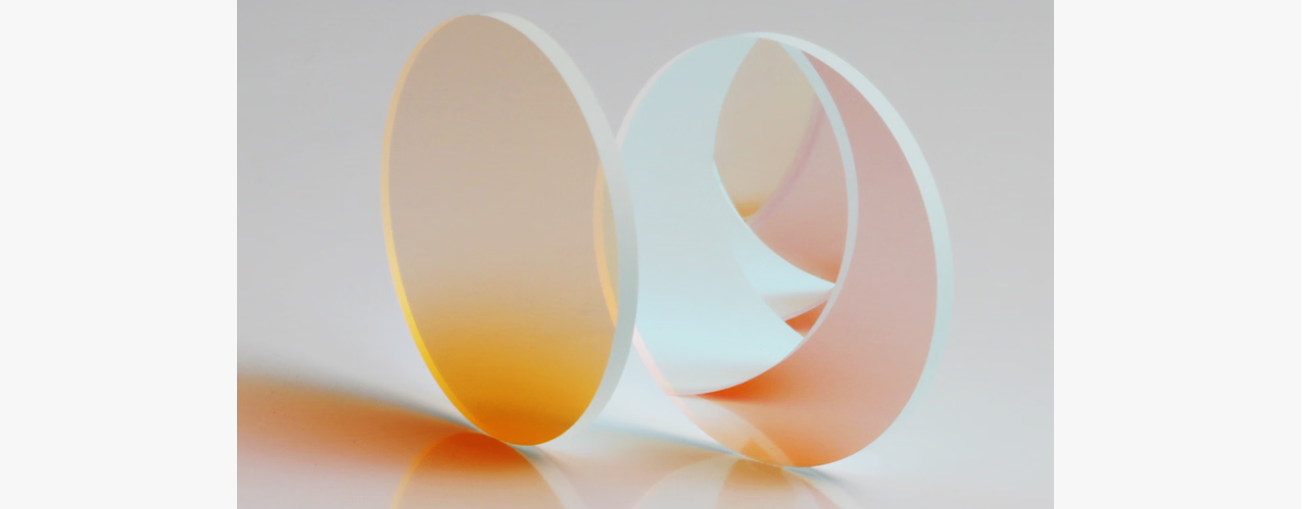
2. Function and Application of Cut-off Glass Filters
A cut-off glass filter is an optical element specifically designed for a specific spectral band, effectively filtering light within a specific wavelength range. These filters are widely used in photography, spectroscopy, laser technology, medical imaging, and other fields. They possess precise spectral selectivity, effectively improving the imaging quality of optical systems, reducing stray light interference, and enhancing the efficiency of optical systems.
Based on their design, cut-off glass filters can be divided into long-pass filters and short-pass filters. The main function of these filters is to help optical equipment achieve optimal performance under specific conditions by limiting light in specific wavelength bands.
(1) Working Principle of Cut-off Glass Filters
The working principle of cut-off glass filters is based on the wavelength selectivity of their optical materials. By controlling the refraction, absorption, and transmission of light, cut-off filters can precisely allow or block certain specific wavelengths of light. For example:
Long-wavelength cutoff filter: Allows light with wavelengths greater than a certain value to pass through, while blocking short-wavelength light. This type of filter is often used in situations where it is necessary to block ultraviolet or blue light.
Short-wavelength cutoff filter: Allows light with wavelengths less than a certain value to pass through, while blocking long-wavelength light. This type of filter is often used to remove infrared or other unwanted long-wavelength light.
(2) Functions of Cutoff Glass Filters
Cutoff glass filters play several important roles in different optical devices, mainly in the following aspects:
Improving Image Quality
In optical systems, especially in fields such as photography, microscopy, and astronomical telescopes, cutoff glass filters can significantly improve image quality. By filtering out unwanted wavelengths and reducing the influence of stray light, optical systems can provide higher contrast, clearer details, and more realistic color reproduction.
For example, in night scene photography, using a suitable cutoff glass filter can avoid interference from ultraviolet and infrared rays, ensuring image clarity and color accuracy.
Protecting Optical Sensors
In some precision optical devices, optical sensors have very strict requirements on wavelength. Excessive ultraviolet or infrared radiation can damage sensors and reduce equipment lifespan. By incorporating cut-off glass filters into optical systems, these harmful rays can be effectively blocked, protecting optical sensors and extending equipment lifespan.
Reducing Chromatic Aberration and Distortion
Chromatic aberration and distortion are common imaging problems in optical systems. Cut-off glass filters effectively reduce chromatic aberration and distortion by precisely controlling the transmission of spectral bands. For example, in some high-precision microscopes, using low-dispersion cut-off glass filters ensures more accurate and clear imaging.
Enhancing Spectral Selectivity
In spectral analysis and laboratory applications, cut-off glass filters selectively filter light within specific wavelength ranges, helping researchers accurately analyze the spectral characteristics of samples. For example, in laser spectroscopy, using cut-off glass filters blocks stray light, thereby improving measurement accuracy.
(3) Applications of cut-off glass filters
Cut-off glass filters are widely used in many fields. Some important applications include:
Photography and Video Shooting
In photography and video shooting, cut-off glass filters are often used to reduce unwanted light and enhance image quality, especially in strong or low light environments. By blocking ultraviolet, blue, and infrared light, photographers can obtain clearer, more realistic images.
For example, many professional camera lenses use long-wavelength cut-off filters to block ultraviolet light, ensuring sharper images free from stray light interference. In landscape and astrophotography, using appropriate cut-off filters can avoid the influence of ultraviolet and infrared light, resulting in higher quality photos.
Spectral Analysis
Spectral analysis is an effective means of studying the composition and properties of substances. In spectroscopy, cut-off glass filters are used to selectively filter light within a spectral range, helping scientists accurately measure the wavelength of light sources. For example, in laser spectroscopy, using optical systems with cut-off glass filters can reduce stray light interference and improve the accuracy of spectral analysis. Medical Imaging and Microscopy
In medical imaging, especially fluorescence microscopy, the role of cutoff glass filters is indispensable. Fluorescence microscopy acquires imaging data by exciting fluorescent samples and observing their emitted light. Using cutoff glass filters can effectively filter out excitation light and other unwanted light waves, retaining only the target fluorescence signal, thereby improving image quality and contrast.
Laser Technology
In laser technology, cutoff glass filters are widely used in laser systems for wavelength selection, beam shaping, and protection of laser equipment. For example, in laser spectroscopy experiments, using a suitable cutoff filter can precisely control the laser wavelength, thereby ensuring the accuracy and stability of the experiment.
Astronomical Telescopes
Astronomical telescopes often use cutoff glass filters to block the scattering of light and unwanted spectral components by the Earth's atmosphere. Long-wavelength cutoff filters can block ultraviolet light and some blue light, improving the quality of astronomical images and reducing blurring and light pollution caused by atmospheric interference.
(4) How to Choose a Suitable Cutoff Glass Filter?
When choosing a suitable cutoff glass filter, several key factors need to be considered, including spectral range, application scenario, filter type, and transmittance. Here are some selection guidelines:
| Factor |
Description |
| Wavelength Range |
Choose the appropriate wavelength range based on application needs, ensuring the desired wavelengths pass through. |
| Transmission Rate |
Select filters with high transmission rates to allow more light to pass through and avoid impacting image quality. |
| Application Type |
Different applications require different types of filters to ensure the spectral selectivity meets the demands. |
| Material & Coatings |
Different materials and coatings can affect the filter's durability, reflectivity, and transmission efficiency. |
| Filter Shape & Size |
Select the appropriate filter size and shape based on the optical system's structure, ensuring easy installation. |
3. How to choose a suitable cut-off glass filter?
A cut-off glass filter is a precision optical element widely used in various fields, such as photography, spectroscopy, laser technology, and medical imaging. Its main function is to selectively block or allow light within a specific wavelength range, optimizing the performance of the optical system, improving image quality, or enhancing measurement accuracy. Choosing a suitable cut-off glass filter is crucial for optimizing the optical system; an incorrect choice may lead to poor imaging, inaccurate spectral analysis, or even damage to optical equipment.
This article will guide you through understanding how to choose a suitable cut-off glass filter based on specific application requirements.
(1) Understanding the types of cut-off glass filters
Cut-off glass filters can be divided into two categories based on the wavelength of light they allow to pass through:
Long-pass filter: This type of filter allows long-wavelength light (such as red light, near-infrared light, etc.) to pass through while blocking short-wavelength light (such as ultraviolet light, blue light, etc.). It is commonly used in applications requiring the isolation of ultraviolet or blue light.
Short-pass filter: This type of filter allows short-wavelength light (such as ultraviolet and blue light) to pass through while blocking long-wavelength light (such as red and infrared light). It is typically used to remove interference from infrared or other long-wavelength light.
The type of cut-off glass filter you choose depends on your application requirements, such as whether you need to block infrared or ultraviolet light, or whether you need to selectively allow specific wavelengths of light to pass through.
(2) Wavelength Range Selection
Wavelength range is one of the most important factors when selecting a cut-off glass filter. Different applications have different requirements for light wavelengths, so selecting the appropriate wavelength range is crucial. By accurately selecting the wavelength range of the filter, you can ensure that the required light wavelengths can pass through while unnecessary wavelengths are effectively blocked.
Spectral Analysis: In spectroscopic applications, selecting the correct wavelength range helps researchers accurately obtain the spectral information of samples and avoid the influence of stray light. For example, when conducting laser spectroscopy experiments, it is necessary to select a suitable cut-off glass filter to filter out unwanted light bands and ensure the accuracy of experimental results. Photography and Video Shooting: In photography, especially in long exposures or low-light environments, choosing a filter with an appropriate wavelength range helps improve image quality. For example, a long-wavelength cutoff filter can filter ultraviolet light, reducing interference from UV light on the camera sensor and ensuring image clarity.
(3) Selection of Transmittance
Transmittance refers to the proportion of light allowed to pass through the filter. Choosing the appropriate transmittance is crucial for ensuring the performance of the optical system. If the transmittance of the filter is too low, it may lead to insufficient brightness in the imaging or measurement results, affecting image quality and the overall performance of the system.
High Transmittance: Choosing a cutoff glass filter with high transmittance allows more light to pass through, avoiding brightness loss due to the filter's blocking effect. Especially when shooting in low-light environments, a high-transmittance filter helps the camera obtain more light, ensuring moderate image brightness.
High-Quality Coating: Transmittance is not only related to the filter material but also to its surface coating. A high-quality coating can reduce light reflection and improve transmittance. Therefore, selecting a cutoff glass filter with an anti-reflective coating is more beneficial for improving the transmission efficiency of the optical system.
(4) Application Scenarios and Requirements
Different application scenarios have different requirements for filters. Therefore, when selecting a cut-off glass filter, it is essential to clearly define the application field and understand the filter's impact on image quality and system performance.
Photography and Microscopy
For photography and microscopy, especially in high-precision image acquisition and analysis, selecting a suitable cut-off glass filter can reduce interference from chromatic aberration and stray light. Long-wavelength cut-off filters are often used in optical systems to remove ultraviolet light, avoiding its influence on imaging and ensuring clear and accurate images.
Laser Spectroscopy and Spectral Analysis
In laser spectroscopy and spectral analysis, using a cut-off glass filter helps ensure the stability of the laser source and avoids unwanted stray light bands affecting experimental results. Selecting a suitable cut-off glass filter based on the required spectral range can effectively improve the accuracy and reliability of spectral analysis.
Medical Imaging
In medical imaging, especially fluorescence microscopy or CT scans, cut-off glass filters can improve image contrast and resolution by selectively filtering out unwanted light. It ensures that only specific wavelengths of light (such as the wavelength of target fluorescence) are collected, allowing for better observation of cell or tissue details.
Astronomical Telescopes
In astronomical telescopes, cutoff glass filters are commonly used to filter out atmospheric interference, ensuring clearer images of observed celestial objects. Long-wavelength cutoff filters block ultraviolet light or other unwanted spectral components, reducing atmospheric scattering and improving observational accuracy.
Materials and Coatings
The materials and coatings of cutoff glass filters directly affect their optical performance, durability, and reflectivity. Different filter materials and coating schemes are suitable for different optical needs. For example:
Optical Glass: High-quality optical glass is commonly used to make cutoff glass filters. It has good transparency and durability, ensuring long-term use without degradation.
Coating Design: Modern cutoff glass filters typically have multi-layered coatings to reduce reflection and increase transmittance. These coatings can be customized to different application requirements, such as anti-reflective coatings and anti-reflective films.
Filter Shape and Size
The shape and size of the filter need to match the design of the optical system. The size and shape of filters used in different optical systems may vary. Common shapes include circles and rectangles, and their dimensions are typically determined by the lens diameter or sensor size of the optical system.
Choosing the appropriate cutoff glass filter is crucial for optimizing the performance of an optical system. You need to consider several factors, such as wavelength range, transmittance, application scenario, materials, and coatings, to ensure that the filter meets the requirements of your specific application.
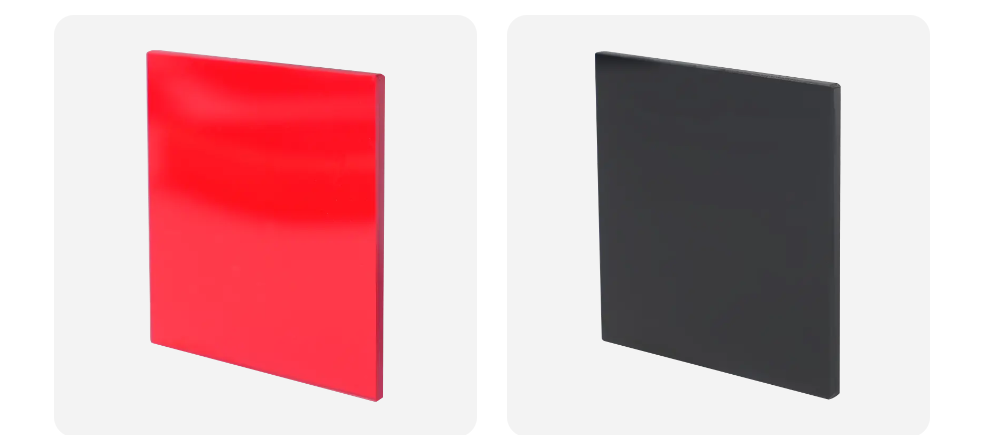
4. Importance and Usage Techniques of Optical Filters
A cut-off glass filter is a specially designed optical filter used to optimize the effect of an optical system by selectively blocking or allowing light of specific wavelengths, thereby adjusting the spectral range. These filters play an important role in many optical applications, such as photography, microscopy, laser technology, and scientific experiments. They help control image quality, improve spectral selectivity, and even protect sensitive optical components and sensors. A correct understanding of the function of cut-off glass filters and mastering their usage techniques can improve the performance and application effects of optical systems.
(1) Basic Principles and Functions of Cut-off Glass Filters
The core function of a cut-off glass filter is to selectively allow light of specific wavelengths to pass through by blocking unwanted light bands. These filters can be divided into two categories:
Long-pass filter: This type of filter blocks short-wavelength light (such as ultraviolet light, blue light, etc.) and allows long-wavelength light (such as red light and near-infrared light) to pass through. They are commonly used in applications requiring protection from ultraviolet (UV) light, reducing image distortion or color inaccuracies caused by UV exposure.
Short-pass filters: In contrast to long-pass filters, short-pass filters allow short-wavelength light to pass through while blocking long-wavelength light. These filters are often used to remove infrared or other unwanted long-wavelength light, helping to improve the accuracy of imaging systems and avoid the impact of infrared light on image quality.
Regardless of the type of cut-off glass filter, their basic function is to optimize image quality, reduce chromatic aberration, and enhance the optical performance of the system by controlling spectral transmission.
(2) Importance of cut-off glass filters in optical systems
Cut-off glass filters play an indispensable role in modern optical systems. They not only improve image quality but also enhance the efficiency of optical systems in multiple fields. Here are some of their main functions:
Optimizing image quality
In optical imaging, ultraviolet and infrared radiation often adversely affect image quality. Ultraviolet light can cause image distortion or color deviation, while infrared light affects image sharpness. Using cut-off glass filters effectively blocks these unwanted light bands, thereby improving image sharpness, contrast, and color reproduction.
Improving spectral selectivity
In spectroscopic experiments, the wavelength range of the light source usually needs to be precisely controlled. Using cut-off glass filters ensures that only light of the target wavelength passes through, avoiding interference from other wavelengths and ensuring the accuracy of experimental results. For example, in laser spectroscopy and astronomical observations, the selective wavelength range of the cut-off filter is crucial for improving the accuracy of spectral analysis.
Protecting Optical Sensors
Some optical devices, especially high-sensitivity optical sensors such as camera sensors and laser detectors, are susceptible to damage from ultraviolet and infrared radiation. These wavelengths of light can affect the sensor's lifespan and even degrade image quality. Using cut-off glass filters can effectively block these harmful rays, thereby extending the lifespan of optical devices.
Reducing the Influence of Stray Light
Optical devices often face interference from stray light, especially in low-light environments. By selecting appropriate cut-off glass filters, the influence of these interfering light sources can be effectively reduced, improving the performance of the optical system and ensuring the accuracy of imaging and measurement results.
(3) Common Applications of Cut-off Glass Filters
Cut-off glass filters have a wide range of applications in various fields. They not only play a crucial role in photography and scientific experiments but are also widely used in laser equipment, medical imaging, and astronomical observation.
| Application Field |
Function and Role |
| Photography and Imaging |
Blocks ultraviolet and infrared light, improves image quality, ensures color accuracy, and reduces image blur and distortion. |
| Spectral Analysis |
Selectively transmits the required wavelengths, helps improve spectral analysis accuracy, and avoids stray light interference, especially in laser spectroscopy and chemical analysis. |
| Laser Technology |
Enhances the purity of laser beams, removes unwanted wavelengths, and ensures the precision and effectiveness of laser beams, especially important in laser measurement and laser scanners. |
| Medical Imaging |
Reduces background light interference, improves the clarity of medical imaging systems, and is widely used in high-resolution imaging techniques such as fluorescence microscopy. |
| Astronomical Observation |
In telescopes, long-pass cutoff filters are used to remove atmospheric interference and ultraviolet light, enhancing the clarity of celestial body images and improving observation precision. |
(4) How to use a cut-off glass filter correctly?
While the selection and use of cut-off glass filters are very important, proper operating techniques are equally crucial. Here are some tips for using cut-off glass filters:
Choosing the appropriate wavelength range
Choosing the appropriate wavelength range is the first step in using a cut-off glass filter. In photography and imaging applications, ensure the filter's wavelength range covers the spectrum required for the shooting scene. In scientific experiments, select the appropriate filter based on the specific needs of the experiment to optimize data acquisition accuracy.
Regular cleaning and maintenance of the filter
Dust and dirt easily accumulate on the surface of optical filters, which can affect their transmittance and optical performance. Regularly cleaning the filter surface using specialized cleaning tools (such as air blowers and lens cleaning cloths) can ensure the filter maintains optimal performance over the long term.
Avoiding excessive light
In environments with high-intensity light sources, excessive light can damage the filter or cause degradation of the optical coating on the filter surface. Exposure of filters to excessively strong light sources should be avoided, especially in environments with ultraviolet light and powerful laser sources.
Check Optical System Compatibility
When selecting filters, ensure they are compatible with your optical system (such as lenses, sensors, laser sources, etc.). Check the filter's size, shape, and material to ensure it works with existing equipment. Furthermore, ensure the filter's transmittance matches the requirements of your optical system.
Cut-off glass filters play a crucial role in optimizing optical system performance. They improve image quality, enhance spectral selectivity, and protect optical equipment by selectively blocking unwanted wavelengths of light. Understanding the working principles, applications, and usage techniques of cut-off glass filters can help users better utilize these filters and improve the efficiency and effectiveness of their optical equipment.
Whether in photography, scientific research, medical imaging, or laser technology, cut-off glass filters are key components for improving system performance. By selecting, using, and maintaining these filters appropriately, you can ensure your optical system always operates at its best, meeting various professional needs.
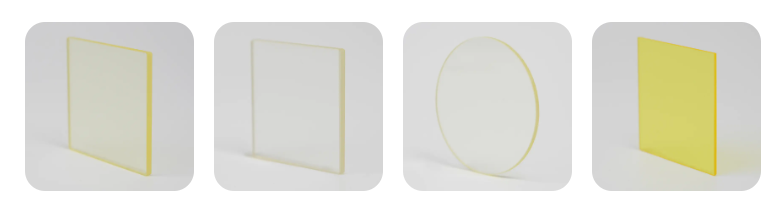
5. Frequently Asked Questions about Cut-off Glass Filters
Cut-off glass filters are important optical components commonly used in optical equipment. They selectively filter or transmit light of specific wavelengths to help optimize image quality, improve experimental accuracy, or protect optical equipment. Although cut-off glass filters are widely used in photography, scientific experiments, laser technology, medical imaging, and many other fields, many users still have many questions when selecting and using them. This article will answer some common questions to help you better understand and use cut-off glass filters.
Q1. What is a cut-off glass filter?
A cut-off glass filter is an optical filter that can selectively allow or block light of a specific wavelength range. Its basic function is to adjust the wavelength of light passing through according to application requirements to optimize the performance of the optical system. Based on the wavelength selection, cut-off glass filters can be divided into two categories:
Long-Pass Filter: This type of filter blocks short-wavelength light (such as ultraviolet light, blue light, etc.) and only allows long-wavelength light (such as red light, near-infrared light) to pass through. Commonly used to filter ultraviolet or blue light, protecting sensors or improving image quality.
Short-pass filter: This type of filter allows short-wavelength light to pass through while blocking long-wavelength light. It is often used to remove infrared light to prevent its influence on optical imaging systems.
Q2. What are the uses of cut-off glass filters?
Cut-off glass filters have various uses in optical systems, mainly including: Optimizing image quality: In imaging devices such as photography, microscopes, and cameras, cut-off glass filters improve image sharpness and color reproduction by blocking unwanted wavelengths of light (such as ultraviolet or infrared light).
Enhancing spectral analysis accuracy: In spectroscopy and laser measurements, cut-off glass filters effectively filter out stray light, ensuring that only specific wavelengths of light pass through during experiments, thereby improving the accuracy of spectral analysis.
Protecting optical sensors: Some high-precision optical sensors (such as camera sensors and laser detectors) are very sensitive to ultraviolet or infrared light. Using cut-off glass filters can effectively block these harmful rays, protecting the sensor from damage.
Reducing Stray Light Interference: In low-light environments or for precision experiments, cut-off glass filters can reduce the impact of stray light, improving image quality or measurement accuracy.
Q3. How to Choose a Suitable Cut-off Glass Filter?
Choosing a suitable cut-off glass filter requires considering the following key factors:
Wavelength Range: First, determine the wavelengths that need to be blocked or allowed to pass. For example, ultraviolet (UV) light or infrared (IR) light may interfere with imaging or experiments, requiring the selection of appropriate long-wavelength or short-wavelength cut-off filters.
Transmittance: Transmittance determines the proportion of light passing through the filter. Choosing a filter with high transmittance ensures more light passes through, avoiding interference from the filter that could affect image brightness or experimental accuracy.
Materials and Coatings: Filters made of different materials and with different coatings have different properties. For example, anti-reflective coatings reduce light reflection and increase transmittance. Choosing a suitable coating can improve the filter's performance and enhance its durability.
Application Scenarios: Different application requirements determine the choice of filter. For example, medical imaging and scientific research experiments require high-precision spectral selectivity, while photography prioritizes image sharpness and color reproduction.
Q4. What is the difference between a cut-off glass filter and a regular glass filter?
Compared to regular glass filters, cut-off glass filters offer more precise spectral selectivity. Regular glass filters are primarily used for simple light transmission needs and lack the ability to filter specific wavelengths. Cut-off glass filters, however, can precisely select the wavelength to be transmitted according to application requirements, and are typically used in applications demanding high-precision optical performance, such as high-resolution imaging, spectral analysis, and laser technology.
| Characteristic |
Cutoff Glass Filter |
Ordinary Glass Filter |
| Wavelength Selectivity |
Precise control, passes specific wavelengths of light |
No wavelength selectivity, typically used for general transmission |
| Application Scenarios |
High-precision optical systems, research, medical imaging, etc. |
Everyday products, building glass, etc. |
| Optical Performance |
High transmittance, reduces color distortion and stray light interference |
Lower transmittance, cannot precisely control wavelength |
Q5. Does a cut-off glass filter affect image quality?
A cut-off glass filter has a significant impact on image quality. By filtering out unwanted wavelengths, especially ultraviolet and infrared light, it improves image sharpness, contrast, and color reproduction. In photography, long-wavelength cut-off filters remove ultraviolet interference, resulting in more realistic colors; in microscopy, they reduce stray light interference, improving image detail and sharpness.
However, it's worth noting that the filter's transmittance also affects image brightness. Filters with low transmittance may darken the image. Therefore, choosing a filter with appropriate transmittance is crucial, especially when shooting in low-light environments.
Q6. Does a cut-off glass filter affect the accuracy of spectral analysis?
Correctly selecting a cut-off glass filter can significantly improve the accuracy of spectral analysis. Especially in laser spectroscopy and chemical analysis, the filter can filter out unwanted wavelengths, reduce the influence of stray light, resulting in purer spectral signals and more accurate experimental results. For example, in Raman spectroscopy, selecting a suitable cutoff filter can effectively block stray light emitted from the laser source, allowing for the acquisition of high-quality spectra by precisely transmitting light at the target wavelength.
Q7. How to clean and maintain a cutoff glass filter?
Optical filters require regular cleaning and maintenance to maintain their good performance. Here are some cleaning and maintenance tips:
Use specialized cleaning tools: Use specialized tools such as a lint-free lens cloth, air blower, or optical cleaning brush to clean the filter surface. Avoid using ordinary cloths or paper towels, as these materials may scratch the filter surface.
Avoid direct contact with the surface: When cleaning, try to avoid touching the filter surface with your fingers to prevent leaving fingerprints or oil stains that may affect performance.
Storage environment: The filter should be stored in a dry, dust-free environment, avoiding contact with chemicals or strong light sources to extend its lifespan.
Regular inspection: After long-term use, check the filter for scratches or coating wear. If problems are found, it is recommended to replace the filter.
Q8. How to choose the filter size and shape?
When selecting a cutoff glass filter, size and shape are also important considerations. The filter size needs to match the lens or sensor of the optical system. For example, in microscopes or cameras, the filter is usually selected based on the diameter of the lens. Common shapes include circular, rectangular, and square; the interface and mounting method of the optical equipment should be considered when making the selection.




 English
 Español