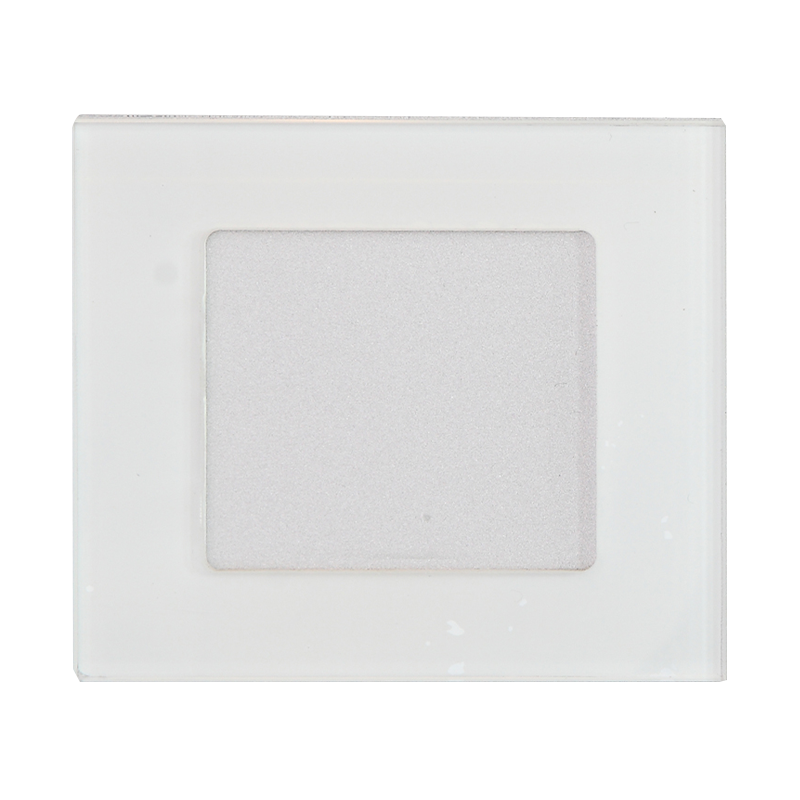
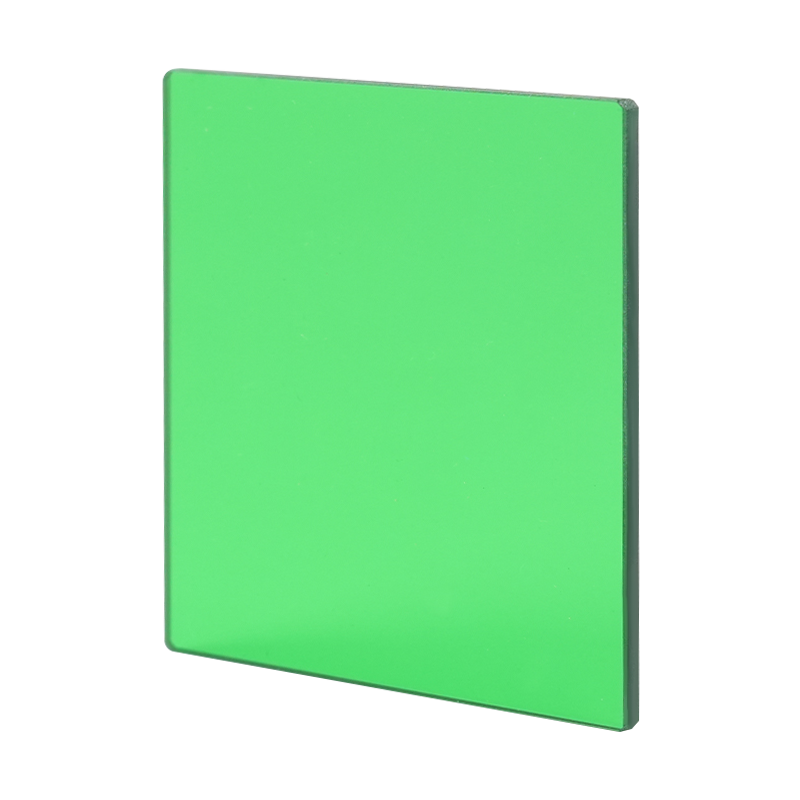
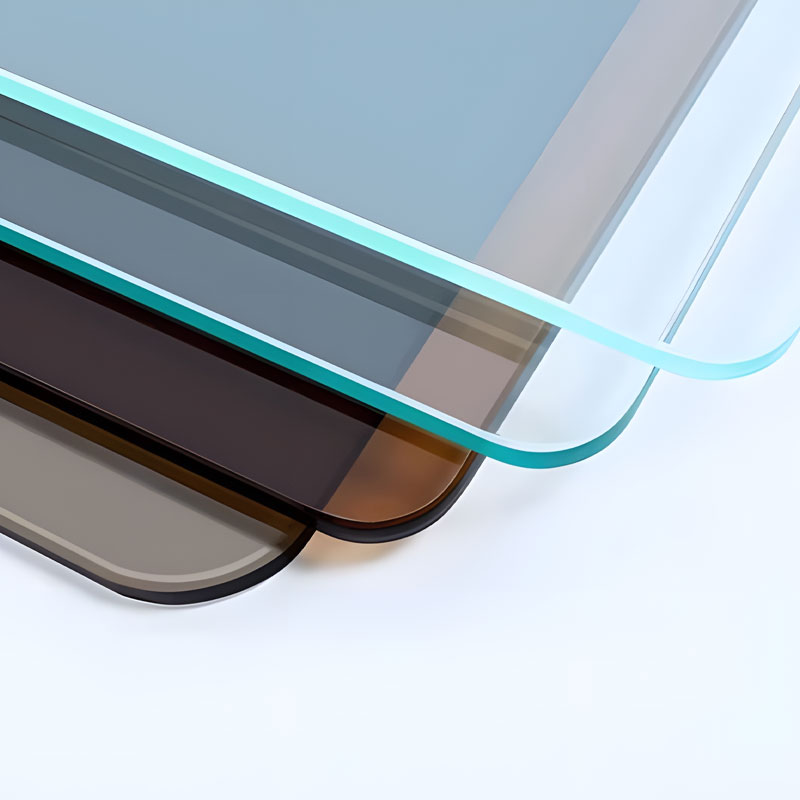
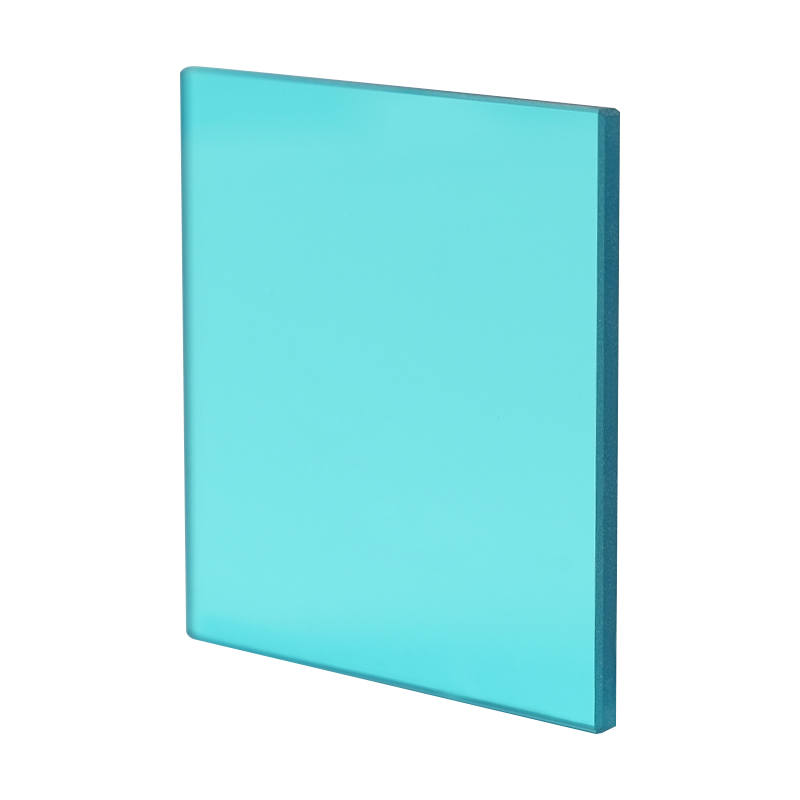
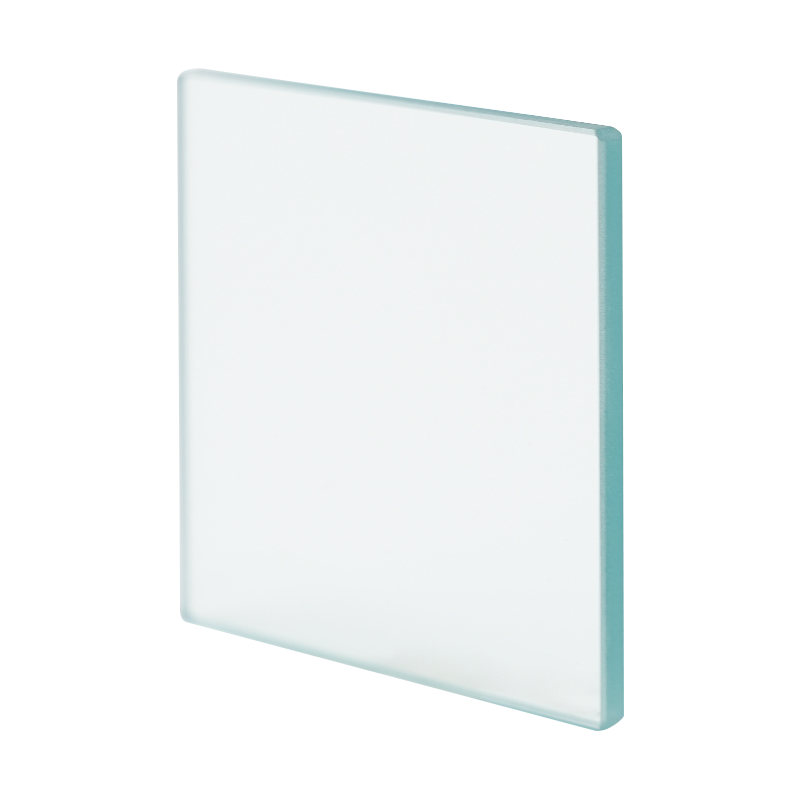
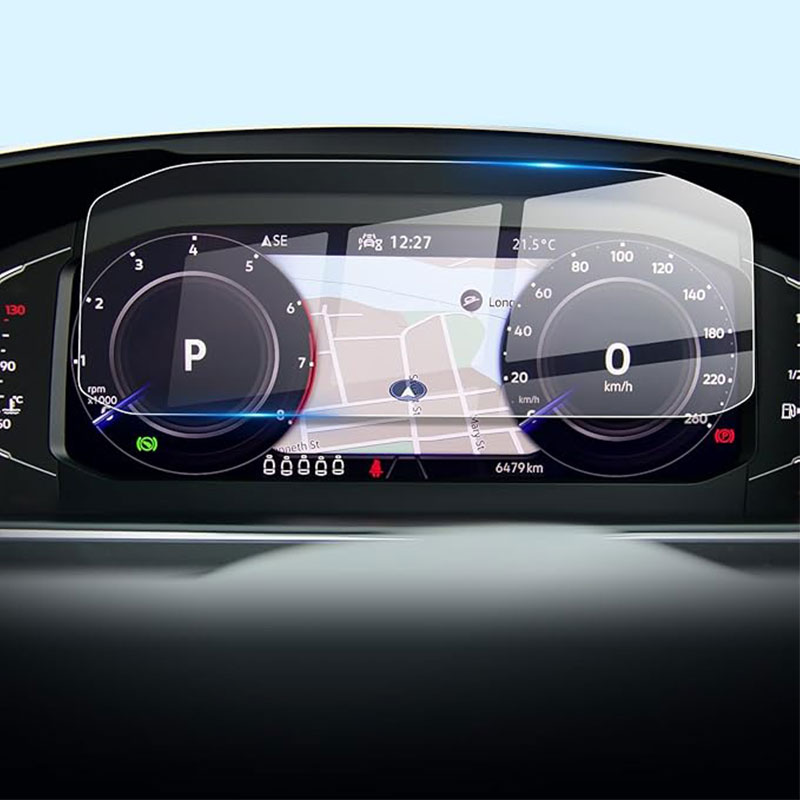
Optical glass is a type of glass material with special optical properties, primarily used in optical instruments and equipment. It features high light transmittance, precise refractive index, and low dispersion. It is widely used in eyeglasses, microscopes, camera lenses, telescopes, laser equipment, and other fields. Compared to ordinary glass, optical glass has a more complex chemical composition and manufacturing process to ensure it meets the requirements of high-precision optical systems.
(1) Definition and Characteristics of Optical Glass
Optical glass is a highly transparent glass material with uniform physical properties, designed to transmit, refract, or reflect light. Its basic characteristics include:
High Light Transmittance: Optical glass has extremely high light transmittance, typically exceeding 90%, effectively transmitting light.
Precise Refractive Index: The refractive index of optical glass can be precisely controlled, a crucial characteristic in the design of optical components.
Low Dispersion: Dispersion is a key performance characteristic of optical glass. Low dispersion means that when light passes through the glass, colors are less dispersed, helping to reduce color differences in images and providing clearer, more realistic images.
High Uniformity: The chemical composition and structure of optical glass must be highly uniform; any slight non-uniformity can affect the performance of optical equipment.
(2) Types of Optical Glass
Optical glass comes in many types and can be classified according to different properties and uses. Common classification methods include the following:
Classification by Refractive Index
The refractive index of optical glass is a key parameter determining the degree of light refraction. Common refractive indices are:
Low-refractive-index optical glass: This type of glass has a low refractive index and is often used in optical components that do not require strong refraction, such as ordinary eyeglasses and microscope objectives.
High-refractive-index optical glass: This type of glass has a high refractive index and is suitable for some high-precision optical systems, such as high-end camera lenses and telescopes.
Classification by Dispersion
Based on the dispersion properties of optical glass, it can be classified as:
Low-dispersion optical glass: This type of glass can effectively reduce the dispersion of light of different wavelengths and is widely used to eliminate chromatic aberration and improve image quality.
High-dispersion optical glass: This type of glass has strong dispersion and is suitable for certain special applications, such as spectral analysis and color separation.
Classification by Chemical Composition
The chemical composition of optical glass directly affects its performance. Common types include:
Ordinary optical glass: such as BK7 glass. This type of glass has high transparency and moderate cost, making it a standard choice for many optical systems.
High-lead optical glass: Lead has a high refractive index and optical properties, and is commonly used in precision optical lenses and prisms.
Rare-earth optical glass: By adding rare-earth elements (such as erbium and ytterbium), certain properties of optical glass can be improved, and it is widely used in high-end equipment such as laser systems and fiber optic communications.
(3) Manufacturing Process of Optical Glass
The production process of optical glass is very complex, requiring strict control and meticulous processing steps to ensure its excellent optical properties. Generally, the manufacturing of optical glass includes the following main steps:
Raw Material Preparation and Melting
The raw materials for optical glass are usually a mixture of very pure chemical substances (such as silicon dioxide, lead, barium, aluminum, etc.). These raw materials are melted at high temperatures, typically exceeding 1500°C, to remove impurities and bubbles, resulting in a final product with uniform optical properties.
Forming and Cooling
The molten glass is poured into molds of specific shapes and manufactured into the desired optical glass form using precision forming technology. After forming, the optical glass undergoes a slow cooling process to prevent internal stress caused by temperature differences.
Annealing and Fine Processing
After cooling, the optical glass undergoes annealing to eliminate internal stress and maintain its stability. Subsequently, the optical glass undergoes fine processing steps such as grinding and polishing to achieve the desired optical shape and surface finish.
Inspection and Quality Control
Optical glass undergoes rigorous inspection and testing to ensure its optical properties, such as transmittance, refractive index, and dispersion, meet requirements. Even minor defects can degrade the performance of optical equipment, making quality control crucial.
(4) Application Areas of Optical Glass
Due to its superior optical properties, optical glass is widely used in various fields. Here are some of its main applications:
Photography and Imaging Equipment
In photography and imaging equipment, optical glass is commonly used to manufacture camera lenses, video camera lenses, telescopes, microscopes, etc. Its high transparency and precise refractive properties provide clear and realistic images.
Medical Equipment
Optical glass is widely used in medical equipment, such as endoscopes and microscopes, for magnifying and observing fine structures or tissues. Its high transmittance and stability ensure the accuracy and reliability of medical equipment.
Laser Technology
In laser equipment, optical glass is used to manufacture laser lenses, focusing lenses, and laser protective glasses. Due to its high refractive index and low dispersion characteristics, optical glass can improve the accuracy and energy transfer efficiency of laser beams.
Aerospace
In the aerospace field, optical glass is widely used in high-tech equipment such as satellite imaging, space telescopes, and navigation systems. The high precision and stability of optical glass make it an ideal material for these devices.
Safety and Protection
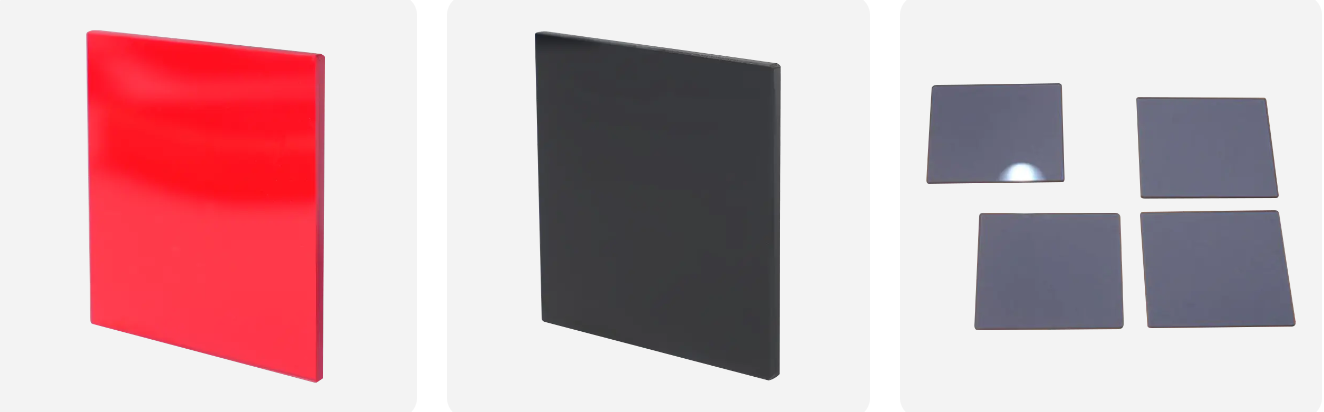
Optical glass is also widely used in the manufacture of protective eyewear, safety goggles, bulletproof glass, etc. Due to its high strength and transparency, optical glass can effectively protect users from external harm.
(5) Future Trends of Optical Glass
With the continuous advancement of technology, the research and development and production of optical glass are constantly innovating. In the future, optical glass may develop in the following directions:
Application of New Materials: With the continuous development of materials science, new optical glass materials may emerge, such as higher-performance organic glass and photonic crystal glass.
Higher Precision Manufacturing Processes: With the improvement of manufacturing technology, the production process of optical glass will become more automated and precise, further improving production efficiency and quality.
Research and Development of Smart Optical Glass: Smart optical glass can automatically adjust its optical properties according to changes in the environment, with very broad application prospects, especially in smart devices and high-end optical systems. Optical glass is a crucial component of modern optical technology, playing a key role in numerous fields due to its superior optical properties. From photographic equipment to medical instruments, from laser technology to aerospace, optical glass provides irreplaceable support.
2. What are the differences between optical glass and ordinary glass?
Glass is a common material found everywhere in daily life. Ordinary glass, which we are familiar with, is commonly used in everyday items such as windows, tabletops, and cups. Optical glass, on the other hand, is widely used in high-precision optical instruments and equipment, such as microscopes, camera lenses, telescopes, and laser devices. Although both are glass, there are significant differences between them, especially in their optical performance and application areas.
(1) Compositional Differences Between Optical and Ordinary Glass
One of the biggest differences between ordinary and optical glass is their chemical composition. Ordinary glass is typically composed of common raw materials such as silica sand (SiO₂), sodium (Na₂O), and calcium (CaO), while optical glass requires the addition of more special elements and metal oxides (such as lead, barium, and aluminum), which help improve optical performance.
The chemical composition of optical glass is precisely formulated to meet specific optical requirements, such as high light transmittance, low dispersion, and precise refractive index. By adding specific components, optical glass can provide better optical effects.
(2) Refractive Index and Transparency
The refractive index is a key parameter that measures the change in light as it propagates through glass, determining the path of light. Refraction occurs when light enters a medium with different refractive indices. Optical glass generally has a higher refractive index and is more controllable, ensuring accurate imaging in optical devices.
Ordinary glass has a lower refractive index and is typically used for simple light transmission needs, such as window glass and cups, which do not require precise refraction control. Therefore, the refractive index accuracy of optical glass is much higher than that of ordinary glass.
In terms of transparency, optical glass is more transparent than ordinary glass. Optical glass has lower light absorption and higher transmittance (usually above 90%), making it suitable for precise optical measurements and imaging. While ordinary glass also has high transmittance, its transparency and dispersion are far inferior to those of optical glass.
(3) Differences in Dispersion Performance
Dispersion refers to the different degrees of refraction of light of different wavelengths (colors) when it passes through glass, resulting in color difference. A key characteristic of optical glass is its low dispersion, meaning it disperses light in fewer different colors, thus reducing chromatic aberration and distortion during imaging.
Ordinary glass, on the other hand, has higher dispersion, especially under thicker glass or strong light, resulting in noticeable chromatic aberration and affecting image quality. This is why optical glass is indispensable in high-precision optical equipment.
(4) Differences in Applications Between Optical Glass and Ordinary Glass
The application areas of optical glass and ordinary glass differ significantly, mainly in their optical properties and usage scenarios.
Applications of Optical Glass: Optical glass is used in various devices requiring high optical performance. Common applications include:
Camera Lenses: Camera lenses require precise refractive index and low dispersion to ensure clear images and minimal chromatic aberration.
Microscopes: Microscopes require glass with high transparency and low dispersion to magnify small objects and provide clear images.
Telescopes: The optical components in telescopes require highly precise optical glass to ensure high-quality imaging during long-distance observation.
Laser Equipment: Laser lenses and focusing lenses require optical glass to precisely control the transmission of the light beam.
Applications of Ordinary Glass: The applications of ordinary glass are generally simpler, mainly used for basic transparency needs in daily life, such as:
Windows: Ordinary glass is widely used in building windows to provide natural light transmission.
Tableware: Such as glass cups, bowls, and plates, ordinary glass has good transparency and versatility. Automotive Glass: While windshields and windows of vehicles require a certain level of strength, their optical performance requirements are relatively low.
(5) Differences in Manufacturing Processes Between Optical Glass and Ordinary Glass
The main differences in manufacturing processes between optical glass and ordinary glass are reflected in the following aspects:
Material Selection: The raw materials for optical glass must be extremely pure, and specific metal oxides and rare elements need to be added to ensure its special optical properties. Ordinary glass only requires simple basic raw materials.
Production Precision: The production process of optical glass requires extremely high precision; any slight inhomogeneity can affect the imaging effect. Therefore, the production of optical glass requires very strict quality control and process management. The production of ordinary glass is relatively simple and does not require such high precision.
Post-Processing: After manufacturing, optical glass requires precise grinding and polishing to ensure its surface is smooth and free of any defects. Ordinary glass usually does not have such complex processing steps.
Comparison Table of Optical Glass and Ordinary Glass:
| Characteristic |
Optical Glass |
Ordinary Glass |
| Chemical Composition |
High-purity materials, with special elements (such as lead, barium, aluminum, etc.) |
Common materials like silica sand, sodium, calcium, etc. |
| Refractive Index |
High and precisely controlled |
Relatively low, with a wide variation range |
| Transparency |
High light transmission, typically over 90% |
High transparency but slightly lower than optical glass |
| Dispersion |
Low dispersion, reduces color fringing, suitable for high-precision imaging |
High dispersion, may cause noticeable chromatic aberration |
| Application Areas |
High-precision optical equipment (camera lenses, microscopes, telescopes, laser devices, etc.) |
Everyday items (windows, tableware, car glass, etc.) |
| Manufacturing Process |
Requires precise formulation, strict production accuracy, fine processing and inspection |
Relatively simple process, mainly for transparency needs |
3. How Does Optical Glass Affect Our Daily Life?
Optical glass, as a material with special optical properties, is widely used in various aspects of modern technology and daily life. Although it seems to play an important role only in high-precision optical equipment, its influence extends far beyond that. It is not only present in professional equipment such as microscopes and camera lenses, but also profoundly affects many common items and activities in our daily lives.
(1) Photography and Imaging Equipment
Today, almost everyone comes into contact with camera lenses or smartphone lenses. These lenses use optical glass. The high transparency and precise refractive power of optical glass enable camera lenses to capture clear and detailed images. Whether it's a mobile phone camera, a digital SLR camera, or high-end film shooting equipment, optical glass ensures image quality, reduces chromatic aberration and distortion, thus providing more realistic colors and clarity.
Optical glass allows us to take higher-quality photos and videos, recording every precious moment in life. For example, when we take photos with our mobile phones, optical glass lenses help us obtain clear image details, and in low-light environments, the lens performance can also maximize the shooting effect.
(2) Medical and Health
Optical glass plays a crucial role in the medical field. Many modern medical devices, such as microscopes, endoscopes, and ophthalmic equipment, rely on optical glass to help doctors make accurate diagnoses and treatments. Optical glass in microscopes can magnify cells, tissues, and pathogens, helping doctors observe human health at a microscopic level. Endoscopes, through optical glass lenses, help doctors examine the body, such as diagnosing areas like the gastrointestinal tract and respiratory tract.
Optical glass also plays a key role in ophthalmic treatment, especially in the correction of refractive errors. Eyeglass lenses are typically made of optical glass or optical resin. They can improve vision and enhance patients' quality of life by controlling the refractive index and increasing light transmittance. With technological advancements, more and more high-refractive-index optical glass is being used in high-end eyeglass lenses, reducing the weight of glasses while providing a better visual experience.
(3) Augmented Reality (AR) and Virtual Reality (VR)
Optical glass also plays an important role in augmented reality (AR) and virtual reality (VR) devices. The optical glass used in AR glasses and VR headsets helps users obtain an immersive visual experience. For example, optical glass lenses in AR glasses can combine virtual images with the real world to create augmented reality effects. Optical glass in VR devices, through a precise optical system, presents images of the virtual world to the user, achieving an immersive experience.
With the popularization of AR and VR technologies, the role of optical glass has become increasingly important. It not only enhances the realism of virtual experiences but also blurs the lines between virtual and reality.
(4) Navigation and Transportation
Optical glass is now used in the automotive, autonomous driving, and aerospace industries to help improve navigation accuracy and safety. Windshields and windows in cars typically use specially processed optical glass to enhance the driver's field of vision and reduce ultraviolet and infrared radiation. In high-end cars, some windows also use optical glass to improve sound quality.
Autonomous vehicles rely on lidar, cameras, and sensors for precise navigation. The optical components in these devices are usually made of optical glass, helping the car "see" its surroundings and make correct decisions. In the aerospace industry, optical glass is used to manufacture telescopes, navigation systems, etc., ensuring precise flight control and positioning.
(5) Safety and Protection
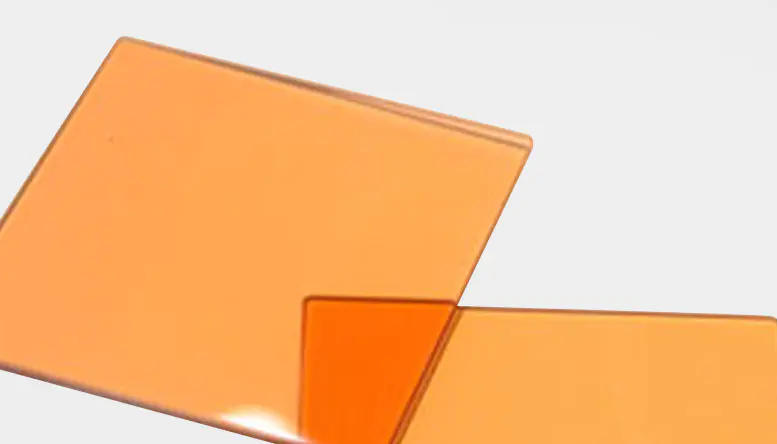
Optical glass is also widely used in the field of protection, especially in the manufacture of bulletproof glass and safety goggles. Bulletproof glass is usually made of multi-layered optical glass or high-strength polymer lamination, which can effectively withstand ballistic impacts and protect the safety of car owners or buildings. Protective glasses, laser goggles, and protective screens can prevent damage to the eyes from high-energy rays such as ultraviolet rays, blue light, and lasers. These protective tools mostly use high-strength optical glass to ensure good protection.
In the construction industry, optical glass is also often used to manufacture explosion-proof glass. This glass has extremely strong impact resistance, ensuring not only safety but also providing clear visual effects.
(6) Smart Devices and Homes
Smart devices, especially smartphones, tablets, and smart glasses, widely use optical glass for screen protection and enhanced display effects. The optical glass on mobile phone screens and display panels not only provides high light transmittance but also effectively reduces screen reflections and improves screen visibility. Especially in strong light environments, optical glass can effectively reduce glare, allowing users to clearly see the screen content under various lighting conditions.
In home life, optical glass is increasingly being used in windows and walls, especially in high-end residences where special glass windows ensure good light transmission while blocking ultraviolet rays, protecting furniture and human health.
From imaging equipment to medical diagnostics, from security systems to smart homes, the applications of optical glass are ubiquitous. With continuous technological advancements, optical glass technology will continue to innovate, further improving our quality of life and bringing more convenience and safety.
4. Can Optical Glass Improve Your Camera's Shooting Results?
The application of optical glass in camera lenses directly affects the quality of shooting results. The quality and performance of a camera lens largely depend on the type and performance of the optical glass used. By precisely controlling the refraction, dispersion, and transparency of light, optical glass can significantly improve the sharpness, color accuracy, and overall image quality of images. Therefore, choosing the right optical glass can enhance shooting results, especially in professional photography and high-end equipment.
(1) How Does Optical Glass Improve Image Sharpness?
Image sharpness is one of the most important factors in photographic quality. Optical glass in camera lenses plays a decisive role; it refracts and focuses light, allowing it to be precisely focused on the imaging sensor, thus producing a sharp image.
Low Dispersion Optical Glass: Dispersion refers to the different degrees of refraction that occurs when light of different wavelengths passes through an optical medium, resulting in chromatic aberration and image blur. The low dispersion characteristics of optical glass can effectively reduce this chromatic aberration, making the image sharper and the edges more defined. This is especially important when shooting scenes with high detail, such as landscape and portrait photography.
Precise Refractive Index Control: Optical glass can precisely control the refractive index of light, ensuring that all light enters the lens along a predetermined path and focuses on the camera sensor. This means that even in low-light or high-contrast environments, the captured image remains clear, without blurring or distortion.
(2) How does optical glass improve color reproduction and color accuracy?
Color reproduction is a crucial aspect of camera imaging, and the low dispersion and high transparency of optical glass can greatly improve color accuracy. Ordinary glass has high dispersion, easily causing color difference during imaging, leading to image distortion or color deviation. In contrast, optical glass, through its low dispersion characteristics, ensures that light of different wavelengths (i.e., different colors of light) passes through the lens in parallel, avoiding color confusion or shift.
Color Reproduction: Optical glass can reduce color difference, making the colors of the image closer to the true hue. Especially when shooting landscapes, portraits, and other scenes requiring accurate color representation, optical glass can maintain true color reproduction, making the visual effect of the image more natural and vivid.
Anti-purple fringing: The low dispersion of optical glass can effectively reduce purple fringing (i.e., purple halos at high-contrast edges). Purple fringing is usually caused by lens dispersion, which causes unnatural color shifts in high-contrast areas of the image, affecting image quality. High-quality optical glass can eliminate or greatly reduce this phenomenon.
(3) How does optical glass improve performance in low-light environments?
In low-light environments, the quality of the image is usually affected by the lens's imaging quality. Optical glass, through its high transparency, can reduce light scattering and absorption, ensuring that more light can enter the lens and be accurately transmitted to the sensor.
High light transmittance: The high light transmittance of optical glass allows the lens to capture more details in low-light conditions, reducing noise caused by insufficient light. Especially in night scenes, indoor or low-light environments, using high-transmittance optical glass can help the camera capture more light, thereby improving the shooting effect.
Low reflectivity: The special coating and low reflectivity of optical glass can reduce the interference of light reflected from the lens surface, ensuring that more light enters the camera sensor. This means that image sharpness and brightness are significantly improved when shooting in low-light conditions.
(4) How does optical glass improve image sharpness and contrast?
Image sharpness and contrast are important factors affecting photographic results, and optical glass can effectively improve these two aspects. Optical glass in the lens reduces blur, out-of-focus, and halos in the image through precise light refraction control, thereby improving image sharpness and contrast.
Improved Sharpness: Optical glass, through its precise refractive index and low dispersion, ensures that every detail of the image is clearly presented. Especially when shooting fine textures or small objects, optical glass ensures that image details are clearer and that there is no blurring or out-of-focus.
Enhanced Contrast: The low reflectivity and high transmittance of optical glass enhance image contrast. Especially when shooting high-contrast scenes, optical glass ensures that details in shadow areas are not lost, while highlighting the brightness of highlights, thus presenting a richer and more three-dimensional image effect.
(5) How does optical glass affect the camera's focal length and zoom performance?
Optical glass also plays a crucial role in the focal length and zoom systems of cameras. Through a combination of precise optical glass lenses and components, cameras can maintain image clarity and sharpness at different focal lengths and magnifications.
Precise Focusing: High-quality optical glass ensures that the lens can accurately focus on the desired target when adjusting the focal length. Especially when using zoom lenses, optical glass maintains image clarity during focal length changes, avoiding image blurring or distortion during zooming.
Optimized Zoom Effect: The application of optical glass in zoom lenses reduces distortion and chromatic aberration during zooming, providing a more stable and sharper image. When you adjust the focal length, the color and clarity of the image are almost unaffected, ensuring consistent imaging results at each focal length setting.
(6) The Role of Optical Glass in Preventing Lens Distortion
Lens distortion is a common problem during shooting, especially when using wide-angle lenses. Distortion causes stretching or bending at the edges of the image, affecting the realism of the image. Optical glass, through its superior refractive properties and precise design, can reduce lens distortion and ensure that the edges of the image are not significantly distorted.
5. Frequently Asked Questions (FAQ) about Optical Glass
Optical glass plays a vital role in modern technology, widely used in various optical instruments such as camera lenses, microscopes, telescopes, and laser equipment. To help you better understand the basics of optical glass, here are some answers to frequently asked questions.
Q1. What is optical glass?
Optical glass is a transparent material with special optical properties, designed to manufacture optical components such as lenses, prisms, and mirrors. It possesses excellent transparency, a precise refractive index, and low dispersion, effectively transmitting light and controlling its propagation direction. Optical glass is commonly used in precision optical instruments to ensure high-quality imaging and optical effects.
Q2. What is the difference between optical glass and ordinary glass?
The main difference between optical glass and ordinary glass lies in their optical properties. Optical glass has higher transparency, a more precise refractive index, and lower dispersion, enabling it to produce accurate optical effects in complex optical systems. Ordinary glass is mainly used for everyday applications; although it also has high transparency, its optical properties are relatively general and it is generally not suitable for optical equipment requiring high precision.
Q3. What are the main uses of optical glass?
Optical glass is widely used in various optical devices, including but not limited to the following areas:
Camera lenses: Used to control the refraction and focusing of light, ensuring clear and accurate imaging.
Microscopes: Used to magnify microscopic objects, helping to observe tiny structures such as cells and bacteria.
Telescopes: Help magnify images of distant celestial bodies, widely used in astronomy.
Laser equipment: In laser systems, optical glass is used for guiding, focusing, and emitting laser beams.
Eyeglass lenses: Optical glass is used to correct vision and improve visual effects.
Q4. How is optical glass manufactured?
The manufacturing process of optical glass is quite complex and requires high-precision control. It generally includes the following steps:
Raw material preparation and melting: High-purity raw materials (such as silicon, sodium, lead, barium, etc.) are melted at high temperatures.
Shaping: The molten glass is shaped into the desired glass shape using molds.
Annealing: The glass is slowly cooled in an annealing furnace to eliminate internal stress and ensure its stability.
Fine finishing: The glass surface is further processed through grinding, polishing, and other techniques to ensure optical flatness.
Inspection and testing: Finally, rigorous inspection and testing ensure that the transparency, refractive index, and dispersion of the optical glass meet standards.
Q5. What are the differences in optical properties between optical glass and ordinary glass?
The optical properties of optical glass are far superior to those of ordinary glass. The main differences include:
Light transmittance: The light transmittance of optical glass is typically higher than 90%, while the light transmittance of ordinary glass is lower.
Refractive Index: The refractive index of optical glass can be precisely controlled, making it suitable for various optical devices, while ordinary glass has a lower refractive index and greater fluctuations.
Dispersion: Optical glass has low dispersion, reducing chromatic aberration and resulting in clearer images. Ordinary glass has higher dispersion, easily causing chromatic aberration.
Q6. Why is low dispersion necessary for optical glass?
Dispersion refers to the varying degrees of refraction that occurs when light of different wavelengths passes through optical materials, causing a shift in the color of light. Low-dispersion optical glass reduces this phenomenon, resulting in clearer, aberration-free images. Especially in high-resolution imaging and high-precision optical systems, low dispersion is a key factor in ensuring image quality.
Q7. How to choose the right optical glass?
Choosing the right optical glass depends primarily on the requirements of the optical equipment. The following factors need to be considered:
Refractive Index: Different applications have different refractive index requirements; when selecting materials, high- or low-refractive-index glass should be chosen based on the specific needs.
Dispersion: For devices requiring clear imaging, such as camera lenses and microscopes, low-dispersion optical glass is essential.
Transparency: Transparency determines the light transmittance of optical equipment; high transmittance helps improve image quality.
Cost: Different types of optical glass differ in performance and cost. Choose the most suitable type based on your budget and application requirements.
Q8. What are the types of optical glass?
Optical glass can be classified according to different properties. Common types include:
Low-refractive-index optical glass: With a low refractive index, suitable for general optical components such as eyeglass lenses and spectacle lenses.
High-refractive-index optical glass: With a high refractive index, suitable for camera lenses and high-end optical equipment.
Low-dispersion optical glass: Suitable for equipment requiring reduced chromatic aberration, such as microscopes and telescopes.
High-dispersion optical glass: Suitable for special applications requiring spectral analysis and spectroscopic techniques.
Lead optical glass: Suitable for optical equipment requiring high refractive index and high density, such as high-end lenses and prisms.
Rare-earth optical glass: Contains rare-earth elements and is commonly used in laser equipment and fiber optic communications.
Q9. How is the quality of optical glass evaluated?
The quality assessment of optical glass mainly focuses on the following aspects:
Transparency: Transparency is measured by light transmittance; higher transmittance indicates better quality.
Refractive Index: Refractive index testing ensures that its optical performance meets standards.
Dispersion: The dispersion of the glass is tested; low dispersion helps reduce chromatic aberration and improve image quality.
Surface Quality: Visual inspection and precision instrument testing ensure the surface of the optical glass is smooth and flawless, avoiding any impact on imaging.
Q10. What are the future development trends of optical glass?
With the continuous development of technology, the technology of optical glass is also constantly advancing. Future optical glass will develop in the following directions:
Higher Performance Requirements: As optical equipment becomes increasingly sophisticated, the performance requirements for optical glass are also increasing, including lower dispersion, higher refractive index, and higher transparency.
Intelligent Optical Glass: Intelligent optical glass can adjust its transmittance or refractive index according to environmental changes and is widely used in smart devices and augmented reality/virtual reality (AR/VR) systems.
Application of novel materials: Novel materials, such as photonic crystals and nano-optical glass, may be widely used in future optical technologies, further improving the performance of optical equipment.




 English
 Español