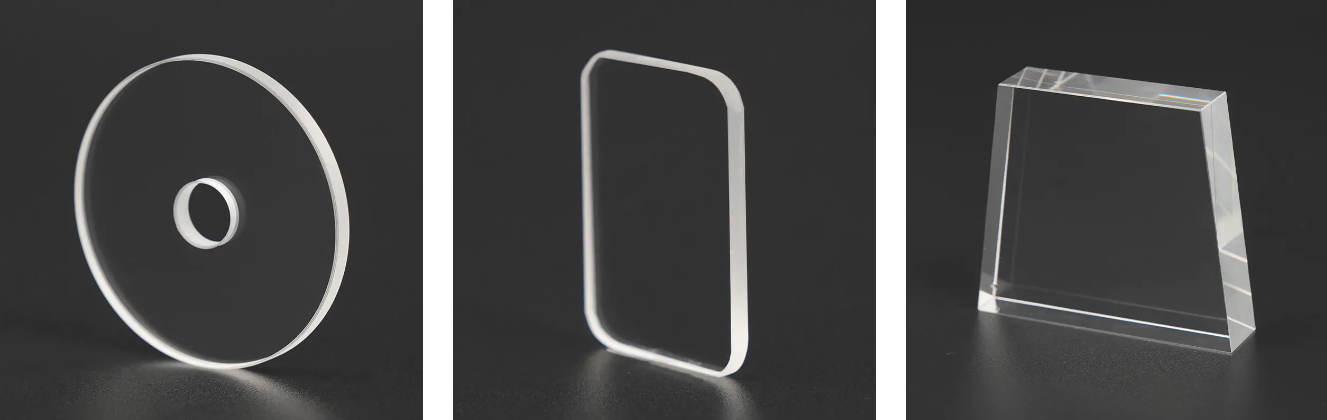
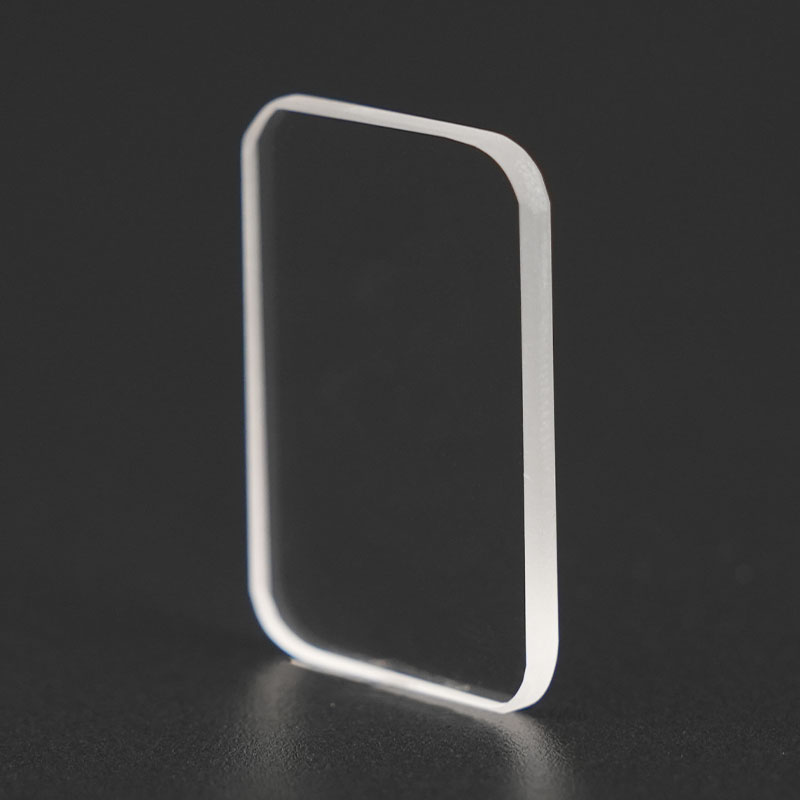
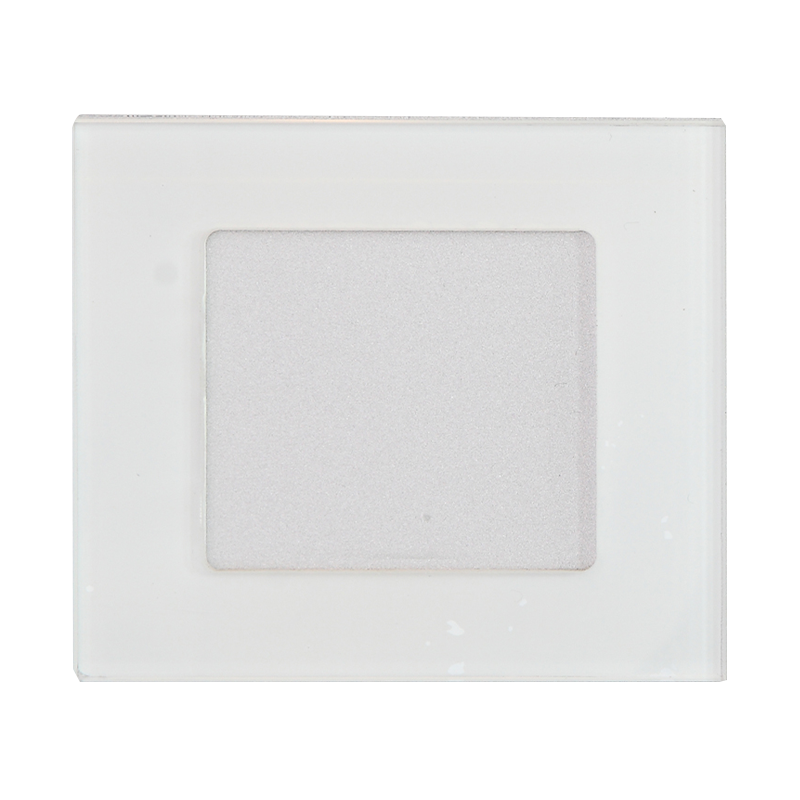
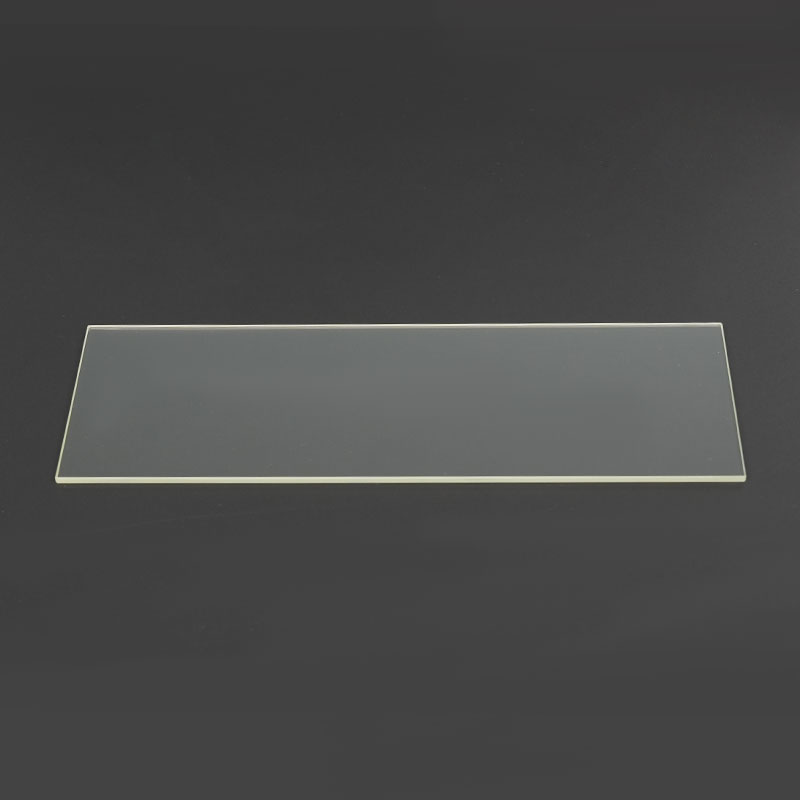
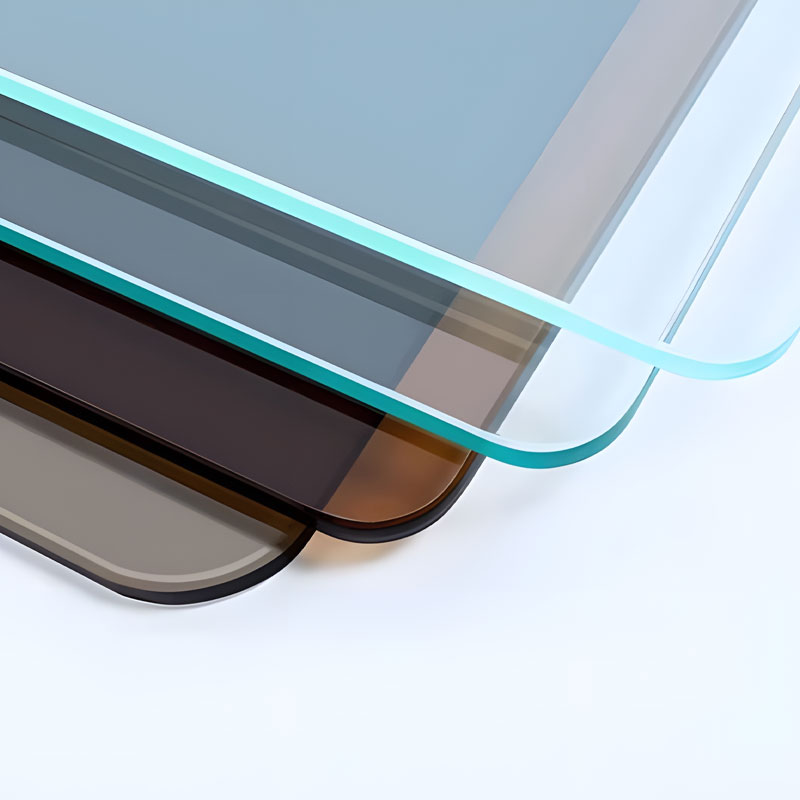
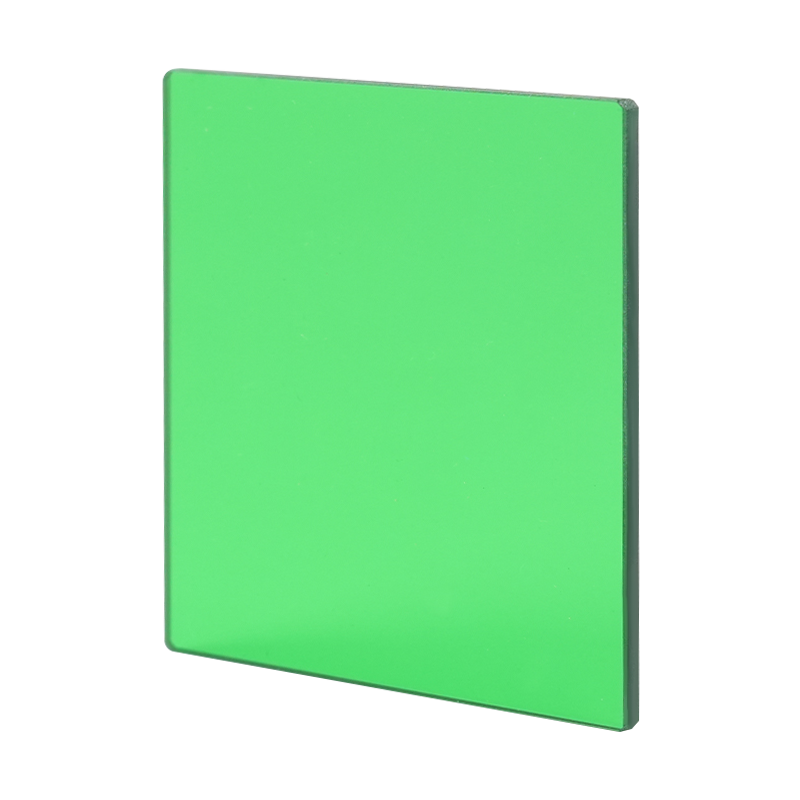
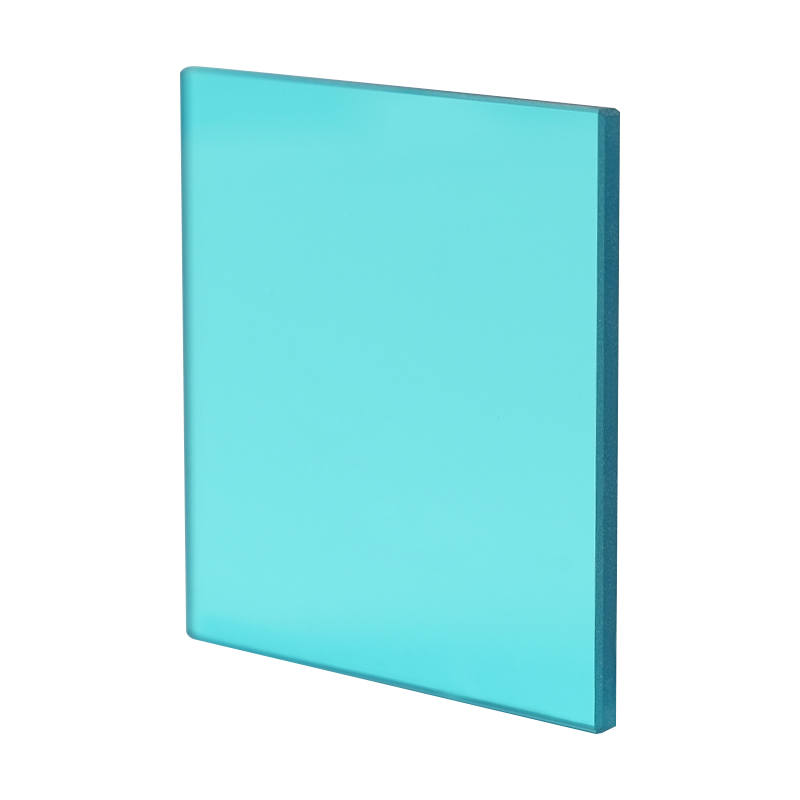
Colorless optical glass is used across a remarkably wide range of industries — from precision scientific instruments and medical imaging systems to consumer cameras, defense optics, and architectural glazing. Its defining characteristic is exceptionally high transmittance of visible light with virtually no selective absorption or coloration, making it the foundational material wherever light must be guided, focused, split, or filtered with maximum fidelity. Unlike standard window glass, colorless optical glass is engineered to exact refractive index specifications, ultra-low internal bubble content, and surface flatness tolerances measured in nanometers.
The term covers a family of precisely formulated glass types — including optical crown glass, borosilicate variants, and high-purity quartz glass — each optimized for specific wavelength ranges, environmental conditions, and mechanical requirements. Understanding which type suits which application is essential for engineers, procurement specialists, and system designers working with optical assemblies.
What Makes Colorless Optical Glass Different from Ordinary Glass
The distinction between industrial float glass and precision optical glass is not merely a matter of clarity — it reflects fundamentally different manufacturing philosophies, raw material purity standards, and post-production testing protocols. High transmittance optical glass achieves visible light transmission rates of 92% or higher per surface, while standard float glass typically transmits only 80–87% due to iron oxide content and surface imperfections.
The key differentiating properties of precision optical glass include:
Refractive index homogeneity: Variation across a single blank held to ±1×10⁻⁵ or better in high-grade material
Bubble and inclusion class: Counted and categorized per ISO 10110 standards; Grade 0 permits essentially zero visible inclusions
Striae grade: Measurement of glass homogeneity striations that would distort wavefronts; optical-grade glass targets Class A (no detectable striae)
Stress birefringence: Residual stress from manufacturing is annealed below 10 nm/cm to prevent polarization artifacts
Surface quality: Scratch-dig specifications expressed as 10-5 or 20-10 per MIL-PRF-13830B for precision surfaces
Transmittance values measured per 10mm thickness at 550nm wavelength; coating-free uncoated surfaces
The chart above illustrates the significant transmittance gap between precision optical glass grades and standard architectural glass. Even a 10–15% improvement in transmittance translates directly to measurable gains in image contrast, sensor signal-to-noise ratio, and system efficiency — explaining why precision optical glass commands higher material specifications in any photon-critical application. In multi-element optical systems, the cumulative effect of per-surface transmittance losses across five or ten lens elements makes this difference operationally critical.
Primary Applications of Colorless Optical Glass by Industry
Precision optical glass serves as the fundamental material in virtually every system that requires controlled light manipulation. Its applications span industries from healthcare to aerospace, and the specific glass type used in each context is chosen to match the unique wavelength, environmental, and mechanical demands of that application.
Medical and Scientific Instrumentation
In medical imaging — including microscopy, endoscopy, ophthalmology equipment, and flow cytometry — colorless optical glass must deliver consistent optical performance under sterilization conditions, thermal cycling, and exposure to cleaning agents. D263T colorless optical glass, a thin borosilicate glass produced to tight thickness tolerances, is widely used as a microscope slide cover glass and as a window material in microfluidic diagnostic devices. Its low autofluorescence is essential for fluorescence microscopy applications where background light would otherwise obscure the signal being measured.
Biochemical analyzers rely on optical cells made from high transmittance optical glass to measure the absorbance of samples across UV-visible wavelength ranges. A single absorbance measurement error of 0.005 AU in a clinical chemistry analyzer can translate to a diagnostic error — meaning the material's transmittance consistency and freedom from internal defects is directly linked to patient safety outcomes.
Photography, Cinema, and Consumer Optics
Camera lenses, telescope objectives, binocular prism systems, and projector optics are among the highest-volume applications for transparent optical lens glass. K9 (BK7) colorless optical glass — a borosilicate crown glass with a refractive index of 1.5168 and Abbe number of 64.17 — is perhaps the single most widely used optical glass in the world, appearing in everything from smartphone lens modules to research-grade microscope objectives and laser beam expanders.
Prism colorless optical glass components are critical in binoculars, rangefinders, and spectrometers, where Porro or roof prism configurations fold the optical path while maintaining full image quality. The material must exhibit extremely low striae content — any inhomogeneity in the glass will create wavefront distortion visible as reduced image sharpness at high magnification.
Defense, Aerospace, and Surveillance Optics
Military and aerospace optical systems impose the most demanding specifications on colorless optical glass — requiring performance across extreme temperature ranges (−60°C to +120°C), resistance to humidity, sand, and fungal attack, and dimensional stability under vibration and shock loads. Thermal imaging systems, laser rangefinders, night-vision devices, and missile guidance seeker windows all employ specialized optical glass meeting MIL-SPEC standards. Colorless quartz optical glass is particularly favored in UV-transmitting military applications due to its negligible thermal expansion and radiation hardness.
Semiconductor Photolithography and Electronics
Photomask substrates, wafer inspection optics, and UV exposure systems in semiconductor fabrication require precision optical glass with exceptional UV transmittance and near-zero coefficient of thermal expansion (CTE). At the 193nm ArF excimer laser wavelength used in deep-UV lithography, only synthetic fused silica — the highest purity form of colorless quartz optical glass — provides adequate transmittance and radiation resistance. Even minor CTE non-uniformity across a reticle blank would shift feature positions during thermal cycling, causing linewidth control failures at the sub-nanometer scale.
Industry Demand Distribution for Colorless Optical Glass
The global demand for precision optical glass is distributed unevenly across industries, with consumer electronics and imaging representing the largest volume segment and defense/aerospace representing the highest value-per-kilogram segment. Understanding this distribution helps manufacturers and buyers anticipate specification requirements and supply chain priorities.
Colorless Optical Glass Demand Share by End-Use Industry (%)
Global colorless optical glass demand distribution by end-use industry; based on industry market research data (2023–2024)
Consumer electronics — including smartphone cameras, AR/VR headset optics, and laptop webcam modules — accounts for nearly 38% of global colorless optical glass demand by volume, driven by the relentless miniaturization of high-performance imaging systems. The medical and scientific sector follows at 22%, reflecting steady growth in diagnostics, genomics instrumentation, and point-of-care testing devices. The defense and semiconductor segments, though smaller in volume terms, represent disproportionately high engineering specifications and quality requirements, often involving customized glass compositions not available through standard catalog offerings.
Types of Colorless Optical Glass and Their Specific Use Cases
Not all colorless optical glass is interchangeable. Each formulation carries a unique combination of refractive index, dispersion, thermal properties, chemical durability, and workability that makes it suited to specific applications. Below is a comparative overview of the primary types:
Selecting the correct type is not merely a performance decision but also an economic one. Colorless quartz optical glass offers unmatched UV performance and thermal stability but is significantly more difficult to machine than K9 glass, requiring diamond tooling and extended polishing cycles. For visible-light applications where UV performance is not required, K9 or B270 glass typically delivers equivalent optical quality at lower fabrication cost and faster lead time.
Optical Crown Glass and Its Role in Lens Design
Optical crown glass — defined by its combination of relatively low refractive index (nd < 1.60) and low dispersion (Abbe number > 55) — is the backbone of achromatic doublet lens design. When paired with flint glass (higher index, higher dispersion) in a cemented doublet configuration, crown glass corrects chromatic aberration — the tendency of simple lenses to focus different wavelengths of light at different points, causing color fringing in images.
The achromatic doublet principle, first demonstrated in the 18th century, remains in active use today in everything from rifle scopes and camera telephoto lenses to astronomical refractors and industrial machine vision systems. K9 glass functions as an optical crown glass in many of these systems, paired with heavier flint glasses to achieve the required chromatic correction without the cost of more exotic glass types.
Transmittance vs. Wavelength for Selected Optical Glass Types (%)
Spectral transmittance curves for 10mm thickness; uncoated surfaces. Quartz provides the broadest usable range across UV through near-IR.
The transmittance curves above reveal a defining separation between glass types: colorless quartz optical glass maintains above 80% transmittance from approximately 200nm deep-UV through 2,500nm mid-infrared, making it the only truly broadband option. K9 and B270 optical glass, while excellent in the visible range (380–780nm), become opaque below approximately 330nm — excluding them from UV-based applications such as phototherapy equipment, UV spectroscopy, and semiconductor exposure tools. For system designers, this spectral selectivity is as important a property as refractive index when specifying glass components.
Emerging Applications: Automotive, AR/VR, and Photovoltaics
Beyond traditional optics, colorless optical glass is increasingly central to next-generation technology platforms that are reshaping demand patterns across the global glass industry.
Automotive LiDAR and ADAS Optics
Autonomous and semi-autonomous vehicles use LiDAR (Light Detection and Ranging) sensors operating primarily at 905nm and 1550nm wavelengths. The protective windows and focusing optics in these systems require glass with excellent NIR transmittance, resistance to automotive temperature cycling (−40°C to +105°C), and high surface hardness to withstand road debris. Colorless borosilicate optical glass and AR-coated K9 glass are both in active evaluation for this application, with the market for automotive optical glass forecast to grow at 18–22% CAGR through 2030.
Augmented and Virtual Reality Waveguides
AR headset waveguide optics — thin glass plates that guide projected images to the eye via total internal reflection — require glass with a refractive index above 1.75, extremely uniform thickness across large plates, and exceptional surface flatness. This pushes beyond standard colorless optical glass into specialized high-index formulations, but the waveguide substrate glass used in entry-level AR applications still relies on precision crown glass variants meeting tight thickness and flatness requirements.
Photovoltaic and Solar Concentrator Glass
Ultra-white colorless optical glass — produced with iron oxide content below 0.01% — is used as cover glass for high-efficiency solar panels and concentrated solar power (CSP) lens arrays. Standard solar glass transmits approximately 91% of incident light; ultra-white optical-grade glass pushes this to 93–94%, which translates to measurable energy yield gains in large-scale solar farm installations. The industry is estimated to consume over 120 million square meters of ultra-clear glass annually for photovoltaic applications worldwide.
Glass Type Performance Radar: K9 vs Quartz vs B270
Radar scores are normalized across 6 performance axes. Quartz leads in UV and thermal properties; K9 and B270 lead in workability and cost-efficiency for visible-light applications.
The radar chart clearly visualizes the fundamental trade-off in optical glass selection: quartz glass dominates on UV transmittance, thermal stability, and chemical durability, but scores poorly on workability and cost-efficiency due to its extreme hardness and high melting point. K9 and B270 glass, by contrast, are highly workable — they can be precision-ground, polished, and AR-coated with standard optical fabrication equipment — making them the practical choice for the vast majority of visible-light imaging applications. System designers must weigh these trade-offs against both technical requirements and production economics.
Quality Standards and Certifications for Precision Optical Glass
Sourcing precision optical glass components requires verifiable quality documentation, particularly for regulated industries such as medical devices, aviation, and defense. The following standards govern optical glass quality across different markets:
Standard
Scope
Key Parameters Covered
ISO 10110
International optical drawing standard
Surface form, texture, coating, material tolerances
MIL-PRF-13830B
US military optical components
Scratch-dig, surface quality, cleanliness
ISO 9001:2015
Manufacturer quality management
Production process control, traceability, inspection
ISO 12123
Optical raw material quality
Refractive index homogeneity, striae, bubbles, stress
When evaluating a transparent optical lens glass supplier, buyers in medical device manufacturing should verify ISO 10110 documentation capability and ISO 9001 certification as minimum requirements. Defense procurement adds MIL-SPEC compliance and material lot traceability requirements. For photovoltaic and electronics applications, 3C certification and RoHS compliance are increasingly standard requirements from downstream OEM customers.
About Nantong Xiangyang Optical Element Co., Ltd.
Nantong Xiangyang Optical Element Co., Ltd. was founded in 1996 and has grown into a recognized high-tech enterprise in Jiangsu Province, occupying a 10,000 square meter production facility. As a professional OEM colorless optical glass supplier and ODM colorless optical glass factory in China, the company specializes in the production and processing of colored optical glass, colorless optical glass, and flat glass screen printing and tempering.
The company's product quality meets ISO 9001-2000 product quality standards and holds 3C quality system certification. Its Optical Components Production Division maintains over a hundred types of colored optical glass products covering ultraviolet, visible, near-infrared, and infrared spectral regions — supporting applications in optical instruments, medical instruments, biochemical analyzers, aviation, military systems, and scientific research institutions.
The Flat Glass Products Division specializes in deep glass processing, silk-screen printing, and glass tempering, supported by automated production lines and inspection equipment sourced from Germany, Japan, and Switzerland. Xiangyang is committed to being the most professional supplier of both optical glass components and glass silk-screen printing and tempering solutions — serving a global customer base with reliable customization capabilities for OEM and ODM requirements.
Frequently Asked Questions
Q1: What is colorless optical glass used for in everyday products?
Colorless optical glass is used in camera lenses, smartphone optics, eyeglasses, binoculars, microscopes, projectors, solar panels, display cover glass, and automotive sensors. Any consumer or industrial product that requires precise light transmission, focusing, or imaging relies on one or more types of precision optical glass in its design. K9 and B270 optical glass are the most frequently encountered types in everyday optical products.
Q2: What is the difference between K9 optical glass and quartz optical glass?
K9 (BK7) optical glass is a borosilicate crown glass optimized for the visible light spectrum, offering excellent homogeneity and machinability at reasonable cost. Colorless quartz optical glass (fused silica) transmits from deep-UV (below 200nm) through mid-infrared, with near-zero thermal expansion and superior radiation hardness. Quartz is chosen when UV performance or extreme thermal stability is required; K9 is the standard choice for visible-light applications where cost and machining efficiency matter.
Q3: Can colorless optical glass be custom-cut and polished to specific dimensions?
Yes. Precision optical glass can be processed to custom shapes including circular lenses, rectangular windows, prisms, wedges, and complex freeform surfaces. Standard fabrication processes include diamond grinding, conventional polishing, computer-controlled polishing (CCP), and single-point diamond turning for softer glass types. Most optical glass suppliers and OEM factories offer custom processing to customer-specified drawings with dimensional tolerances down to ±0.01mm and surface flatness to λ/10.
Q4: What is D263T colorless optical glass and where is it used?
D263T is a thin borosilicate glass produced to tight thickness tolerances (as thin as 0.03mm) with very low autofluorescence, making it ideal for fluorescence microscopy cover glass, microfluidic chip windows, and point-of-care diagnostic cartridges. Its biocompatibility and chemical resistance to standard laboratory solvents make it the reference material for microscopy slide cover glass in life science research. It is available in thicknesses from 0.03mm to 1.1mm.
Q5: How does high transmittance optical glass improve solar panel efficiency?
Ultra-white colorless optical glass used as solar panel cover glass reduces iron oxide content to below 0.01%, eliminating the greenish tint of standard float glass and raising solar transmittance from ~91% to 93–94%. In a utility-scale solar installation with thousands of panels, this 2–3% transmittance improvement translates directly into measurable increases in annual energy yield. Anti-reflective coatings applied to ultra-white optical glass further reduce surface reflection losses, pushing effective transmittance above 96% in optimized systems.
Q6: What certifications should I look for when sourcing colorless optical glass from a manufacturer?
For most commercial and industrial applications, ISO 9001 certification from the manufacturer confirms a documented quality management system with lot traceability. ISO 10110 documentation capability confirms the supplier can provide formal optical drawings meeting international standards. For products entering the Chinese market or originating from Chinese manufacturers, 3C certification is a key quality indicator. Defense and medical procurement may additionally require compliance with MIL-PRF-13830B or FDA-registered QMS documentation depending on the end-use application.




 English
 Español