Home · News · Industry News · Top 10 Applications of Cut-Off Glass Filters in Optical Systems
Top 10 Applications of Cut-Off Glass Filters in Optical Systems
Author: AdminDate: May 07,2026
Cut-off glass filters are among the most versatile components in modern optical systems, enabling precise wavelength selection across applications ranging from medical diagnostics to aerospace imaging. Whether used as a longpass optical filter to eliminate short-wavelength noise, or as infrared cut-off glass to block IR radiation in digital cameras, these filters solve specific, measurable optical problems that no other component can address as efficiently. This article details the top 10 real-world applications and explains the technical reasons behind each use case.
What Is a Cut-Off Glass Filter and How Does It Work?
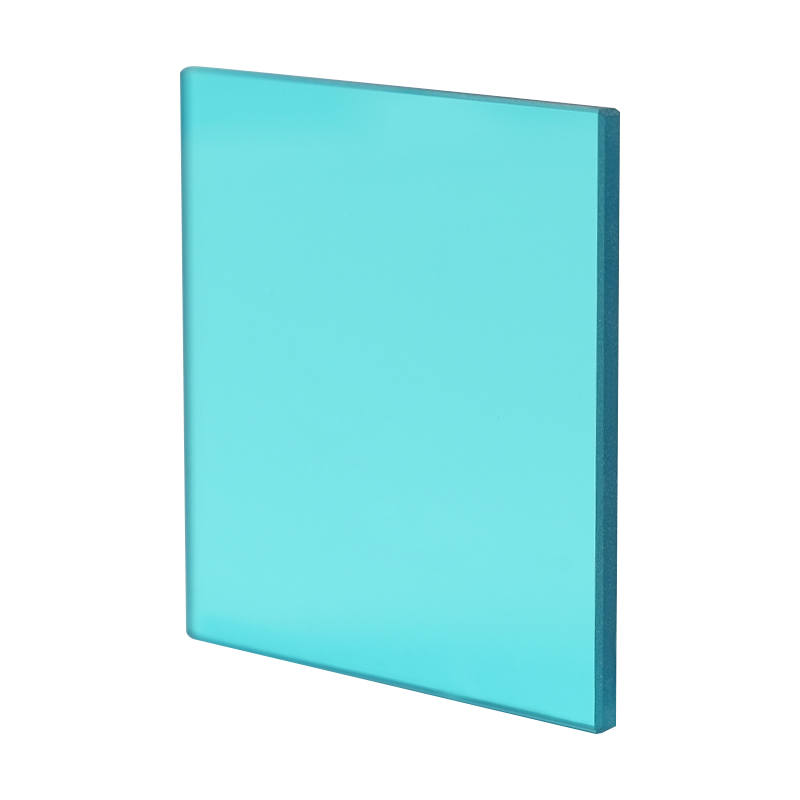
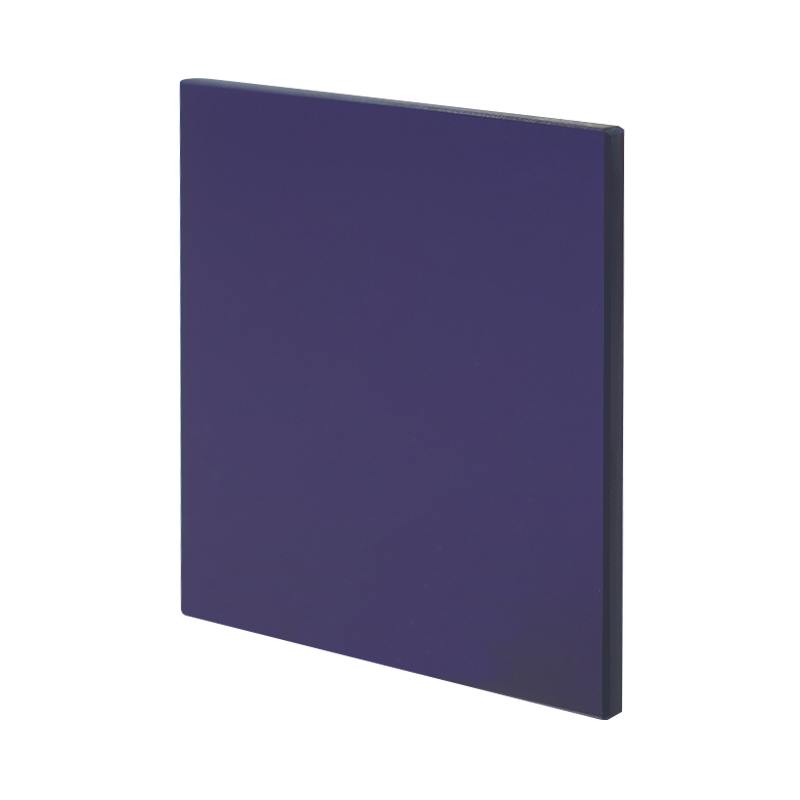
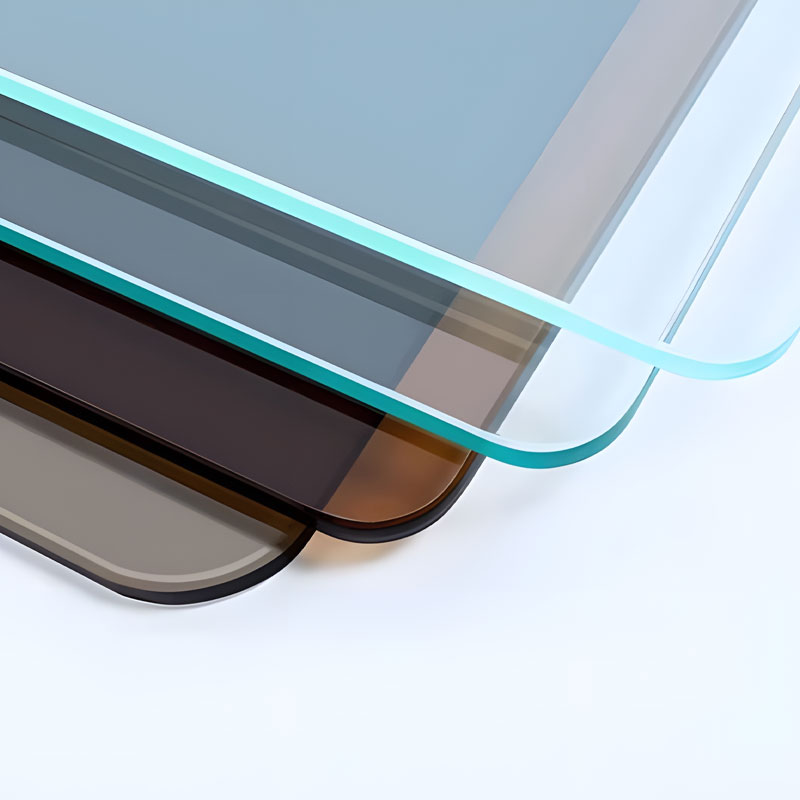
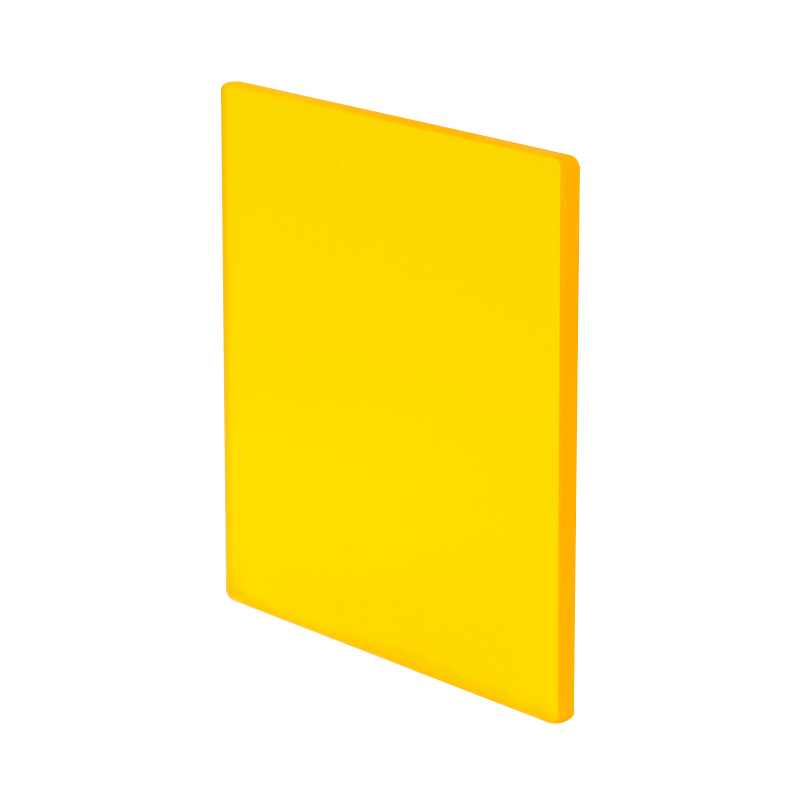
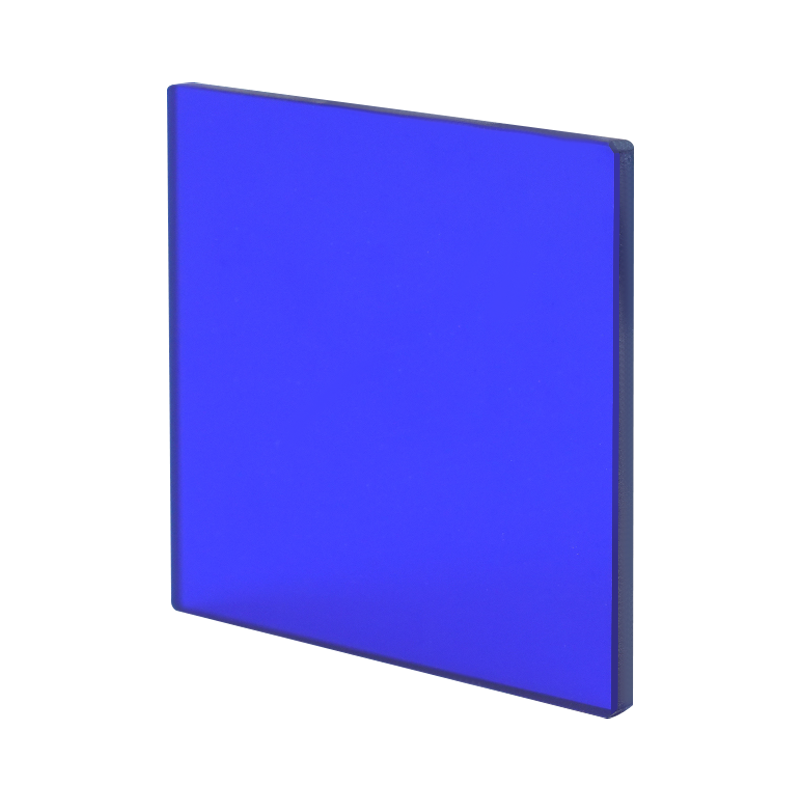
An optical cutoff filter glass is a selectively transmissive colored optical glass that creates a sharp boundary between transmitted and blocked wavelengths. Below the cut-off wavelength, light is strongly absorbed; above it, transmission is high — typically exceeding 80–90%. This steep spectral transition is achieved by doping the glass substrate with specific metal oxide colorants such as iron, chromium, nickel, or titanium, which alter the glass's absorption characteristics for different wavelength bands.
The two most common configurations are:
Longpass optical filter: Transmits wavelengths above the cut-off point (e.g., passes red and near-IR, blocks UV and blue).
Shortpass / UV-IR optical filter: Transmits shorter wavelengths while blocking longer ones, often used to eliminate IR contamination in visible-light systems.
UV cut-off variants typically offer a cut-off wavelength adjustable between 350–500 nm, while IR-blocking configurations target the 700–1100 nm range depending on the application requirement.
Top 10 Applications of Cut-Off Glass Filters in Optical Systems
1. Digital Camera and Imaging Sensor Protection
CMOS and CCD sensors are sensitive well into the near-infrared range (up to 1100 nm), which the human eye cannot see. Without an infrared cut-off glass filter placed in the optical path, captured images exhibit unnatural color rendering — skin tones appear reddish, vegetation looks lighter, and white balance is severely skewed. Precision IR-cut filters placed over the sensor correct for this by blocking wavelengths above approximately 650–700 nm, aligning sensor response with human vision.
2. Fluorescence Microscopy and Biomedical Analysis
In fluorescence microscopy, samples are excited by a specific wavelength (e.g., 488 nm blue laser), and the emitted fluorescence — typically 10,000 to 100,000 times weaker than the excitation light — must be isolated for detection. A longpass optical filter placed in the emission path blocks the excitation wavelength while transmitting the weaker fluorescent emission, enabling quantitative analysis with signal-to-noise ratios that would otherwise be impossible. This technique underpins flow cytometry, FISH analysis, and immunofluorescence staining.
3. UV Sterilization and Phototherapy Equipment
Medical phototherapy devices — including PUVA therapy lamps and neonatal jaundice treatment units — require precise UV band isolation. A UV-range precision optical filter glass ensures that only the therapeutic wavelength (e.g., UVA at 315–400 nm) is delivered to the patient, while blocking harmful shorter UV-B/UV-C wavelengths. Measurement accuracy in UV dosimetry instruments also depends on cut-off filters to eliminate visible light interference.
4. Spectrophotometry and Analytical Instruments
Spectrophotometers used in biochemical and chemical analysis rely on optical cutoff filter glass to eliminate stray light — light at wavelengths other than the measurement wavelength that reaches the detector and introduces systematic error. In high-performance UV-Vis spectrophotometers, stray light levels below 0.01% T are required for accurate absorbance measurements at high concentrations. Cut-off filters positioned in the optical train suppress second-order diffraction and broadband scatter from the monochromator grating.
5. Machine Vision and Industrial Inspection Systems
Industrial machine vision systems operating under mixed ambient lighting (fluorescent, LED, and daylight) use UV IR optical filters to narrow the spectral response of the camera to match the illumination source. For example, a system using 850 nm IR illumination with a longpass filter at 800 nm effectively renders the scene invisible to ambient visible light, eliminating flicker and improving inspection consistency. This is critical in high-speed defect detection on production lines operating at 500–2,000 parts per minute.
6. Solar Energy and Photovoltaic Testing
Solar simulator systems used to characterize photovoltaic cells must reproduce the AM1.5 solar spectrum (300–2500 nm) accurately. Precision optical filter glass components are used to shape the output spectrum of xenon arc or LED-based simulators, adjusting spectral distribution to match standard test conditions. Errors in spectral match directly translate to errors in measured short-circuit current, so filter selection is critical to IEC 60904-9 Class A simulator compliance.
7. Astronomical and Night Vision Optical Systems
Astronomical imaging systems targeting narrow emission lines (H-alpha at 656 nm, OIII at 501 nm) use longpass cut-off filters to block sky background and broadband light pollution while transmitting the target emission. Night vision devices using Gen II or Gen III image intensifiers incorporate infrared cut-off glass elements to define the upper wavelength limit of tube sensitivity, preventing near-IR LED light sources from blinding the system. Typical IR cut-off points for these applications range from 900 nm to 1100 nm.
8. Laser Systems and Optical Isolation
In laser-based measurement and materials processing systems, optical cutoff filter glass is used as a beam dump or cleanup element to suppress amplified spontaneous emission (ASE) and pump wavelength leakage. For example, in a Nd:YAG laser system operating at 1064 nm, a longpass filter with cut-on at 1000 nm blocks residual 808 nm pump light that would otherwise contaminate the output beam or damage downstream detectors.
9. Security, Surveillance, and Biometric Systems
Facial recognition and iris identification cameras typically operate in the near-IR band (780–940 nm) to function under all lighting conditions. A UV IR optical filter configured as a visible-light blocker / IR passband filter ensures that the sensor receives only the structured IR illumination reflected from the subject, eliminating visible ambient light interference. This improves recognition accuracy under daylight, office, and low-light conditions equally — a requirement for ISO/IEC 19794-6 biometric image standards.
10. Aviation, Military, and Remote Sensing Optics
Airborne and satellite remote sensing instruments use precision optical filter glass to isolate specific spectral bands for vegetation analysis (NDVI), mineral mapping, and atmospheric sounding. Military targeting systems use dual-band IR cut-off elements to switch between mid-wave (3–5 micron) and long-wave (8–12 micron) IR bands for threat identification. In these high-reliability environments, filter durability across temperature ranges from -55°C to +125°C and resistance to humidity and radiation are mandatory specifications.
Application Summary: Cut-Off Filter Types by Use Case
Application
Filter Type
Key Wavelength Range
Primary Benefit
Digital Imaging
Infrared Cut-Off Glass
650–700 nm cut-off
Accurate color rendering
Fluorescence Microscopy
Longpass Optical Filter
488–550 nm cut-on
High signal-to-noise ratio
UV Phototherapy
UV IR Optical Filter
315–400 nm passband
Safe therapeutic dose delivery
Spectrophotometry
Precision Optical Filter Glass
UV-Vis range
Stray light suppression
Machine Vision
Longpass / UV IR Optical Filter
800–950 nm
Ambient light rejection
Solar Testing
Precision Optical Filter Glass
300–2500 nm
Spectral match compliance
Night Vision / Astronomy
Infrared Cut-Off Glass
900–1100 nm
Sensor protection & band isolation
Laser Systems
Optical Cutoff Filter Glass
1000–1064 nm
Pump leakage suppression
Biometric / Security
UV IR Optical Filter
780–940 nm passband
Visible light elimination
Remote Sensing / Military
Precision Optical Filter Glass
3–12 micron IR
Dual-band IR discrimination
Table 1: Cut-Off Glass Filter Types and Their Primary Optical System Applications
Transmission Performance Across Filter Types
Understanding how different precision optical filter glass variants perform across wavelength bands is key to selecting the right component. The chart below illustrates typical transmission profiles for three common cut-off filter configurations:
Typical Transmission (%) vs. Wavelength (nm) — Three Cut-Off Filter Types
Indicative transmission curves for three common optical cutoff filter glass configurations (not to scale)
Key Specifications to Evaluate When Selecting a Precision Optical Filter Glass
Not all cut-off filters perform equally. When sourcing precision optical filter glass for a specific application, evaluate these parameters:
Cut-off wavelength accuracy: The wavelength at which transmission drops to 50% of peak — should be specified with a tolerance of ±5 nm or tighter for critical applications.
Blocking depth: Optical density (OD) in the blocked band — OD 3 (0.1% T) is standard; OD 5 or higher required for fluorescence and laser applications.
Transmission in passband: Should be consistently above 80–90% across the desired transmission band without absorption dips.
Surface quality: Scratch-dig specification (e.g., 60-40 or 40-20) affects scattered light in precision optical systems.
Thermal and chemical stability: Important for outdoor, industrial, and medical equipment operating across wide temperature ranges.
Dimensional tolerance: Diameter, thickness, and flatness must match the optical assembly into which the filter is integrated.
Industry Demand for Longpass and UV IR Optical Filters: Growth Context
Relative Demand Index for Optical Cut-Off Filters by Industry Sector
Consumer Electronics
92
Medical Instruments
85
Industrial Vision
78
Security / Biometrics
71
Aerospace / Defense
62
Solar / Energy
54
Relative demand index (0–100) based on procurement volume trends across optical filter application sectors
About Nantong Xiangyang Optical Element Co., Ltd.
A cut-off glass filter is a type of glass with special optical properties, selectively transmitting or blocking light within a specific wavelength range. It is a selectively transmissive colored optical glass that strongly absorbs short-wavelength light — such as ultraviolet, blue, and green — while efficiently transmitting long-wavelength light such as yellow, orange, red, and near-infrared. Its "cut-off" characteristic refers to the drastic attenuation of light below a specific wavelength, forming a spectral response curve similar to a switch. This is achieved by doping the glass substrate with specific metal oxide colorants such as iron, chromium, nickel, and titanium.
Nantong Xiangyang Optical Element Co., Ltd. was founded in 1996. It is a high-tech enterprise in Jiangsu Province, covering an area of 10,000 square meters, specializing in the production and processing of colored optical glass, colorless optical glass, and flat glass screen printing and tempering. The company's quality management complies with ISO 9001-2000 product quality standards and 3C quality system certification.
As a professional OEM cut-off glass filter supplier and ODM cut-off glass filter factory in China, Nantong Xiangyang operates two specialized divisions:
Optical Components Production Division: Specialized in color filters and precision optical filter glass for colored and colorless optical glass, covering ultraviolet, visible, near-infrared, and infrared wavelength regions. Products are widely applicable in optical instruments, medical instruments, biochemical and analytical instruments, electronics, aviation, military, and scientific research.
Flat Glass Products Division: Engaged in deep processing, glass silk-screen printing, and glass tempering, supported by automated equipment from Germany, Japan, and Switzerland. Products cover elevators, household appliances, instruments, and high-intelligence electronic switches across hundreds of specifications.
Frequently Asked Questions
Q1: What is the difference between a longpass optical filter and an infrared cut-off glass?
A longpass optical filter transmits wavelengths above its cut-on point and blocks shorter wavelengths — for example, passing red and near-IR while blocking UV and blue. Infrared cut-off glass does the opposite: it passes visible light and blocks IR wavelengths above approximately 650–700 nm. Both are types of cut-off filters, but they are configured for opposite spectral directions.
Q2: Can optical cutoff filter glass be customized for non-standard wavelengths?
Yes. By adjusting the type and concentration of dopant metal oxides during glass manufacturing, the cut-off wavelength can be shifted across a wide range. UV cut-off glass, for example, is typically adjustable between 350–500 nm. Custom specifications for cut-on wavelength, glass thickness, diameter, and surface coating are available from OEM and ODM suppliers.
Q3: How do I specify blocking depth for a UV IR optical filter?
Blocking depth is specified in optical density (OD), where OD 1 = 10% transmission, OD 2 = 1%, OD 3 = 0.1%, and OD 4 = 0.01%. For general imaging applications, OD 3 is usually sufficient. For fluorescence detection and laser systems, OD 4–6 in the blocking band is typically required to prevent signal contamination.
Q4: What surface treatments are available for precision optical filter glass?
Common surface treatments include anti-reflection (AR) coatings to maximize passband transmission, hard coating for scratch resistance, and hydrophobic coatings for outdoor or humid environments. AR coatings can increase transmission in the passband from approximately 88% to over 98% per surface.
Q5: Are cut-off glass filters suitable for high-power laser applications?
Standard absorption-based optical cutoff filter glass can handle moderate laser power levels, but for high-power applications the absorbed energy generates heat within the glass, which can cause thermal lensing or fracture. For pulsed or high-CW-power laser systems, thin-film interference cut-off filters on low-absorption substrates are recommended, with the glass supplier providing a specified laser damage threshold (LDT) value.




 English
 Español