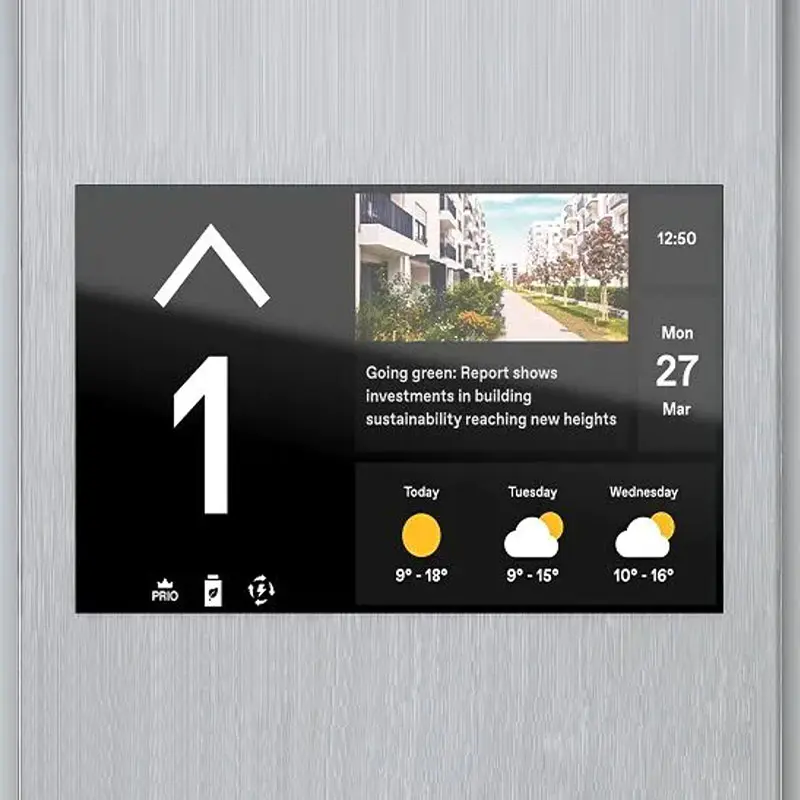
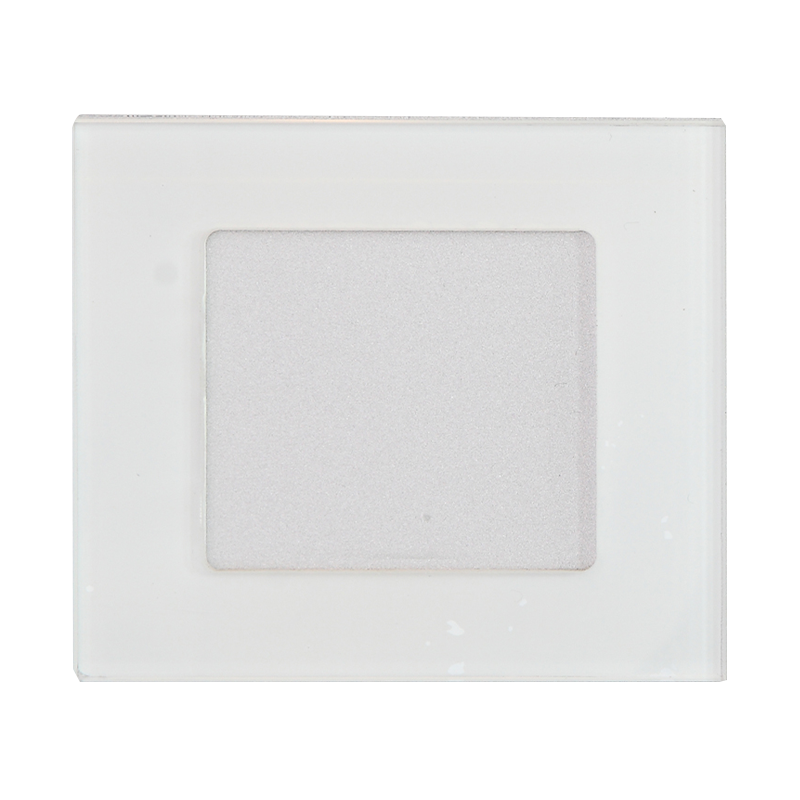
Screen-printed glass panels can be installed in most elevators, but not unconditionally — compatibility depends on the elevator's structural framing system, cab wall configuration, available panel dimensions, load tolerance, and local building code requirements for safety glazing. The short answer is that the majority of commercial passenger elevators, modern residential elevators, and observation lifts are suitable candidates for elevator screen-printed glass panels, provided the glass meets elevator safety standards and the installation is performed by a licensed elevator contractor. However, freight elevators, hydraulic service lifts, and older cab designs with fixed metal wall systems often require structural assessment before any glass panel retrofit is possible.
What Screen-Printed Glass Panels Are and How They Function in an Elevator
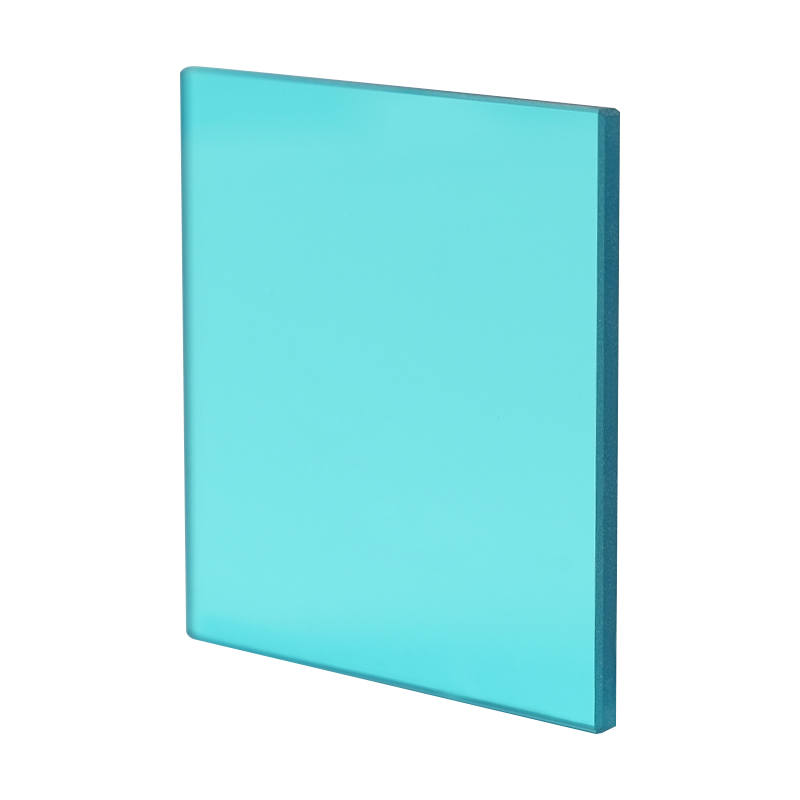
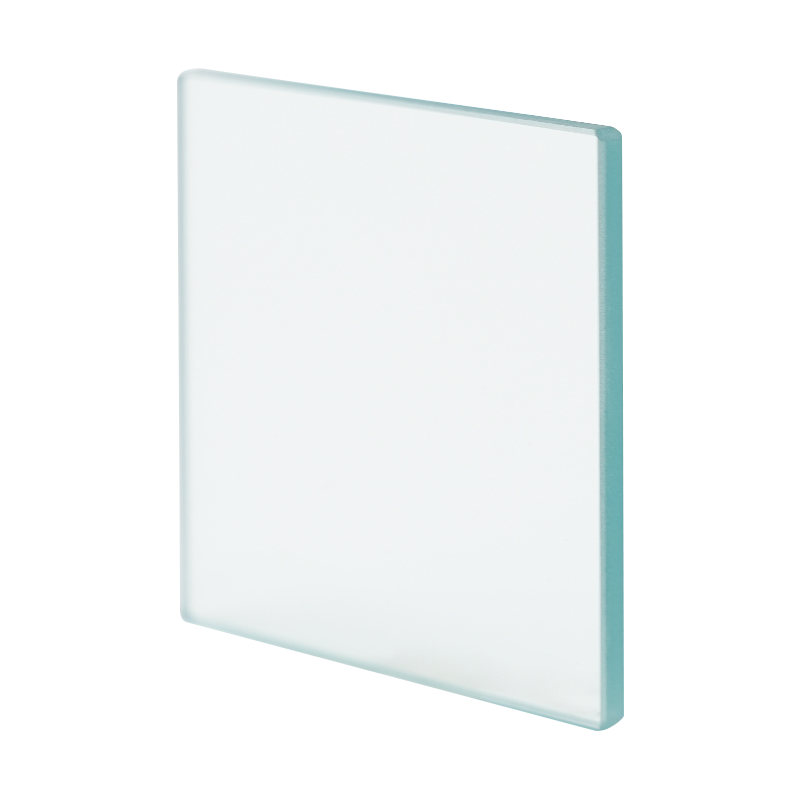
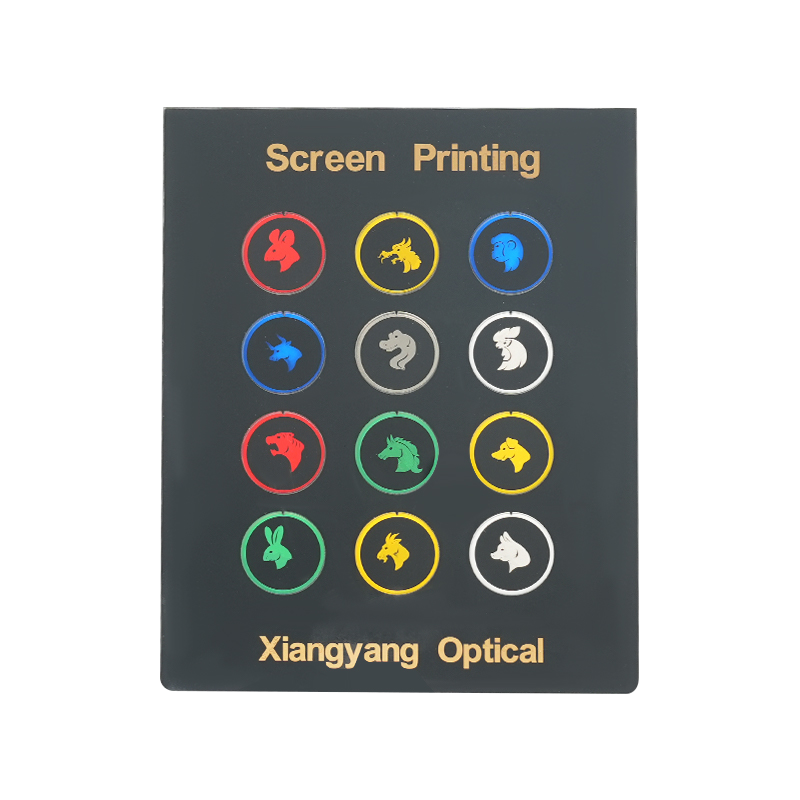
Screen-printed glass for elevators is architectural glass — typically tempered or laminated safety glass — onto which ceramic ink patterns, images, textures, or solid color fills are applied using a precision silk-screen printing process. The ceramic ink is fired into the glass surface at temperatures exceeding 1,200°F (650°C) during the tempering process, fusing the design permanently into the glass. The result is a surface that cannot peel, fade, scratch off, or delaminate under normal service conditions.
Within an elevator cab, these panels serve multiple simultaneous functions:
- Aesthetic surface: Replaces conventional stainless steel, laminate, or painted metal wall panels with a visually distinctive architectural finish.
- Privacy and light control: Solid or semi-opaque printed areas obscure sightlines through glass walls while still allowing light transmission — particularly relevant in observation elevators.
- Branding surface: Custom elevator glass panels can carry corporate logos, wayfinding graphics, architectural patterns, or destination-specific imagery as a permanent, maintenance-free branded feature.
- Structural wall panel: In purpose-designed glass elevator cabs, tempered screen-printed panels form the actual structural wall enclosure, not just a decorative overlay.
Elevator Types and Their Compatibility with Glass Panel Installation
Compatibility varies significantly by elevator category. Understanding your elevator type is the first step before specifying decorative elevator glass panels:
Commercial Passenger Elevators (Traction)
The most common installation environment for elevator screen-printed glass panels. Modern traction elevator cabs are typically constructed with a modular steel frame system — wall panels slot into vertical tracks or bolt to the frame, making panel replacement or addition straightforward. Glass panels sized to the standard cab wall module dimensions can be substituted for existing panels without structural modification in most cases.
Hydraulic Passenger Elevators
Hydraulic cab designs are generally equivalent to traction cabs in terms of panel compatibility. The same modular wall frame approach applies. One additional consideration: hydraulic systems are more common in low-rise buildings where the elevator shaft may be narrower, which can constrain the maximum glass panel width that can be maneuvered into the cab during installation.
Observation and Glass Elevators
These elevators are purpose-designed for glass wall panels and are the most natural application for screen-printed glass for elevators. The cab frame is engineered to accept and secure large-format glass panels. Screen-printing adds privacy zones, decorative patterns, or branding to what would otherwise be fully transparent walls — a common design choice in hotel atriums, retail centers, and corporate lobbies.
Residential Home Elevators
Residential elevators are typically smaller and have lower structural load tolerances than commercial units. Standard residential cab dimensions range from approximately 36 × 48 inches to 42 × 60 inches. Glass panels are feasible in these cabs, but panel weight must be carefully managed — residential elevator cabs typically have a rated capacity of 500–750 lbs, and replacing heavier metal panels with glass panels of equivalent dimensions may actually reduce overall cab weight.
Freight Elevators and Service Lifts
Generally not suitable for decorative glass panel installation. Freight elevator cabs are designed for impact resistance from moving goods — glass panels would be at unacceptable risk of impact damage from cargo, pallet jacks, or loading equipment. Building codes in most jurisdictions also restrict the use of glass in freight elevator cabs for safety reasons.
Elevator Type Compatibility Overview
| Elevator Type |
Glass Panel Compatibility |
Key Consideration |
| Commercial Traction |
High |
Modular frame — panel swap is straightforward |
| Hydraulic Passenger |
High |
Shaft width may limit panel size |
| Observation / Glass Cab |
Very High |
Purpose-designed for glass walls |
| Residential Home Elevator |
Moderate |
Panel weight and cab size constraints |
| Freight / Service Lift |
Not Recommended |
Impact risk and code restrictions |
| Historic / Pre-1980 Elevators |
Case-by-Case |
Structural assessment required |
Table 1: Glass panel installation compatibility by elevator type
Safety and Building Code Requirements for Elevator Glass Panels
Installing glass panels in an elevator is not simply an aesthetic renovation — it is a regulated modification governed by elevator safety codes. In the United States, the primary standard is ASME A17.1 (Safety Code for Elevators and Escalators), which specifies requirements for materials used in elevator enclosures. Similar standards apply internationally, including EN 81-20 in the European Union.
Mandatory Safety Glazing Specifications
All glass used in elevator cab panels must meet safety glazing standards. The two compliant options are:
- Tempered glass: Thermally strengthened to be 4–5 times stronger than annealed glass of the same thickness. When broken, shatters into small, relatively harmless granules rather than sharp shards. Screen printing is applied before tempering and permanently fired into the surface.
- Laminated safety glass: Two or more glass plies bonded with a PVB (polyvinyl butyral) or SGP (SentryGlas) interlayer. When broken, the interlayer holds fragments in place. Laminated glass is required in applications where a glass breakage event must not allow the panel to fall or create a through-hole — such as overhead or inclined glass installations.
Standard minimum thickness for elevator wall panels is 6mm tempered for light-duty residential applications, and 8mm–12mm tempered or laminated for commercial passenger elevators, depending on panel size and framing support span.
Permit and Inspection Requirements
In most jurisdictions, any modification to an elevator cab's wall construction — including panel replacement — requires a filed permit, engineering review, and post-installation inspection by the Authority Having Jurisdiction (AHJ). This is non-negotiable for commercial buildings. Unpermitted elevator modifications expose building owners to liability and can result in the elevator being taken out of service during a compliance inspection.
Fire Rating Considerations
In buildings where the elevator shaft forms part of a fire-rated enclosure assembly, the cab wall materials — including any glass panels — may need to contribute to the fire resistance rating. Standard tempered glass does not provide fire resistance. In these cases, fire-rated glass (which uses a gel or wire interlayer) must be specified. Confirm the building's fire compartmentation requirements with the project architect before finalizing glass specifications.
Glass Thickness and Structural Load: What the Numbers Mean
Panel weight is a critical variable in elevator glass installations. The chart below illustrates the weight per square foot of tempered glass at common thicknesses — a key input when evaluating whether a cab's structural frame can accommodate a glass panel retrofit.
Figure 1: Tempered glass weight per square foot by thickness — relevant to elevator cab structural load calculations
As a practical example: a custom elevator glass panel measuring 24 × 48 inches (8 sq ft) in 10mm tempered glass weighs approximately 43.6 lbs. If three such panels replace existing stainless steel panels of similar dimensions (which weigh roughly 3.5–4.5 lbs/sq ft), the net weight change per wall can be an increase of 8–16 lbs per panel — a figure that must be reviewed against the cab frame's panel support rating.
Design Options for Custom Elevator Glass Panels
The design versatility of custom elevator glass panels is one of the primary reasons architects and interior designers specify them for high-visibility elevator cabs. Key design variables include:
Coverage Density and Opacity
Screen printing can be applied at any opacity level — from a subtle 10–15% dot pattern that creates a slight texture while remaining mostly transparent, to a 100% solid ceramic ink fill that renders the panel fully opaque. Most decorative applications for elevator cabs fall in the 40–80% coverage range, balancing visual interest with the desired degree of transparency or light diffusion.
Color Range
Ceramic inks for glass screen printing are available across the full visible spectrum and can be color-matched to specified RAL, Pantone, or custom color standards. Metallic ceramic inks (gold, silver, bronze) are also available for premium applications. Because the ink is fired into the glass surface, the color is permanent and will not shift or fade under UV exposure — a significant advantage over applied films or coatings used in some elevator retrofits.
Pattern and Image Complexity
Modern digital ceramic printing allows photographic-quality imagery, complex geometric patterns, gradient fills, and multi-color designs on decorative elevator glass panels. Each color in a multi-color design requires a separate print pass, so complexity affects production lead time. Most fabricators can produce panels with up to 6–8 color layers in a single production run.
Backlit Panel Applications
Screen-printed glass panels can be combined with LED backlighting mounted to the cab frame behind the panel. In this configuration, the printed pattern becomes the light-diffusing element — solid areas block light, semi-transparent areas glow. This creates dramatic, high-end interior effects in hotel and luxury residential elevator cabs, where the panel appears as decorative glass by day and an illuminated feature at night.
The Installation Process: What to Expect
A typical elevator screen-printed glass panels installation follows this sequence:
- Site survey and cab measurement: A licensed elevator contractor and glass fabricator measure the existing cab wall dimensions, panel mounting hardware, frame clearances, and any penetrations (handrails, controls, lighting) that affect panel sizing. Dimensional tolerances for elevator cab panels are typically held to ±1/16 inch (1.5mm).
- Structural and code review: The contractor confirms that the proposed glass specification complies with ASME A17.1 or applicable local code, and files for a modification permit with the AHJ if required.
- Glass fabrication: Panels are custom-fabricated to the specified dimensions, printed with the approved design, tempered or laminated, and edge-finished. Lead times are typically 3–6 weeks for standard commercial projects.
- Elevator taken out of service: The cab is shut down for installation. For a full cab wall glass panel replacement, installation typically requires 1–2 days of elevator downtime for a standard commercial cab.
- Panel installation: The elevator contractor removes existing wall panels, installs any new mounting hardware or glazing channels to the frame, and secures the glass panels using appropriate setting blocks and structural silicone or mechanical fasteners per the engineered installation drawings.
- Inspection and return to service: The AHJ inspector reviews the installation and, upon approval, the elevator returns to service. The building owner receives updated elevator documents reflecting the cab modification.
Maintenance and Long-Term Performance of Screen-Printed Elevator Glass
One of the most compelling arguments for specifying decorative elevator glass panels over film-applied or printed vinyl alternatives is the permanence and durability of the ceramic-fired surface.
| Property |
Screen-Printed Glass |
Vinyl / Film Applied Glass |
Painted Metal Panel |
| Print Permanence |
Permanent (fused into glass) |
5–10 years before replacement |
N/A |
| Scratch Resistance |
High (glass surface) |
Low (film scratches easily) |
Moderate |
| Cleaning Method |
Standard glass cleaner |
Gentle only — solvents damage film |
Non-abrasive cleaners |
| UV / Fade Resistance |
Excellent |
Moderate (film yellows over time) |
Moderate |
| Graffiti / Vandalism Resistance |
High — most markers wipe clean |
Low — film damaged by removal |
Moderate |
Table 2: Long-term performance comparison — screen-printed glass vs. alternative elevator wall finishes
For routine cleaning, standard non-abrasive glass cleaner applied with a soft cloth is all that is required. Avoid steel wool, abrasive pads, or harsh acid-based cleaners near panel edges where the ceramic ink terminates, as these can cause edge chipping over time. The glass surface itself is highly resistant to most disinfectants, making it a practical choice for high-touch elevator environments where frequent cleaning is required.
Frequently Asked Questions
Q1Can screen-printed glass panels be retrofitted into an existing elevator without full cab replacement? +
Yes, in most commercial traction and hydraulic passenger elevators. The panels are custom-fabricated to the exact dimensions of the existing cab wall openings, and the elevator contractor replaces the current panels within the existing frame system. A full cab replacement is not required. However, a site survey is essential to confirm that the existing frame accepts glass panel mounting hardware and that no structural modifications are needed before fabrication begins.
Q2Does screen-printed glass in an elevator cab require any special structural support? +
Tempered glass panels are self-supporting within a properly designed frame channel, but the frame itself must be engineered to transfer the panel's dead load (weight) and any incidental lateral loads to the cab structure. For panels exceeding approximately 15–20 sq ft in area, or thickness above 10mm, the glazing channel depth and fastener specification should be reviewed by a structural engineer. The elevator contractor's engineer of record will typically cover this as part of the modification permit package.
Q3How long does it take to produce custom elevator glass panels after design approval? +
Standard production lead time for custom screen-printed tempered glass elevator panels is 3 to 6 weeks from design and dimension sign-off to delivery, for most commercial projects. Complex multi-color designs, large-format panels over 60 × 120 inches, or laminated glass specifications may extend lead time to 6–10 weeks. Factor in an additional 1–3 weeks for permit processing when scheduling installation timing for occupied buildings.
Q4Can the screen-printed design be changed in the future if we want to update the branding? +
Because the ceramic ink is permanently fused into the glass surface during tempering, the design cannot be altered after manufacture. Updating the design requires fabricating new panels. This is not a limitation unique to elevator applications — it applies to all ceramic screen-printed architectural glass. For operators anticipating regular branding updates, a practical alternative is to use clear glass panels as the permanent cab element and apply removable printed film for the branding layer, accepting the shorter service life of the film in exchange for design flexibility.
Q5What happens if a screen-printed glass panel in an elevator is broken — is it dangerous? +
Tempered safety glass, as required by elevator codes, breaks into small, relatively blunt granules rather than large sharp shards — significantly reducing injury risk compared to standard annealed glass. Laminated glass, where specified, holds fragments in place on the interlayer even after breakage. Either way, a broken panel must be replaced before the elevator returns to service. The elevator contractor should be contacted immediately, and the cab should be taken out of service until replacement panels are installed and the cab passes reinspection.




 English
 Español