Quick Answer: What Architects and Contractors Need to Know First
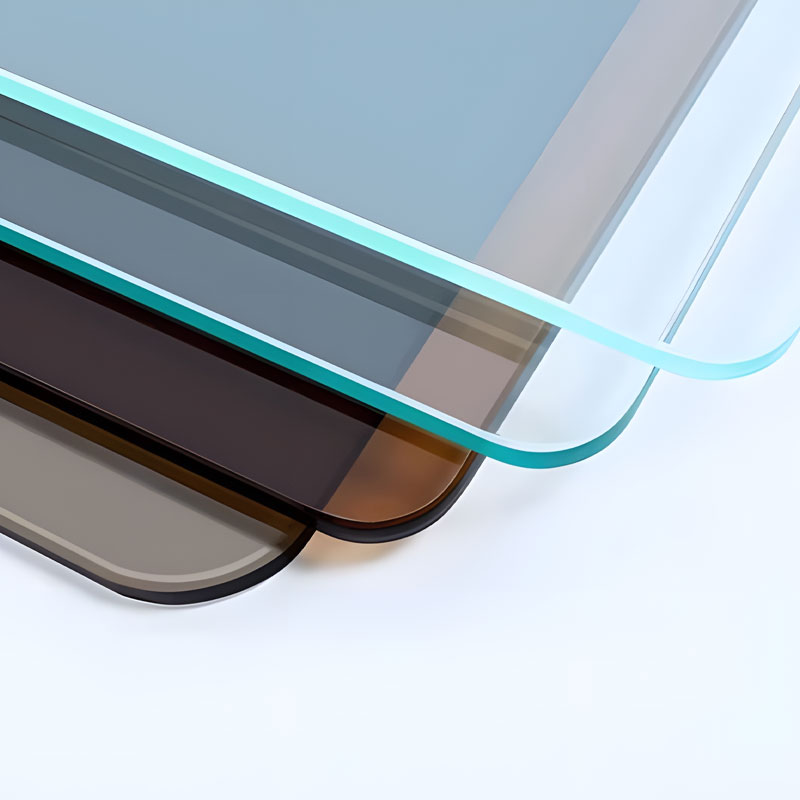
For most passenger elevator cabins, tempered screen printed glass panels between 6mm and 10mm thick deliver the best balance of safety, design flexibility, and long-term visual stability. Screen printing applies ceramic ink directly onto the glass surface before the tempering process, which fuses the pattern into the material so it resists scratching and daily wear far better than surface-applied films or decals. When specifying elevator interior glass design, the three variables that matter most are glass thickness, tempering compliance, and the durability of the printed or etched pattern under repeated cleaning cycles.
This guide breaks down the technical, visual, and procurement considerations for elevator screen-printed glass panels, using data comparisons, specification tables, and side-by-side visuals so architects and contractors can make an informed sourcing decision without guesswork.
What Is Screen Printed Glass and Why It Matters for Elevator Cabins
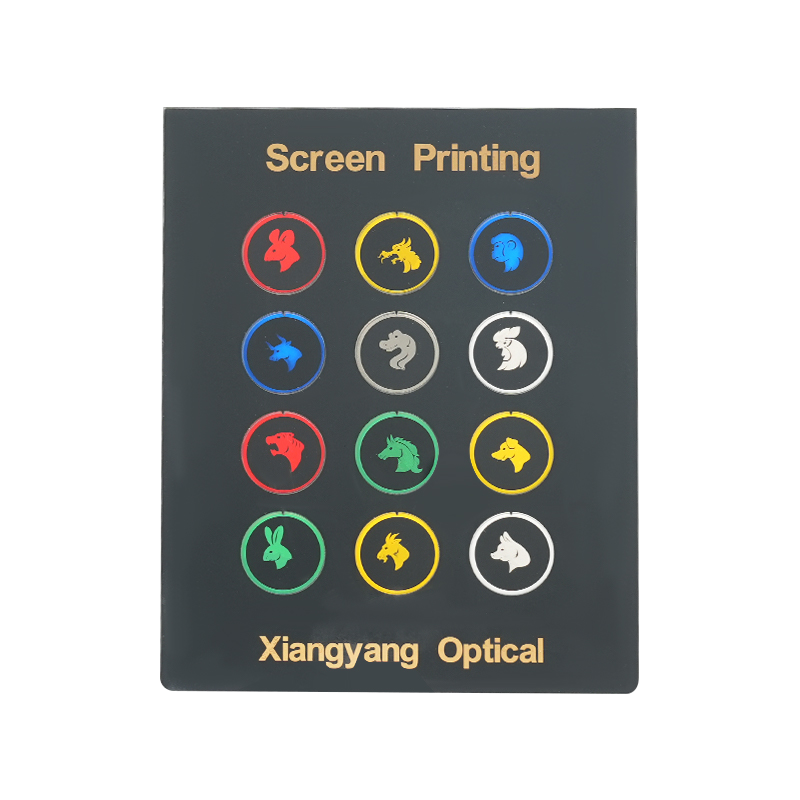
Screen printed glass is produced by pressing ceramic-based ink through a fine mesh screen onto a glass sheet, creating a pattern, color field, or texture. The printed sheet is then heated in a tempering furnace, which permanently bonds the ink to the glass surface at a molecular level. Unlike vinyl wraps or painted finishes that sit on top of glass, the ink becomes part of the glass itself, which is why screen printed glass is the preferred choice for high-traffic environments such as elevator cabins, where surfaces are touched, leaned on, and cleaned multiple times a day.
Core Advantages Over Standard Decorative Glass
Pattern permanence: the ceramic ink fuses during tempering, so it will not peel or bubble like adhesive film.
Design flexibility: gradients, logos, textures, and custom colorways can be reproduced with precise registration.
Safety compliance: the tempering step required for printing also increases impact resistance, meeting typical elevator cabin glazing requirements.
Consistent batch color: automated screen printing equipment reduces shade variation between panels ordered for the same project.
For architects working on commercial towers, hospitality lobbies, or residential high-rises, specifying architectural printed glass panels early in the design phase helps avoid change orders later, since custom patterns typically require lead time for screen production and sample approval.
How Elevator Glass Is Manufactured: The Process Architects Should Understand
Understanding the manufacturing sequence helps contractors evaluate supplier quality claims and set realistic project timelines. The process generally follows five stages: glass cutting and edging, surface cleaning, screen printing, tempering, and final quality inspection. Each stage introduces variables that affect the finished panel's flatness, color accuracy, and structural strength.
As shown above, tempering is the longest single stage, typically requiring around three days once furnace scheduling and controlled cooling are factored in. This is also the stage that determines whether a panel meets safety glazing standards, so contractors should confirm that a supplier operates automated tempering furnaces with documented temperature control rather than relying on manual batch processing. Screen printing itself, while visually the most complex step, usually adds only one to two days when the pattern has already been approved and the screen is pre-made.
Choosing the Right Thickness for Elevator Cabin Glass
Glass thickness for elevator applications is driven by panel location, cabin size, and local building code requirements for safety glazing. Below is a general specification reference that architects commonly use during early-stage material planning.
General thickness reference for elevator screen-printed glass panels by application area
Application Area
Recommended Thickness
Common Glass Type
Typical Use Case
Cabin wall panel
6mm - 8mm
Tempered screen printed glass
Standard passenger cabins
Ceiling panel
5mm - 6mm
Tempered decorative glass
Lightweight overhead installation
Cabin door panel
8mm - 10mm
Laminated elevator glass panels
High-traffic entry points
Control box / button panel
4mm - 5mm
Screen printed glass
Icon and numeral display surfaces
Handrail backing panel
6mm
Tempered screen printed glass
Structural support zones
Door panels and handrail backing zones generally require thicker or laminated construction because these areas experience direct contact and higher mechanical stress. Control box and button panels can use thinner glass since they are typically bonded to a rigid backing structure rather than free-standing within the cabin frame.
Comparing Surface Finish Demand: Screen Printed, Etched, Laminated, and Digital Printed Glass
Architects specifying decorative glass for elevator cabins generally choose between four finish categories. The chart below illustrates typical specification share across recent commercial elevator interior projects, based on aggregated supplier order patterns.
Screen printed glass leads specification share largely because it supports both solid color fields and fine detail patterns while remaining cost-efficient at production scale for mid-to-large elevator manufacturing orders. Laminated construction follows closely, mainly for door and handrail zones where interlayer strength is a priority. Etched glass remains popular for projects seeking a frosted or textured aesthetic without a printed color layer, while digital printed glass, though newer, is gaining ground for projects requiring photographic-level detail or short production runs.
Screen Printed vs Etched vs Laminated Glass: A Side-by-Side Performance Comparison
Choosing between finish types depends on which performance attributes matter most for a given project. The radar comparison below scores each finish type across five criteria on a relative 1-10 scale based on typical field performance in elevator cabin environments.
Screen printed glass scores highest on design flexibility and production speed, which explains its dominant specification share for elevator interior glass design projects with custom branding or pattern requirements. Laminated glass scores strongest on durability, making it the preferred choice for door panels and impact-prone areas. Etched glass sits in a middle position, offering good maintenance ease and moderate light transmission, but it generally cannot reproduce multi-color patterns the way screen printing can, since the frosted effect is achieved through surface texture rather than ink.
Color and Pattern Fade Resistance Over Time
One of the most common questions from facility managers and contractors involves long-term color stability. Because the ceramic ink used in screen printing is fired into the glass during tempering, the pigment becomes chemically bonded rather than sitting as a surface coating. The line chart below illustrates typical relative color retention over a ten-year period, comparing fired ceramic screen printing against surface-applied painted finishes.
Over a ten-year span, fired ceramic screen printing typically retains a noticeably higher percentage of its original color intensity compared with surface-applied paint, which is more exposed to cleaning chemicals, UV exposure near glazed lobby areas, and general abrasion. This is one of the primary reasons contractors specify tempered screen printed glass panels for elevator cabins that will remain in service for a decade or longer without a full interior refresh. Regular use of non-abrasive glass cleaners further extends the visible lifespan of any printed pattern.
Customization Options for Elevator Interior Glass Design
Custom elevator glass panels allow architects to align cabin interiors with a building's overall design language. Common customization requests include solid color fields, gradient transitions, geometric or brand-specific patterns, metallic-tone accents, and mixed matte-gloss textures within the same panel.
Design Elements Commonly Specified by Architects
Custom Pantone or RAL color matching for corporate or hospitality branding
Gradient fades that transition from solid color to translucent zones
Fine-line geometric patterns for a minimalist commercial aesthetic
Textured matte finishes paired with gloss borders for visual contrast
Panel-to-panel pattern continuity across multi-piece cabin walls
When working with an OEM elevator glass manufacturer, it is standard practice to request a physical sample panel before committing to a full production run. This allows architects to confirm color accuracy under actual lighting conditions, since printed colors can appear slightly different under LED cabin lighting compared with daylight viewing during initial specification.
Where Elevator Screen-Printed Glass Panels Are Used
Commercial elevator glass panels appear across a wide range of building types, each with slightly different design priorities. The table below summarizes common application settings and their typical panel priorities.
Common building types specifying elevator screen-printed glass panels and their primary design priority
Building Type
Primary Design Priority
Preferred Finish
Office Towers
Brand consistency, durability
Screen printed, solid tone
Hospitality & Hotels
Ambient design, texture
Screen printed with gradient
Residential High-Rises
Long-term maintenance ease
Tempered screen printed
Retail & Shopping Centers
Visual impact, foot traffic durability
Laminated screen printed
Healthcare Facilities
Cleanability, low-glare finish
Matte screen printed
Across nearly all of these settings, the consistent requirement is a finish that can withstand frequent contact and cleaning without visible degradation, which is precisely the performance profile that tempered screen printed glass panels are designed to deliver.
Maintenance Guidelines for Long-Lasting Elevator Glass
Proper maintenance extends the visual life of any elevator glass panel, printed or otherwise. Facility teams should avoid abrasive pads, ammonia-heavy cleaners, and metal scrapers, all of which can dull the glass surface over time even though the printed pattern itself is fired into the glass. A simple, consistent cleaning routine is generally sufficient.
Wipe panels with a soft microfiber cloth and a non-abrasive glass cleaner on a routine schedule.
Avoid direct spraying of cleaning solution near panel edges or seams to prevent moisture intrusion.
Address fingerprint buildup on high-touch zones, such as handrail backing panels, more frequently than upper wall sections.
Inspect panel edges periodically for chips, since tempered glass strength depends on intact edge integrity.
Following these steps helps preserve both the structural performance and the visual clarity of commercial elevator glass panels well beyond a typical renovation cycle.
Working With a Manufacturer: What Contractors Should Verify
Sourcing decisions for custom elevator glass panels should go beyond visual samples. Contractors and procurement teams benefit from confirming a supplier's production capability, quality certification, and process consistency before placing a project order.
Verification Checklist
Confirmation of tempering compliance and relevant quality system certification
Availability of automated screen printing equipment for consistent batch color
In-house inspection equipment for dimensional and optical quality checks
Experience producing panels for elevator-specific applications, not only general architectural glass
Ability to support OEM and ODM project workflows for custom specifications
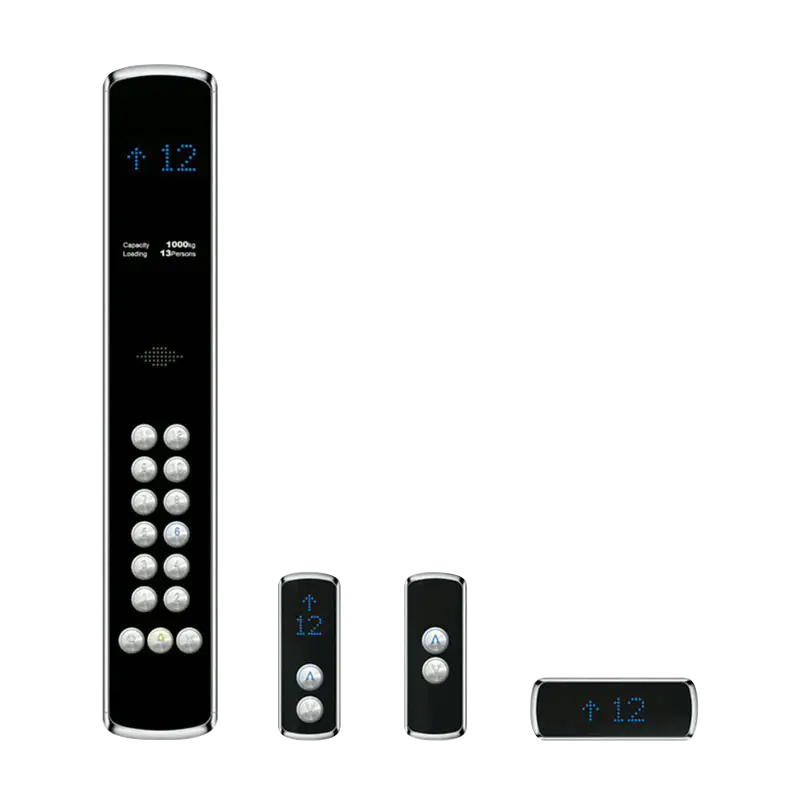
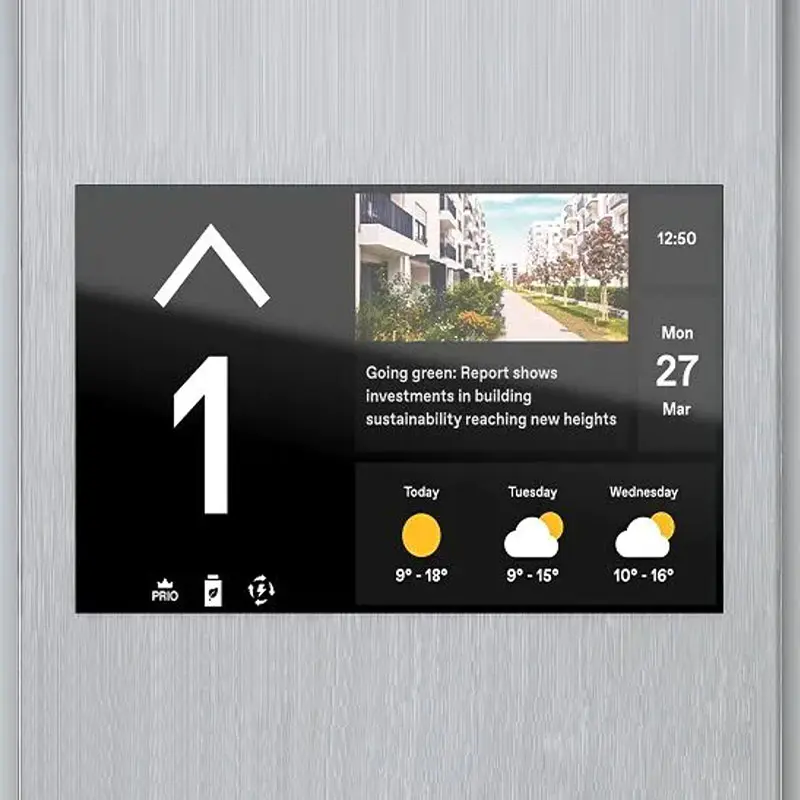
Nantong Xiangyang Optical Element Co., Ltd. has operated since 1996 as a flat glass screen printing and tempering enterprise based in Jiangsu Province, China, covering a 10,000 square meter production facility. The company's flat glass division focuses specifically on glass silk-screen printing and tempered glass supporting products for elevator control boxes, outbound call panels, and button interfaces, alongside decorative cabin glazing. Production is supported by automated screen printing lines and automated tempering furnaces, with inspection equipment sourced from Germany, Japan, and Switzerland integrated into the quality control process. As a professional OEM elevator glass manufacturer and ODM elevator screen-printed glass panel factory, the company's product quality aligns with ISO9001-2000 product quality standards and 3C quality system certification, and its glass products are used across elevator control boxes, outbound calls, buttons, household appliances, and instrument panels in over a hundred specifications.
Frequently Asked Questions
Q1: What is screen printed glass?
Screen printed glass is glass with ceramic ink applied through a mesh screen and then fused into the surface during the tempering process, creating a permanent, fired-in pattern or color.
Q2: Is elevator glass safe?
Tempered elevator glass is manufactured to withstand normal impact and daily contact, and the tempering process is the same step that provides the structural strength required for cabin glazing.
Q3: How is elevator glass made?
The glass is cut and edged, cleaned, printed with ceramic ink where applicable, then heated in a tempering furnace and cooled rapidly before final quality inspection.
Q4: What thickness should elevator glass be?
Thickness typically ranges from 4mm to 10mm depending on the panel location, with door and handrail zones generally requiring thicker or laminated construction.
Q5: Can elevator glass be customized?
Yes, color, pattern, gradient, and texture can all be customized to match a project's interior design requirements, typically with a sample approval step before full production.
Q6: Does printed glass fade?
Fired ceramic screen printing is significantly more color-stable over time than surface-applied paint, since the ink is bonded into the glass rather than sitting on top of it.
Q7: What is the difference between etched and printed glass?
Etched glass achieves a frosted texture by altering the surface itself, while screen printed glass applies ceramic ink to create color and pattern, allowing a wider range of design detail.
Q8: How do you maintain elevator glass?
Regular cleaning with a soft cloth and non-abrasive glass cleaner, combined with periodic edge inspection, keeps panels clear and structurally sound over years of use.




 English
 Español