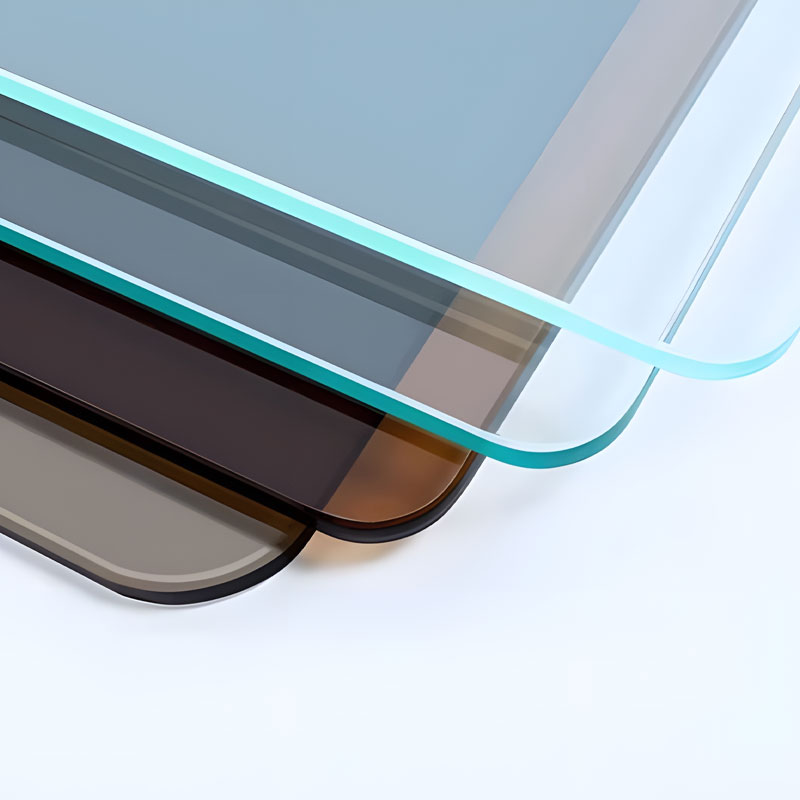
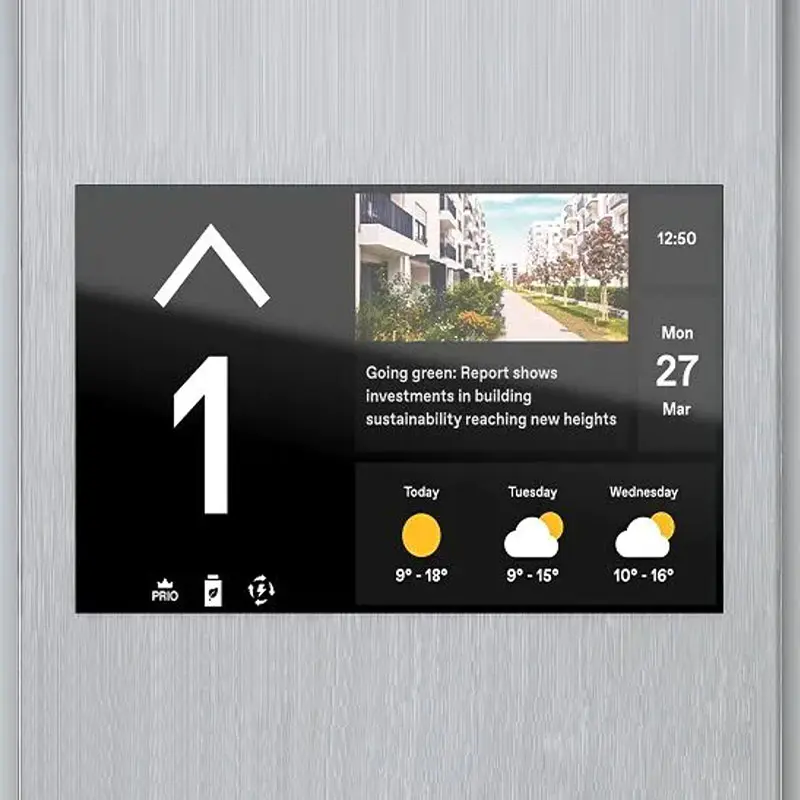
What Is Screen-Printed Glass for Elevator Panels? The Direct Answer
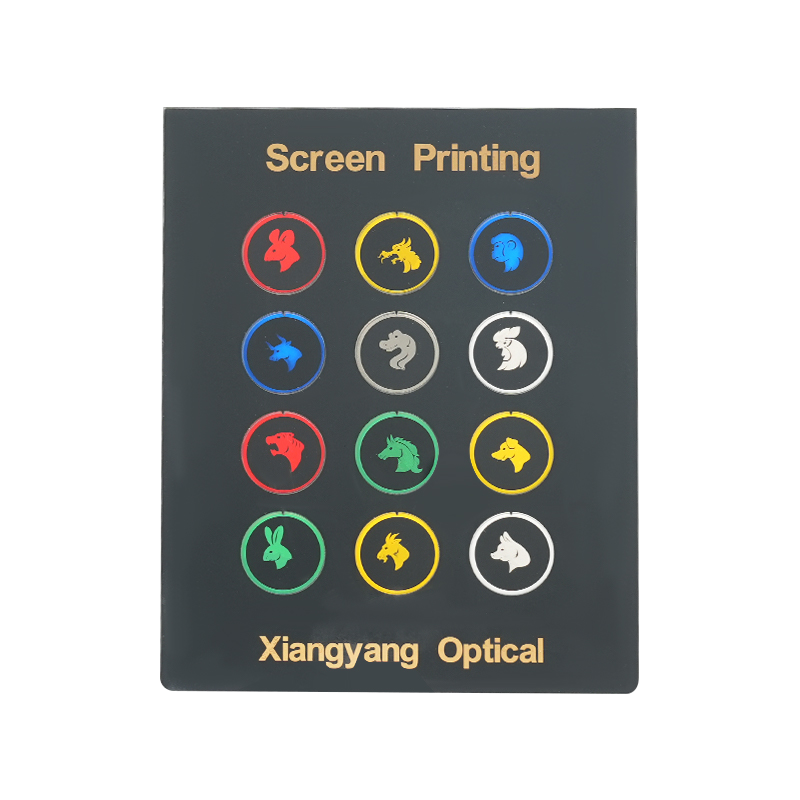
Screen-printed glass for elevator panels is architectural glass — typically tempered or laminated — onto which ceramic or UV-cured ink patterns are applied through a precision silk-screen process, then permanently fused into the glass surface during a high-temperature heat treatment. The result is a durable, decorative, and functionally safe panel used inside elevator cabins for wall cladding, door panels, ceiling sections, and handrail backings.
Unlike adhesive films or painted glass, the ceramic ink used in screen printing becomes chemically bonded to the glass substrate at temperatures between 600°C and 720°C during the tempering process. This fusion makes the decoration permanent — it does not peel, fade under UV exposure, or delaminate under humidity cycling. For elevator environments, where cleaning frequency and passenger contact are high, this permanence is a defining performance advantage.
The global market for decorative elevator glass panels has grown steadily alongside the rise of premium residential, hospitality, and commercial building construction. According to industry estimates from Grand View Research, the architectural glass market reached USD 89.3 billion in 2022 and is projected to expand at a CAGR of 6.8% through 2030, with elevator and interior architectural applications among the fastest-growing segments.
Elevator Glass Panel Usage by Building Type (%)
Source: Architectural Glass Market Application Survey, 2023 (industry composite). Hospitality buildings — hotels, resorts, and serviced apartments — represent the largest end-use segment for decorative elevator glass panels at 34%, driven by the premium on lobby and vertical circulation aesthetics. Commercial office and luxury residential segments together account for a further 46%, confirming that screen-printed elevator glass is predominantly a premium interior specification product rather than a commodity building material. Understanding this market composition helps suppliers and buyers align specification decisions with the right quality tier and design language.
How Screen-Printed Glass Is Made: The Manufacturing Process Step by Step
Understanding how screen-printed glass is made is valuable for buyers evaluating supplier capability and product consistency. The process is more technically demanding than it appears on the surface, and quality divergence between manufacturers almost always originates in one of five production stages.
Stage 1: Glass Substrate Selection and Cutting
The base glass for elevator cabin glass panels is typically float glass with a thickness of 6mm, 8mm, or 10mm depending on the structural load requirement of the specific panel position. Float glass offers the optical clarity and surface flatness required for consistent ink adhesion and visual uniformity across large panel runs. The glass is cut to panel dimensions using CNC water-jet or diamond wheel cutting systems to achieve edge tolerances of ±0.5mm.
Stage 2: Surface Preparation and Screen Setup
Before printing, the glass surface is cleaned in a multi-stage wash line to remove silica dust, oils, and ionic contaminants that would prevent ink adhesion. Screen setup involves stretching a fine mesh (typically 90–150 threads per cm) across an aluminum frame and applying a photosensitive emulsion. The design artwork is transferred to the screen via UV exposure and the unexposed emulsion is washed away, leaving open mesh areas that correspond to the print pattern.
Stage 3: Ceramic Ink Application
Ceramic frit ink — a mixture of fine glass particles, metal oxide pigments, and organic carrier vehicle — is forced through the open mesh areas of the screen using a rubber squeegee at controlled pressure and speed. The result is a deposited ink layer of typically 20–60 microns wet thickness. For multi-color designs, each color is printed as a separate pass with precision registration to ensure correct color overlap at edges.
Stage 4: Tempering and Ink Fusion
After drying, the printed glass enters a tempering furnace where it is heated to approximately 650°C–720°C. At this temperature, the ceramic frit melts and chemically bonds with the glass network. Simultaneously, rapid air quenching creates the compressive surface stress that gives tempered elevator glass panels their characteristic high break resistance and safe fragmentation pattern. The tempering process cannot be reversed — designs must be finalized before this stage.
Stage 5: Lamination (Optional for Safety-Critical Applications)
For applications where post-breakage integrity is required — full-height cabin walls, door panels, or overhead glass ceilings — the tempered printed glass may be laminated using a PVB (polyvinyl butyral) or SGP (SentryGlas) interlayer bonded to a second glass lite. Laminated glass panels for elevator interiors retain their structural form after impact, preventing panel fragments from falling into the cabin — a critical safety requirement under EN 81-20 and ASME A17.1 standards.
Screen-Printed Elevator Glass: Manufacturing Process Flow
The five-stage manufacturing flow for screen-printed elevator glass illustrates why ceramic ink fusion during tempering is the most critical step — it is irreversible and determines both the visual quality and the surface durability of the finished panel. The optional lamination stage transforms the panel from a monolithic tempered panel to a safety-critical post-breakage-intact assembly, as required by elevator codes for certain panel positions. Quality manufacturers maintain process documentation at each stage, enabling traceability from raw glass lot through to finished panel shipping.
Safety Standards for Elevator Glass Panels: What Buyers Must Know
Safety compliance is non-negotiable when specifying safety glass for elevator cabins. Elevator glass panels are subject to overlapping regulatory frameworks covering the glass itself (material standard), its performance in installation (structural loading), and its behavior after breakage (fragment pattern and post-breakage integrity). Buyers sourcing from any elevator glass panel supplier China factory should verify compliance with at least one of the major applicable standards before approving samples for installation.
Key international standards applicable to screen-printed and tempered glass in elevator cabin panels
Standard
Region
Scope
Key Requirement
EN 81-20 / EN 81-50
Europe
Elevator safety rules
Glazing must retain integrity after 10J impact; laminated glass required for overhead panels
ASME A17.1
North America
Safety code for elevators
Safety glazing materials per ANSI Z97.1; tempered or laminated required
ISO 12543
International
Laminated glass performance
Defines optical quality, impact resistance, humidity and heat-soak aging behavior
EN 12150 / EN 14179
Europe
Thermally toughened glass
Fragment count test (≥40 per 50cm²); heat-soak test to reduce NiS inclusion risk
GB 15763.2
China
Safety glazing for buildings
Fragment count ≥40 per 50cm²; surface stress ≥90 MPa
A particularly important requirement under European elevator codes is the heat-soak test (EN 14179-1), which subjects tempered glass to sustained elevated temperature (290°C for a minimum of 8 hours) to trigger early failure of any panels containing nickel sulfide (NiS) inclusions. NiS inclusions are microscopic defects in float glass that can cause spontaneous fracture in installed tempered panels under temperature cycling. Heat-soaked tempered glass (HST) is now a standard specification for tempered elevator glass panels in European projects and is increasingly requested in Middle East and Asia-Pacific projects as well.
Fire-Resistant Elevator Glass: When It Is Required
For elevator shafts in buildings where the elevator forms part of the fire-compartmentation strategy — typically in hospitals, high-rise residential towers, and certain commercial buildings — fire-resistant elevator glass panel requirements apply. Fire-rated glass (classified to EN 13501-2 or UL 10B/10C standards) must maintain integrity (E rating) and, in some cases, insulation (EI rating) for periods of 30, 60, or 90 minutes. Standard tempered or laminated screen-printed glass does not provide fire resistance and should not be specified in these locations without explicit fire-rating certification.
How Strong Is Tempered Glass in Elevator Panels?
How strong is elevator tempered glass is one of the most common technical questions from first-time specifiers. The answer is quantifiable. Thermally tempered glass has a surface compressive stress of 90–170 MPa, compared with 30–45 MPa for annealed (untreated) float glass of the same thickness. In practice, this means a 8mm tempered panel can withstand a centrally applied load approximately four to five times greater than an equivalent annealed panel before fracture.
Critically, when tempered glass does fracture — under extreme impact or point-load stress concentrations — it breaks into small, roughly cuboid fragments with blunt edges, significantly reducing laceration risk compared with the long, sharp shards produced by annealed glass fracture. This fragmentation behavior is the primary reason building codes mandate tempered or laminated safety glass in occupied enclosures including elevator cabins.
Surface compressive stress values represent typical midrange figures for each glass treatment type; actual values depend on glass composition, thickness, and furnace parameters. The comparison clearly illustrates why thermally tempered glass is mandated for elevator panel applications — its surface compressive stress of 90–170 MPa is 3–5x greater than untreated annealed glass, translating directly into higher impact resistance and safer post-breakage fragment behavior. Laminated tempered assemblies combine this strength advantage with post-breakage integrity, making them the specification of choice for full-height elevator cabin walls and glass ceiling panels where dropped fragments would create a passenger hazard.
Customization Options for Elevator Glass Panels: Design, Color, and Branding
Custom elevator glass panels represent one of the most creative and commercially differentiated segments of the elevator interior industry. For hotel chains, luxury residential developers, and corporate headquarters, the elevator cabin is a branded environment — and screen-printed glass is the primary medium through which that brand identity is expressed on the wall surfaces.
A skilled custom elevator interior glass manufacturer can produce panels with virtually any two-dimensional design: geometric patterns, gradient color fields, photographic representations rendered in ceramic dot-matrix halftone, corporate logos with sub-millimeter registration accuracy, and multi-layer designs that create depth effects through precise ink overlapping. Custom elevator glass panels with logo design have become a standard specification for hotel elevator lobbies and branded commercial tower lobbies globally.
Key Customization Parameters
Panel dimensions: Standard widths from 300mm to 2,400mm; custom dimensions to project specification with edge tolerance of ±1.0mm.
Glass thickness: 6mm, 8mm, 10mm, and 12mm are the most common for cabin applications; laminated assemblies typically range from 6+6mm to 10+10mm.
Ink color range: Standard ceramic color systems provide thousands of RAL and Pantone-equivalent shades; metallic effects (gold, silver, bronze) are available using metal-oxide ceramic formulations.
Opacity control: From fully opaque solid color fill to precise translucency gradients and fritted dot patterns (15%–85% coverage) that modulate light transmission while maintaining visual privacy.
Edge treatment: Flat polished, beveled, or arrised edges; CNC-routed holes for fixings and hardware at specified tolerance.
Substrate options: Clear float, ultra-clear (low-iron) glass for true color rendering, tinted base glass (grey, bronze, blue) for combined decorative and solar control effect.
Customization Capability: Screen Print vs Other Elevator Glass Decoration Methods
The radar comparison illustrates the strengths and trade-offs of three common elevator glass decoration methods across six buyer-relevant criteria. Screen-printed ceramic glass (blue solid) leads on color range, logo precision, and long-term durability — the last being its most significant advantage in elevator environments where cleaning frequency, passenger contact, and humidity exposure are ongoing. Digital printing (blue dashed) offers comparable design flexibility at lower setup cost, but trades off durability as inks are typically surface-applied rather than kiln-fused. Film and adhesive applications (red dashed) provide the lowest unit cost but are substantially weaker on durability, making them unsuitable for high-use elevator cabin environments where surface longevity is a maintenance consideration.
Hotel and Commercial Elevator Decorative Glass Panel Design Ideas
The specification of hotel elevator decorative glass panel ideas has evolved considerably over the past decade, moving from simple frosted or tinted panels toward highly detailed, architecturally integrated designs that extend the building's design language into the elevator core. The following applications represent the most frequently specified design approaches in premium projects:
Geometric and linear patterns: Repeating geometric motifs in metallic ceramic inks that align across adjacent panels to create a continuous pattern effect across the full cabin interior. Popular in contemporary hotel lobbies and corporate towers.
Gradient fade panels: Dot-matrix printing at varying coverage densities to create smooth color-to-clear or color-to-color gradients across a panel height. Frequently used for full-height wall panels in luxury residential towers.
Brand identity integration: Logo, monogram, or brand pattern printed at precise location and scale on cabin back wall panels. Standard specification for hotel chains seeking consistent cabin identity across properties.
Nature-inspired imagery: Abstracted floral, bamboo, stone texture, or landscape motifs rendered in halftone ceramic print. Common in spa hotels and biophilic design-themed commercial interiors.
Backlighting-optimized designs: Translucent ceramic patterns on glass panels backlit with LED sources to create illuminated feature walls within the elevator cabin, increasingly specified in high-end retail and hospitality applications.
How to Select a Reliable Elevator Glass Panel Supplier from China
China is the world's largest producer of architectural glass, with manufacturers in Guangdong, Jiangsu, Shandong, and Hebei provinces collectively accounting for a substantial share of global flat and processed glass output. For buyers seeking a screen printed glass elevator cabin panels supplier or a tempered elevator glass panels manufacturer China relationship, the evaluation framework below covers the criteria that most reliably predict product quality and delivery consistency.
What to Verify Before Placing a Production Order
Tempering furnace specification: Verify the furnace brand, loading capacity, and operational cycle capability. Leading glass tempering furnaces can hold dimensional flatness to less than 0.3% bow across a 2,400mm panel length — a critical factor for flush-fit elevator cabin installations.
Screen printing registration capability: For multi-color or logo designs, ask for minimum registration tolerance and sample panels demonstrating multi-pass print accuracy. Reputable factories achieve ±0.3mm registration on production runs.
Quality certifications held: ISO 9001:2015 is a baseline. For elevator cabin applications, ask whether the factory's product has been tested to EN 12150, EN 14179, or GB 15763.2. Request copies of current certificates with expiry dates.
Sample and prototyping process: A reliable architectural glass panels for elevators supplier will provide physical samples — both plain tempered and printed test panels — before confirming production. Evaluate flatness, color accuracy against approved artwork, edge quality, and ceramic ink surface hardness.
Packaging standards for export: Elevator glass panels are fragile and high-value. Verify that the factory uses A-frame timber crating with foam edge protection, corner padding, and moisture barrier wrapping as standard for export packing.
Production lead time and MOQ: Typical production lead times for custom screen-printed elevator glass panels range from 20 to 40 working days after artwork and specification approval, depending on order complexity and glass availability.
China Processed Glass Export Value Growth, 2018–2023 (Index, 2018=100)
Source: China Building Materials Federation, processed architectural glass export data, 2018–2023 (indexed). China's processed glass exports grew by 65% in value terms between 2018 and 2023, with a brief interruption in 2020 due to COVID-19-related construction project delays globally. The strong recovery from 2021 onward reflects both the resumption of deferred construction projects and an increasing global share of high-value processed glass applications — including custom decorative elevator glass panels — in China's export mix. For buyers, this growth trajectory confirms the maturation of Chinese manufacturers in this product category and the broadening availability of advanced processing capabilities.
About Nantong Xiangyang Optical Element Co., Ltd.
Founded in 1996 and based in Jiangsu Province, Nantong Xiangyang Optical Element Co., Ltd. is a high-tech enterprise integrating R&D, manufacturing, and sales of optical components and industrial glass. With advanced facilities and a professional technical team, the company serves clients across multiple industries globally. As an experienced optical glass filter manufacturer and OEM elevator glass panel factory with deep optical and industrial glass processing expertise, Nantong Xiangyang brings the precision and quality management culture of optical manufacturing to architectural and elevator glass applications — a combination that benefits buyers who require high dimensional accuracy and consistent print quality across production runs.
How to Clean and Maintain Elevator Glass Panels
Because the ceramic ink on screen-printed glass is kiln-fused into the glass surface, elevator glass panels of this type are among the most maintenance-friendly interior surface finishes available. There is no concern about damaging a coating or film layer during routine cleaning. However, some care is still warranted to avoid surface scratching or staining from inappropriate cleaning products.
Routine cleaning: Use a soft microfiber cloth or squeegee with a mild neutral pH glass cleaner. Avoid abrasive pads or powders that could scratch the glass surface adjacent to ink areas.
Grease and fingerprint removal: Isopropyl alcohol (IPA) solution at 70% concentration applied with a lint-free cloth is effective for fingerprint and grease removal without affecting ceramic ink areas.
Avoid alkaline cleaners: Strong alkaline cleaners (high-pH degreasers, bleach-based products) can attack certain ceramic ink formulations over time, particularly metallic-effect inks containing silver or gold oxide components.
Sticker and adhesive residue: Remove with acetone or commercial adhesive remover applied carefully with a soft cloth; avoid prolonged contact with printed ink areas and rinse with water after application.
Frequently Asked Questions
The following questions represent the most common queries from architects, elevator contractors, and procurement managers evaluating screen-printed elevator glass panels for the first time.
Q1. What is screen-printed glass for elevators?
Screen-printed elevator glass is tempered or laminated architectural glass onto which ceramic ink patterns are applied via a precision silk-screen process and permanently fused into the glass surface during the tempering heat cycle at 650–720°C. The result is a durable, decorative panel used for elevator cabin walls, doors, and ceilings that does not peel, fade, or delaminate under normal use conditions.
Q2. Is printed glass safe for elevators?
Yes, when manufactured to the applicable standard. The screen-printing process is performed before tempering, so the finished panel has the same mechanical strength and fragment behavior as standard tempered glass. For safety-critical positions such as overhead panels or full-height cabin walls, laminated tempered glass is specified to ensure post-breakage integrity. Both types meet EN 81-20 and equivalent national elevator safety codes when sourced from a certified manufacturer.
Q3. What type of glass is used in elevator panels?
The two primary types are thermally tempered glass (monolithic, high surface compressive stress of 90–170 MPa) and laminated glass (two or more glass lites bonded with PVB or SGP interlayer). Tempered glass is used for most cabin interior panels; laminated tempered glass is specified for structural panels, overhead glazing, and any position where post-breakage integrity is a safety requirement under the applicable elevator code.
Q4. Can elevator glass panels be customized?
Yes, extensively. Custom elevator glass panels can be produced in any panel dimension up to approximately 2,400mm wide, in any ceramic ink color (including metallic effects), with geometric patterns, photographic halftone imagery, corporate logos, and gradient opacity designs. Custom elevator glass panels with logo design are a standard specification for hotel and corporate elevator projects globally. Artwork must be provided in vector format and finalized before tempering, as the design cannot be changed after this stage.
Q5. How strong is tempered glass in elevators?
Tempered glass used in elevator panels has a surface compressive stress of 90–170 MPa, giving it approximately 4–5 times the impact resistance of equivalent annealed (untreated) glass. When it does fracture, it breaks into small blunt-edged fragments rather than sharp shards. For elevator cabin panels, 8mm and 10mm tempered glass thicknesses are most commonly specified, providing structural performance that comfortably exceeds the loading requirements of typical cabin wall and door panel applications.
Q6. How do you clean elevator glass panels?
Use a soft microfiber cloth with a mild neutral-pH glass cleaner for routine cleaning. Isopropyl alcohol (70% solution) is effective for fingerprints and grease. Avoid abrasive pads, alkaline cleaners, and bleach-based products, which can scratch the glass surface or affect certain metallic ceramic ink formulations over time. Screen-printed ceramic glass panels are more resistant to cleaning damage than film-based or digitally printed glass alternatives because the decoration is kiln-fused into the glass surface.




 English
 Español