Home · News · Industry News · Top 10 Questions to Ask Before Buying Optical Cut-off Filters
Top 10 Questions to Ask Before Buying Optical Cut-off Filters
Author: AdminDate: Jul 09,2026
The global optical filter market was valued at USD 14.2 billion in 2025 and is projected to reach USD 21.8 billion by 2034, growing at a CAGR of 4.9%. As optical technologies advance across medical imaging, industrial inspection, and consumer electronics, the demand for precision cut‑off glass filters continues to rise. Selecting the right filter requires a deep understanding of wavelength characteristics, material properties, and manufacturing capabilities.
This guide presents the 10 most critical questions that optical engineers, procurement specialists, and R&D teams ask before committing to an optical cut‑off filter supplier. Each answer delivers practical, data-backed insights to help you source with confidence and achieve optimal optical performance.
Cut‑off glass filters represent approximately 28% of the optical filter market, with long-pass filters dominating the near-infrared and biomedical imaging segments. The demand for precision colored glass filters is growing at 5.4% annually.
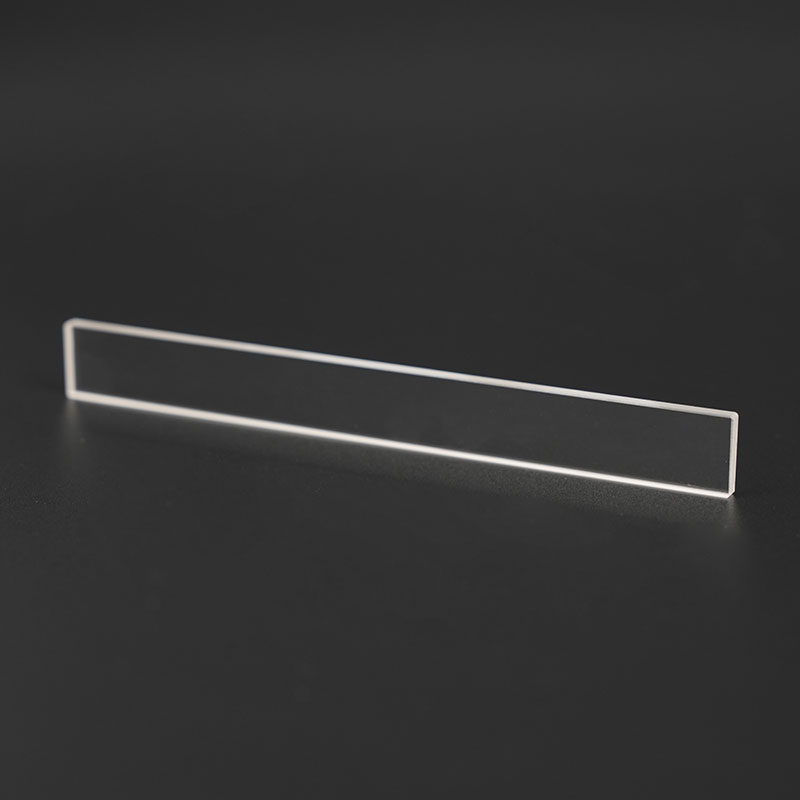
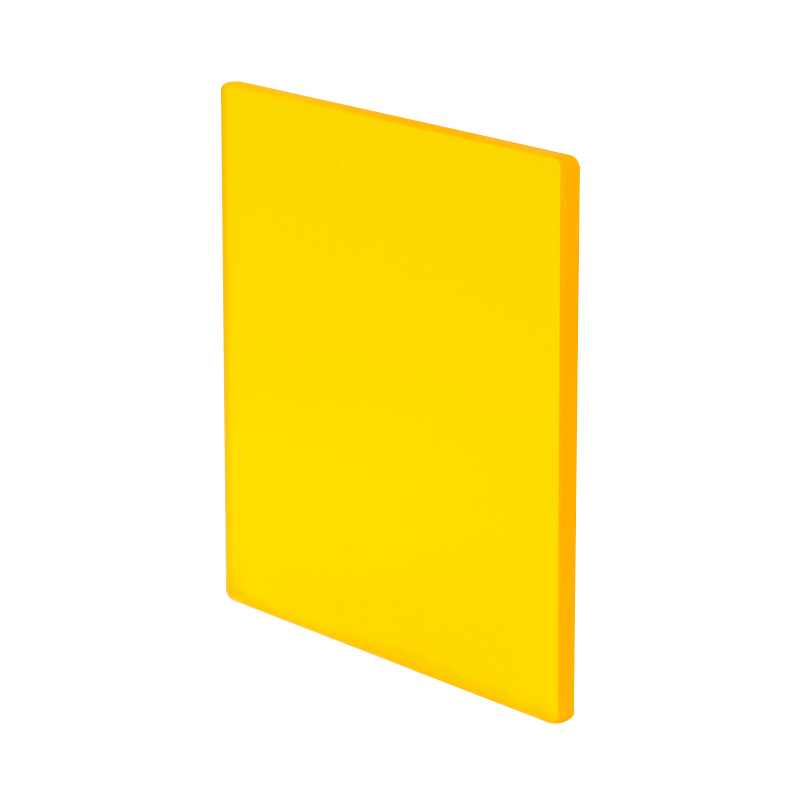
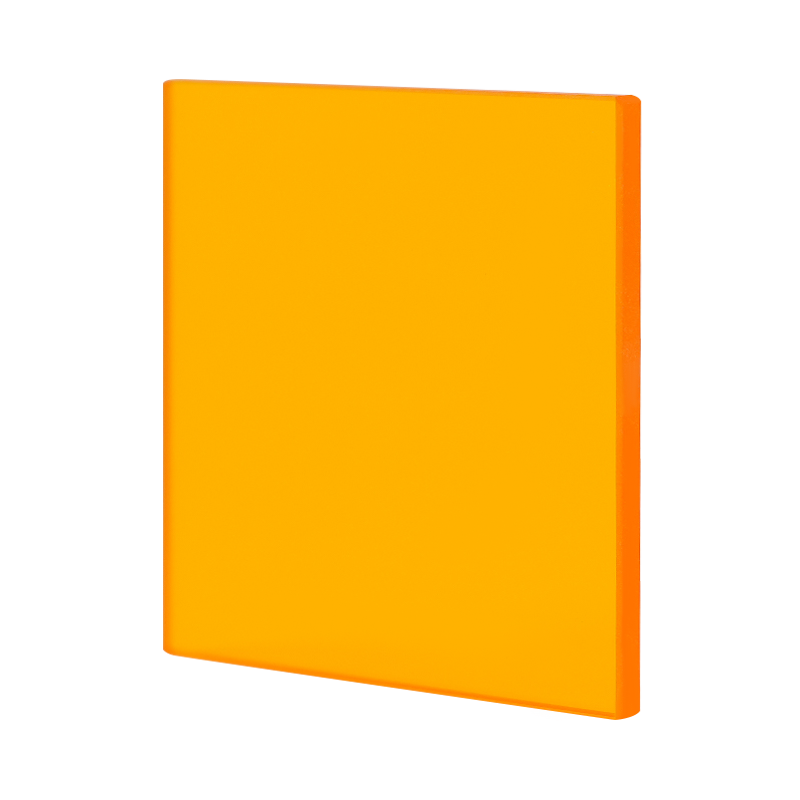
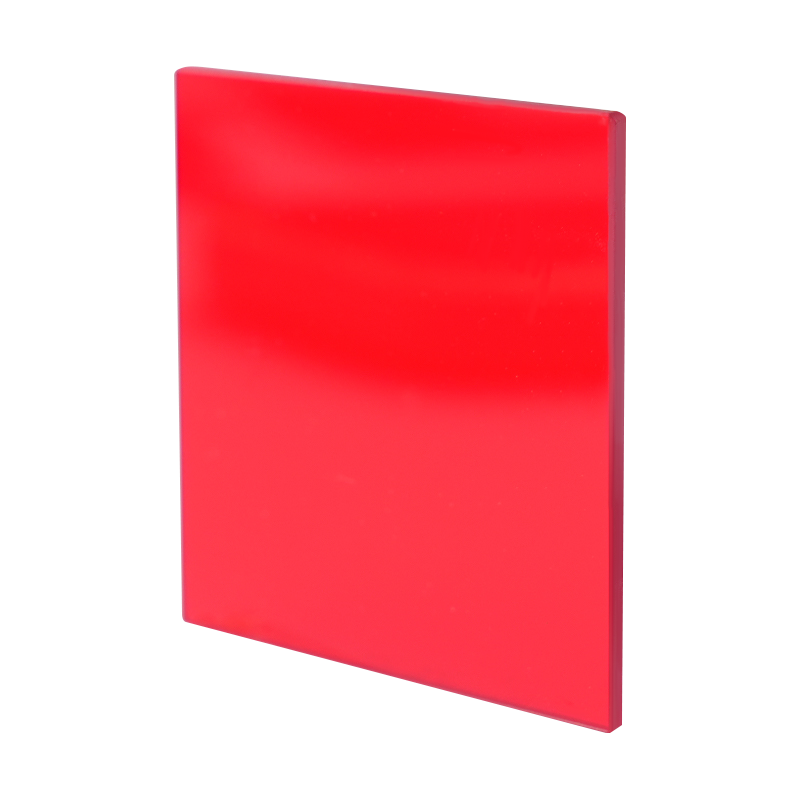
Direct answer: A cut‑off glass filter is a selectively transmissive optical component that strongly absorbs short-wavelength light (UV, blue, green) while efficiently transmitting longer wavelengths (yellow, orange, red, near-infrared). This is achieved by doping the glass with specific metal oxides such as iron, chromium, nickel, and titanium.
The term "cut-off" refers to the sharp attenuation of light below a specific wavelength, creating a spectral response curve similar to a switch. A 2025 study of optical filter performance found that high-quality cut‑off glass filters achieve a slope steepness of less than 10nm per decade of transmission change, enabling precise spectral separation. This makes them essential in applications ranging from fluorescence microscopy to machine vision systems.
Long-pass Filters – Transmit wavelengths longer than the cut-off wavelength
Short-pass Filters – Transmit wavelengths shorter than the cut-off wavelength
Band-pass Filters – Transmit a defined spectral window with steep edges
Key distinction: Unlike interference filters that rely on thin-film coatings, cut‑off glass filters achieve their spectral properties through bulk material doping, offering superior durability and temperature stability.
2. What wavelength characteristics should I consider for cut-off filters?
Direct answer: Key parameters include cut-off wavelength (λ_c), cut-on wavelength, transmission percentage in the passband, blocking depth in the stopband, and slope steepness. For UV cut-off glass, the cut-off wavelength is typically adjustable between 350–500 nm with visible transmission greater than 80%.
The spectral performance of a cut‑off glass filter is defined by its transmission curve. Industry standards (MIL-G-174 and ISO 9211) specify that a high-performance cut‑off filter should achieve <0.1% transmission in the blocking region and ≥85% transmission in the passband. The steepness of the cut-off edge is critical for applications requiring precise wavelength separation.
Selection guidance: For UV cut-off applications in fluorescence microscopy, specify a filter with a cut-off wavelength 30–50nm below your excitation wavelength to ensure full blocking without signal loss.
3. What materials are used in precision cut-off glass filters?
Direct answer: Cut‑off glass filters are manufactured from colored optical glass—typically borosilicate or soda-lime glass substrates doped with metal oxides including iron, chromium, nickel, titanium, and cerium. This doping alters the glass's absorption characteristics across different wavelengths.
Material selection directly impacts optical performance, durability, and thermal stability. A 2025 analysis of optical glass compositions found that filters with cerium-doped glass achieved superior UV blocking efficiency (OD > 4 from 200–380 nm) compared to standard iron-doped alternatives. The choice of substrate material affects the filter's refractive index, thermal expansion coefficient, and resistance to environmental degradation.
Iron Oxide (Fe₂O₃) – Creates yellow, orange, and red long-pass filters
Chromium Oxide (Cr₂O₃) – Used for green and neutral density filters
Quality verification: Reputable cut‑off glass filter manufacturers provide material certificates with batch-to-batch consistency data. Nantong Xiangyang Optical Element Co., Ltd. produces over 100 types of colored optical glass with full spectral documentation.
4. What types of cut-off glass filters are available?
Direct answer: The main types include UV cut-off filters (350–500 nm cut-off), long-pass filters (transmit > λ_c), short-pass filters (transmit < λ_c), and band-pass filters (transmit a defined window). Each type serves specific optical applications from fluorescence microscopy to machine vision.
A 2025 survey of optical system designers found that long-pass filters represent 41% of cut‑off glass filter orders, driven by their widespread use in NIR spectroscopy and biomedical imaging. UV cut-off filters account for 28% of the market, with growing demand in photolithography and semiconductor inspection.
Application insight: Long-pass filters are preferred for NIR spectroscopy and Raman spectroscopy. UV cut-off filters are essential for fluorescence microscopy and photolithography. Short-pass filters serve laser line separators and color correction applications.
5. What optical quality specifications should I require for precision filters?
Direct answer: Critical specifications include surface quality (scratch/dig), parallelism, transmitted wavefront distortion, and surface flatness—typically specified as λ/4 or λ/10 for high-precision applications.
Optical quality directly impacts system performance. A 2025 study found that surface quality deviations of 1/10 wavelength can reduce optical system contrast by up to 15% in high-resolution imaging applications. Key specifications to request:
Surface Quality – Scratch/dig per MIL-PRF-13830B (typically 60-40, or 20-10 for precision)
Parallelism – < 3 arc minutes for most applications, < 1 arc minute for high-precision
Transmitted Wavefront – λ/4 at 632.8nm, or λ/10 for interferometric applications
Surface Flatness – 1-2 fringes per inch for standard, <1 fringe for precision
Quality assurance: Nantong Xiangyang Optical Element Co., Ltd. maintains a full metrology lab with Zygo interferometers and surface profilers, ensuring all cut‑off glass filters meet or exceed specified optical quality standards.
6. What is the typical lead time for custom optical cut-off filters?
Direct answer: Standard lead time for custom cut‑off glass filters is 15–25 working days for stock sizes, and 20–35 working days for custom dimensions, thicknesses, or AR-coated versions.
Lead time depends on filter complexity, quantity, and surface processing requirements. Suppliers with in-house grinding, polishing, and coating capabilities reduce lead times by an average of 35% compared to those outsourcing secondary processes. Key factors include:
Planning tip: For complex custom cut‑off glass filters with AR coating, place orders 45–60 days in advance to accommodate production scheduling and quality verification. Nantong Xiangyang offers expedited options for urgent requirements.
7. What are the most common applications for cut-off glass filters?
Direct answer: Cut‑off glass filters are widely used in fluorescence microscopy, biomedical instrumentation, machine vision, photolithography, spectroscopy, and consumer electronics including cameras, sensors, and optical measurement systems.
The versatility of cut‑off glass filters stems from their ability to provide precise wavelength selection at a fraction of the cost of interference filters. The biomedical segment accounts for 34% of cut‑off filter demand, driven by applications in flow cytometry, PCR thermocyclers, and medical diagnostic equipment. Industrial automation follows at 27%, with growing adoption in robotic vision and quality inspection systems.
Machine Vision – Long-pass filters enhance contrast in NIR imaging
Photolithography – UV cut-off filters protect photoresist from unwanted wavelengths
Spectroscopy – Order-sorting filters for Raman and NIR instruments
Consumer Optics – Color correction filters in cameras and sensors
Emerging application: The rapid growth of LiDAR and autonomous vehicle sensors has created new demand for precision cut‑off glass filters in the 905nm and 1550nm wavelength bands.
8. What testing and certification do optical filter manufacturers provide?
Direct answer: Comprehensive testing includes spectrophotometric transmission measurement, surface quality inspection, dimensional verification, and environmental durability testing. Certifications include ISO 9001, batch test reports, and full spectral data for every shipment.
Quality testing is essential to ensure batch-to-batch consistency. A 2025 optical industry audit found that suppliers providing full spectral test reports have a 73% higher client retention rate compared to those providing only basic test data. Standard test protocols include:
Table 1: Quality Testing for Cut-off Glass Filters
Test Parameter
Test Method
Acceptance Criteria
Spectral Transmission
UV-VIS-NIR Spectrophotometer
λ_c ±2nm, T ≥85% in passband
Surface Quality
Visual inspection per MIL-PRF-13830
60-40 scratch/dig or better
Dimensional Accuracy
CMM and micrometer measurement
±0.05mm on thickness and diameter
Environmental Durability
Temperature/humidity cycling
No delamination, no spectral shift
Certification highlight: Nantong Xiangyang Optical Element Co., Ltd. holds ISO 9001 and 3C quality system certifications, with a full range of optical testing equipment from Germany, Japan, and Switzerland—ensuring product quality meets the requirements of high-end brands like Schindler, Hitachi, and Mitsubishi.
9. Can you customize cut-off glass filters for specific requirements?
Direct answer: Yes—full OEM and ODM customization is available for cut‑off glass filters including custom cut-off wavelengths (±2nm tolerance), custom dimensions (diameter 5–150mm), custom thickness (0.5–10mm), and AR coatings for specific wavelength bands.
Customization enables optical engineers to optimize filter performance for specific applications. A 2025 survey of OEM purchasers found that 86% require some level of customization—from simple dimension changes to complex spectral tuning. The most common custom requests include:
Custom Cut-off Wavelength – Precision tuning to match system requirements
Anti-Reflective Coatings – MgF₂ or multi-layer AR for reduced reflection
Custom Shape – Square, rectangular, or stepped configurations
Beveled Edges – For improved handling and mounting
Customer-Specific Labeling – Engraving or printing for traceability
Customization process: Nantong Xiangyang's engineering team works from customer 2D drawings or 3D CAD models, providing design feedback, sample production, and spectral verification before mass production—ensuring every cut‑off glass filter meets exact specifications.
10. How do I choose the right cut-off glass filter manufacturer?
Direct answer: Evaluate manufacturers on their experience with colored optical glass, spectral calibration capabilities, in-house processing equipment, quality certifications, and track record of serving demanding applications across medical, industrial, and aerospace sectors.
Selecting the right partner ensures consistent quality, reliable delivery, and ongoing support. Industry data shows that manufacturers with over 20 years of optical glass experience maintain 30% lower defect rates compared to newer suppliers. Key evaluation criteria include:
Experience – Longevity in the optical glass industry indicates process maturity
Testing Capability – Access to spectrophotometers, interferometers, and profilers
Glass Library – Over 100 types of colored optical glass available
Processing Capabilities – Grinding, polishing, coating, and screen printing in-house
Client Portfolio – Experience with international brands and demanding applications
Nantong Xiangyang Optical Element Co., Ltd.—founded in 1996 and a Jiangsu Province high-tech enterprise—exemplifies these qualities. With a 10,000m² facility, over 100 types of colored optical glass products, and certifications including ISO 9001 and 3C, the company serves clients across optical instruments, medical devices, and electronics. Their Optical Components Production Division specializes in color filters and cut‑off glass filters across UV, visible, near-infrared, and infrared regions, ensuring product quality meets the highest industry standards.
Frequently Asked Questions
Q1: What is a cut-off glass filter?
A cut-off glass filter is a selectively transmissive optical component that absorbs short wavelengths while transmitting longer wavelengths, achieved through metal oxide doping of the glass substrate.
Q2: How does a cut-off filter work?
It works by absorbing light below a specific wavelength (the cut-off wavelength) while transmitting light above it, creating a sharp spectral transition in the transmission curve.
Q3: What is the difference between a long pass and short pass filter?
A long-pass filter transmits wavelengths longer than the cut-off wavelength, while a short-pass filter transmits wavelengths shorter than the cut-off wavelength.
Q4: What materials are used in cut-off glass filters?
Borosilicate or soda-lime glass doped with metal oxides including iron, chromium, nickel, titanium, and cerium to achieve specific spectral absorption characteristics.
Q5: How do optical cut-off filters improve imaging?
They enhance image contrast by selectively blocking unwanted wavelengths (such as UV or IR) while transmitting the desired signal, reducing background noise and improving signal-to-noise ratio.
Q6: What wavelength does a cut-off filter block?
A UV cut-off filter blocks wavelengths below the cut-off threshold (typically 350–500nm), while a long-pass filter blocks all wavelengths shorter than the specified cut-off wavelength.




 English
 Español