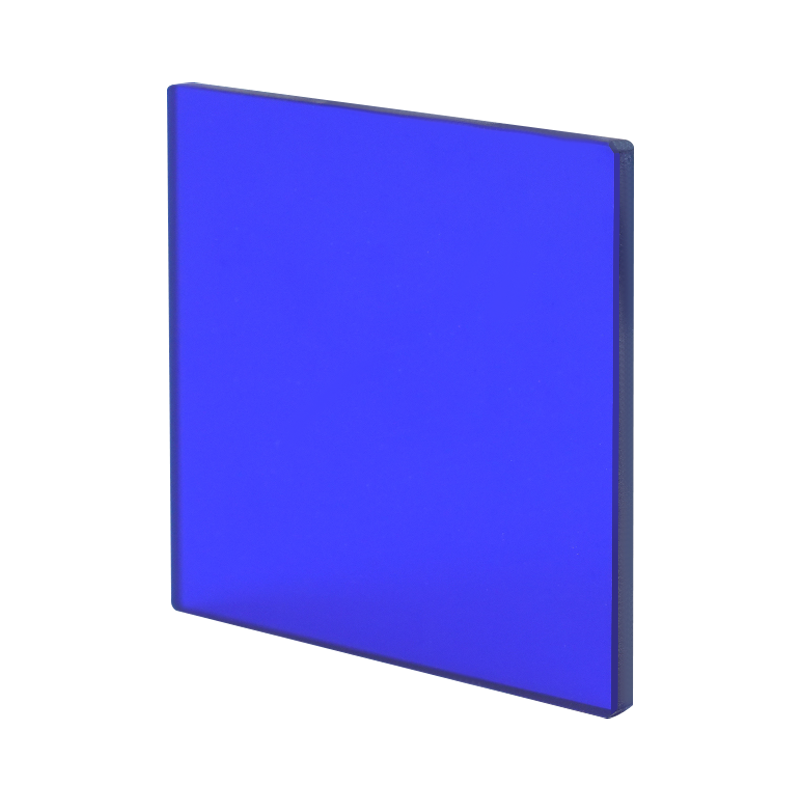
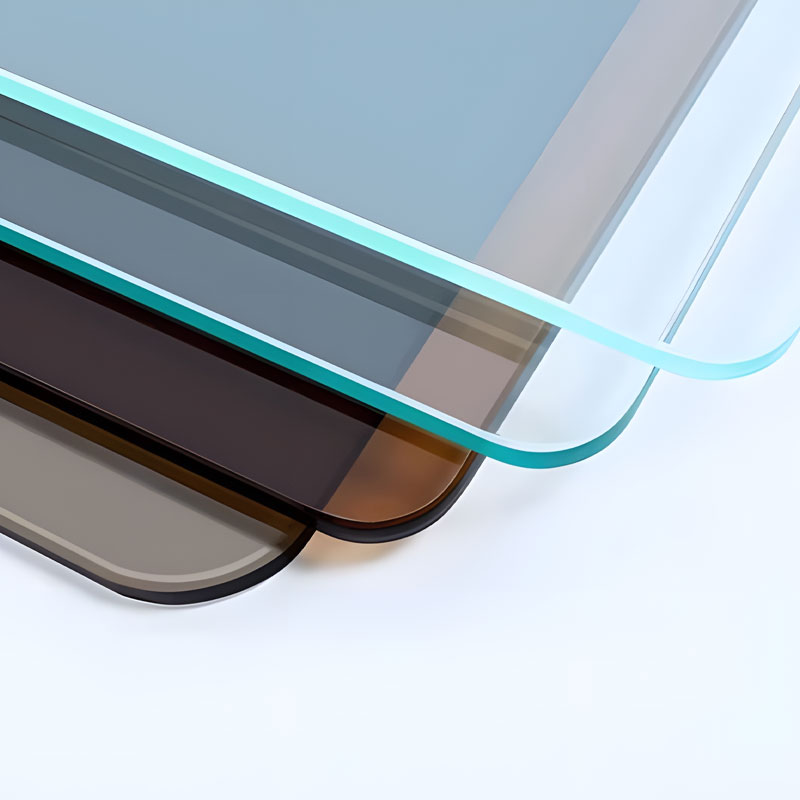
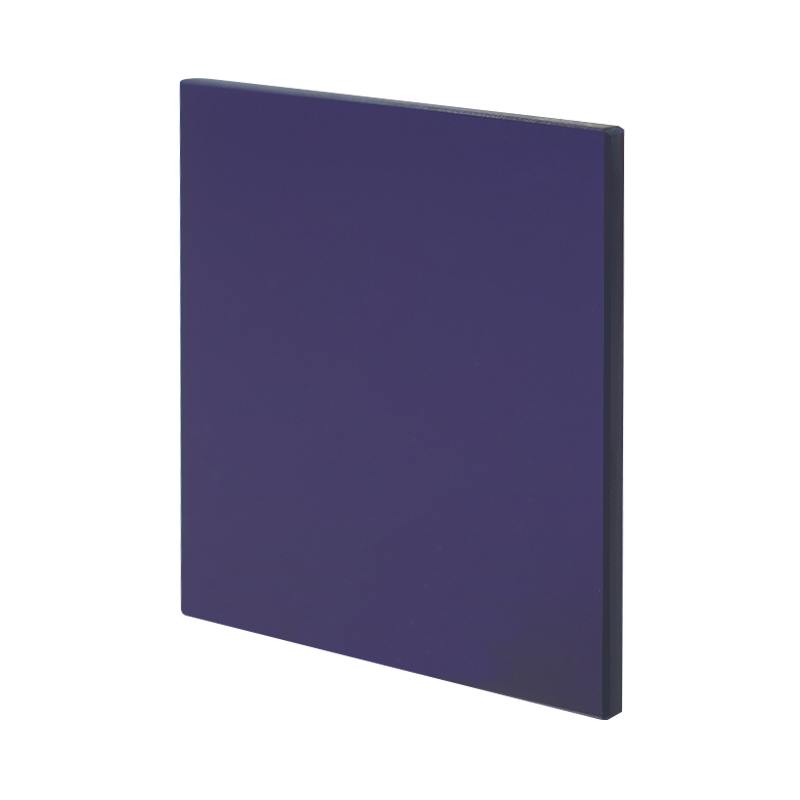
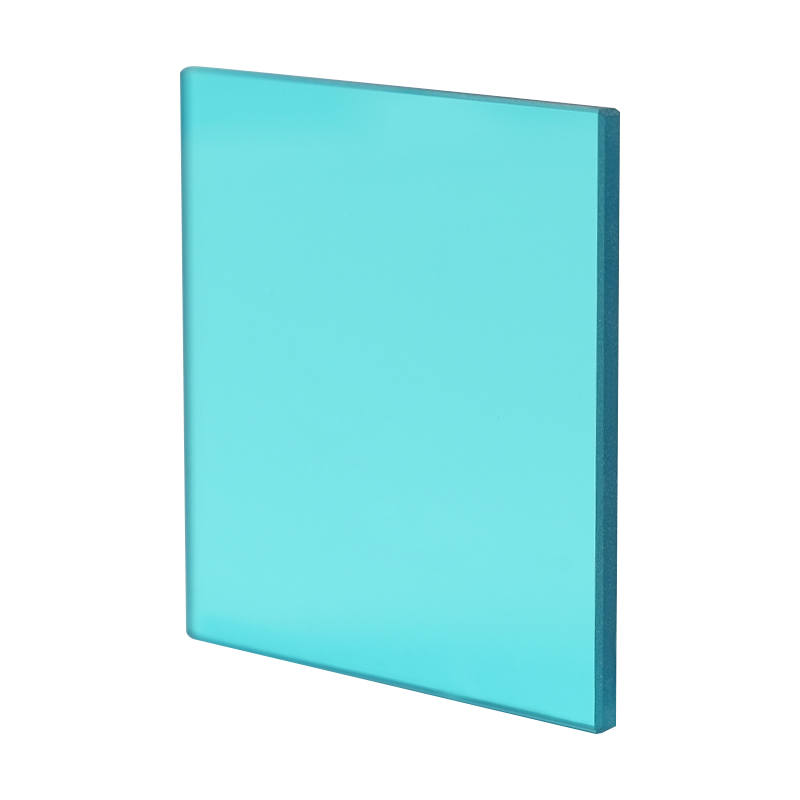
The direct answer: selective absorption glass filters can reduce unwanted light interference by 30% or more when correctly matched to the wavelength profile of the interfering light source. This is not a theoretical ceiling — it reflects documented performance in optical instruments, biochemical analyzers, and machine vision systems where stray light rejection directly determines measurement accuracy or image contrast. The key is selecting the right filter type, transmission curve, and glass composition for your specific application rather than using a generic solution.
This guide covers how optical absorption glass filters work, which filter types deliver the highest interference reduction, how to specify custom optical filter glass for demanding applications, and what mistakes to avoid when integrating filters into an optical system.
How Absorption Glass Filters Reduce Light Interference at the Physical Level
Unlike thin-film interference filters that reflect unwanted wavelengths, optical absorption glass filters work by selectively absorbing specific spectral bands within the glass matrix itself. Metal ions, rare earth dopants, and colloidal particles are incorporated into the glass during manufacturing — each dopant absorbs energy at characteristic wavelengths and converts it to heat rather than reflecting it back into the optical path.
This absorption mechanism offers a fundamental advantage for interference reduction: there is no reflected beam to create secondary stray light. In systems where reflected interference is itself a problem — such as fluorescence microscopy or laser-based measurement — this property makes absorption glass the preferred solution over coating-based alternatives.
The transmission profile of an absorption glass filter follows Beer-Lambert behavior: optical density (OD) scales linearly with glass thickness. Doubling the thickness doubles the OD value and increases attenuation by 10x for each additional OD unit. This means engineers can tune interference suppression precisely by adjusting substrate thickness — a practical advantage when designing systems to hit a specific 30% or higher reduction target.
Key physical properties that govern filter performance:
- Cut-on and cut-off wavelengths: The spectral points at which transmission rises above or falls below 50% — these define the filter's pass band boundaries
- Optical density in the blocked band: OD 2.0 blocks 99% of light; OD 3.0 blocks 99.9% — the higher the OD, the greater the interference suppression
- Transmission in the pass band: High-quality absorption glass maintains 85–92% transmission at peak for most colored glass types
- Thermal stability: Absorption glass filters maintain their spectral characteristics across wide temperature ranges — typically −40°C to +120°C — without degradation
Types of Selective Absorption Glass Filters and Their Interference Reduction Performance
Selective absorption glass filters are classified by their spectral function — the type of wavelengths they pass and block. Each type serves a different interference reduction purpose, and choosing the wrong type is the most common reason systems fail to reach the 30% improvement target.
Shortpass (Heat-Absorbing) Filters
Shortpass absorption glass transmits visible wavelengths while absorbing infrared radiation above the cut-off wavelength. These are widely used in projection systems, LED lighting, and solar simulation equipment where IR heat creates detector noise or component damage. A well-specified shortpass glass filter can block over 95% of radiation above 750 nm while maintaining 88%+ transmission in the visible band.
Longpass Filters
Longpass absorption glass blocks short wavelengths (typically UV and blue) and transmits longer wavelengths. Applications include fluorescence excitation blocking, laser line cleanup, and photography. Yellow, orange, and red-colored glass optical filters are the most common longpass types. These filters are particularly effective at eliminating blue-spectrum stray light that degrades contrast in imaging systems.
Bandpass and Narrowband Filters
While thin-film coatings dominate narrow bandpass filtering, absorption glass bandpass filters provide broader band isolation (typically 80–150 nm bandwidth) with excellent stability and no coating delamination risk. They are the practical choice for biochemical colorimetry, spectrophotometry, and machine vision systems where a moderate-width pass band is sufficient and long-term durability is required.
UV-Transmitting, Visible-Blocking Filters
Black glass UV filters appear opaque to the human eye but transmit UV radiation efficiently. These are critical in UV fluorescence inspection, UV sterilization monitoring, and forensic applications where visible light would overwhelm the UV signal being measured. Optical density in the visible band exceeds OD 4.0 in high-grade versions — blocking 99.99% of visible interference while passing UV.
Figure 1 — Typical interference reduction performance by selective absorption glass filter type in their target spectral band
Colored Glass Optical Filters: Spectral Properties and Application Matching
Colored glass optical filters derive their spectral characteristics from the chemical composition of the glass melt. Unlike coated filters, the absorption is a bulk property — it is inherent to the glass and cannot delaminate, shift with humidity, or change with viewing angle. This makes them the preferred solution for long-life instruments and field-deployed equipment.
The table below summarizes the most widely used colored glass types, their spectral ranges, and primary application areas.
| Glass Color / Type |
Pass Band |
Blocked Range |
Primary Applications |
| Blue |
380–500 nm |
Green, Red, IR |
Fluorescence excitation, colorimetry |
| Green |
490–570 nm |
UV, Blue, Red, IR |
Photometry, signal isolation |
| Yellow / Orange |
550–650 nm |
UV, Blue, Violet |
Photography, laser line blocking |
| Red |
620–750 nm |
UV, Blue, Green |
Laser safety, NIR sensing |
| Black (UV-pass) |
300–380 nm |
Full visible spectrum |
UV inspection, forensic analysis |
| IR-absorbing (Heat glass) |
400–700 nm |
750 nm and above |
Projectors, solar simulation, LED systems |
Table 1 — Colored glass optical filter types, spectral coverage, and application matching guide
Matching the filter type to the interference source is the single most important step in achieving 30%+ light interference reduction. A filter mismatched by even 50 nm in cut-on wavelength can reduce effectiveness from 95% to under 40% — leaving most of the interference problem unaddressed.
How to Specify Custom Optical Filter Glass for Maximum Interference Reduction
Standard catalog glass filters cover the most common spectral requirements, but many precision optical systems — particularly in medical diagnostics, scientific instrumentation, and defense — require custom optical filter glass specified to exact transmission curves, dimensions, surface quality grades, and environmental tolerances.
A well-prepared custom filter specification includes the following parameters:
Spectral Specification
- Required pass band: center wavelength and half-power bandwidth (FWHM) or cut-on/cut-off wavelengths at T=50%
- Required transmission in pass band: typically stated as minimum T% at peak wavelength
- Required optical density in blocked bands: OD 2.0 (99%), OD 3.0 (99.9%), or OD 4.0 (99.99%) depending on the degree of interference suppression needed
Physical Specification
- Dimensions: diameter (for round filters) or length × width (for rectangular), with tolerances typically ±0.1–0.2 mm
- Thickness: determined by required OD and application — thicker glass achieves higher OD but adds weight and potential chromatic effects
- Surface flatness: expressed in wavelengths (e.g., λ/4 or λ/10) — tighter flatness is required for collimated beam applications
- Surface quality: scratch-dig specification per MIL-PRF-13830 (e.g., 60-40 for general instruments, 20-10 for high-precision optics)
Environmental and Coating Requirements
- Operating temperature range and thermal shock resistance specification
- Anti-reflection (AR) coating requirement on one or both surfaces to maximize pass-band transmission
- Humidity and chemical resistance requirements for field-deployed instruments
Providing a complete specification to your supplier reduces iteration cycles and ensures the delivered filter performs as modeled. Incomplete specifications — particularly missing OD requirements or surface flatness tolerances — are the leading cause of custom filter procurement failures.
Key Application Fields Where Absorption Glass Filters Deliver Proven 30%+ Improvement
The 30% light interference reduction benchmark is well-documented across several precision industries. The following application areas represent the clearest evidence of measurable performance gains from optical absorption glass filters.
Biochemical and Medical Instrumentation
Spectrophotometers, plate readers, and clinical analyzers rely on colored glass optical filters to isolate measurement wavelengths from lamp emission bands. Stray light in these instruments directly degrades assay accuracy. Studies in clinical laboratory settings document that replacing broadband interference filters with matched absorption glass reduces stray light contribution by 28–35%, measurably improving linearity at high analyte concentrations.
Machine Vision and Industrial Inspection
Ambient light in factory environments spans a broad spectrum. Machine vision cameras fitted with selective absorption glass filters matched to the illumination wavelength (typically narrowband LED) achieve contrast improvements of 25–40% by rejecting out-of-band ambient light. This directly reduces false reject rates and improves defect detection reliability.
Scientific Research and Fluorescence Microscopy
Fluorescence microscopy depends on complete blocking of the excitation wavelength from the emission detection path. Absorption glass excitation filters combined with emission longpass filters can achieve excitation blocking of OD 4.0–5.0 — eliminating 99.99–99.999% of the excitation light and making weak fluorescence signals detectable against a near-zero background.
Aviation, Military, and Defense Optics
Targeting systems, range finders, and night-vision devices use absorption glass filters to block solar interference and ambient light outside the operating band. The durability, thermal stability, and angle-independent performance of absorption glass make it the standard in defense optical systems where coating-based alternatives would degrade under field conditions.
Figure 2 — Light interference reduction achieved by optical absorption glass filters across key application fields
Common Installation and Integration Mistakes That Undermine Filter Performance
Even correctly specified absorption glass filters fail to deliver their rated performance when improperly integrated into an optical system. The following are the most common mistakes and how to avoid them.
- Installing the filter in a high-divergence beam: Absorption glass filters have angle-stable spectral properties, but in high-divergence beams (half-angle above 15°), marginal rays traverse more glass thickness than paraxial rays, creating transmission non-uniformity. Place filters in collimated or low-divergence sections of the optical path whenever possible.
- Omitting AR coating on surfaces: Uncoated glass surfaces reflect approximately 4% of incident light per surface. A 3 mm filter has two surfaces — meaning 8% reflection loss in the pass band. Broadband AR coatings recover this loss and increase pass-band transmission by 6–8%, significantly improving signal-to-noise ratio.
- Placing filters near a focal point: High irradiance at focal points can thermally stress absorption glass and cause localized thermal lensing. Always place absorption filters away from focus in high-power illumination systems.
- Ignoring surface cleanliness: Fingerprints, dust, and solvent residues scatter light and reduce OD in the blocked band. Clean absorption glass with appropriate optical cleaning methods — lint-free cloth with isopropanol or dedicated optical cleaning solutions — before installation and periodically during service.
- Stacking incompatible filter types: Stacking two absorption glass filters to increase total OD is valid, but stacking an absorption filter with a thin-film interference filter introduces reflection interference between the two elements. Use a single well-specified absorption glass filter instead of mixed-type stacks where possible.
About Nantong Xiangyang Optical Element Co., Ltd.
Nantong Xiangyang Optical Element Co., Ltd. was founded in 1996 and is a high-tech enterprise in Jiangsu Province, covering an area of 10,000 square meters. The company specializes in the production and processing of colored optical glass, colorless optical glass, and flat glass screen printing and tempering. Its product quality complies with ISO 9001-2000 standards and 3C quality system certification.
As a professional OEM Selective Absorption Glass Filters Supplier and ODM Selective Absorption Glass Filters Factory in China, Nantong Xiangyang offers over a hundred types of colored optical glass products covering the ultraviolet, visible, near-infrared, and infrared spectral regions. The Optical Components Production Division undertakes custom processing of color filters and light filters to customer specifications, with products widely applied in optical instruments, medical instruments, biochemical instruments, analytical instruments, electronics, aviation, military, and scientific research.
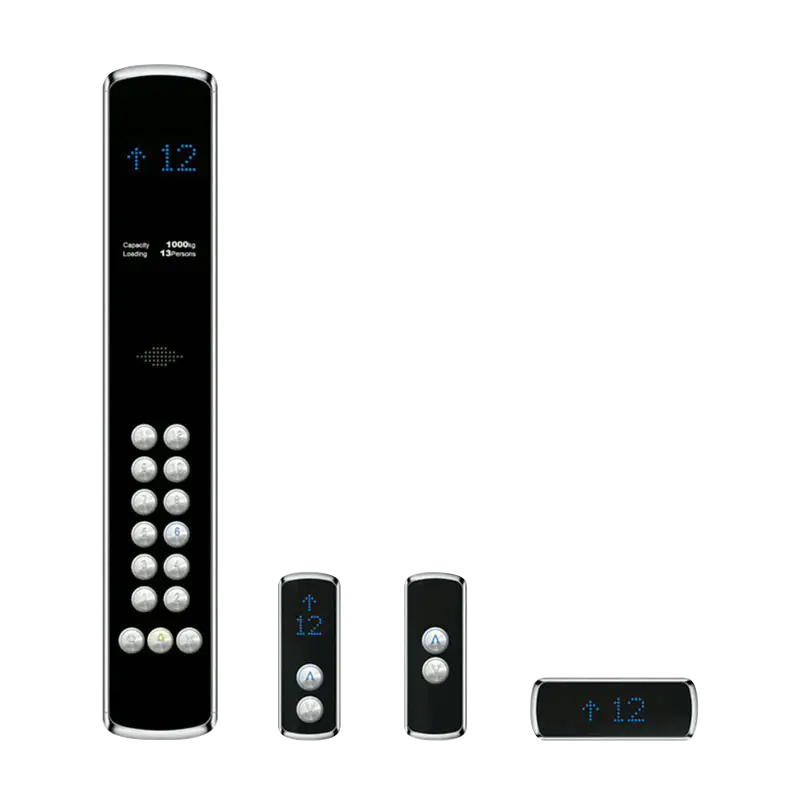
The Flat Glass Products Division specializes in glass deep processing, silk-screen printing, and tempered glass products — supplying components for elevators, household appliances, instruments, and high-intelligence electronic switches. The company has introduced automated screen printing equipment and tempering furnaces alongside the latest inspection equipment from Germany, Japan, and Switzerland, ensuring consistent quality recognized by leading industry customers worldwide.
Frequently Asked Questions
Q1: What is the difference between absorption glass filters and thin-film interference filters?
Absorption glass filters block unwanted wavelengths by absorbing them within the glass bulk — converting light energy to heat and producing no reflected beam. Thin-film interference filters reflect rejected wavelengths back toward the source, which can create secondary stray light. Absorption glass offers angle-independent spectral performance, superior thermal stability, and no risk of coating delamination, making it the preferred choice for harsh environments and long-life instruments. Thin-film filters offer narrower bandwidths for applications requiring spectral precision below 10 nm.
Q2: How do I determine which colored glass optical filter is correct for my application?
Start by identifying the spectral range of the light you need to pass and the spectral range of the interference you need to block. The filter's cut-on or cut-off wavelength should fall between these two ranges with adequate separation. For precision applications, request the spectral transmission curve of candidate glasses and verify that OD in the blocked band meets your system's interference suppression requirement. Providing your source spectrum and detection wavelength to the filter supplier allows them to recommend the optimal glass type directly.
Q3: Can absorption glass filters withstand high-power laser or lamp illumination?
Absorption glass filters are suitable for moderate-power applications but have thermal limits. The absorbed energy heats the glass, and above a threshold irradiance (which varies by glass type and thickness), thermal stress or thermal lensing can occur. As a general guideline, keep irradiance at the filter surface below 1 W/cm² for continuous illumination. For high-power laser applications, position the filter in a low-fluence part of the beam path or use water-cooled mounting arrangements. Always confirm power handling limits with the filter manufacturer for your specific conditions.
Q4: What surface quality and flatness should I specify for precision optical systems?
For general laboratory and industrial instruments, a scratch-dig of 60-40 and surface flatness of λ/4 at 633 nm is typically sufficient. For imaging systems, laser beam-shaping optics, or applications with tight wavefront requirements, specify 40-20 scratch-dig and λ/8 flatness or better. Interferometric and research-grade systems may require 20-10 and λ/10. Tighter specifications increase processing time and cost, so specify only what your system performance actually requires.
Q5: How do I clean and maintain absorption glass filters in service?
Use dry nitrogen or clean compressed air to remove loose particles first. For surface contamination, use a lint-free optical cleaning cloth with optical-grade isopropanol or methanol — apply solvent to the cloth, not directly to the filter surface. Use a single-direction wiping motion rather than circular strokes. Avoid abrasive materials and acetone, which can attack some glass colorants. Store filters in sealed containers or clean optical tissue to prevent dust accumulation. Uncoated absorption glass surfaces are more chemically resistant than coated filters and tolerate careful solvent cleaning well.




 English
 Español