Home · News · Industry News · What Is the Difference Between Printed Glass and Regular Glass?
What Is the Difference Between Printed Glass and Regular Glass?
Author: AdminDate: Jun 10,2026
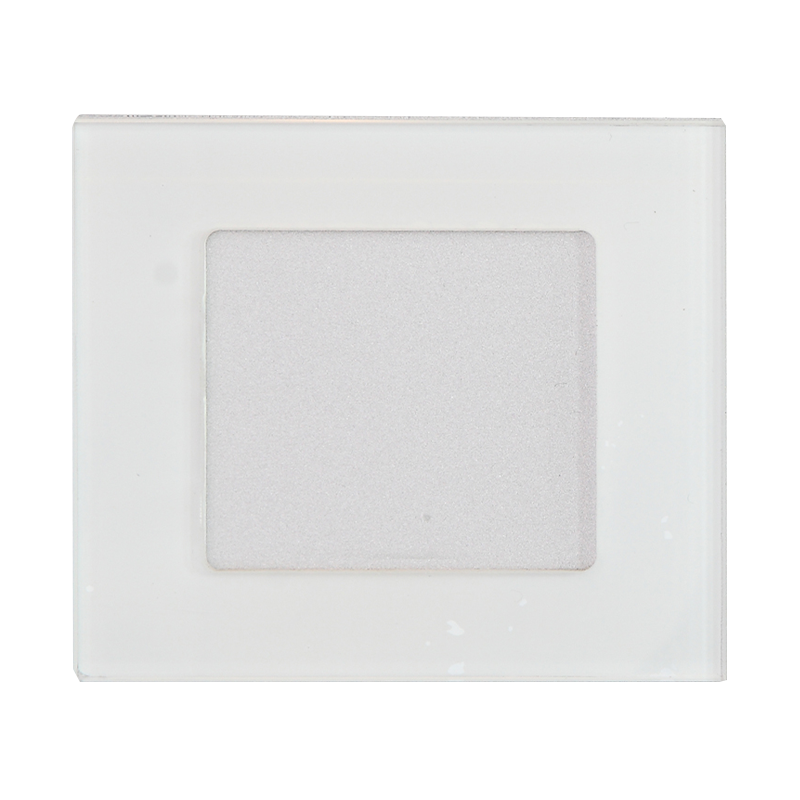
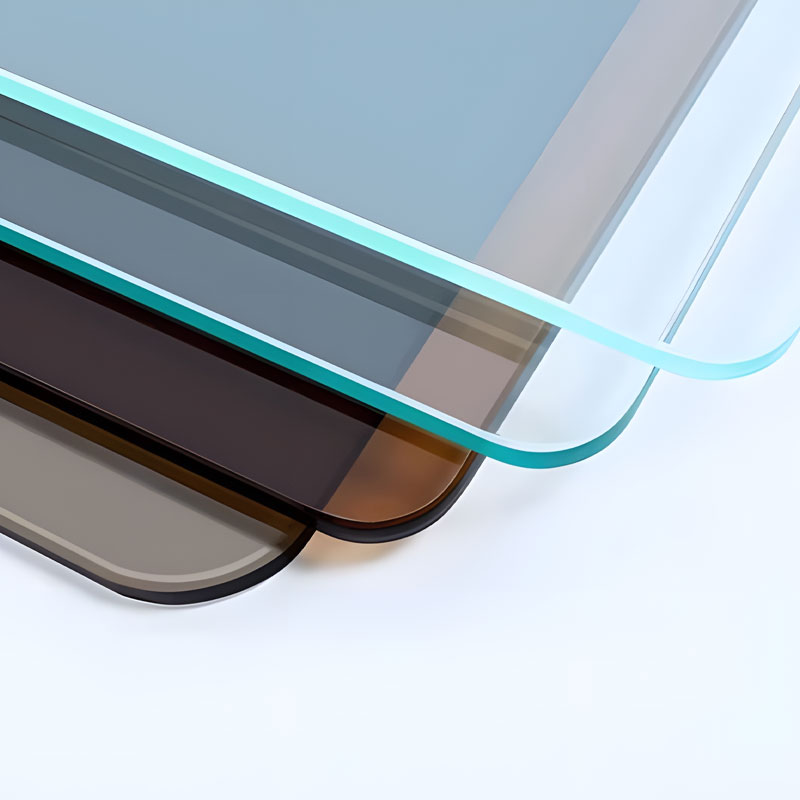
The core difference between printed glass and regular glass lies in the surface treatment and functional design. Regular glass is a transparent or tinted flat substrate with no decorative or functional coating applied. Printed glass — including Silk Screen Printed Glass and Tempered Printed Glass — undergoes additional processing where ceramic inks, UV-cured coatings, or specialty paints are applied through screen printing technology, then thermally fused or cured onto the glass surface. The result is a product that combines the structural integrity of tempered glass with precisely rendered graphics, colors, icons, or functional interface elements. For industries such as home appliances, elevators, smart home systems, and architectural applications, this distinction defines whether a glass panel is merely a cover or an active component of the product's interface and identity.
Custom Printed Glass and Decorative Printed Glass are not interchangeable with standard glass in precision manufacturing environments. They represent a distinct product category with controlled optical properties, surface durability standards, and registration accuracy requirements that plain glass simply cannot fulfill.
Manufacturing Process: How Printed Glass Is Made vs Regular Glass
Regular glass production involves melting raw materials — silica sand, soda ash, limestone, and dolomite — at approximately 1,500°C, then forming them into flat sheets via float or drawing processes. The finished product is annealed to relieve internal stress. Beyond that, standard glass receives no additional surface treatment in most applications.
Tempered Glass Silk Screen Printing follows a fundamentally different pathway. The process begins with a precision-cut glass substrate, which is cleaned and inspected before entering the screen printing line. Automated screen printing equipment deposits ceramic or UV inks through a fine-mesh stencil onto the glass surface with tolerances often within ±0.1mm. After printing, the glass is dried and then loaded into a tempering furnace, where it is heated to around 620–680°C and rapidly quenched with air jets. This simultaneous tempering and ink-firing process permanently fuses the printed pattern into the glass surface, making it scratch-resistant and chemically stable.
The sequence of steps matters critically: printing must occur before tempering, because tempered glass cannot be cut or re-processed without shattering. This means every dimension, hole, notch, and printed element must be planned and executed in a single coordinated production run, which is why working with a qualified Printed Glass Manufacturer with integrated equipment is essential.
Table 1: Manufacturing process comparison between regular glass and silk screen printed tempered glass
Process Stage
Regular Glass
Silk Screen Printed Tempered Glass
Raw Material Melting
Yes
Yes
Float / Drawing Formation
Yes
Yes
Precision Cutting & Edging
Basic
High-precision CNC
Screen Printing
No
Automated multi-color printing
Ink Drying / Curing
No
UV or thermal drying
Tempering (Heat + Quench)
Optional / separate
Integrated, fuses ink permanently
Quality Inspection
Visual / flatness
Optical, dimensional, color registration
Performance Properties: A Quantitative Comparison
When evaluating Tempered Printed Glass against standard annealed glass, multiple measurable performance attributes diverge significantly. Tempered glass — even before printing — is approximately 4 to 5 times stronger than ordinary glass of the same thickness. The printing process, when executed correctly with compatible ceramic inks and proper firing temperatures, does not degrade this mechanical advantage.
As shown in the chart above, Tempered Printed Glass outperforms regular annealed glass across all key mechanical and functional categories. The most dramatic gap appears in print durability — ceramic ink printed and fired through a tempering process achieves near-permanent adhesion that standard glass with applied films or labels cannot replicate. Surface hardness scores are close between the two variants because both share similar base glass compositions, but the structural strength properties of tempered glass are several multiples higher than its annealed counterpart. These differences directly translate into product lifespan, safety compliance, and end-user reliability.
Application Domains: Where Each Type of Glass Is Used
Regular glass still dominates applications where optical clarity is the sole requirement and no interface functionality, decorative printing, or safety-rated strength is needed — window panes in non-hazardous zones, simple greenhouse panels, and laboratory glassware are typical examples.
Appliance Glass Panel products, Control Panel Printed Glass components, and Touch Panel Glass Printing applications all require the combination of precise silk-screen printing with full tempering. These products appear across a wide range of industries:
Elevators: Control box panels, outbound call button faces, floor indicator displays — all requiring precise icon printing, backlit readability, and certified impact resistance.
Home Appliances: Washing machine control panels, refrigerator door displays, oven front panels — where printed function indicators must survive daily cleaning with chemical agents.
Smart Home Systems:Smart Home Glass Panel products for wall-mounted switches, thermostats, and multi-function controllers where aesthetics and durability are equally critical.
Architectural Applications:Architectural Printed Glass for interior partitions, storefronts, and decorative facades where custom patterns or frosted zones are required without compromising structural safety.
Instruments and Meters: Industrial gauge covers and measurement display windows requiring both clarity and printed scale markings.
Figure 2: Distribution of printed tempered glass demand across major end-use industries
Home appliances represent the largest segment for printed tempered glass consumption, driven by the global growth of smart kitchen and laundry products. Elevator and transport applications form the second-largest segment because every modern elevator requires multiple glass panel components with printed interface elements. The smart home category is the fastest-growing segment, fueled by increasing demand for flush-mounted glass control interfaces that blend into interior architecture while providing touch-sensitive functionality. Understanding these sector distributions helps procurement teams, product designers, and OEM manufacturers prioritize the right Tempered Glass Printing Service capabilities when sourcing glass components.
Ink Technology and Color Accuracy in Silk Screen Printing
One of the most technically demanding aspects of Silk Screen Glass Supplier production is achieving consistent, accurate color output across production batches. Regular glass has no color accuracy requirement beyond its base tint. Custom Glass Printing Factory operations must manage ceramic ink formulations that shift in hue during the high-temperature firing process, requiring precise color engineering before printing begins.
Ceramic inks used in Tempered Glass Silk Screen Printing are composed of inorganic pigments suspended in a glass frit medium. When fired at tempering temperatures, the frit melts and permanently bonds the pigment to the glass surface. The color gamut achievable through this process is narrower than digital printing but significantly more durable — properly fired ceramic prints can withstand over 50,000 hours of UV exposure without measurable fading, far exceeding the performance of adhesive films or digital UV prints on standard glass.
For multi-color designs, each color requires a separate print pass and screen. Registration accuracy — the alignment between successive color layers — must be maintained within ±0.15mm or less for fine-detail graphics such as those found on Touch Panel Glass Printing components. Automated screen printing equipment with vision alignment systems makes this precision achievable in volume production.
Figure 3: Color retention (%) across print methods as a function of cumulative UV exposure hours
The line chart clearly illustrates why OEM Printed Glass manufacturers choose ceramic silk screen printing over adhesive films or UV digital prints for long-term performance applications. Ceramic ink retains above 95% of its original color density after 50,000 hours of UV exposure, while adhesive films may degrade to below 20% color retention within the same period. For product design engineers specifying glass panels in appliances that must perform flawlessly for 10 to 15 years, this durability gap is a decisive factor in material selection.
Safety Standards and Certification Requirements
Regular annealed glass breaks into large, sharp shards when fractured — a hazard profile that disqualifies it from use in most human-interface and consumer product applications. Tempered glass, by contrast, is engineered to shatter into small, blunt fragments approximately 1 to 2mm in size, dramatically reducing laceration risk. This safety characteristic is what makes Tempered Printed Glass the mandatory specification for elevator control panels, kitchen appliance fronts, and public-space architectural features in most regulatory jurisdictions.
In China, where a large proportion of global printed tempered glass is manufactured, products must comply with the GB 15763 safety glazing standard. For export markets, EN 12150 (Europe) and ANSI Z97.1 (North America) govern tempered glass in human-accessible applications. 3C certification (China Compulsory Certification) is additionally required for glass used in certain product categories sold within the Chinese domestic market. Companies such as Nantong Xiangyang Optical Element Co., Ltd. hold IS9001-2000 product quality certification and 3C certification, ensuring that their printed glass products meet international and domestic safety standards.
Figure 4: Safety standard compliance scores for tempered printed glass vs. regular annealed glass across three major regulatory frameworks
The compliance chart demonstrates that regular annealed glass scores near-zero on all three major safety glazing standards when applied to human-interface contexts, while Tempered Printed Glass achieves compliance scores in the 94–95 range. This is not a marginal difference — it represents a categorical disqualification of regular glass from most printed glass product applications. For procurement engineers and product managers, specifying printed glass without tempering is not a viable cost-saving alternative; it is a regulatory non-starter in most markets.
Radar Comparison: Printed Glass vs Regular Glass Across Six Key Dimensions
To provide a comprehensive side-by-side evaluation, the radar chart below maps both glass types across six critical product dimensions: strength, aesthetics, safety, print permanence, thermal resistance, and application versatility. This multi-axis view helps decision-makers quickly identify where the performance gap is widest and which attributes justify the use of Custom Printed Glass over standard solutions.
Figure 5: Radar chart comparing tempered printed glass and regular glass across six product dimensions (higher = better)
The radar visualization reveals that Tempered Printed Glass holds a commanding advantage across every dimension, particularly in print permanence, strength, and safety — the three attributes most critical for product liability and end-user experience. Regular glass shows competitive performance only in areas where printing and tempering are not relevant, such as basic light transmission in non-hazardous glazing scenarios. For any product that requires a printed interface, decorative element, or safety-rated glass panel, the radar comparison makes the correct material choice visually self-evident.
OEM and Custom Manufacturing: Working with a Printed Glass Supplier
Selecting the right Silk Screen Glass Supplier or Custom Glass Printing Factory is a critical step for OEM manufacturers who depend on printed glass components across large production runs. Unlike commodity glass procurement, custom printed glass sourcing requires close collaboration on design files, color specifications, dimensional tolerances, and quality inspection protocols.
Key Capabilities to Evaluate in a Supplier
Integrated production line: Suppliers with both screen printing and tempering furnaces in-house can maintain tighter quality control and shorter lead times than those who subcontract either step.
Inspection equipment provenance: High-quality inspection instruments — especially those sourced from Germany, Japan, or Switzerland — indicate a commitment to dimensional and optical accuracy beyond what standard domestic equipment can achieve.
Certification portfolio: ISO 9001 compliance and 3C certification are baseline requirements; additional product-category certifications may be required depending on the end market.
Product variety and batch flexibility: A factory capable of producing over 100 different product specifications demonstrates process maturity and the tooling investment necessary to handle complex OEM programs.
Industry reference accounts: Suppliers trusted by Tier 1 brands in demanding sectors — such as elevator, high-end appliance, and instrumentation markets — have demonstrated sustained quality performance under stringent incoming inspection regimes.
Nantong Xiangyang Optical Element Co., Ltd., founded in 1996 and covering 10,000 square meters of production space in Jiangsu Province, exemplifies the type of OEM Printed Glass partner that meets these criteria. With automated screen printing equipment and automated tempering furnaces, combined with inspection instruments from Germany, Japan, and Switzerland, the company has built a production platform capable of serving demanding clients in elevator, appliance, smart home, and instrumentation segments.
Design Flexibility: What Custom Printed Glass Can and Cannot Do
A common misconception among product designers unfamiliar with Decorative Printed Glass is that silk screen printing offers unlimited design freedom. In practice, the process has both significant creative capabilities and specific technical constraints that must be respected during the design phase.
Table 2: Design capabilities and constraints of silk screen printing on tempered glass
Design Attribute
Capability Level
Notes
Solid color fills
Excellent
High opacity, consistent batch-to-batch
Line work and icons
Very Good
Minimum line width ~0.3mm recommended
Halftone gradients
Moderate
Visible dot pattern at close range; suitable for decorative use
Multi-color registration
Good
±0.15mm with automated vision alignment
Photographic imagery
Limited
Not recommended; ceramic ink gamut is narrower than photographic media
Selective transparency zones
Excellent
Key feature for backlit display windows and touch sensors
Custom shapes and cutouts
Excellent
CNC machined before printing; any shape achievable
Understanding these design boundaries early in the product development process prevents costly revisions to tooling or print screens. Designers working on Control Panel Printed Glass or Touch Panel Glass Printing components should provide vector artwork with clearly defined transparent zones, specify Pantone or RAL color references for ink matching, and confirm minimum feature sizes with the Tempered Glass Printing Service provider before finalizing artwork.
Global Market Growth: Printed Glass Industry Trends
The global market for Architectural Printed Glass and appliance-grade printed tempered glass has experienced consistent growth over the past decade, driven by expanding smart home adoption, rising construction activity, and the replacement of plastic panels with glass in premium appliance lines. Industry analysts have tracked compound annual growth rates of 6–8% in the decorative and functional printed glass segment, with Asia-Pacific — led by Chinese manufacturers — accounting for the largest share of global production capacity.
Figure 6: Estimated global printed glass market size trend from 2018 to 2025, showing sustained growth driven by appliance, smart home, and architectural demand
The market growth trend from 2018 to 2025 reflects how Decorative Printed Glass has transitioned from a specialty product category into a mainstream component specification across multiple industries. The brief dip visible in 2020 corresponds to pandemic-related construction and manufacturing slowdowns, but the segment rebounded quickly as home appliance sales surged and smart home infrastructure investment accelerated globally. Manufacturers who had established automated, certified production lines were best positioned to capture this demand recovery. For sourcing teams evaluating long-term supply chain strategy, partnering with established Printed Glass Manufacturer operations with proven capacity scalability offers meaningful risk mitigation compared to working with smaller, less-capitalized suppliers.
Frequently Asked Questions About Printed Glass
Q1: Can printed glass be cut after tempering?
No. Tempered glass cannot be cut, drilled, or shaped after the tempering process — it will shatter. All cutting, edging, hole drilling, and notching must be completed before printing and tempering. This is why precise drawings must be submitted to the manufacturer before production begins.
Q2: How durable is the print on tempered glass?
Ceramic inks used in silk screen printing are fired into the glass surface during tempering, making them permanently bonded. The print is resistant to household cleaning agents, UV exposure, and physical abrasion in normal use. Unlike adhesive labels or UV-cured overlays, properly fired ceramic prints do not peel, fade, or blister over the product's lifetime.
Q3: What is the minimum order quantity for custom printed glass?
Minimum order quantities vary by manufacturer and design complexity. Custom silk screen tooling (the print screens) typically requires a one-time setup cost, after which per-unit costs decrease significantly at higher volumes. Many manufacturers working in the appliance and elevator segment can accommodate mid-range production runs, though very small prototype quantities may have different pricing structures.
Q4: What file formats are needed for custom glass printing artwork?
Vector formats such as AI (Adobe Illustrator) or EPS are strongly preferred because they allow the printer to scale artwork without loss of edge sharpness. PDF is also widely accepted when properly built with vector elements. Pixel-based images (JPG, PNG) are generally not suitable for silk screen artwork except when used as reference visuals.
Q5: Is silk screen printed glass suitable for outdoor use?
Yes, ceramic silk screen printed tempered glass is well-suited for outdoor architectural applications. The ceramic pigments are inorganic and do not degrade from UV radiation or weathering the way organic dyes or polymer-based prints can. For fully outdoor installations, specifying a suitable glass thickness and edge treatment appropriate for wind load and thermal cycling is important.
Q6: How do I verify the quality of a printed glass supplier?
Request documentation of ISO 9001 certification and any product-category certifications relevant to your end market (3C for China, CE for Europe). Ask for sample panels printed to your color specification and inspect them under controlled lighting for color consistency, print registration accuracy, and surface cleanliness. A reputable supplier will welcome incoming quality audits and provide full traceability documentation for each production batch.




 English
 Español