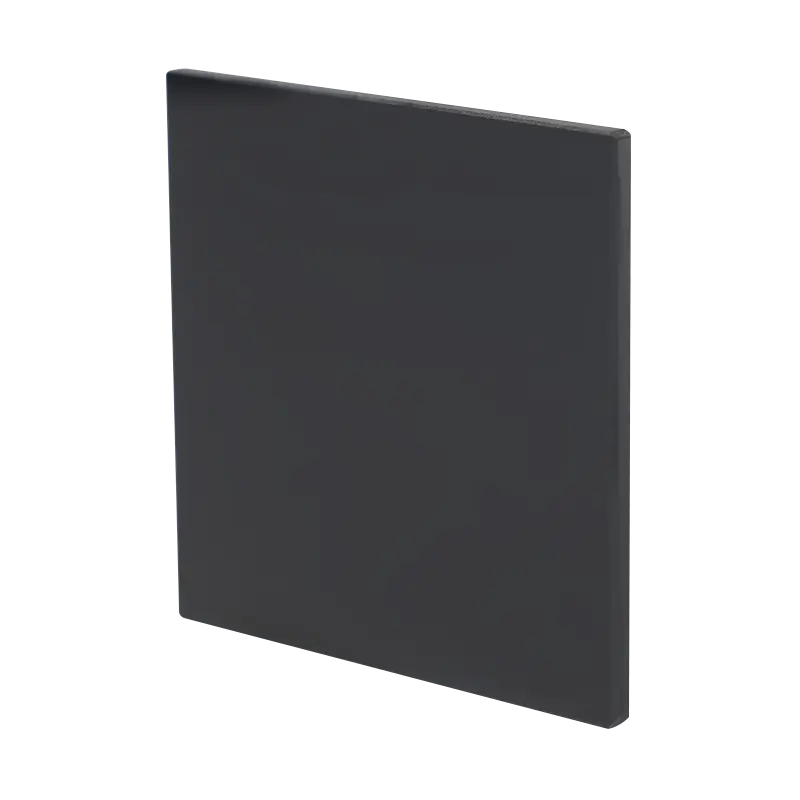
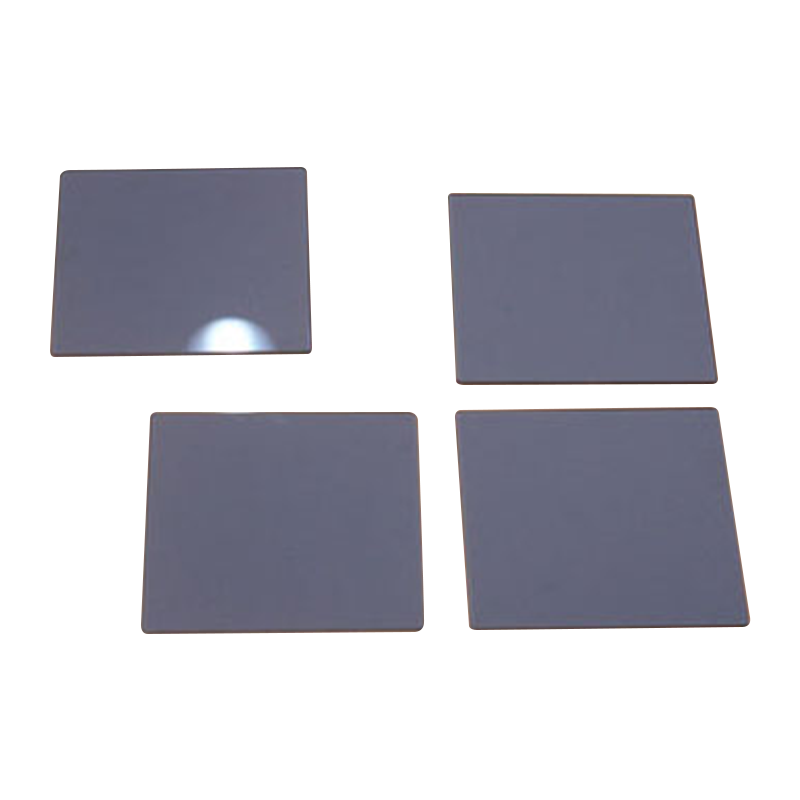
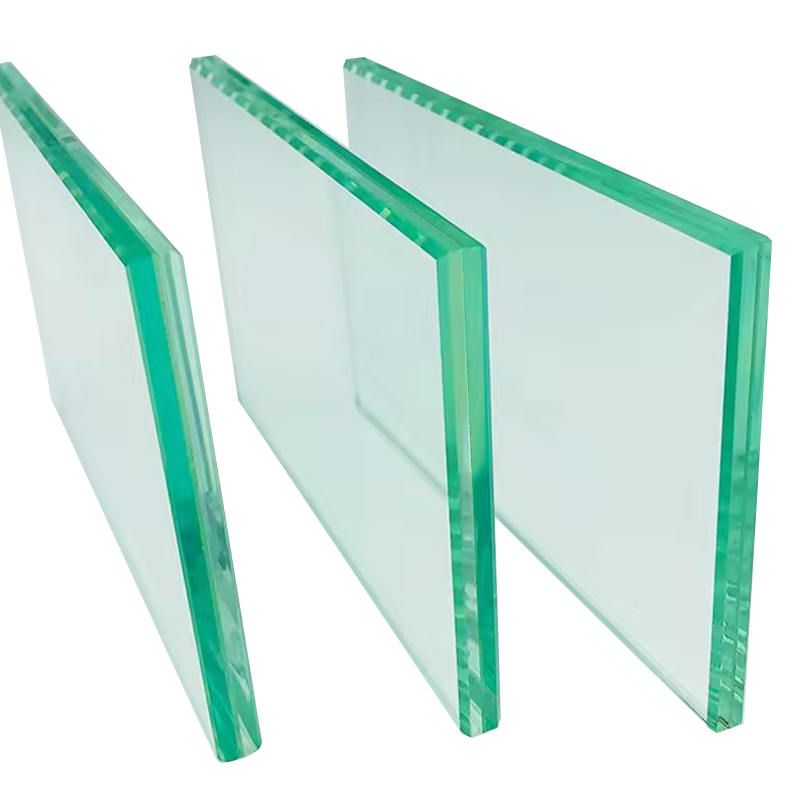
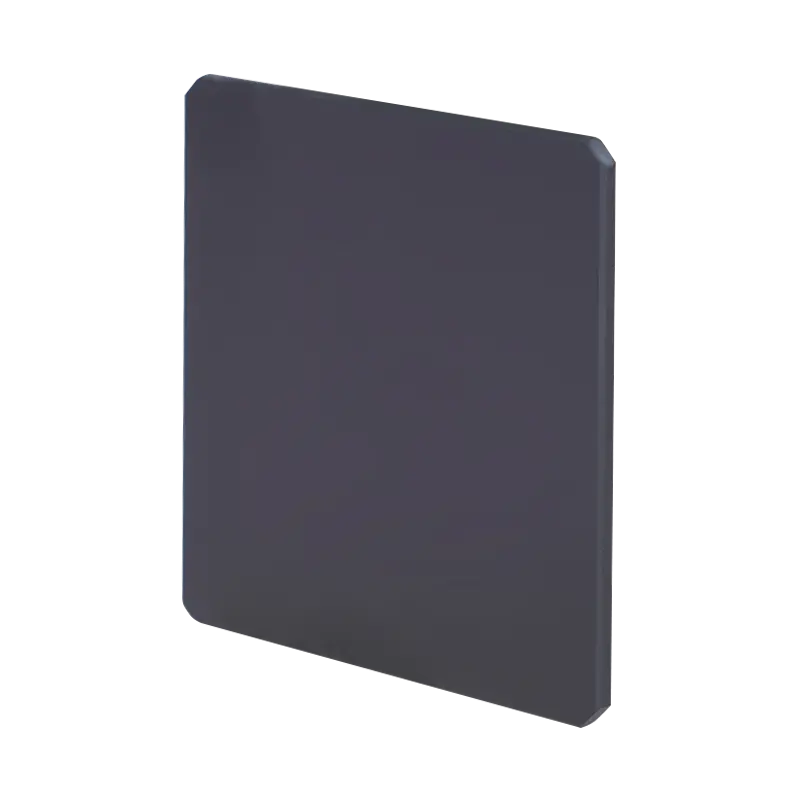
Screen-printed tempered glass is safety glass that has been decorated with ceramic ink patterns applied through a silk-screen process before undergoing heat tempering — producing a panel that combines structural strength, safety compliance, and permanent decorative finish in a single product. The ceramic ink is fused into the glass surface during the tempering process at temperatures exceeding 650°C, making the printed design completely permanent, scratch-resistant, and UV-stable throughout the product's service life.
In architectural and interior applications — and particularly in elevator glass panels — this combination of safety performance and design flexibility makes screen-printed tempered glass the dominant choice for cabin interiors, wall cladding, control panel faceplates, and landing door surrounds. A single panel simultaneously delivers the load-bearing safety of tempered glass with a precisely controlled decorative surface that can replicate patterns, gradients, logos, frosted effects, and custom color fields with industrial consistency across large production runs.
This guide explains the screen printing and tempering process in detail, explores the specific demands of elevator interior applications, compares performance parameters against alternative glass types, and provides guidance on specifying custom elevator glass panels for architectural, hospitality, and commercial projects.
The Screen Printing and Tempering Process Explained
The production of screen printed glass panels follows a precisely sequenced manufacturing workflow where the printing step must occur before tempering — a critical constraint that defines the entire production planning process. Once a glass panel has been tempered, it cannot be cut, drilled, edge-ground, or further processed without shattering. This means that all glass cutting, edge work, hole drilling, and notching must be completed on raw annealed glass before any surface treatment or printing takes place.
The process flow illustrated above highlights a fundamental manufacturing constraint that distinguishes screen-printed tempered glass from other decorative glass products: the irreversible sequence. Once the ceramic ink is screen-printed onto the clean glass surface and the panel enters the tempering furnace, both the decoration and the mechanical properties of the glass are permanently set. The tempering furnace heats the glass to approximately 620–680°C, then rapidly quenches it with forced air — compressing the surface layers and putting the interior in tension. This thermal treatment increases bending strength by a factor of four to five compared to annealed glass of the same thickness, and causes the glass to fragment into small, relatively harmless granules if broken, meeting the safety requirements for printed safety glass panels in occupied spaces. During this same heating phase, the ceramic frit particles in the screen-printed ink melt and fuse permanently into the glass surface, becoming chemically bonded rather than merely sitting on top of it.
Screen Printing Ink Technology
The ceramic inks used for glass screen printing are fundamentally different from conventional printing inks. They consist of finely ground glass frit particles mixed with metallic oxide colorants suspended in a temporary organic vehicle (binder). During the tempering process, the organic binder burns away completely, the frit particles soften, and the metallic oxides fuse into the glass network — producing a decoration that has essentially the same chemical composition as the glass itself. This fusion process produces colors with exceptional durability: ceramic-fused glass decoration shows no measurable color shift after 10,000+ hours of UV exposure testing, and resists cleaning chemicals, moisture, and physical abrasion far beyond any organic coating or film applied after tempering.
Why Elevator Interior Glass Panels Demand Screen-Printed Tempered Glass
Elevator interior glass panels operate in one of the most demanding environments for a decorative building material. They are touched by thousands of people per week, cleaned with commercial-grade detergents multiple times daily, exposed to continuous fluorescent or LED lighting, and expected to maintain their decorative appearance for 15–25 years without significant maintenance or replacement. Standard decorative films, applied coatings, or digitally printed surfaces deteriorate under these conditions — fading, peeling, scratching, or delaminating within 3–7 years even with careful maintenance.
Screen-printed tempered glass eliminates all of these failure modes simultaneously. The ceramic decoration is part of the glass, not attached to it — there is nothing to peel, fade, or delaminate. The tempered glass substrate resists impact, thermal shock, and bending loads that would fracture annealed glass. The smooth glass surface is inherently hygienic, easy to clean, and resistant to bacterial biofilm formation. For hotel elevator glass design and office elevator interior glass applications where appearance standards are high and maintenance access is scheduled rather than ad-hoc, this combination of durability and aesthetic control is decisive.
The service life comparison above demonstrates the substantial durability advantage of screen-printed tempered glass in elevator environments. With an expected service life of approximately 25 years under normal commercial conditions, it outlasts laminated decorative film finishes by a factor of 2.5 and vinyl wraps by a factor of 5. This extended service life has direct financial implications for building owners: a single installation of quality tempered elevator glass panels can serve the full lifecycle of a major elevator modernization project without requiring surface refurbishment, while alternative finishes may require 2–4 replacement cycles within the same period. Stainless steel panels approach glass longevity but cannot match the design flexibility — the variety of patterns, colors, and transparency levels — that screen-printed glass enables.
Safety Code Requirements for Elevator Glass
Safety glass requirements for elevator interiors are governed by national and international standards that specify minimum glass type, thickness, and breakage behavior. Most jurisdictions require that any glass used in elevator cab walls, doors, and sidelites must be either fully tempered (toughened) glass or laminated safety glass. In many countries, EN 81-20/50 (Europe), ASME A17.1 (North America), and GB 7588 (China) govern elevator safety specifications, including glass panel requirements. Printed safety glass panels that carry both the tempering safety certification and the decorative screen print function satisfy these safety requirements while simultaneously meeting interior design objectives — a dual function that makes them the efficient solution for elevator cabin glass specification.
Design Capabilities: What Screen Printing Can Achieve on Elevator Glass
The design possibilities for custom elevator glass design using screen printing are broader than many architects and interior designers initially assume. While screen printing is fundamentally a single-pass-per-color process, skilled application of layered printing, halftone screening, and specialty ink types enables a wide range of visual effects on the final tempered glass panel.
Table 1: Screen Printing Design Options for Elevator Glass Panels
Translucent white or gray ceramic, diffused light transmission
Privacy panels, backlit applications
White, gray, custom tints
Pattern / Geometric
Repeating decorative motifs, lines, grids, organic forms
Architectural glass elevator panels, lobbies
Multi-color (separate passes)
Logo / Corporate ID
Brand marks, text, corporate identity elements
Hotel elevator glass, branded interiors
Pantone-matched ceramic
Metallic / Iridescent
Gold, silver, copper, or pearlescent ceramic inks
Luxury elevator cabin glass decoration
Metallic spectrum
The design taxonomy in the table above illustrates the full scope of achievable effects in screen printed glass panels for elevator applications. Gradient effects, created by varying halftone dot density across the screen, are particularly popular in contemporary elevator cabin glass decoration because they add visual depth and a sense of spatial expansion to compact cabin environments. Frosted effects serve a dual function — providing partial privacy between adjacent glass zones while enabling even light distribution when panels are backlit with LED systems embedded behind the glass. Metallic inks in gold and copper tones are a signature feature of luxury hotel elevator refurbishment projects, where the warm reflective quality of ceramic metallic prints creates a premium aesthetic that is impossible to replicate with films or coatings.
Performance Comparison: Screen-Printed Tempered Glass vs Alternative Finishes
Specifying the right material for elevator wall glass panels requires comparing alternatives across the dimensions that matter most in commercial building applications. The radar chart below maps four common elevator interior finish materials across six performance dimensions that define lifecycle value in high-traffic environments.
The radar chart delivers a comprehensive view of why architectural glass elevator panels outperform competing finish materials across most relevant dimensions. Screen-printed tempered glass scores 90+ on durability, cleanability, safety compliance, surface hardness, and light interaction — a consistently dominant profile. Stainless steel matches glass on durability and hardness but scores only 30 on light interaction, since it reflects rather than transmits light, making elevator cabins feel smaller and less inviting. Decorative film achieves competitive design freedom scores (85) but its durability (45) and surface hardness (40) limitations create lifecycle costs that eliminate its apparent initial efficiency advantage within 5–8 years of commercial service. The light interaction score for glass (90) reflects its unique ability to function as a luminous element in elevator design — backlit screen-printed panels can transform the visual character of a cabin in ways no opaque material can replicate.
Specifying Custom Elevator Glass Panels: Key Parameters
Ordering custom elevator glass panels requires a structured specification that covers dimensional requirements, glass type, print design, edge treatment, hole and notch positions, and surface quality level. Providing complete specifications upfront prevents costly rework cycles and ensures that the tempered glass — which cannot be modified after production — fits perfectly and performs as intended from the first installation.
Glass Thickness: Standard elevator panel thicknesses range from 5 mm to 12 mm depending on panel size and structural requirements. Larger unsupported panels require greater thickness to meet deflection limits. Specify minimum thickness based on panel span and point load requirements.
Glass Type: Fully tempered (toughened) glass is standard for most elevator interior applications. Laminated tempered glass (two tempered lites bonded with PVB interlayer) is specified for overhead applications or where fragment retention after breakage is critical.
Print Design File: Provide vector artwork (AI, EPS, or PDF) at true production scale for precise screen output. Specify Pantone or RAL color references for ceramic ink matching. Indicate print face (print on face 1 or face 2 of the glass, which affects the depth and visual character of the finished appearance).
Edge Treatment: Specify edge type (flat polished, beveled, pencil edge), edge finish quality, and any corner radiusing. Elevator panels typically require fully polished edges on all exposed faces.
Holes and Cutouts: Provide dimensioned drawings locating all holes, notches, cutouts, and slots with tolerances. Typical positioning tolerance for tempered glass holes is ±1.0 mm from specified center.
Certification Requirements: Specify applicable safety glass standards (EN 12150, AS/NZS 2208, GB 15763.2, etc.) and whether third-party test certificates are required for project documentation.
The application distribution chart confirms that elevator panels represent the single largest end-use category for commercial screen-printed tempered glass production, accounting for approximately 42% of total output volume at specialized manufacturers. This dominant share reflects both the high decorative glass content per elevator cab — typically 4–8 panels per installation including walls, door surrounds, and control panel faceplates — and the relatively short replacement cycles driven by hotel renovations and elevator modernization programs. Home appliances (28%) represent the second-largest category, covering washing machine and refrigerator control panel glass. The instrument and industrial categories together account for 25% and include control panel glass for medical devices, laboratory instruments, and industrial equipment — all applications that share the same core requirement of durable, readable, and hygienic glass-ceramic surface decoration.
Market Growth and Industry Trends in Elevator Glass
The global decorative elevator glass market is growing steadily, driven by three converging forces: the rapid urbanization of developing economies creating new high-rise construction demand, the ongoing modernization of aging elevator fleets in developed markets, and the rising design expectations of commercial building tenants and hotel guests who increasingly evaluate elevator interiors as part of overall building quality assessment.
The market trajectory shows consistent growth from an estimated USD 420 million in 2020 toward a projected USD 960 million by 2027 — representing a compound annual growth rate of approximately 12.5%. The steepening of the growth curve from 2024 onward reflects two accelerating trends: the expansion of luxury hospitality development in Asia-Pacific markets, which consistently specifies high-end hotel elevator glass design as a signature interior element, and the acceleration of elevator modernization programs in aging North American and European building stock, where existing elevator interiors are being upgraded to current aesthetic and safety standards. Suppliers with automated printing equipment, large-format tempering furnace capacity, and multi-market safety certifications are positioned to serve this growth most effectively.
About Nantong Xiangyang Optical Element Co., Ltd.
Nantong Xiangyang Optical Element Co., Ltd. was founded in 1996 and operates as a high-tech enterprise in Jiangsu Province, covering a 10,000-square-meter production facility. As a professional OEM elevator screen-printed glass panels supplier and ODM factory, the company specializes in both optical glass components and flat glass screen printing and tempering — a dual capability that is relatively rare and gives Xiangyang a distinctive technical depth in precision glass surface decoration.
The Flat Glass Products Division operates automated screen printing equipment and automated tempering furnaces, supported by inspection equipment imported from Germany, Japan, and Switzerland — reflecting an investment in quality verification capability that is standard among premium elevator glass suppliers. Products comply with ISO 9001-2000 quality standards and hold 3C quality system certification. Xiangyang's client base spans the elevator industry broadly, with products serving major global elevator manufacturers in panel glass for control boxes, outbound call panels, and cabin decoration.
Beyond elevator applications, the company's Optical Components Production Division manufactures precision color filters and optical components for medical instruments, analytical devices, aviation, and scientific research — applications that require the same fundamental discipline of precise glass-based surface treatment that defines quality in screen printed glass panels for architectural use.
Frequently Asked Questions
Common questions from architects, elevator contractors, and building owners specifying elevator glass panels.
Q1
Can screen-printed tempered glass be drilled or cut after production?
No. Fully tempered glass cannot be cut, drilled, or edge-ground after the tempering process — any attempt will cause the panel to shatter. All hole positions, cutouts, notches, and final dimensions must be specified before production and completed on the raw annealed glass prior to printing and tempering. This is why accurate drawings with fully dimensioned fabrication details are essential when ordering custom elevator glass panels.
Q2
How durable is the printed design on tempered elevator glass?
The ceramic ink fuses chemically into the glass surface during tempering, becoming part of the glass structure rather than a coating on top of it. The result is a decoration with essentially permanent UV stability, scratch resistance equivalent to the glass surface itself, and resistance to commercial cleaning chemicals. Under standard commercial elevator usage, properly fired ceramic prints show no measurable color change or surface degradation for 20–25 years of service life.
Q3
What glass thickness is recommended for elevator wall panels?
For elevator cabin wall panels with standard mounting conditions, 6 mm fully tempered glass is the most common specification for panels up to approximately 1,000 × 2,000 mm. Larger panels or those with reduced perimeter support typically require 8 mm or 10 mm thickness to meet deflection and impact resistance requirements. The applicable elevator safety standard (EN 81, ASME A17.1, or equivalent) and the specific mounting method should be consulted to determine the minimum required thickness for each installation.
Q4
What file format should I provide for a custom print design?
Provide vector artwork in AI, EPS, or high-resolution PDF format at true 1:1 production scale. For designs requiring precise color matching, include Pantone or RAL color references — ceramic inks can be formulated to match most Pantone solid coated colors. If the design includes gradients or halftone effects, specify the halftone dot percentage range. Indicate which face (face 1 or face 2) should receive the print, as this affects the visual depth and surface texture of the finished panel.
Q5
Are screen-printed glass panels suitable for backlit elevator designs?
Yes. Screen-printed tempered glass is well-suited for backlit elevator applications when the design uses translucent ceramic inks — frosted, satin, or light-transmission-controlled opaque fields. The ceramic ink controls light diffusion and opacity across the panel, creating even illumination without hot spots when paired with appropriate LED backlighting. This technique is widely used in contemporary hotel elevator design to create luminous feature walls with patterned or gradient glass panels that appear completely different under ambient versus backlit conditions.
Q6
Does Nantong Xiangyang support OEM custom elevator glass orders?
Yes. Nantong Xiangyang Optical Element Co., Ltd. is a professional OEM elevator screen-printed glass panels supplier and ODM factory, supporting fully custom panel sizes, designs, and fabrication specifications. The company operates automated screen printing and tempering equipment and holds ISO 9001 and 3C certifications. Customers can provide drawings and design files for quotation and production. Contact the team directly to discuss project requirements, minimum quantities, and delivery schedules for custom elevator glass panel orders.




 English
 Español