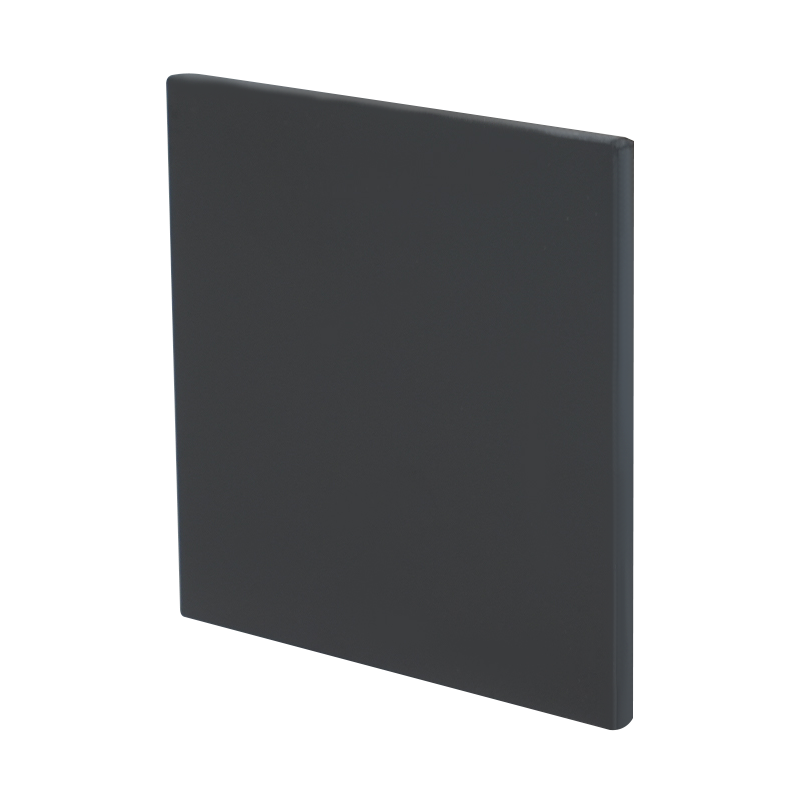
Neutral density (ND) filter glass is a specially designed optical element commonly used in photography, videography, and other optical applications. It achieves precise exposure control and improved image quality by reducing the intensity of light entering the lens.
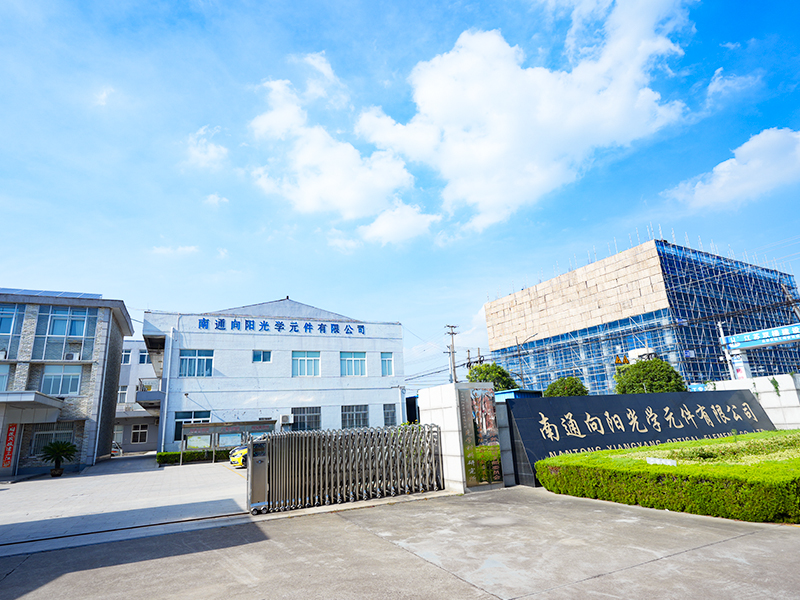
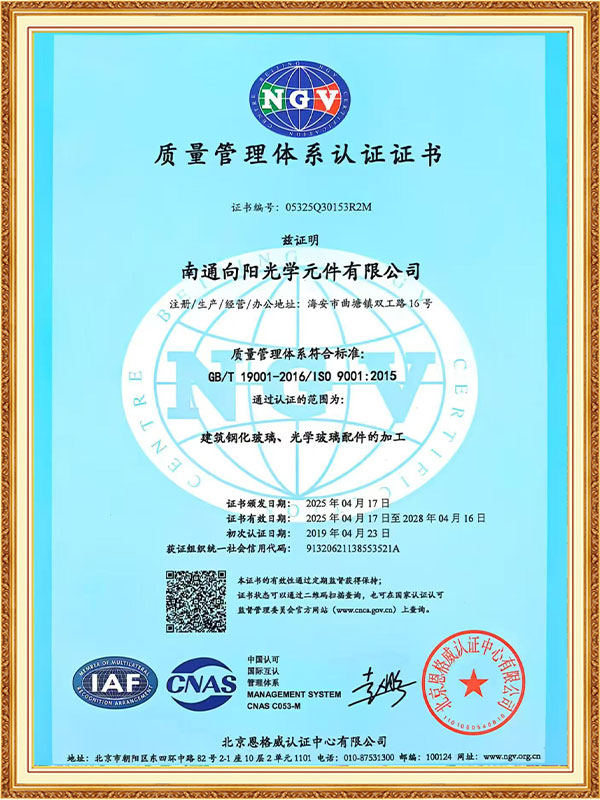
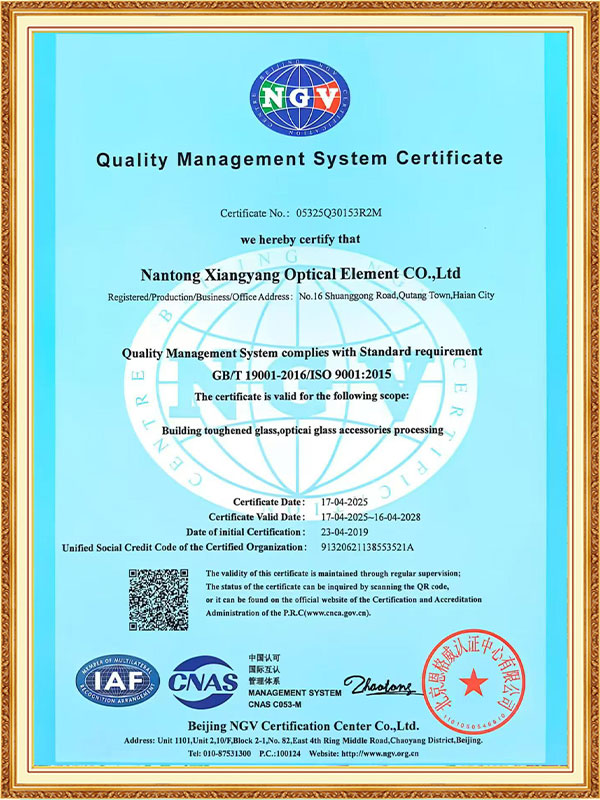
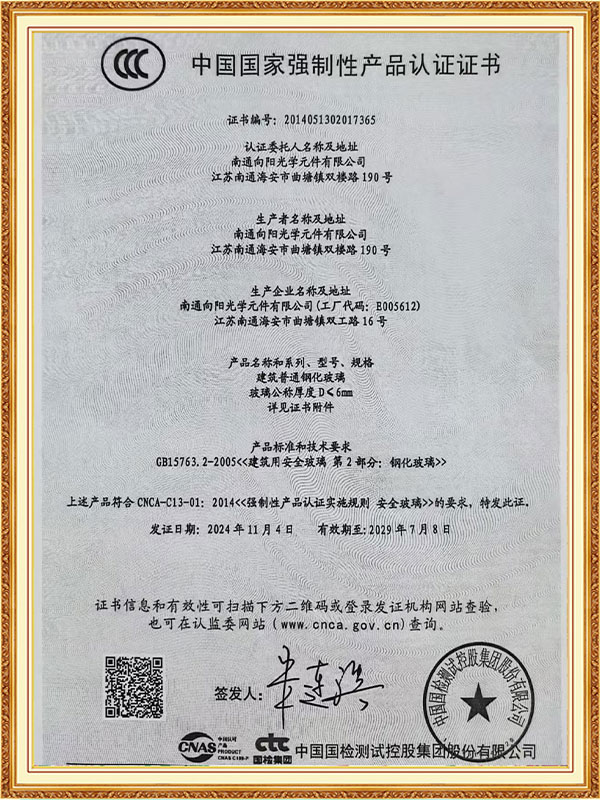
Nantong Xiangyang Optical Components Co., Ltd. is a medium-sized enterprise specializing in the production and processing of colored optical glass, colorless optical glass, and flat glass screen printing and tempering. We focus on the production and processing of colored and colorless optical glass filters and related products. We can undertake processing orders for various brands and specifications of colored filters and related products according to customer needs, and guarantee product quality.
1. What is Neutral Density (ND) Filter Glass?
Neutral density (ND) filter glass is a filter element that reduces light intensity without changing the color or wavelength of light. It can uniformly reduce the intensity of all light entering the lens, making the lighting in the shooting environment easier to control. The "neutral" nature of ND filters means they don't introduce color cast, ensuring natural colors in images.
ND filters typically come in different densities (e.g., ND2, ND4, ND8, etc.), each level indicating the degree of light reduction. An ND2 filter reduces light intensity by half, an ND4 by a quarter, and so on. By choosing different ND filters, photographers can precisely control exposure based on the lighting conditions of the shooting environment to achieve ideal shooting results.
2. How to Perfectly Control Exposure with ND Filters?
When shooting in strong light conditions, overexposure is a common problem, especially when shooting outdoors or using a wide aperture. ND filters help photographers reduce the amount of light entering the lens, thus maintaining ideal exposure while avoiding overexposure in the image.
Here are some common applications of ND filters:
Controlling Shutter Speed: When shooting moving objects or performing long exposure photography, using ND filters allows photographers to use longer shutter speeds without overexposure. For example, when shooting flowing water or waterfalls, using an ND filter can blur the water flow, creating a dreamlike effect.
Large Aperture Shooting: If you want to shoot in bright light to achieve a shallow depth of field (e.g., background blur), an ND filter reduces light intensity, preventing the lens from malfunctioning due to overexposure.
Creative Control: ND filters are also very useful in creative photography. For example, using an ND filter can create motion blur or blurred crowds when shooting bright city street scenes in daylight.
ND Filter Density Selection Recommendations:
| ND Filter Type |
Light Reduction |
Application Scene |
| ND2 |
Reduces 50% of light |
Mild exposure control, suitable for slightly bright environments |
| ND4 |
Reduces 75% of light |
Commonly used for daytime photography, effectively prevents overexposure |
| ND8 |
Reduces 87.5% of light |
Long exposure photography, suitable for bright light environments |
| ND1000 |
Reduces 99% of light |
Extreme long exposure effects, ideal for capturing dynamic scenes like waterfalls and clouds |
3. ND Filter Glass: The Secret to Enhanced Shooting Results
ND filters not only control exposure and prevent overexposure, but also significantly enhance shooting results, especially in specific photographic environments and creative scenarios. Here are some common ways ND filters improve shooting results:
Long Exposure Effect: By using ND filters, you can take long exposures during the day to achieve beautiful dynamic effects. For example, when shooting water, flowing water appears silky smooth; when shooting clouds, clouds appear fluid.
Reduced Reflected Light: On water or other reflective surfaces, ND filters effectively reduce reflected light, making the subject clearer and preventing loss of detail due to strong light reflection.
Bokeh: Using ND filters allows you to maintain a large aperture in strong light, achieving a blurred background effect. This is crucial for portrait photography and creative works, as it helps highlight the subject and eliminate cluttered backgrounds.
4. Frequently Asked Questions
Q1: Are ND filters suitable for all lighting conditions?
A1: ND filters are suitable for most lighting conditions, especially in bright light. They are ideal for photographers dealing with strong sunlight, avoiding overexposure, and shooting long exposures. In low light, using ND filters may result in underexposure, so their use is generally not recommended for low-light shooting.
Q2: How do I choose the appropriate shutter speed when using an ND filter?
A2: The shutter speed should be adjusted according to the density of the ND filter used. Generally, the higher the degree of light reduction, the longer the exposure time required. For example, using an ND8 filter may require a shutter speed of 1/8 second, while using an ND1000 filter may require an even longer exposure time, such as 30 seconds or more.
Q3: Will ND filters affect image quality?
A3: High-quality ND filters generally do not negatively impact image quality; they are designed to reduce light intensity without compromising color or sharpness. However, low-quality ND filters can cause image distortion, color shift, or blurring, so choosing a reliable brand and quality filter is crucial.
Q4: How to clean ND filter glass?
A4: When cleaning ND filter glass, use a dedicated optical cleaning cloth or a soft, lint-free cloth to gently wipe the surface. Avoid using chemical solvents or abrasive materials to prevent scratching the filter surface. If necessary, optical cleaning fluid can be used to clean stubborn stains.



 English
 Español