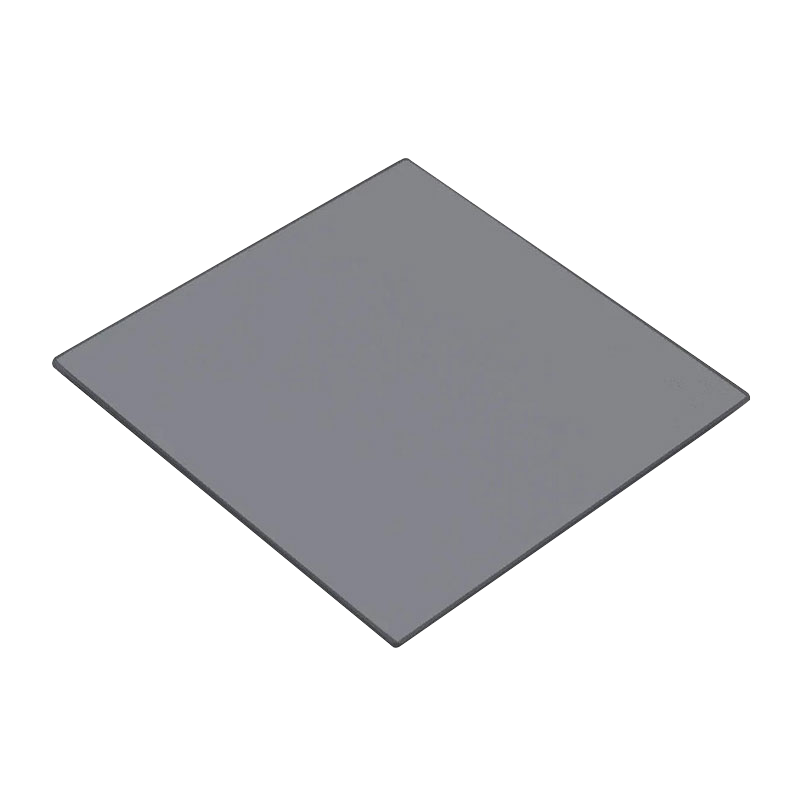
A polarizing filter is an optical element specifically designed to control the polarization state of light waves. It influences light propagation by selectively allowing or blocking light rays with a particular polarization direction. Polarizing filters are widely used in many optical devices, especially in microscopes, cameras, optical instruments, and liquid crystal displays (LCDs).
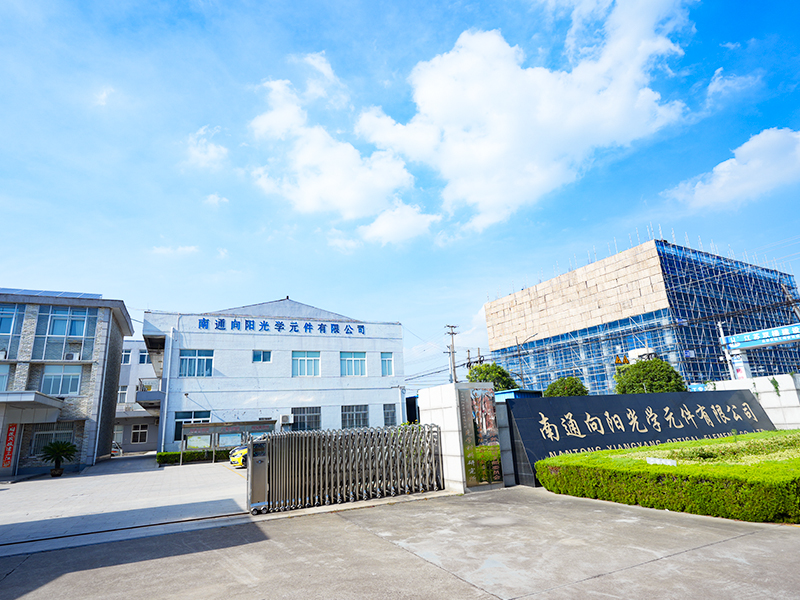
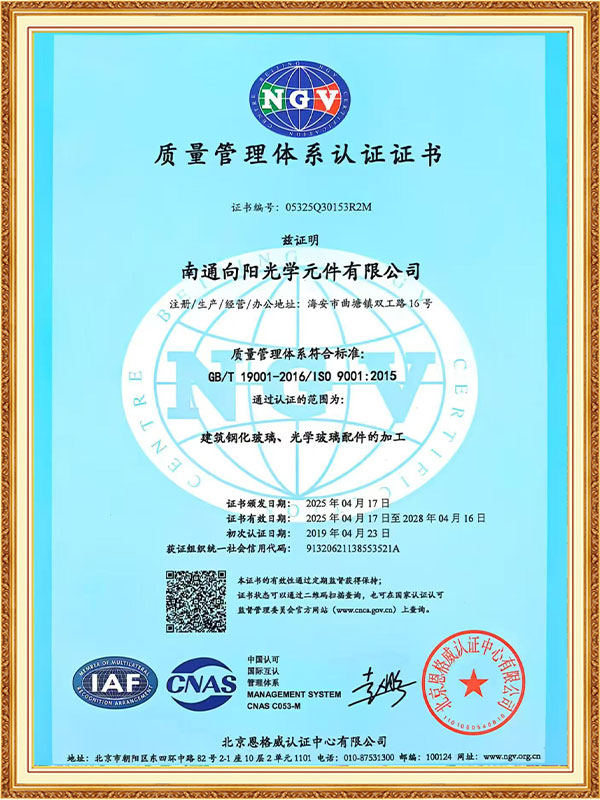
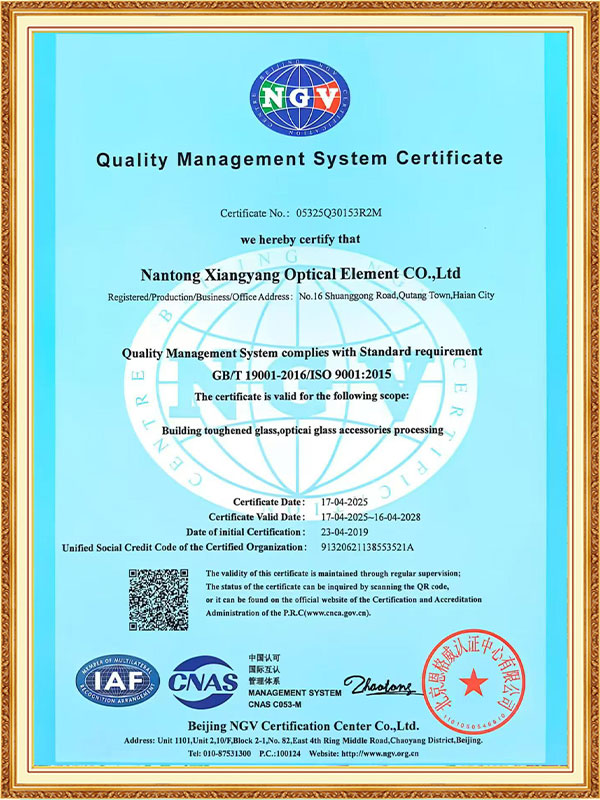
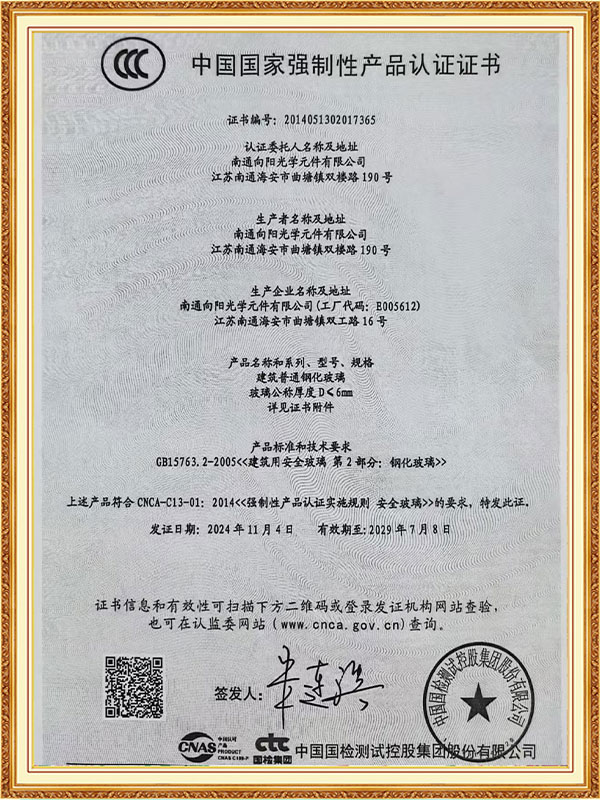
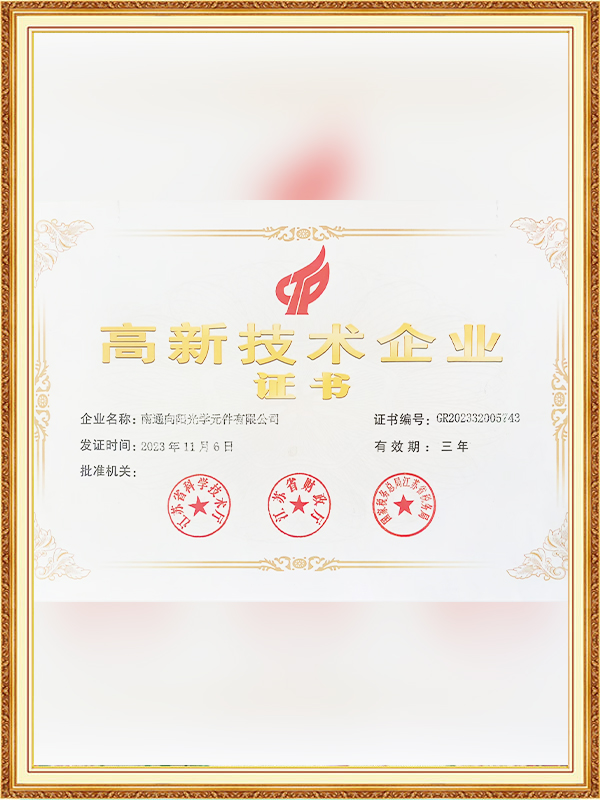
Nantong Xiangyang Optical Components Co., Ltd. is a medium-sized enterprise specializing in the production and processing of colored optical glass, colorless optical glass, and flat glass screen printing and tempering. We focus on the production and processing of colored and colorless optical glass filters and related products. We can undertake processing orders for various brands and specifications of colored filters and related products according to customer needs, and guarantee product quality.
1. What is a Polarizing Filter?
A polarizing filter is an optical material that filters light with a specific polarization direction. It is usually made of a transparent material with polarization properties. Its function is to allow only light with a specific polarization direction to pass through and suppress light with other directions, thereby changing the polarization state of light. Polarizing filters generally fall into two main categories: linear polarizing filters and circular polarizing filters.
Linear polarizing filters: These filters allow only linearly polarized light to pass through while blocking light from other directions. They are widely used in photography, optical microscopy, and other fields to reduce unwanted reflected and stray light.
Circular polarizing filters: These filters allow circularly polarized light to pass through and are commonly used in optical displays, 3D glasses, and some laser devices.
The working principle of polarizing filters is based on the wave nature of light, especially the direction of electromagnetic wave vibration. By properly designing polarizing filters, the polarization state of the passing light can be precisely controlled.
2. Product Advantages and Features
Effectively suppresses stray and reflected light: Polarizing filters effectively reduce light from non-target directions, especially reflected and stray light. This significantly improves image contrast and makes images clearer, which is particularly important in photography and microscopic observation.
Precisely controls the polarization state of light: Polarizing filters can accurately control the polarization state of light, thereby affecting the propagation characteristics of light and making images or experimental data more accurate.
Widely applicable: Polarizing filters are suitable for various optical devices, including microscopes, cameras, laser systems, liquid crystal displays (LCDs), and 3D imaging applications.
Highly customizable: Polarizing filters can be customized to different sizes, shapes, polarization directions, and other parameters to meet the needs of different applications, offering strong adaptability.
3. Product Uses and Storage
Product Uses
Polarizing filters play a crucial role in many high-precision optical applications. Here are some common uses:
Photography: In photography, polarizing filters reduce reflected and stray light, improving image contrast. This is particularly effective when photographing scenes with strong reflections, such as the sky or water surfaces, enhancing image sharpness and detail.
Microscopic Observation: Polarizing filters are frequently used in optical microscopes. By improving sample contrast, they better reveal sample details, especially when observing biological samples or crystal structures.
Liquid Crystal Displays (LCDs): Polarizing filters are widely used in liquid crystal displays (LCDs) to improve display quality and contrast by controlling the polarization of light.
Laser Systems: Polarizing filters can be used in laser systems to control the polarization of the laser beam, ensuring its consistency and stability.
Product Storage
To ensure the long-term stable operation of polarizing filters, the following storage and maintenance recommendations should be followed:
Storage Environment: Polarizing filters should be stored in a dry environment with a moderate temperature, avoiding moisture, extreme temperatures, and direct sunlight. The recommended storage temperature is between 15°C and 25°C.
Avoid Scratches and Impacts: The surface of polarizing filters is very sensitive and should be kept away from hard objects. Use a dedicated optical box or protective cover for storage to prevent scratches and impacts.
Cleaning: When cleaning polarizing filters, use a soft, lint-free cloth or a dedicated optical cleaning cloth. Avoid using chemical solvents or abrasive materials. Be careful not to scratch the surface during cleaning.
Prevent High Temperature Exposure: Although polarizing filters have good high-temperature resistance, prolonged exposure to high temperatures or strong light may lead to performance degradation. Therefore, avoid exposing them to extreme environmental conditions.
4. Frequently Asked Questions
Q1: How to choose the appropriate polarization direction for a polarizing filter?
A1: Choosing the appropriate polarization direction usually depends on the application requirements. For example, in photography, the polarization direction of a polarizing filter needs to match the polarization direction of the reflected light; in microscopy, selecting a suitable polarization direction based on the characteristics of the sample can improve image contrast.
Q2: Does a polarizing filter affect the intensity of light?
A2: Yes, a polarizing filter will have some effect on the intensity of transmitted light because it filters light with certain polarization directions. Generally, this effect is small, especially in applications requiring improved image quality and contrast, where this intensity loss is acceptable.
Q3: Are polarizing filters suitable for all light sources?
A3: Polarizing filters are suitable for light sources with polarized light characteristics, such as reflected or scattered natural light, or linearly polarized light. For completely unpolarized light sources, the effect of polarizing filters is weaker; therefore, the polarization characteristics of the light source need to be considered when selecting a polarizing filter.
Q4: How to clean a polarizing filter?
A4: When cleaning a polarizing filter, use a dedicated optical cleaning cloth or a soft, lint-free cloth. Avoid using chemical solvents or abrasive materials. For stubborn stains, you can use a neutral cleaning solution to clean them, but be careful to avoid scratching the surface of the filter.



 English
 Español