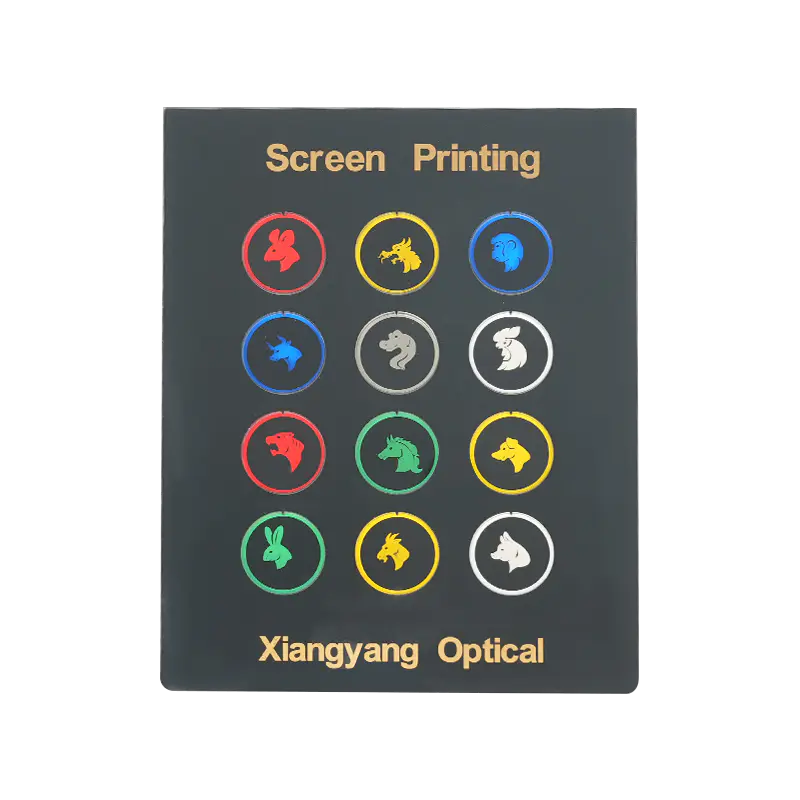
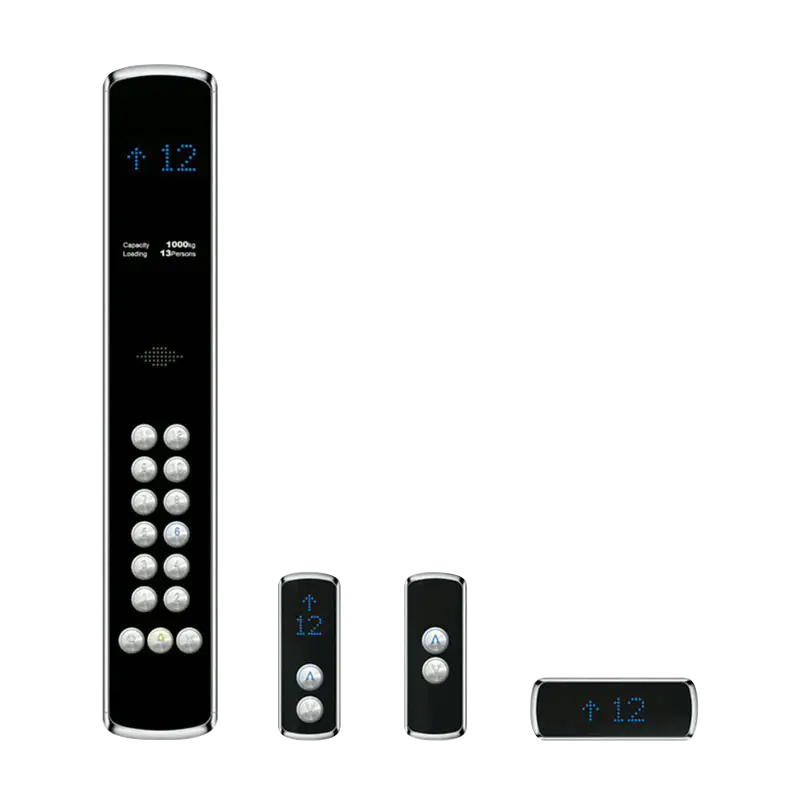
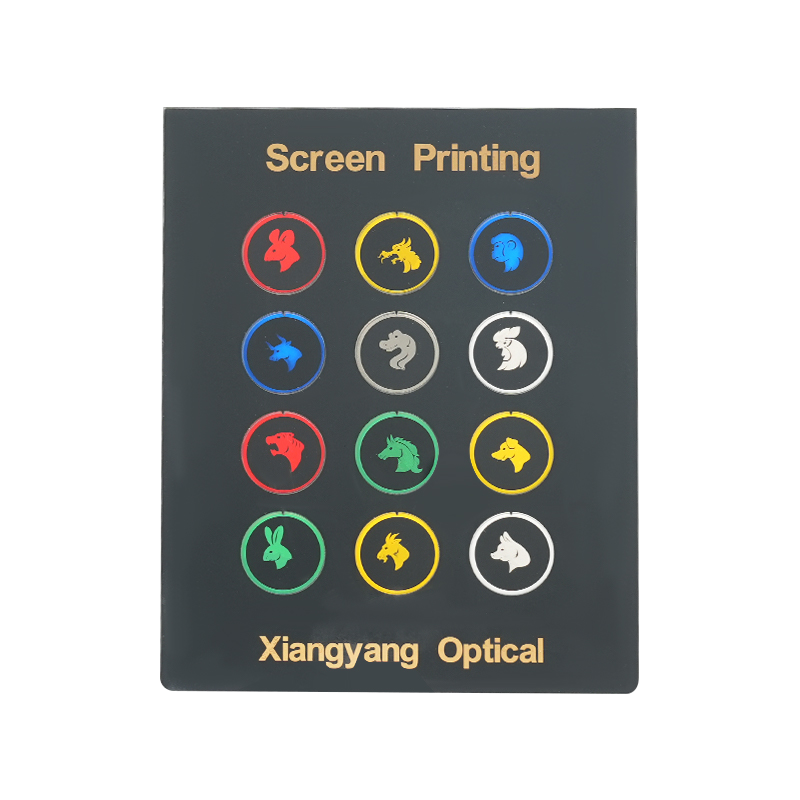
Elevator screen-printed glass panels are modern elevator components that combine screen printing technology with tempered glass, widely used inside elevator cars. They play a vital role in enhancing the aesthetics and functionality of elevators and provide a high level of safety.
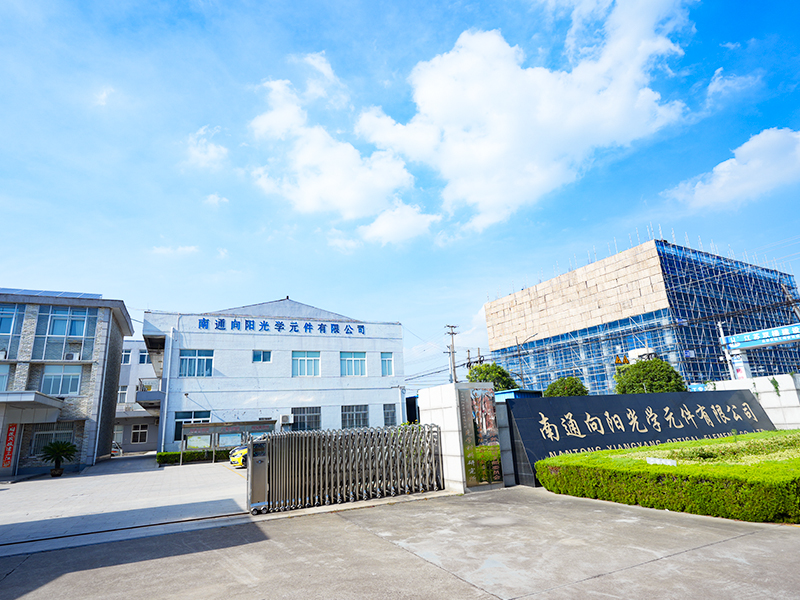
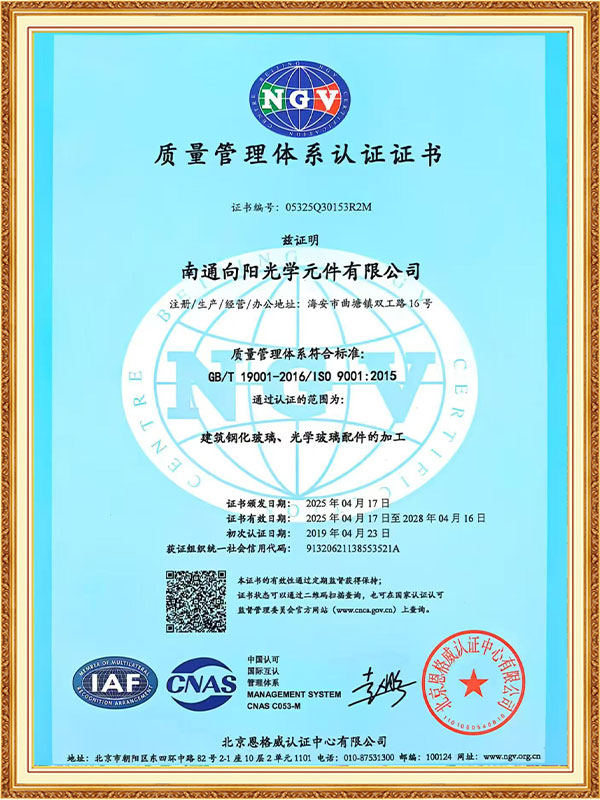
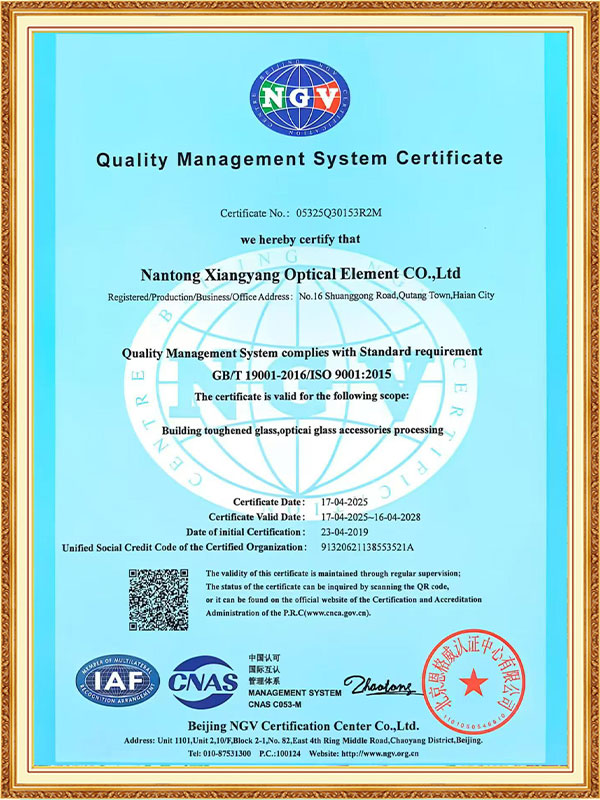
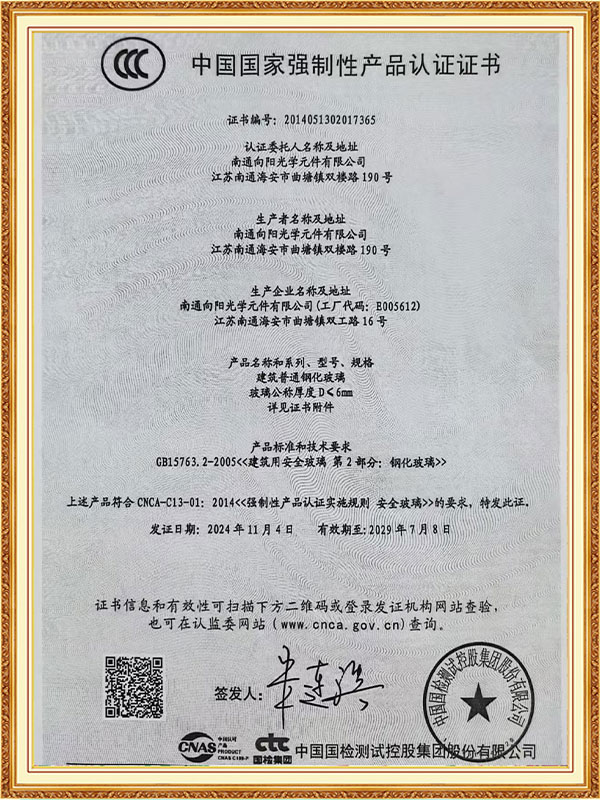
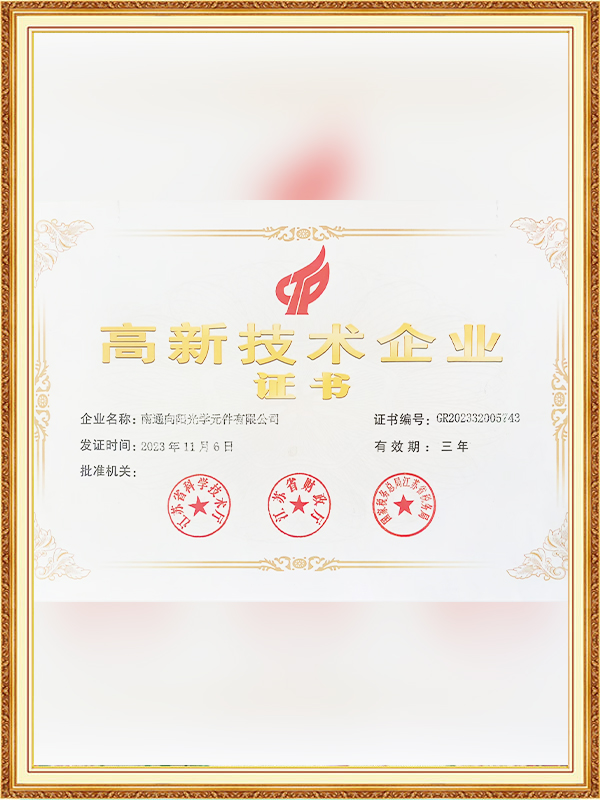
Nantong Xiangyang Optical Components Co., Ltd. is a medium-sized enterprise specializing in the production and processing of colored optical glass, colorless optical glass, and flat glass screen printing and tempering. We focus on the production and processing of colored and colorless optical glass filters and related products. We can undertake processing orders for various brands and specifications of colored filters and related products according to customer needs, and guarantee product quality.
1. What are Elevator Screen-Printed Glass Panels?
Elevator screen-printed glass panels are a composite material combining tempered glass and screen printing technology. Tempered glass has high strength and excellent impact resistance, while screen printing technology provides an aesthetically pleasing design and necessary functional identification by printing patterns or text on the glass surface.
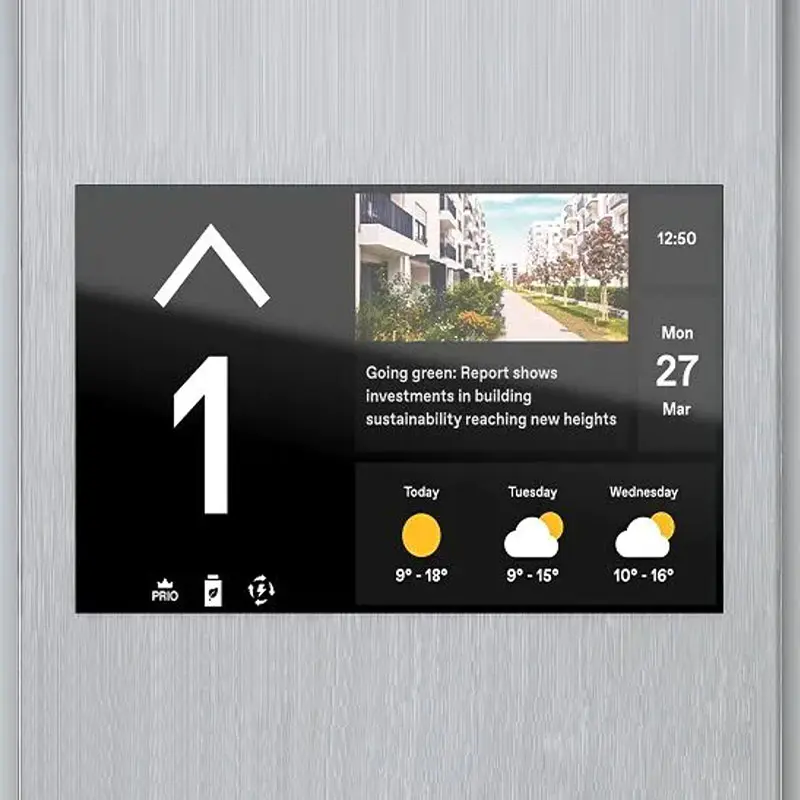
These screen-printed glass panels are commonly found inside elevator cars, especially as display panels for floor buttons, indicator lights, and function labels. They help passengers easily and quickly identify floors and functions while riding the elevator by printing numbers, icons, and text. At the same time, screen-printed glass panels also have a good decorative effect, enhancing the visual experience inside the elevator.
2. How do screen-printed glass panels improve the safety and durability of elevator interiors?
Improved Elevator Safety:
Tempered Glass Safety: Screen-printed glass panels use tempered glass, a material with high strength and impact resistance. When tempered glass breaks, it shatters into small particles, avoiding the sharp fragments produced by traditional glass breakage and reducing the risk of injury.
UV Protection and Anti-Glare: The screen-printed patterns not only effectively prevent direct UV radiation but also reduce the reflection of strong light, ensuring soft and comfortable lighting inside the elevator and avoiding glare or visual fatigue.
Enhancing Elevator Durability:
Abrasion Resistance: The screen-printed glass surface boasts high abrasion resistance, maintaining excellent appearance and functionality over extended use and resisting damage from friction.
Corrosion Resistance: The inks used in the screen printing process undergo special treatment, exhibiting strong corrosion resistance. Even in humid environments, fading or corrosion is unlikely, ensuring the longevity of the elevator panel.
3. Advantages and Features of Elevator Screen-Printed Glass Panels
The unique advantage of elevator screen-printed glass panels lies in their ability to balance aesthetics, functionality, and safety. Here are some of its key advantages:
| Advantages and Features |
Description |
| Aesthetic Appeal |
Customizable with various patterns and colors to suit different elevator designs, enhancing the overall interior beauty. |
| Functionality |
Screen printing clearly identifies floor levels, button functions, indicator lights, and more, improving user experience. |
| Safety |
Tempered glass is impact-resistant and, when broken, does not produce sharp fragments, greatly reducing safety risks. |
| Durability |
High-strength tempered glass and wear-resistant screen-printed patterns ensure long-term use without damage. |
| UV Protection and Glare Reduction |
The screen-printed patterns effectively block UV rays and reduce glare, providing a comfortable visual experience. |
| Environmental Friendliness |
Made with eco-friendly materials, meeting the green building and elevator standards for sustainability. |
| Ease of Cleaning |
The smooth surface of the glass is easy to clean, reducing daily maintenance time and costs. |
4. Frequently Asked Questions
Q1: Can the printed patterns on elevator screen-printed glass panels be customized?
A1: Yes, elevator screen-printed glass panels can be customized with different patterns, text, and colors according to design requirements. Whether it's floor markings, advertising patterns, or functional labels for elevator buttons, they can all be personalized according to customer requirements.
Q2: Are screen-printed glass panels easily damaged?
A2: Screen-printed glass panels are made of high-strength tempered glass, which has strong impact resistance. They are not easily damaged under normal use, and even if they break, they will not produce sharp shards like ordinary glass, ensuring safety.
Q3: Do elevator screen-printed glass panels require special maintenance?
A3: Because the surface of screen-printed glass is smooth and wear-resistant, daily maintenance only requires regular cleaning. You can gently wipe the surface with a soft cloth and cleaning solution, avoiding scratching with sharp objects.
Q4: Will the screen-printed pattern fade?
A4: High-quality screen printing uses specialized, weather-resistant inks that effectively resist UV radiation and wear during long-term use, ensuring the pattern remains clear and fade-resistant for an extended period.
Q5: Are screen-printed glass panels suitable for all types of elevators?
A5: Screen-printed glass panels are suitable for all types of elevators, especially high-end elevators and locations with high decorative requirements. They not only meet the safety requirements of elevators but also provide personalized decorative effects to match the elevator's interior design style.



 English
 Español