What Is The Real Difference Between Optical Glass And Normal Glass
The core difference between optical glass and normal glass comes down to control over light. Optical glass is melted, refined, and shaped so that its refractive index stays uniform through the entire piece, its light transmittance stays high across a chosen wavelength range, and its internal distortion stays low enough for precise imaging. Regular glass, such as window glass or container glass, is made to be clear enough for everyday use, but it is not held to the same uniformity in refractive index or the same tight tolerance on internal bubbles, stress, and striae that optical work requires.
When people search optical glass vs glass, they are usually comparing a lens element or filter grade material against ordinary flat glass, and the honest answer is that both materials start from a similar family of raw ingredients but end up in completely different places because of how tightly the manufacturing process is controlled.
A refractive index held to a tight, repeatable value across the full piece
Higher and more consistent light transmittance across a defined wavelength band
Lower dispersion, which keeps colors from splitting apart inside a lens
Fewer internal bubbles, stress lines, and striae than standard flat glass
Surfaces finished to precise optical tolerances rather than a general flat sheet finish
How Optical Glass Is Manufactured Differently From Regular Glass
Optical glass manufacturing starts with a narrower, more carefully weighed set of raw materials than a standard flat glass furnace uses, since even small contamination can throw off the refractive index across a batch. The melt is held at a controlled temperature for longer, then cooled through a slow, staged annealing process that relieves internal stress and keeps the refractive index even from edge to edge. Regular glass production moves faster and tolerates a wider range of internal variation because the end use, such as a window pane or a bottle, does not depend on precise light bending.
Simplified stages of optical glass manufacturing from melt to finished element
Every finished batch also goes through optical testing that checks transmittance, refractive index, and surface accuracy before the material is approved for lens, filter, or window use, which is a step ordinary flat glass production does not need to repeat piece by piece.
Key Optical Properties Compared
Light transmittance is one of the clearest ways to see the difference between optical glass and normal glass. Ordinary window glass typically lets through a solid share of visible light, but it still absorbs and scatters more than a lens grade material. Optical crown glass, the type most associated with camera and instrument lenses, is engineered to pass a much higher share of visible light with less internal loss.
Regular Window Glassaround 85%
Colored Optical Glassaround 90%
Optical Flint Glassaround 92%
Optical Crown Glassup to 99%
General visible light transmittance reference by glass category
General property reference range for common glass categories
Property
Regular Glass
Optical Glass
Refractive Index Uniformity
Wider internal variation
Tightly controlled and consistent
Dispersion Behavior
Not closely controlled
Matched to a defined Abbe value
Surface Finish
General flat or float finish
Ground and polished to optical tolerance
Optical Glass Vs Glass: A Side By Side Performance View
Placing the two materials side by side across several performance categories makes the optical glass difference easier to see at once. The chart below is a general comparison pattern built from common optical and glass industry knowledge rather than a measurement of one specific batch.
Optical glassRegular glass
The widest gaps generally show up in dispersion control and imaging clarity, which lines up with why optical glass vs glass is such a meaningful comparison for lens design work but a much smaller concern for a window pane or a display cover.
Types Of Optical Glass And Their Roles
Types of optical glass are generally grouped by dispersion behavior and by whether the glass is meant to pass all visible wavelengths or filter out specific ones. The table below covers the categories most buyers ask about.
Common optical glass categories and their typical role
Glass Type
Key Trait
Typical Role
Crown Glass
Low dispersion, high transmittance
Main lens elements in cameras and instruments
Flint Glass
Higher refractive index
Paired with crown glass to correct chromatic aberration
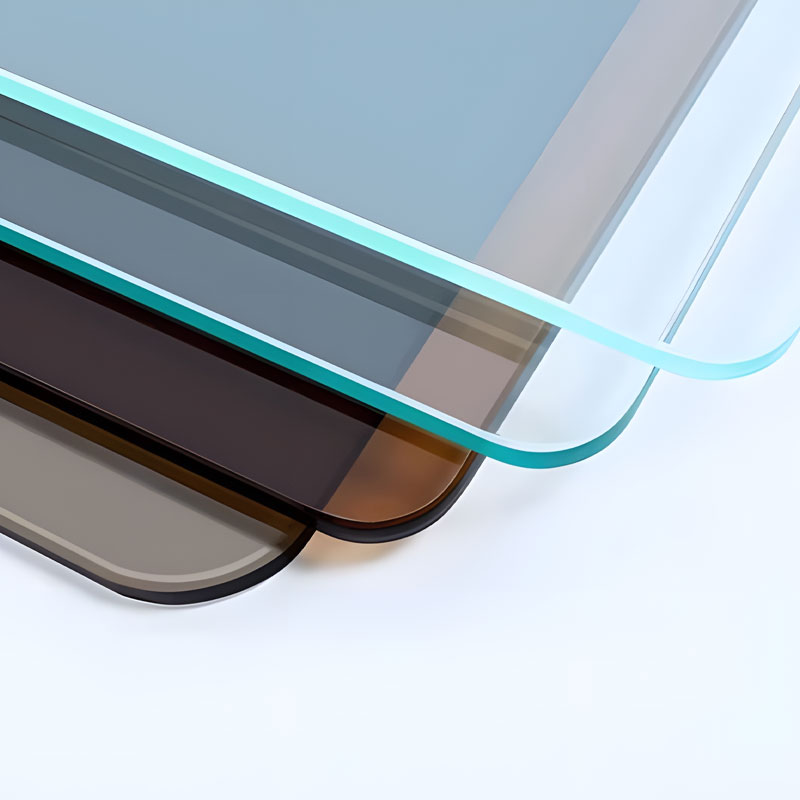
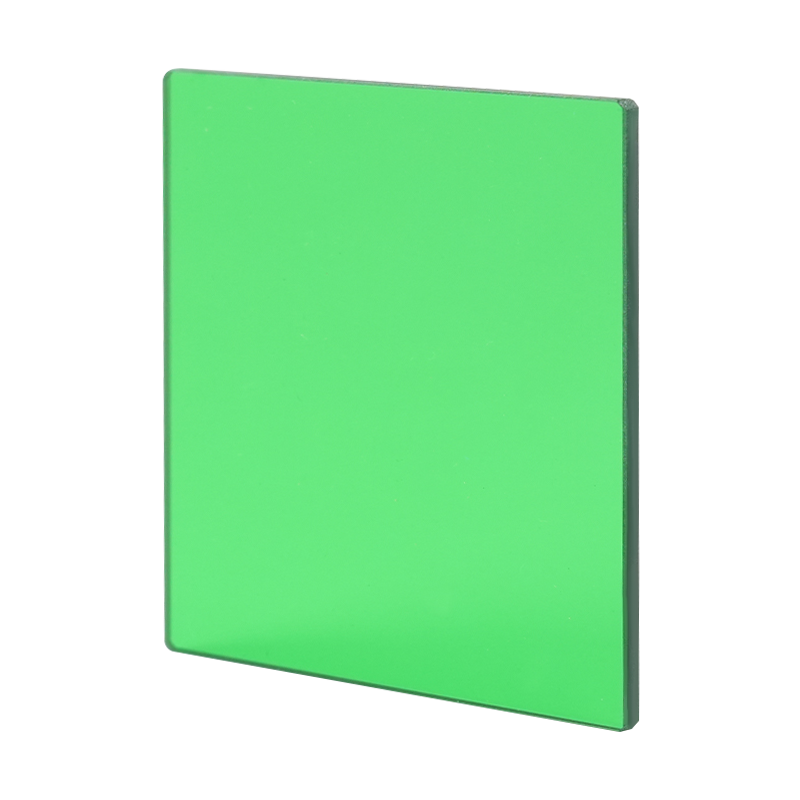
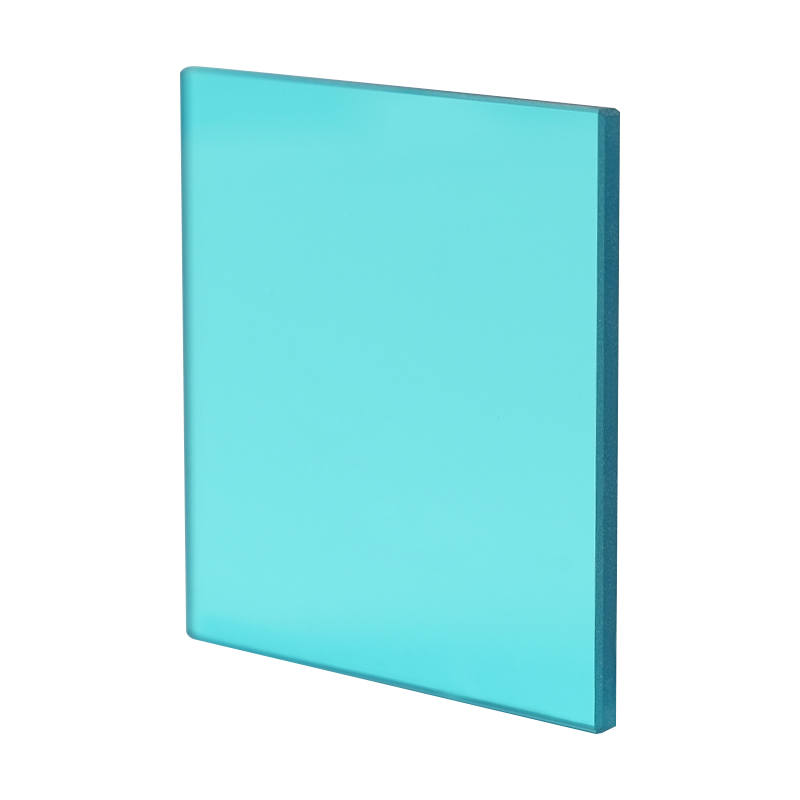
Colored Optical Glass
Selective wavelength absorption
Optical filters across ultraviolet, visible, and infrared bands
Colorless Optical Glass
Broad spectrum clarity
Windows, prisms, and general imaging components
Crown and flint glass are usually paired together inside a lens group, since combining a low dispersion element with a higher index element is what keeps colors from splitting apart at the edges of an image.
Where Optical Glass Is Used
Optical glass applications sit at the center of any device that needs to capture, measure, or shape light with precision. The chart below reflects a general distribution across common application areas.
35%Imaging Optics
25%Instruments
20%Medical Imaging
12%Industrial Inspection
8%Astronomy
General distribution pattern of optical glass use across application areas
A Closer Look At Common Applications
Camera and smartphone lens groups rely on paired crown and flint elements to correct chromatic and spherical aberration
Surveillance camera lenses use optical glass to keep transmittance and imaging stable under low light conditions
Medical imaging equipment uses optical glass in detector windows, endoscope light paths, and microscope objectives
Precision metrology instruments use optical glass prisms, gratings, and beam splitters for accurate measurement
Large telescope mirrors depend on oversized, highly uniform optical glass to capture distant light clearly
Growing Demand For Precision Optical Components
Demand for precision optical glass components has generally trended upward in recent years, tracking alongside growth in multi camera smartphones, machine vision systems on factory lines, and medical imaging devices that all depend on stable, high quality glass elements. The line below illustrates this general upward pattern rather than a figure pulled from a single named study.
Illustrative relative demand index for precision optical glass components, 2019 to 2025
Sourcing From An Optical Glass Manufacturer
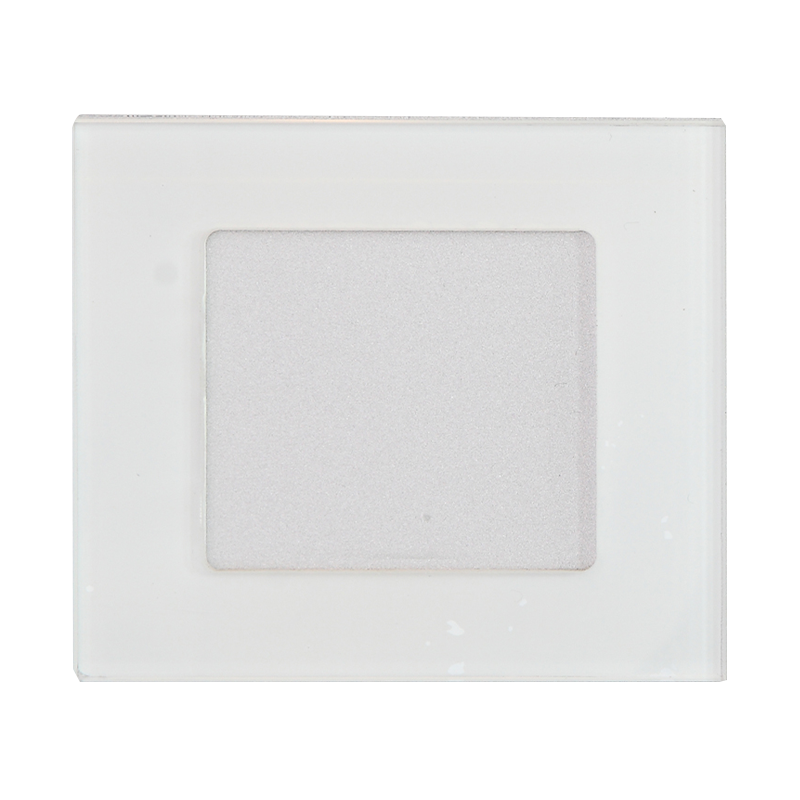
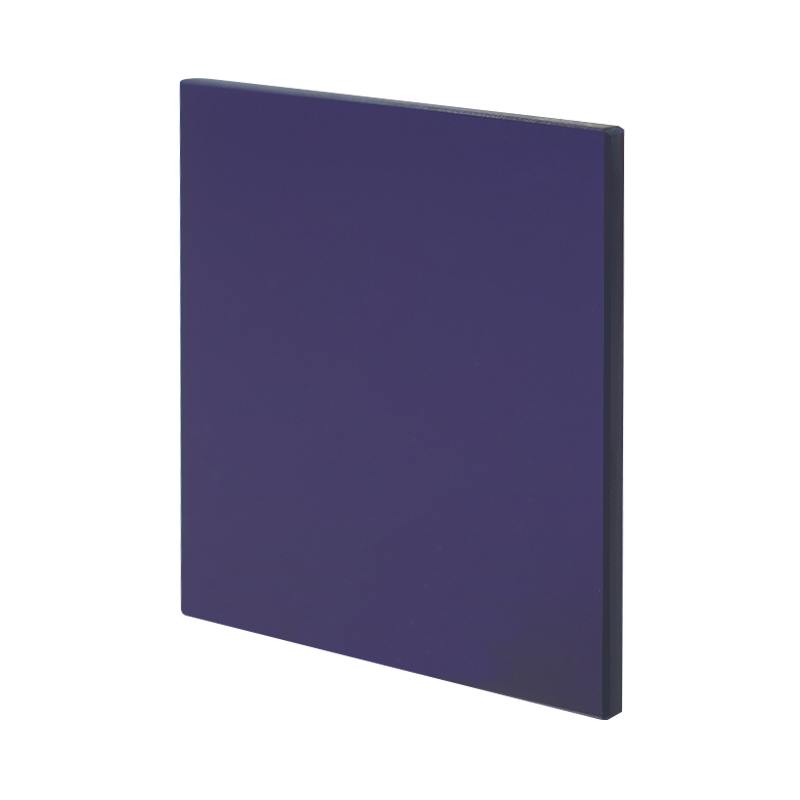
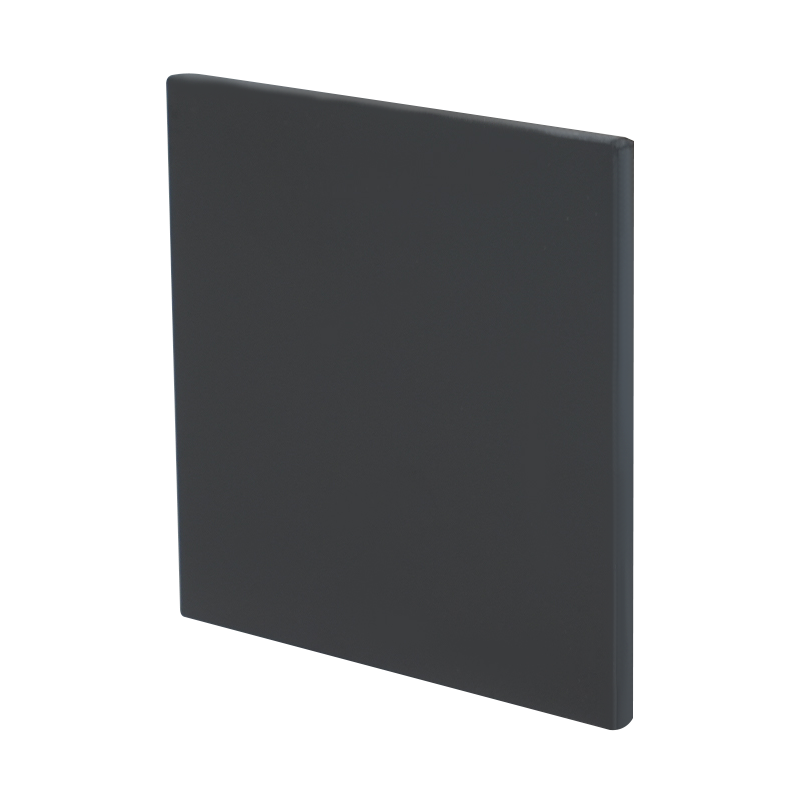
Nantong Xiangyang Optical Element Co., Ltd. was founded in 1996 and operates a 10,000 square meter production base in Jiangsu Province, working across colored optical glass, colorless optical glass, and flat glass silk screen printing and tempering. As an optical glass manufacturer and optical glass supplier China buyers can work with directly, the company produces more than a hundred colored optical glass products spanning ultraviolet, visible, near infrared, and infrared light regions.
The optical components division operates as an OEM and ODM optical filter partner, processing color filters and light filters for optical instruments, medical instruments, biochemical and analytical instruments, electronics, and aerospace and research applications. Inspection relies on equipment introduced from Germany, Japan, and Switzerland to keep transmittance, refractive index, and surface accuracy checks consistent across production runs. A separate flat glass division handles silk screen printing and tempering for elevator control panels, household appliance panels, instrument displays, and electronic switch components, supplying over a hundred specification variations.
What Buyers Typically Look For In A Supplier
A precision optical glass supplier with in house melting, grinding, and polishing capability
An optical glass components manufacturer able to hold consistent transmittance and refractive index across large batches
A custom optical glass manufacturer that can develop filters or lens blanks around a specific wavelength requirement
An optical glass factory with imported inspection instruments for repeatable quality checks
A custom optical glass manufacturer China based buyers can coordinate with directly for sample review and production scheduling
Buyers comparing an optical glass supplier for a new imaging, instrument, or filter project generally review sample transmittance curves and surface finish before committing to a production run, which is a straightforward way to confirm that a given optical glass supplier China partner can meet the specific wavelength and clarity target a project needs.
Frequently Asked Questions
Q1. What is optical glass used for
Optical glass applications include camera and instrument lenses, filters, prisms, medical imaging windows, and telescope mirrors wherever precise light control is needed.
Q2. What are the main types of optical glass
The main types of optical glass are crown glass, flint glass, colored optical glass for filtering, and colorless optical glass for broad spectrum clarity.
Q3. How is optical glass manufactured
Optical glass manufacturing involves controlled melting, slow staged annealing, precision grinding and polishing, then optical testing before approval for use.
Q4. What makes optical glass different from normal glass
The optical glass difference comes from tighter control over refractive index uniformity, transmittance, dispersion, and surface finish than ordinary flat glass.
Q5. Can optical glass be customized for specific applications
Yes, a custom optical glass manufacturer can adjust composition and finishing to target a specific wavelength band, size, or transmittance requirement.
Q6. What factors affect optical glass quality
Optical glass quality depends on raw material purity, melt control, annealing consistency, and how precisely the final surfaces are ground and polished.




 English
 Español