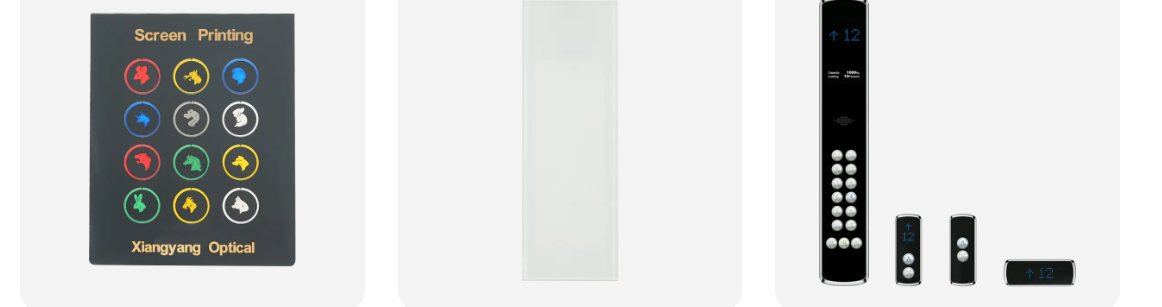
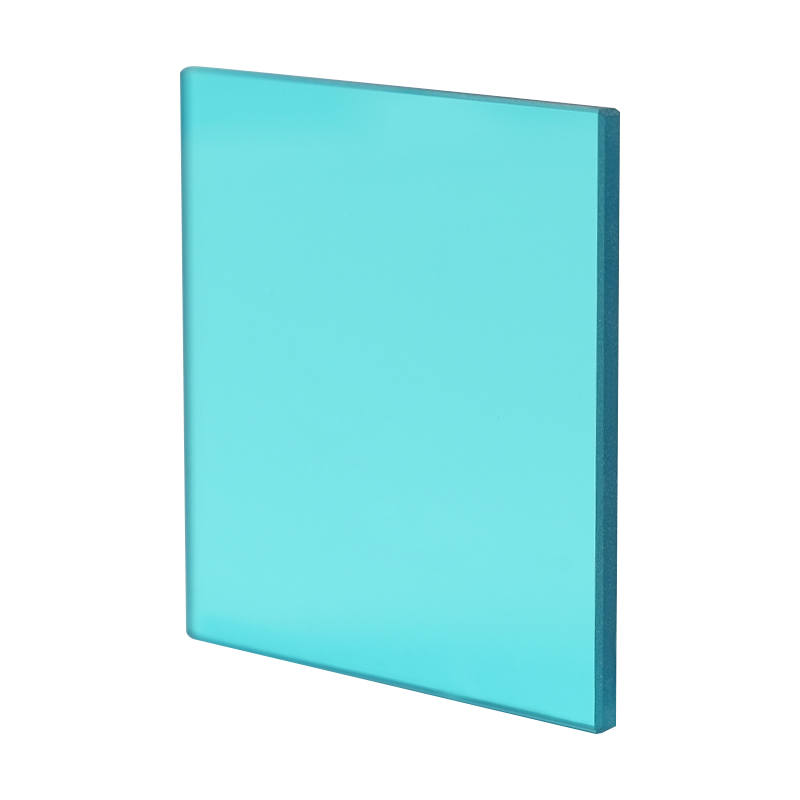
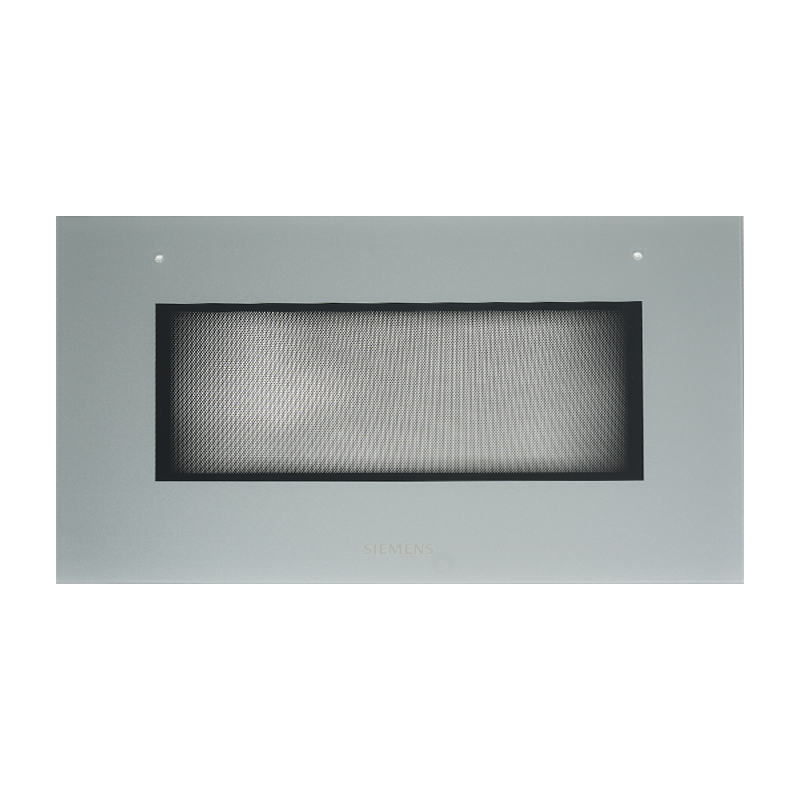
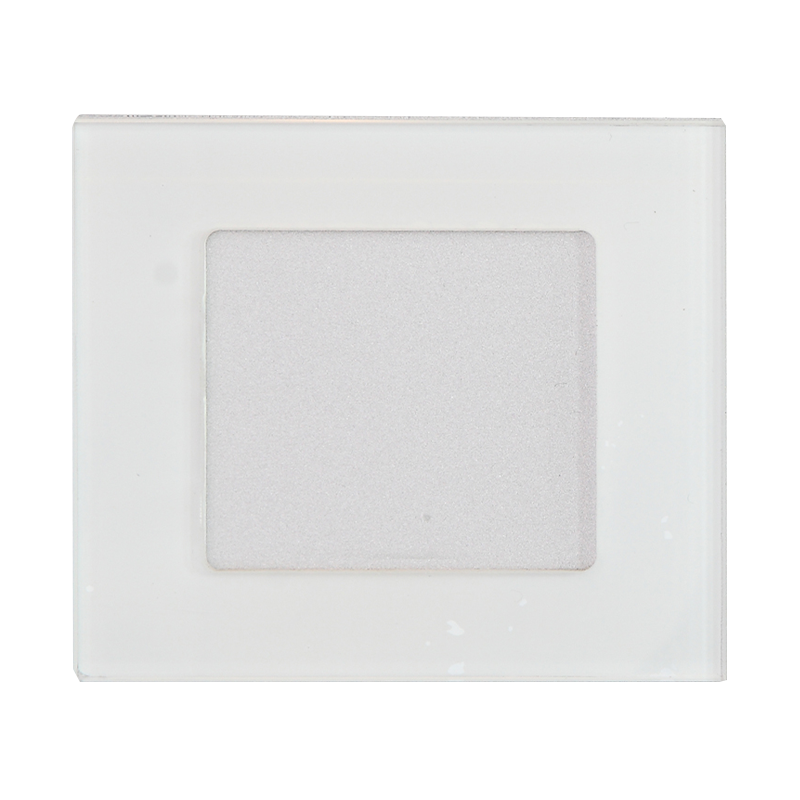
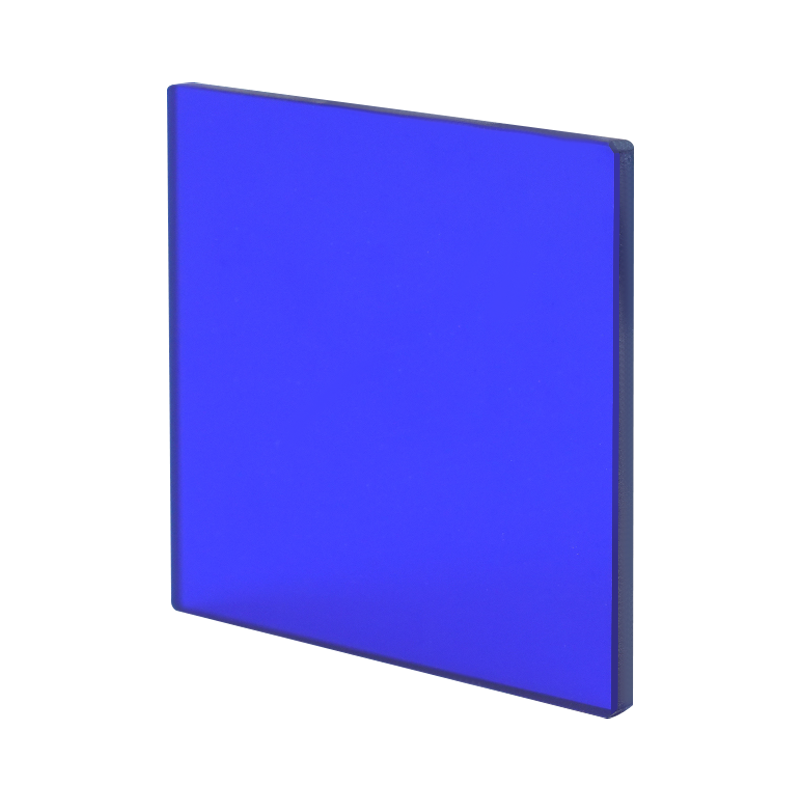
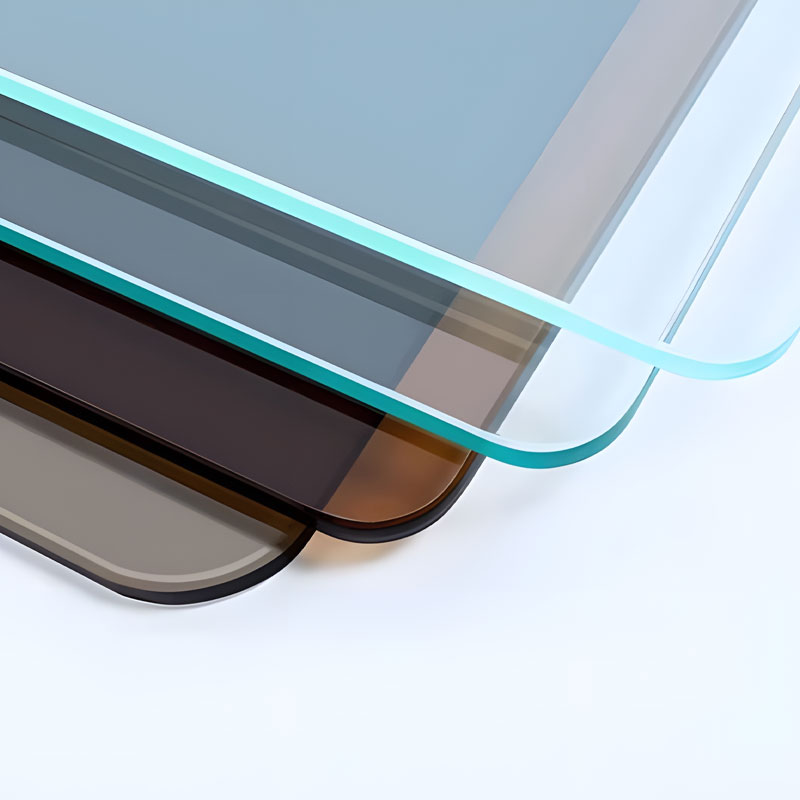
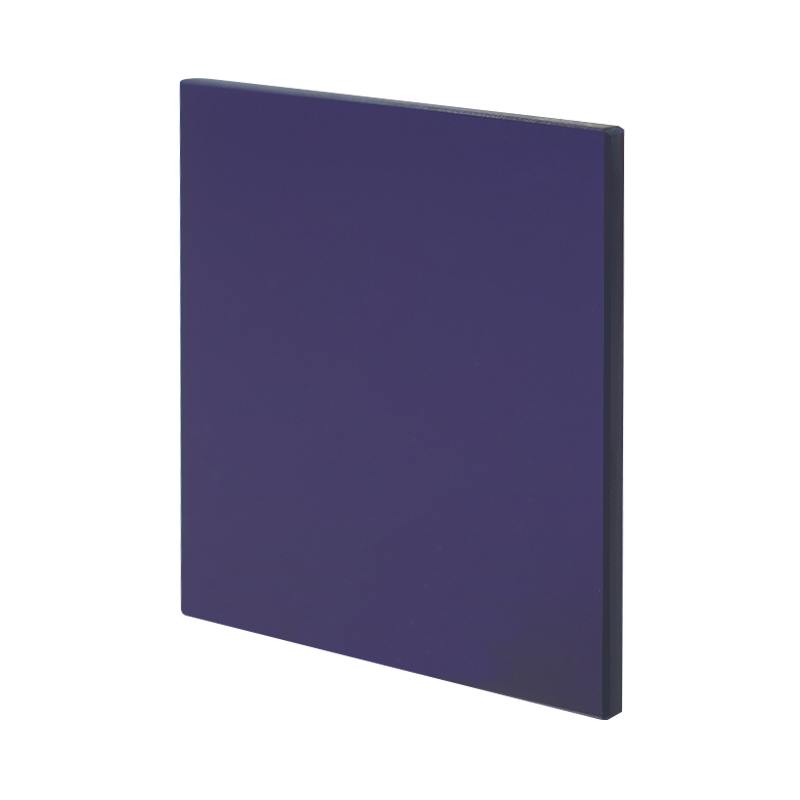
Elevator screen-printed glass panels are tempered safety glass panels that carry a permanent ceramic ink pattern fused directly into the glass surface during the tempering process. Rather than sitting on top of the glass the way paint or film does, the printed pattern becomes part of the glass itself once the panel passes through heat treatment. This is why screen printed elevator glass is widely chosen for cabin walls, ceiling panels, control panel covers, door panels, and indicator surrounds inside passenger and freight elevators.
In practical terms, when a fabricator talks about elevator screen printed glass, they are describing a two step manufacturing sequence. First, a pattern made from ceramic based ink is applied through a fine mesh screen onto flat glass. Second, that printed glass is heated close to its softening point and then rapidly cooled. This second step tempers the glass for strength while at the same time firing the ceramic ink into the surface. The result is a decorative elevator glass panel that keeps the mechanical behavior of standard tempered safety glass while adding a durable, non peeling surface pattern.
Because the ink layer is fused rather than coated, elevator cabin glass finished this way tends to hold its appearance through years of cleaning, contact, and exposure to interior lighting, without the flaking or fading that surface coatings can experience over time.
How Screen-Printed Glass Panels Are Made for Elevator Interiors
The production sequence for elevator glass panels follows a consistent order across most flat glass workshops, because printing must always happen before tempering, not after. Once glass has been tempered it cannot be cut, drilled, or reheated for printing without breaking, so the pattern has to be locked in during the earlier stage of production.
Glass is cut and edge processed to the exact panel dimensions required for the cabin wall, door, or control box opening.
The cut glass is washed and dried to remove dust, oil, and residue that could interfere with ink adhesion.
A mesh screen carrying the negative of the design is placed over the glass, and ceramic ink is drawn across it so the pattern transfers onto the surface.
The printed glass passes through a drying stage so the ink layer sets before further handling.
The panel is loaded into a tempering furnace, heated close to its softening point, then rapidly cooled with air jets. This fuses the ceramic ink into the glass and builds the compressive surface stress that gives tempered glass its strength.
Finished panels are inspected for pattern registration, surface consistency, and edge quality before packing.
This order explains why screen printed glass panels made for elevators are considered a fused finish rather than a coating. The firing step inside the tempering furnace is what bonds the ceramic pigment permanently into the glass surface, instead of leaving it as a removable layer on top.
Layer Structure of an Elevator Screen-Printed Glass Panel
Looking at a cross section helps explain why this glass behaves differently from a painted or film laminated panel. The illustration below outlines the three functional layers that make up a typical elevator screen printed glass panel once it leaves the furnace.
Illustrative cross section of a screen-printed tempered glass panel used in elevator cabin construction.
Why Elevator Cabins Increasingly Use Screen-Printed Glass
Elevator designers choose decorative elevator glass for a mix of practical and visual reasons. The following points come up repeatedly in cabin refurbishment and new build projects.
Structural and Surface Benefits
The base material is tempered safety glass, so panels keep the strength and break pattern behavior expected inside a passenger cabin.
Because the ink is fired into the surface, the pattern resists scratching from everyday contact, luggage, and cleaning tools better than a surface coating.
Fingerprints and smudges are generally less visible on a printed, semi matte surface compared with a fully reflective mirror finish.
Design and Lighting Benefits
Pattern density can be adjusted to control how much light passes through, which is useful for ceiling panels or light diffusing wall sections.
Color and pattern can be adapted to match a lobby or building interior theme without changing the underlying glass type.
A printed surface tends to hide minor handling marks more effectively over the life of the cabin than a plain clear panel.
Screen-Printed Glass vs Other Elevator Glass Finishing Options
Elevator cabins use several different glass finishing methods, and it helps to see how Elevator screen-printed glass panels compare with the alternatives side by side.
Finishing Method
Surface Character
Typical Elevator Use
Light Transmission
Screen-Printed (Ceramic Frit) Glass
Fused pattern, matte to semi gloss
Cabin walls, ceiling, control covers
Adjustable by ink density
Painted Glass
Surface coating, gloss finish
Accent panels
Low, mostly opaque
Laminated Film Glass
Film bonded between glass layers
Safety rated decorative panels
Depends on film type
Etched or Frosted Glass
Textured, translucent surface
Privacy panels, light diffusers
Medium, diffused
Digitally Printed Glass
Ink jet surface image
Custom artwork panels
Depends on coverage
General comparison of common elevator interior glass finishing methods.
Among these options, screen printing is often preferred for structural panels such as cabin walls, because the ceramic ink becomes part of the tempered surface instead of remaining a separate coating layer that can wear over time.
Performance Comparison: Screen-Printed Glass vs Plain Tempered Glass
The chart below places screen printed elevator glass next to plain tempered glass across four practical factors, rated on a simple ten point scale for illustration.
Property Comparison Chart
Illustrative comparison based on general material characteristics, not a specific test report.
Where Screen-Printed Glass Panels Are Used Inside an Elevator Cabin
Not every part of a cabin calls for the same pattern density or opacity. The table below outlines how elevator glass panel placement usually maps to function.
Component
Panel Function
Common Pattern Style
Cabin Wall Panels
Feature surface, interior theme
Bold geometric or gradient dot
Ceiling Panels
Light diffusion overhead
Fine dot gradient, low density
Control Panel Covers
Button surround, branding area
Solid color, minimal pattern
Door Panels
Entry surface, wear resistance
Line texture, medium density
Indicator Panels
Floor display surround
Frame border pattern
Common placement of screen-printed glass panels within an elevator cabin.
Relative Usage by Cabin Location
Illustrative relative usage scale (1 to 10) across common cabin locations.
Design Patterns and Customization Options for Decorative Elevator Glass
One reason screen printed glass elevator panels remain popular is the range of design choices available at the printing stage, since the ceramic ink can be mixed and applied before tempering locks the pattern into place.
Pattern Styles
Solid color fields for a clean, uniform panel look.
Gradient dot patterns that fade from dense to sparse across the panel surface.
Geometric or linear textures for a more architectural feature wall.
Custom artwork reproduced through multiple ink passes for layered designs.
Color, Opacity, and Finish
Ink color can be adjusted to coordinate with a building lobby or cabin interior theme.
Opacity can range from a light, semi transparent tint to a fully opaque surface depending on how much light needs to pass through.
Surface finish can be specified as matte or a light gloss to control how the panel reflects cabin lighting.
Radar Comparison: Screen-Printed Glass vs Painted Glass Across Key Factors
A radar view makes it easier to compare several factors at once. The chart below places Elevator screen-printed glass panels against painted glass across five practical dimensions.
Illustrative comparison across five general factors, for reference only.
Interior Design Trend Toward Decorative Elevator Glass
Building interior designers have been specifying more decorative surfaces inside elevator cabins as a general pattern, alongside a broader move toward customized lobby and common area finishes. The line chart below sketches that general direction using a relative index rather than exact figures.
Illustrative relative index of decorative panel specification interest over recent project stages.
Cleaning and Everyday Maintenance
Routine care for elevator cabin glass is similar to caring for any tempered glass surface. A soft cloth with a mild, non abrasive glass cleaner is generally sufficient for daily wipe downs. Abrasive pads or scouring tools should be avoided on the printed side, the same way they would be avoided on a plain reflective panel, since repeated abrasive contact can dull any glass surface over time.
Because the ceramic ink is fused into the glass rather than sitting as a separate coating, printed panels tend to tolerate routine contact with standard cleaning products better than paint based finishes, which can be more sensitive to chemical exposure and repeated wiping. Regular inspection of edge seals and mounting hardware, alongside normal glass cleaning, helps keep a cabin looking presentable over its service life.
How to Choose the Right Screen-Printed Glass Panel for an Elevator Project
Selecting the right elevator glass panel usually comes down to matching a handful of practical factors to the specific cabin design.
Technical Factors
Panel thickness suited to the size of the opening and the support structure of the cabin.
Pattern registration across multiple panels, important where a design needs to line up seamlessly on a large wall.
Edge processing that matches the mounting hardware used in the cabin frame.
Visual Factors
Pattern opacity relative to how much cabin lighting needs to pass through the panel.
Color coordination with flooring, handrails, and other cabin finishes.
Matte or light gloss finish depending on how reflective the cabin interior should feel.
Manufacturing Background Behind Elevator Screen-Printed Glass Panels
Screen printed elevator glass panels described in this guide are produced using flat glass screen printing and tempering lines that combine pattern printing with heat treatment in a single production flow. Nantong Xiangyang Optical Element Co., Ltd., established in 1996 and operating from a facility covering about 10,000 square meters in Jiangsu Province, runs production dedicated to colored and colorless optical glass alongside flat glass screen printing and tempering. This combination brings experience in surface consistency and color control that carries over into decorative panel production.
Facilities producing this type of glass commonly serve elevator component makers alongside appliance, electronics, and instrument industries, since control panel covers, indicator windows, and cabin glass share similar screen printing and tempering requirements across these product categories. A production site handling both optical component work and flat glass printing tends to apply close surface inspection habits, which supports consistent pattern registration and surface uniformity on elevator glass panels.
Frequently Asked Questions
Q1: What is screen-printed glass?
Screen-printed glass is tempered glass with a ceramic ink pattern printed on the surface before the tempering step, so the pattern fuses into the glass during heat treatment.
Q2: What is screen-printed glass used for?
It is used for surfaces that need both decoration and safety glass performance, including elevator cabin walls, ceiling panels, control panel covers, and interior partitions.
Q3: What is ceramic frit glass?
Ceramic frit glass refers to the same product as screen-printed tempered glass, named after the ceramic based ink, or frit, that is fired into the glass surface during tempering.
Q4: How does screen printing on glass work?
A mesh screen carrying the pattern is placed over the glass, ceramic ink is pressed through the mesh onto the surface, and the printed glass is then tempered so the ink fuses permanently in place.
Q5: Can glass be screen printed?
Yes, flat glass of suitable thickness can be screen printed as long as printing happens before tempering, since tempered glass cannot be reheated or reworked afterward.
Q6: Is screen-printed glass durable?
Because the ceramic ink is fused into the glass rather than sitting on top of it, screen-printed glass generally resists scratching, fading, and peeling better than a surface coated panel.
Q7: What type of glass is used for elevator panels?
Elevator panels are typically made from tempered safety glass, which may then be screen printed, painted, laminated, or left plain depending on the cabin design.
Q8: Can screen-printed glass be used in elevators?
Yes, screen-printed glass is a common choice for elevator interiors because it combines the strength of tempered glass with a durable decorative surface.
Q9: Can screen-printed glass be used for elevator walls?
Yes, cabin wall panels are one of the most common applications for elevator screen-printed glass panels, often used to create a feature wall that matches the building lobby design.
Q10: What glass is best for elevator interiors?
The right choice depends on panel location and lighting needs, but tempered screen-printed glass is widely used for wall and ceiling panels since it holds a decorative pattern while meeting the strength requirements of cabin glass.




 English
 Español