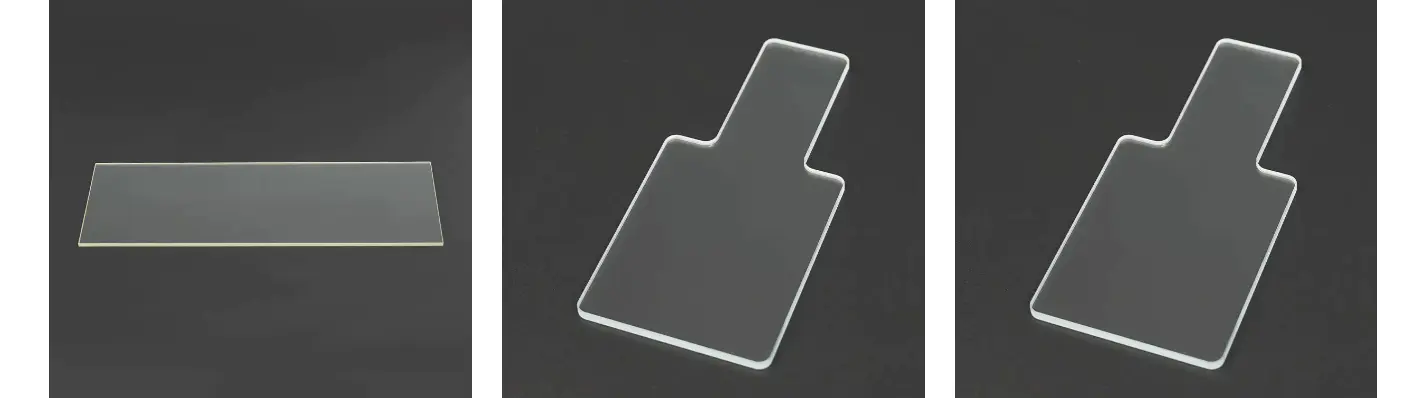
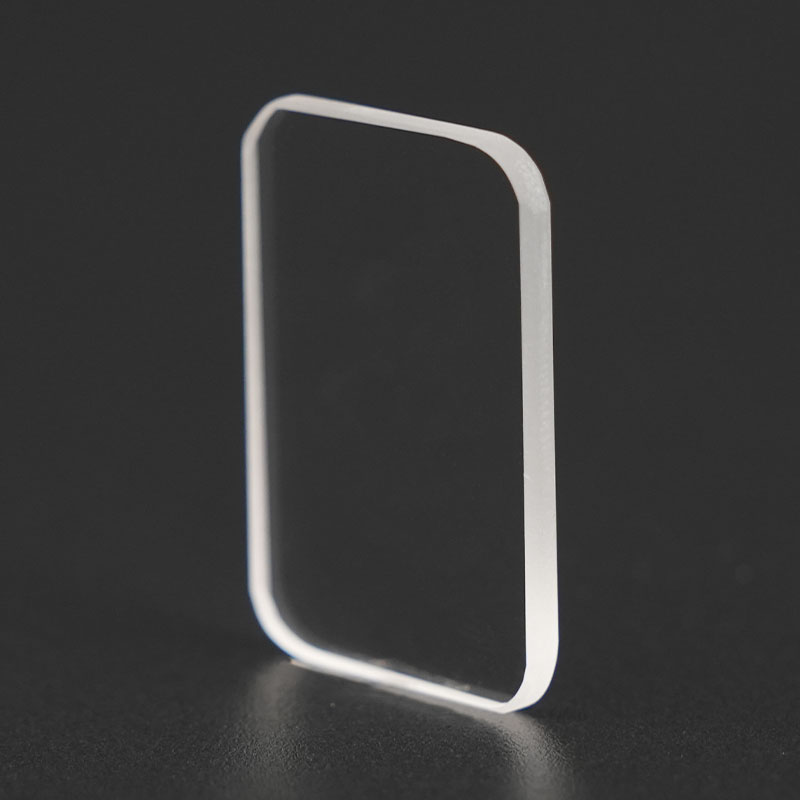
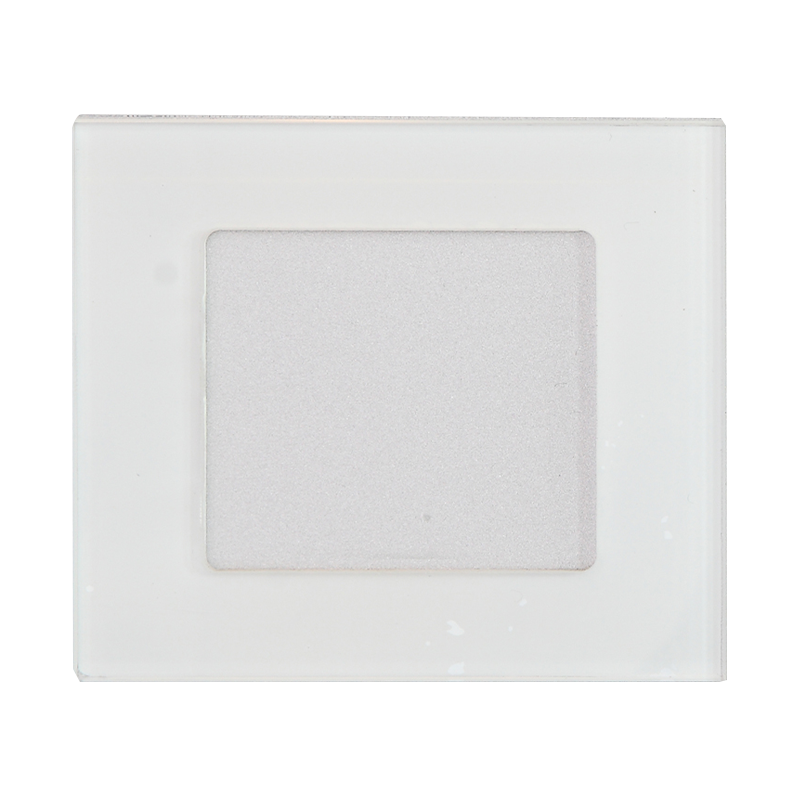
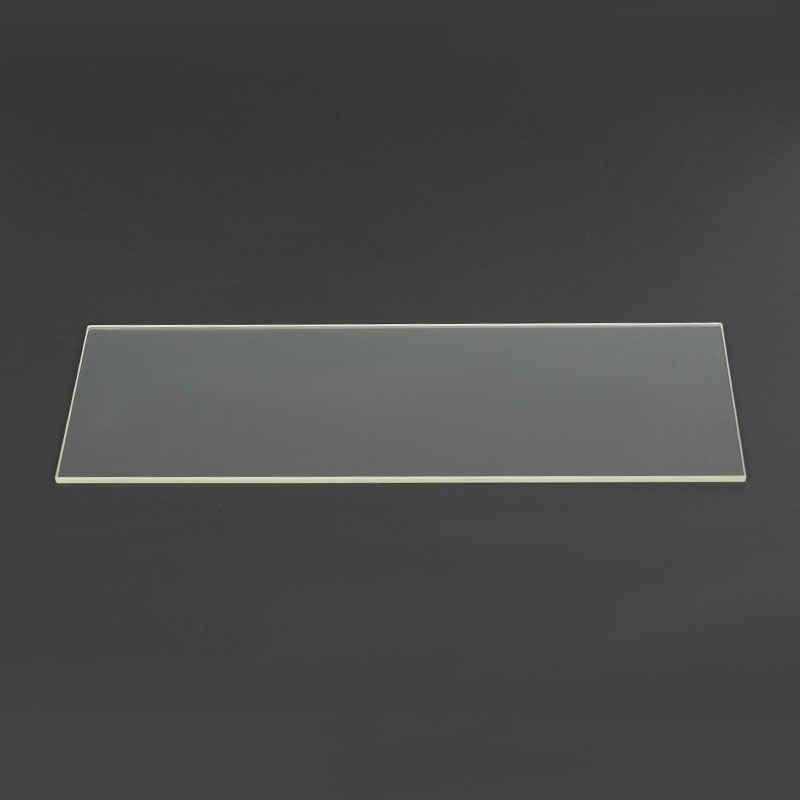
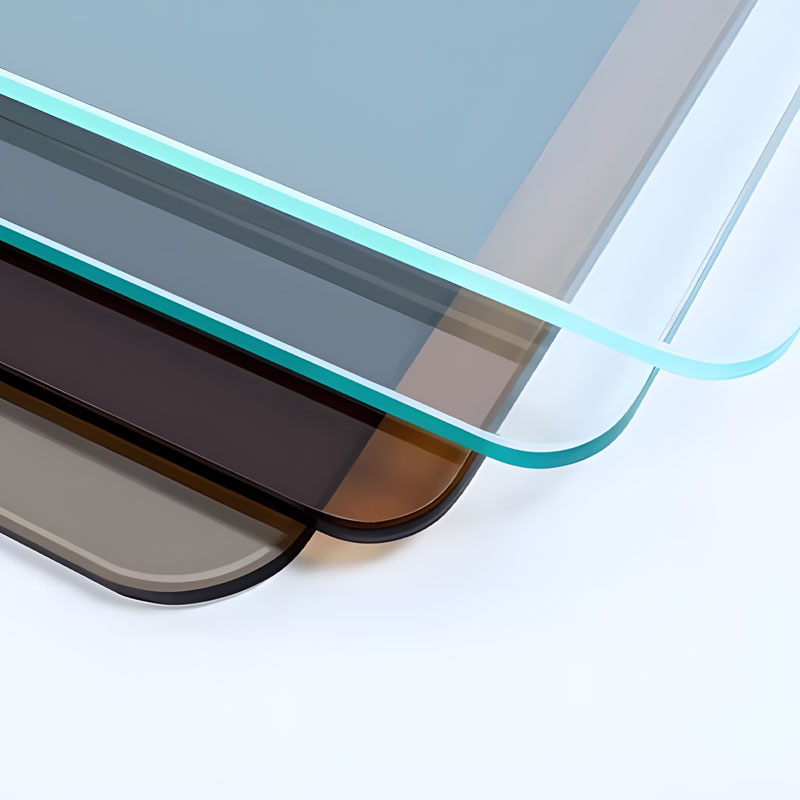
Colorless optical glass is a precision optical material formulated to transmit visible light with minimal absorption, almost no color tint, and closely controlled refractive behavior. Unlike ordinary glass, which is produced mainly for structural or decorative purposes, colorless optical glass is engineered so that light passing through it bends and travels in a predictable, repeatable way. This predictability is what allows lenses, prisms, filters, and sensor windows made from colorless optical glass to form accurate images and maintain a consistent optical path from one production batch to the next.
In practical terms, colorless optical glass typically reaches a visible light transmittance above 90 percent across the 400 to 760 nanometer band, with select formulations passing 95 percent. Because the glass absorbs and scatters very little of the light entering it, images and signals passing through stay sharp and color shift is kept to a minimum.
Near neutral color transmission across the visible spectrum
Low dispersion for reduced chromatic aberration
Stable refractive index across common operating temperatures
Suitable for precision cutting, grinding, and coating
Core Physical and Optical Properties
The value of colorless optical glass comes from a small set of measurable properties that manufacturers control during melting and annealing. Each of these colorless optical glass properties affects how the material behaves inside an optical system, from a simple magnifier to a multi element camera lens.
High Visible Light Transmittance
Transmittance in the 400 to 760 nanometer band commonly falls between 90 and 95 percent, meaning most of the light entering the glass reaches the other side instead of being absorbed or scattered. Higher transmittance keeps images brighter and reduces signal loss in equipment such as microscopes and analytical sensors.
Low Dispersion and a High Abbe Number
Dispersion describes how much a material bends different wavelengths of light by different amounts. Colorless optical glass formulated with a high Abbe number spreads light less unevenly, keeping red, green, and blue wavelengths focusing closer to the same point and reducing color fringing at image edges.
Stable Optical Constants Under Temperature Change
Refractive index and dispersion coefficient are formulated to shift only slightly as ambient temperature rises or falls. This matters in equipment that operates outdoors, inside vehicles, or in industrial settings where temperature is not tightly controlled.
Mechanical and Chemical Durability
Colorless optical glass generally withstands cutting, grinding, drilling, and coating without cracking or losing its polish, and resists gradual surface degradation from humidity or mild chemical exposure during normal handling and storage.
General reference ranges for common colorless optical glass property categories, shown on a comparative scale for illustration purposes.
Transmittance Across the Visible Spectrum
Transmittance is not perfectly flat across every wavelength. Most colorless optical glass shows a gradual rise from the violet end of the spectrum, a broad high transmittance plateau through the middle of the visible range, and a slight taper near deep red wavelengths, with the exact shape depending on composition and physical thickness.
Generalized transmittance curve shape for colorless optical glass across the visible band, shown for illustration rather than a specific batch measurement.
Thickness also plays a role. Thinner sections transmit more light for a given composition, which is why optical designers specify material type and physical thickness together when targeting a transmittance value for a finished component.
Colorless optical glass is grouped into several broad families based on composition. Each family balances transmittance, dispersion, hardness, and processing behavior differently, so the right choice depends on the optical system being built.
Reference comparison of common colorless optical glass families
Glass Family
Typical Refractive Index
Relative Dispersion
Common Use
Crown type colorless glass
About 1.52
Low
General lenses, prisms
Borosilicate colorless glass
About 1.51
Low
Instrument windows, filters
Quartz based optical glass
About 1.46
Very low
UV transmitting components
Flint type colorless glass
About 1.58
Moderate
Achromatic lens pairing
Approximate refractive index by glass family, provided for general comparison rather than a single supplier specification.
Colorless Optical Glass Versus Ordinary Glass Performance
The main distinction between colorless optical glass and ordinary glass is not appearance but control. Ordinary window or container glass is manufactured mainly to a structural and visual standard, while colorless optical glass is manufactured to a consistent optical standard, meaning refractive index, transmittance, and surface accuracy are checked and held within tight tolerance from batch to batch.
Qualitative comparison across five performance dimensions, rated on a relative one to five scale for illustration.
Colorless optical glass generally scores higher on optical clarity and dispersion control because these two factors are specifically engineered during melting, whereas ordinary glass formulations are not adjusted for optical performance.
Manufacturing Process and Structural Design
Producing colorless optical glass involves several controlled stages, each of which affects the final transmittance, surface accuracy, and mechanical reliability of the finished part.
Raw material batching and melting at a controlled temperature
Slow annealing to relieve internal stress and stabilize refractive index
Rough cutting into blanks sized for the target component
Precision grinding to the required curvature or flatness
Fine polishing to reach an optical grade surface finish
Optional coating for anti reflection or spectral filtering
Simplified structural view of a finished colorless optical glass block after grinding, polishing, and coating.
Key Applications of Colorless Optical Glass
Because it transmits light predictably and holds its shape through precision processing, colorless optical glass applications extend across a wide range of equipment where image quality or signal accuracy matters.
Relative emphasis of colorless optical glass usage by field, shown for illustration and not as a market survey figure.
Optical instruments such as microscopes, telescopes, and rangefinders
Medical and biochemical analysis instruments
Electronic device windows, sensor covers, and display components
Aviation and scientific research equipment
Laboratory and educational optical demonstration tools
Choosing a Colorless Optical Glass Manufacturer or Supplier
Selecting a dependable colorless optical glass manufacturer affects both the performance and the consistency of finished components across a production run. A few practical points are worth checking before placing a sample order.
Processing range, since cutting, grinding, polishing, and coating handled in one facility reduces handling variation between steps
Batch consistency, so refractive index and transmittance stay within a tight tolerance from one production run to the next
Customization ability, because sizes, curvature, and coating requirements often differ between projects
Testing capability, since in house measurement equipment supports checking optical constants before parts ship
Clear communication and technical support while a specification is being finalized and sampled
Buyers researching a colorless optical glass supplier often compare regional manufacturing bases as part of this process. A colorless optical glass manufacturer China based operation can offer integrated processing from raw glass through to finished, coated components inside a single supply chain, which shortens communication cycles for custom orders and repeat production.
Manufacturing Background and Production Capability
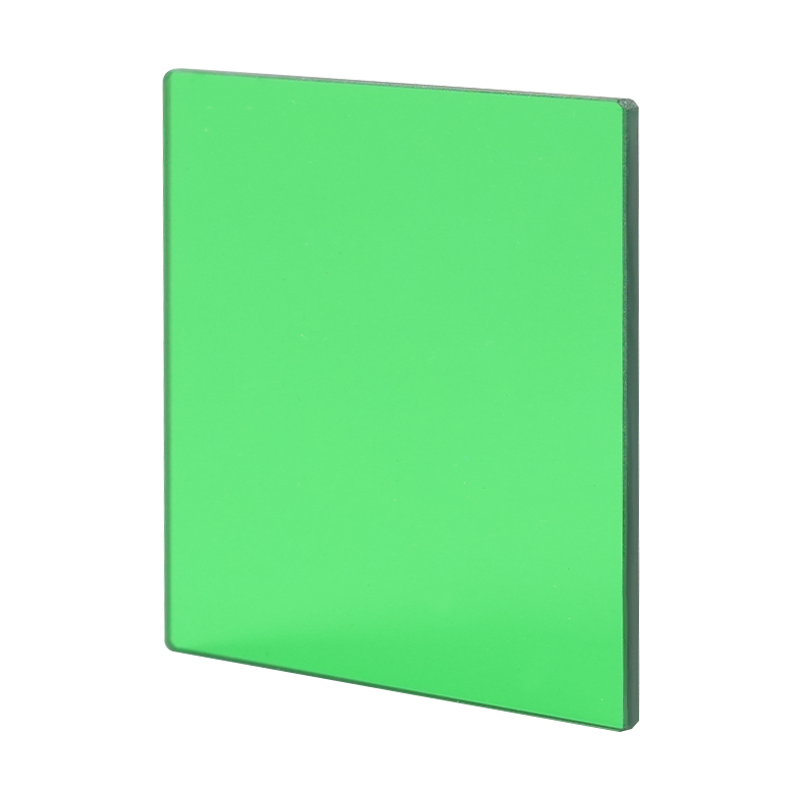
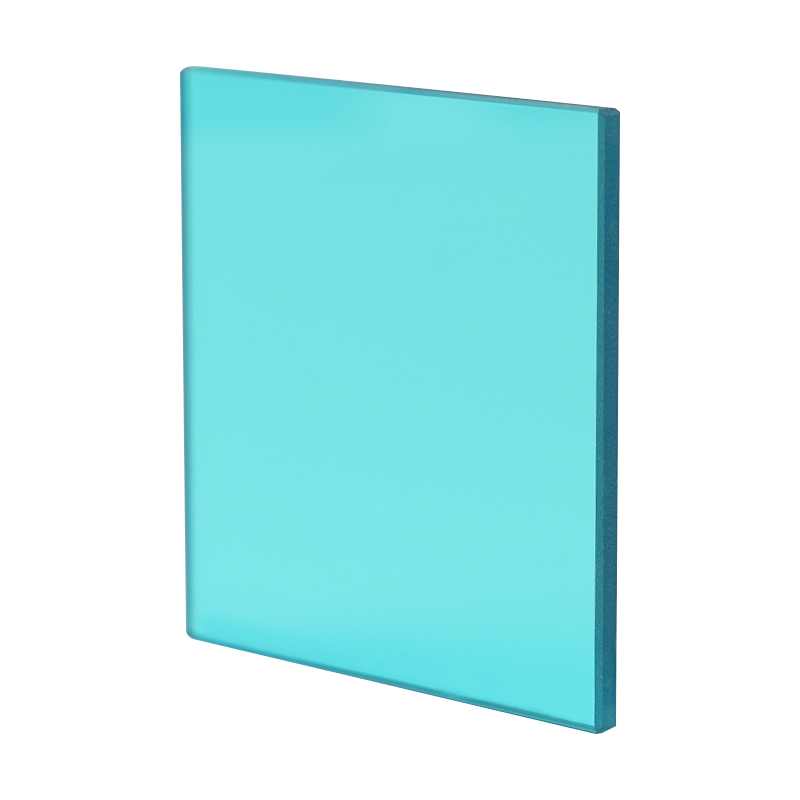
Production of colored and colorless optical glass, along with flat glass screen printing and tempering, has been carried out at our facility since 1996, based at a site covering roughly 10,000 square meters in Jiangsu Province. The optical components division focuses on colored and colorless optical glass filters, covering the ultraviolet and visible light regions as well as the near infrared and infrared regions, with more than a hundred glass product variations processed on site.
Processing equipment on site supports cutting, grinding, polishing, and coating, together with in house testing instruments used to check optical performance before parts are packed for shipment. Components produced are used across optical instruments, medical and biochemical instruments, analytical instruments, electronics, aviation, and research or educational settings, with OEM and ODM processing available for custom colorless optical glass specifications requested by individual customers.
Frequently Asked Questions
Q1. What is colorless optical glass
It is an optical grade glass formulated for high visible light transmittance and minimal color tint, used where precise control of light is required rather than general structural or decorative use.
Q2. What is colorless optical glass used for
It is used in lenses, prisms, instrument windows, sensor covers, and filters across optical, medical, analytical, and electronic equipment.
Q3. What is the difference between colorless optical glass and ordinary glass
Ordinary glass is made mainly to a structural and visual standard, while colorless optical glass is made and tested to consistent optical constants such as refractive index and transmittance.
Q4. What makes optical glass different from normal glass
Optical glass composition and cooling are controlled specifically to manage how light bends and passes through the material, which normal glass production does not target.
Q5. Is optical glass completely colorless
Most colorless optical glass is formulated to be as close to neutral as practical, though a very faint tint can sometimes remain depending on composition and thickness.
Q6. Is colorless optical glass transparent
Yes, transparency is one of its defining traits, supported by high visible light transmittance and a polished, low scatter surface finish.
Q7. What are the properties of colorless optical glass
Key colorless optical glass properties include high transmittance, low dispersion, stable optical constants under temperature change, and good mechanical and chemical durability.




 English
 Español