What is the Difference Between Optical Glass and Normal Glass?
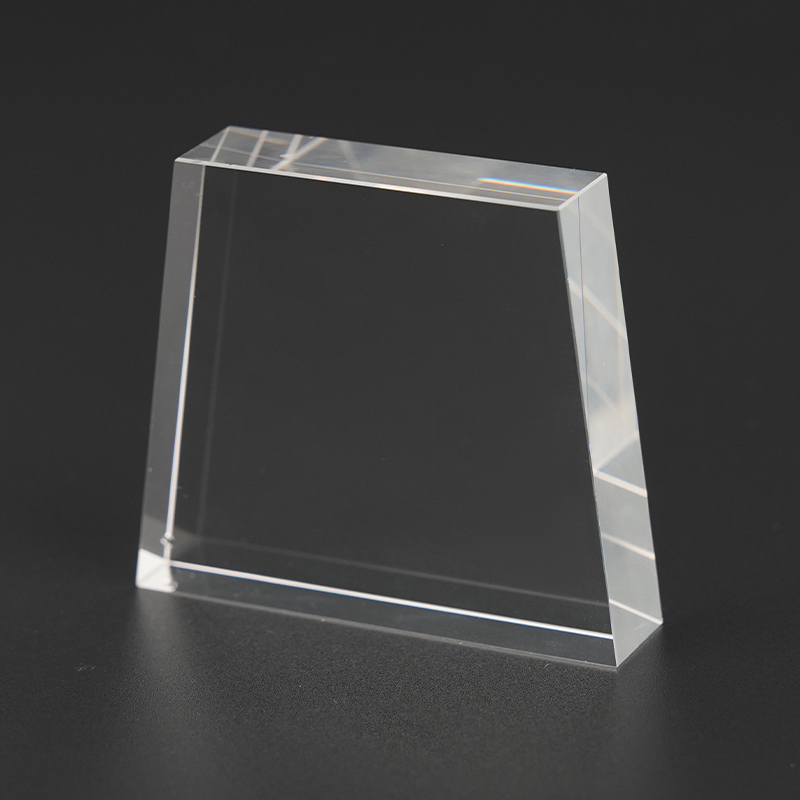
Optical glass and normal glass are both commonly used materials, but they differ significantly in their composition, properties, and uses. Optical glass is specially manufactured for precision optical applications, while normal glass is more common and used in everyday products.
Key Differences
Optical glass is engineered to have high optical clarity and precise refractive properties, while normal glass is made for general-purpose use, focusing on durability and cost-effectiveness.
Comparison Between Optical Glass and Normal Glass
| Property |
Optical Glass |
Normal Glass |
| Refractive Index |
High (1.5 - 1.9) |
Low (1.5) |
| Clarity |
Crystal Clear |
Less Clarity |
| Cost |
Expensive |
Inexpensive |
| Usage |
Optics, Lenses, Cameras |
Windows, Glassware |
Why Does Optical Glass Matter?
The precision and clarity of optical glass are crucial in applications like lenses, microscopes, and cameras, where even minor imperfections can affect the performance. The high refractive index ensures that light is bent and focused accurately, making optical glass indispensable for high-end optical equipment.
Applications of Optical Glass
Optical glass is used in a variety of industries where clarity and precision are required:
- Cameras and Camera Lenses
- Microscopes
- Eyewear Lenses
- Binoculars and Telescopes
- Projectors
Common Issues with Optical Glass
Despite its superior properties, optical glass does come with some challenges:
- Cost: Optical glass is more expensive due to its precise manufacturing process.
- Fragility: While clear, optical glass is more fragile compared to normal glass.
- Manufacturing Challenges: High precision is required, which can lead to longer production times.
- Limited Availability: Not all types of optical glass are readily available in bulk.
- Environmental Impact: The production of optical glass can be resource-intensive.
- Requires Special Handling: Sensitive to scratches and damage during installation.
Frequently Asked Questions
Here are answers to some common questions regarding optical glass:
- What is the refractive index of optical glass?
- How does optical glass improve image quality in cameras?
- Can optical glass be used for general window applications?
- What makes optical glass more expensive than normal glass?
- What are the main types of optical glass used in lenses?
- Is optical glass durable enough for industrial use?




 English
 Español