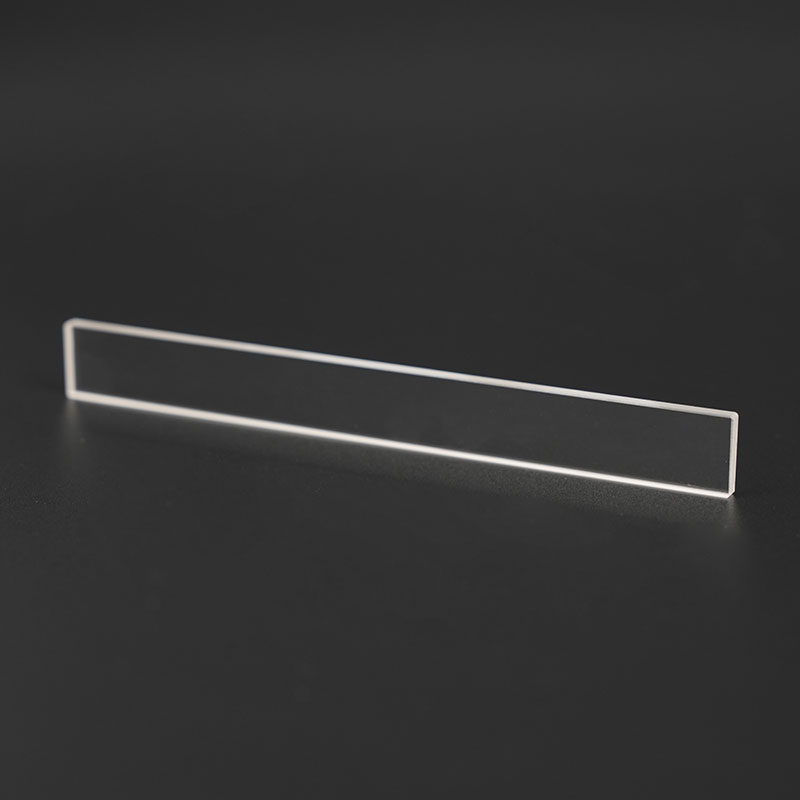
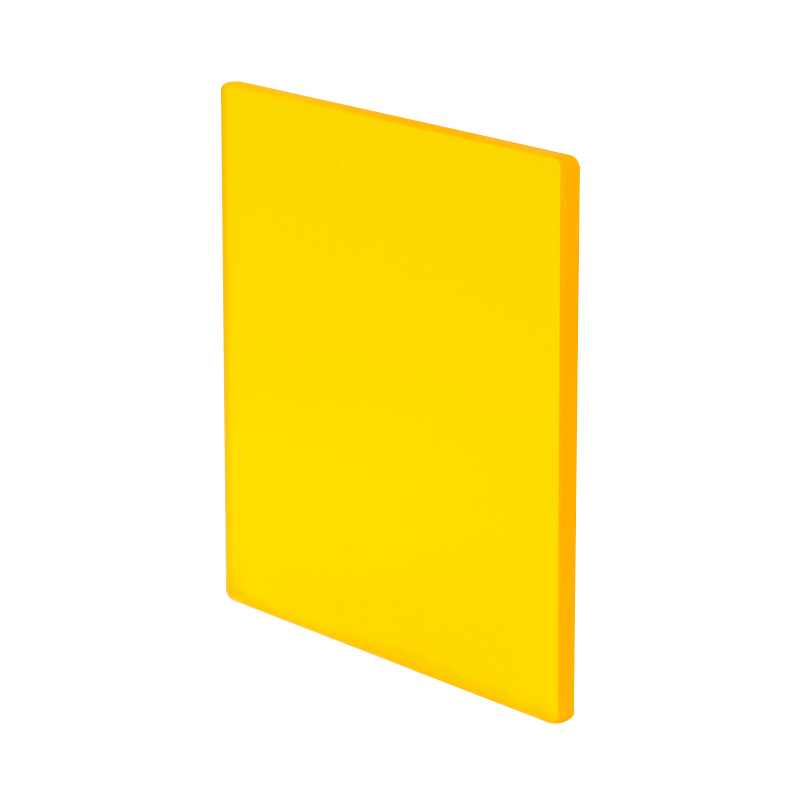
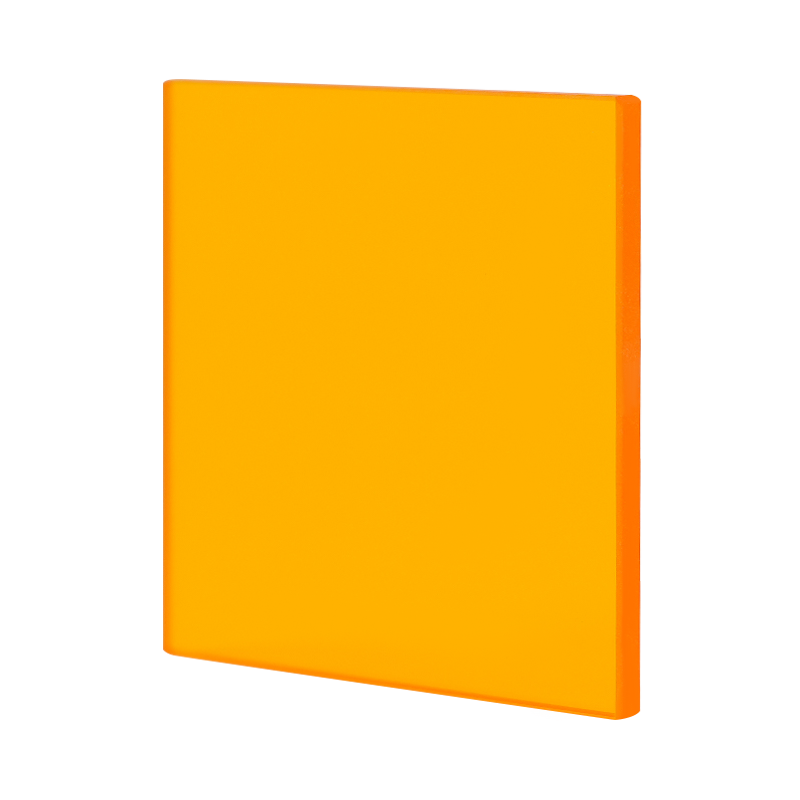
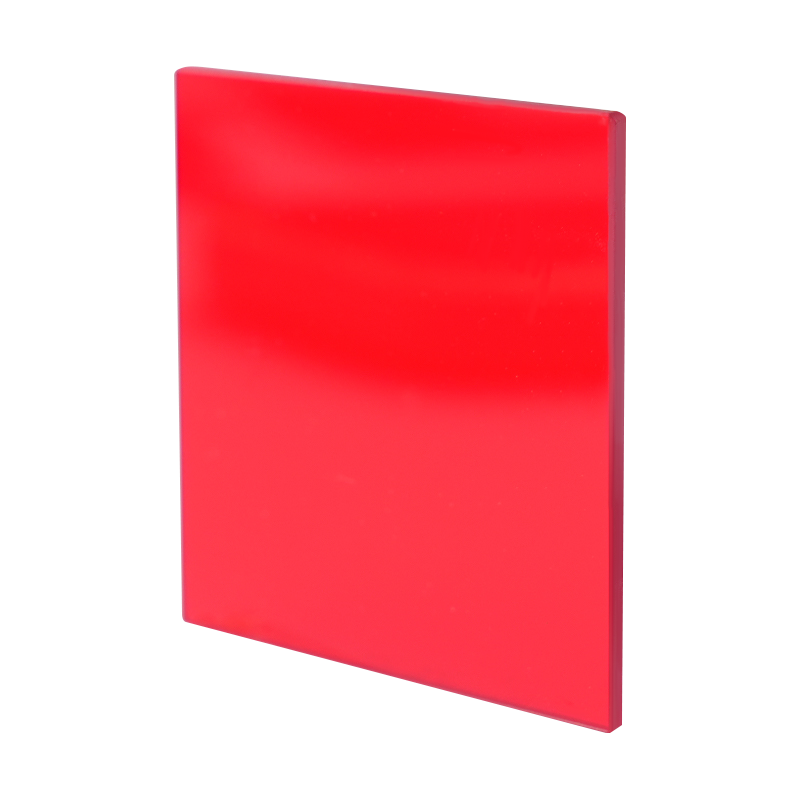
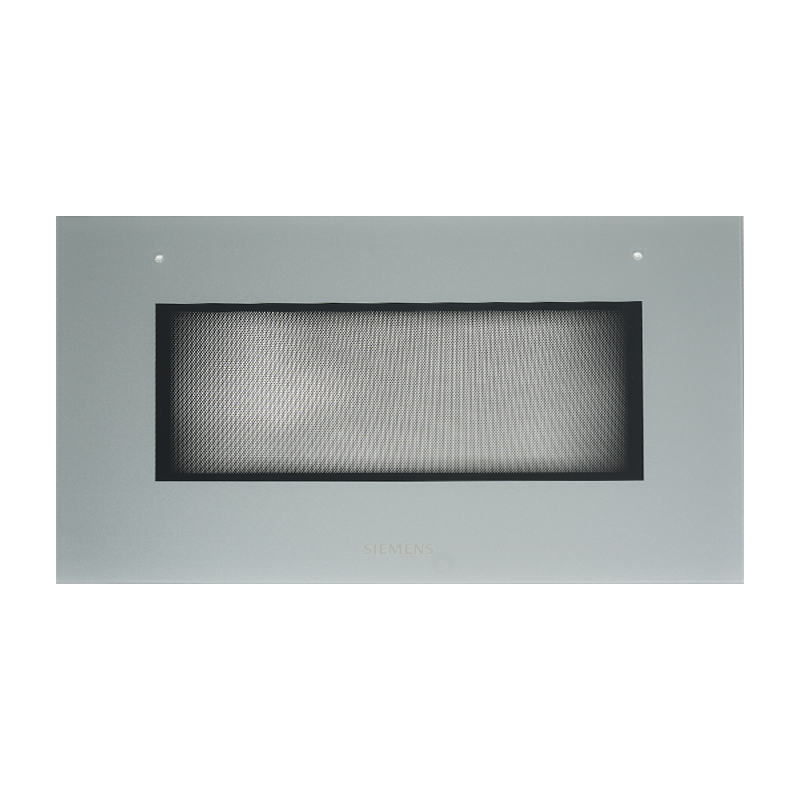
Elevator screen-printed glass panels significantly enhance both durability and safety by adding ceramic ink layers that strengthen the glass surface, reduce glare-related hazards, and provide UV resistance — all without compromising transparency or aesthetic appeal. These panels are now a preferred choice in modern elevator design for commercial buildings, luxury residences, and public transit infrastructure.
Unlike plain tempered or laminated glass, screen-printed glass undergoes a ceramic frit firing process that fuses color and pattern directly into the glass surface at temperatures exceeding 600°C (1,112°F). This creates a permanent, scratch-resistant coating that integrates structurally with the glass — not merely applied on top. The result is a panel engineered for long-term performance in high-traffic vertical transport environments.
How Screen Printing Enhances Structural Durability
The ceramic frit used in screen-printed glass is chemically bonded to the glass substrate during the tempering process. This fusion does not weaken the glass — in fact, tempered screen-printed glass is approximately 4–5 times stronger than standard annealed glass of the same thickness, according to EN 12150 and ASTM C1048 standards.
Key Durability Advantages
- Surface hardness: Ceramic ink achieves a Mohs hardness of 6–7, comparable to the glass itself, preventing surface degradation from daily contact.
- Chemical resistance: The fired ceramic layer resists cleaning agents, disinfectants, and acidic or alkaline environments common in elevator maintenance cycles.
- Thermal stability: Panels maintain structural integrity between -40°C and +300°C, making them suitable for both climate-controlled interiors and outdoor panoramic elevators.
- UV degradation resistance: Ceramic inks do not fade under prolonged UV exposure, unlike vinyl wraps or painted panels which can deteriorate within 3–5 years.
Safety Improvements in Elevator Applications
Elevator environments present unique safety challenges: high passenger density, frequent door impacts, potential vandalism, and stringent fire egress requirements. Screen-printed glass panels address these challenges on multiple fronts.
Anti-Slip and Visual Warning Capabilities
In glass-floor elevator applications, ceramic frit patterns can be printed in dot matrix or linear configurations to create anti-slip surfaces with a coefficient of friction (COF) exceeding 0.6, meeting ADA and EN 13036-4 slip resistance standards. These patterns serve the dual function of grip and visual warning — clearly marking walkable zones.
Fire and Egress Compliance
When combined with laminated interlayers (PVB or SGP), screen-printed panels meet EN 81-20 and ASME A17.1 fire-resistance requirements. The ceramic frit layer contributes to controlled break patterns — upon failure, the glass fragments into small, blunt pieces rather than dangerous shards, reducing injury risk by an estimated 60–70% compared to annealed glass.
Privacy and Glare Control
Partial coverage screen printing (typically 20–60% opacity) reduces solar glare in panoramic elevators, preventing visual disorientation for passengers. In healthcare and residential towers, frosted ceramic patterns provide privacy without blocking emergency visibility through glass walls.
Performance Comparison: Screen-Printed vs. Alternative Glass Panels
| Feature |
Screen-Printed Glass |
Plain Tempered Glass |
Vinyl-Wrapped Glass |
Laminated Glass |
| Surface Hardness |
Very High |
High |
Low |
High |
| UV Resistance |
Excellent (permanent) |
N/A |
Poor (fades in 3–5 yrs) |
Moderate |
| Anti-Slip Capability |
Yes (COF ≥ 0.6) |
No |
Limited |
No |
| Maintenance Frequency |
Low |
Low |
High |
Low |
| Design Customization |
Full (color, pattern, opacity) |
None |
Moderate |
Limited |
| Fire Safety Compliance |
Yes (with laminate) |
Partial |
No |
Yes |
Table 1: Comparative performance of elevator glass panel types across key durability and safety criteria
Real-World Applications and Industry Examples
Leading elevator manufacturers including Otis, KONE, Schindler, and Thyssenkrupp have incorporated screen-printed glass in flagship product lines for high-rise and luxury installations.
- Retail and commercial towers: Dot-matrix ceramic patterns on observation elevator glass reduce solar heat gain by up to 35%, lowering HVAC costs while maintaining safety opacity requirements.
- Hospital elevators: Antimicrobial ceramic frit formulations, tested per ISO 22196, show a 99.9% reduction in bacterial surface colonies, meeting hygiene protocols in clinical environments.
- Airport terminals: High-traffic panoramic elevators in terminals like Changi Airport T4 use 12mm screen-printed laminated panels that combine impact resistance with branding graphics — replacing wall cladding entirely.
- Residential luxury towers: Floor-to-ceiling screen-printed panels with gradient frit designs provide privacy at eye level while preserving views above and below, a solution increasingly specified in NYC and Dubai high-rises.
Manufacturing Standards and Compliance Requirements
Elevator screen-printed glass panels must meet internationally recognized standards to be certified for use in vertical transportation systems. Compliance ensures both manufacturer liability protection and passenger safety assurance.
- EN 12150-1 / EN 12150-2: European standard for thermally toughened soda lime silicate safety glass — mandatory for elevator car walls in EU-regulated buildings.
- ASME A17.1 / CSA B44: North American safety codes for elevator and escalator components, including glazing impact and penetration resistance requirements.
- EN 81-20 / EN 81-50: Specific elevator safety standards covering glass panels in car walls and doors, including minimum thickness (typically ≥10mm tempered or ≥8.8mm laminated).
- ISO 12543 (laminated glass): Governs interlayer durability, ensuring that screen-printed laminated panels maintain adhesion and optical clarity over a 25+ year service life.
Panels that fail to meet these standards risk delamination, spontaneous breakage (nickel sulfide inclusion risk in non-heat-soaked tempered glass), or surface spalling — all of which are eliminated by certified manufacturing processes.
Long-Term Cost Efficiency of Screen-Printed Glass Panels
While screen-printed glass panels carry a 15–30% higher upfront cost compared to plain tempered glass, their total lifecycle cost is substantially lower when maintenance, replacement, and compliance expenses are factored in.
| Cost Category |
Screen-Printed Glass (10 yr) |
Vinyl-Wrapped Alternative (10 yr) |
| Initial Panel Cost (per m²) |
$180–$260 |
$120–$160 |
| Replacements Required |
0–1 |
2–3 |
| Maintenance Labor Cost |
$200–$400 |
$800–$1,500 |
| Total Estimated 10-yr Cost |
$400–$660 |
$1,040–$1,980 |
Table 2: 10-year lifecycle cost comparison per m² of elevator glass panel (estimates based on commercial installation benchmarks)
Frequently Asked Questions About Elevator Screen-Printed Glass Panels
Q1: Can screen-printed glass panels be retrofitted into existing elevator cabs?
Yes. Screen-printed panels are available in custom dimensions and can replace existing glass or solid wall panels in most cab configurations. However, since the printing is fired during the tempering process, panels must be ordered to size — field cutting after printing is not possible. Retrofit installations typically require 4–8 weeks of lead time from a specialist fabricator.
Q2: How is the print pattern protected from scratches during elevator operation?
The ceramic frit is fired directly into the glass surface at over 600°C, making it chemically and mechanically integral to the panel — not a surface coating. It achieves a Mohs hardness of 6–7, meaning it resists scratching from everyday passenger contact, luggage, and standard cleaning tools. Unlike printed vinyl or digital prints, there is no protective topcoat that can peel, scratch, or require reapplication.
Q3: Are screen-printed glass panels compliant with elevator safety codes globally?
Screen-printed tempered and laminated glass panels comply with major standards including EN 81-20 (Europe), ASME A17.1 (North America), and GB/T 17841 (China) when manufactured to specification. Buyers should request compliance documentation (CE marking, test reports per EN 12150 or EN ISO 12543) from suppliers to confirm compliance for their jurisdiction.
Q4: What happens if a screen-printed elevator glass panel breaks?
Tempered screen-printed panels fracture into small, blunt fragments — a characteristic of all tempered glass — significantly reducing laceration risk. Laminated screen-printed panels (with PVB or SGP interlayer) maintain their shape even after breakage, with the interlayer holding fragments in place. This is the safer option for overhead or floor applications where panel retention post-impact is critical. Replacement panels must be custom-fabricated, so keeping spare panels on-site is advisable for high-use installations.
Q5: What coverage percentages are available, and how do they affect light transmission?
Coverage density ranges from 10% (nearly transparent) to 100% (fully opaque). Common elevator applications use 30–50% dot or line coverage to balance transparency, privacy, and glare reduction. A 40% ceramic frit coverage typically reduces visible light transmission by approximately 35–45%, depending on the color of the ink used. White and light-colored frits reduce transmission less than dark or metallic inks.
Q6: How should screen-printed elevator glass panels be cleaned and maintained?
Screen-printed panels require no special cleaning agents. Standard glass cleaners (pH-neutral detergents, isopropyl alcohol, or diluted ammonia solutions) applied with a soft microfiber cloth are recommended. Abrasive scrubbers, steel wool, or alkaline industrial cleaners above pH 10 should be avoided, as these can etch the glass surface around the frit edges. For high-traffic panels, a monthly cleaning schedule is sufficient to maintain optical clarity and hygiene standards in commercial elevator environments.




 English
 Español