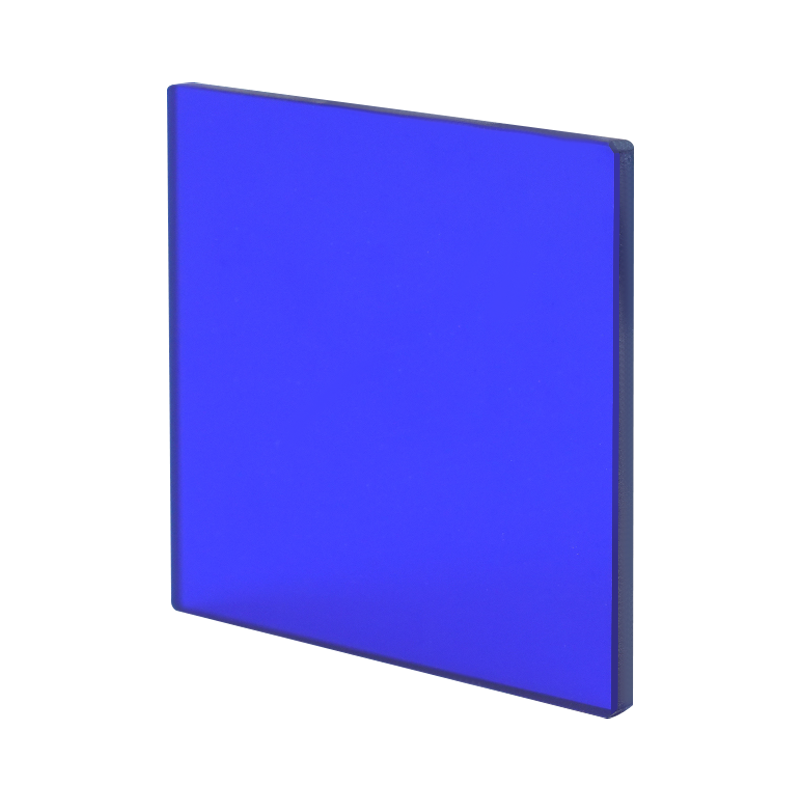
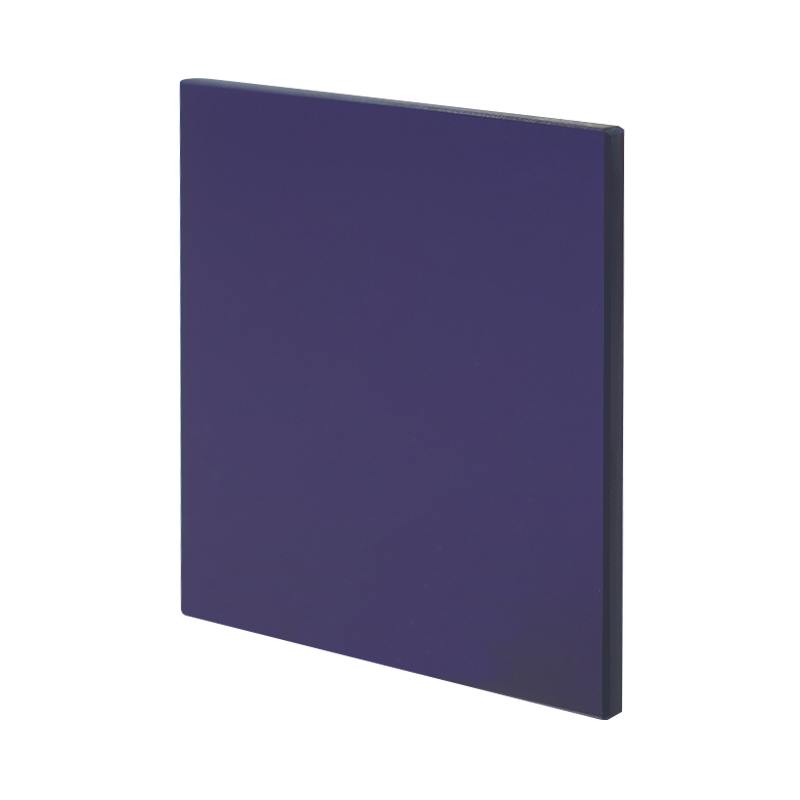
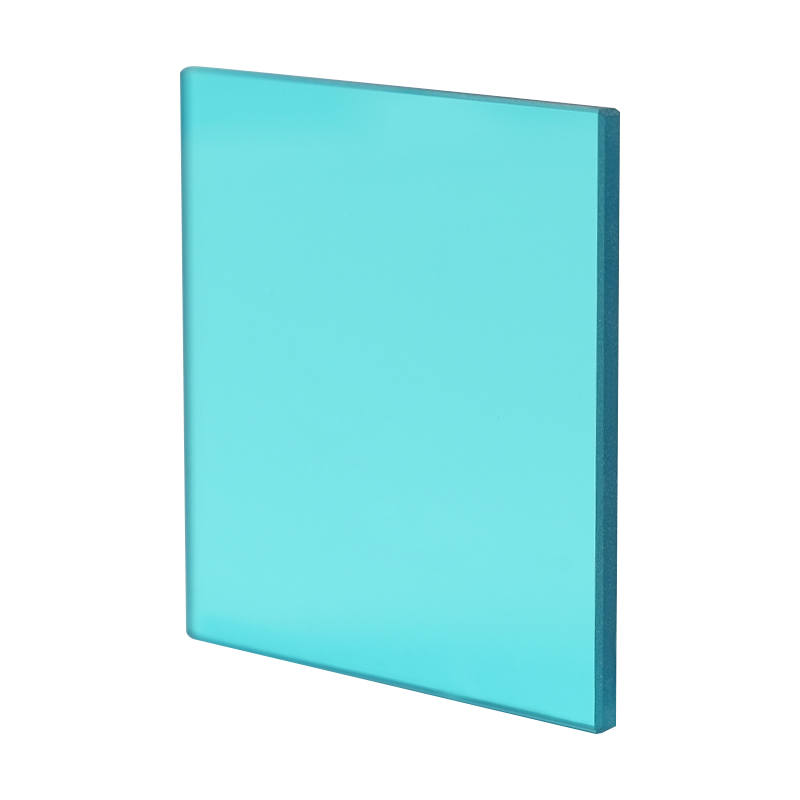
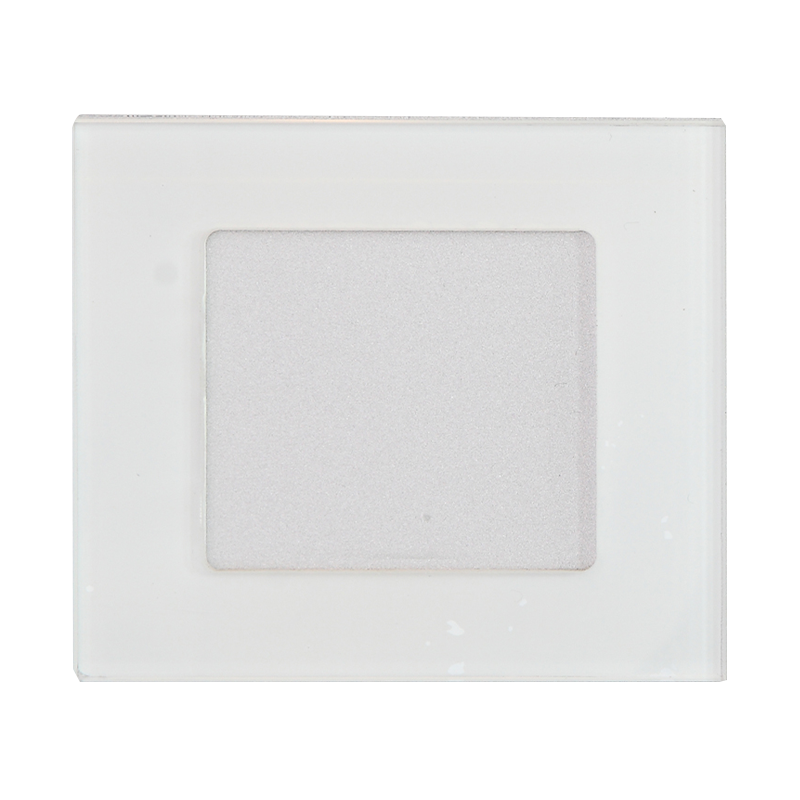
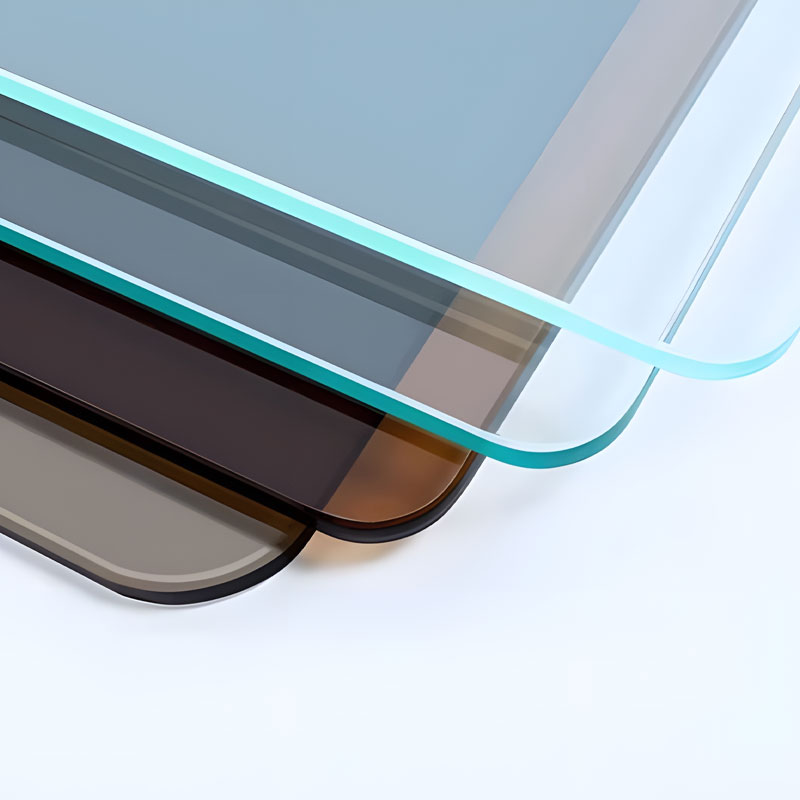
Selective absorption glass filters are indispensable in modern photography, providing photographers with the tools to control light wavelengths and optimize image quality. By absorbing specific wavelengths of light, these filters help to create the desired color balance and contrast, ensuring the best possible photograph under various lighting conditions.
Key Benefits of Selective Absorption Glass Filters in Photography
Selective absorption glass filters are used to manipulate the spectral content of light before it reaches the camera's sensor or film. By absorbing certain wavelengths and allowing others to pass through, these filters help achieve effects that are difficult or impossible to replicate in post-production. Some of the key benefits include:
- Control over color temperature: Adjusting the color balance of images under varied lighting conditions.
- Enhanced contrast: Deepening shadows and brightening highlights for more dramatic compositions.
- Improved tonal range: Preventing overexposure or underexposure, even in high-contrast scenes.
Common Applications of Selective Absorption Glass Filters
Selective absorption glass filters have various uses across multiple photography genres. They are particularly beneficial in situations where light control is critical. Some of the most common applications include:
- Portrait photography: To create natural skin tones and reduce unwanted color casts.
- Landscape photography: Enhancing the sky's color and contrast for more vibrant landscape shots.
- Product photography: Ensuring accurate color reproduction and eliminating artificial lighting effects.
How Selective Absorption Glass Filters Work
These filters work by selectively absorbing certain wavelengths of light while allowing others to pass through. For example, a filter might absorb yellow or blue wavelengths, leaving red or green wavelengths to pass, resulting in a more controlled color output. The materials used in these filters are typically designed to maximize the absorption of specific wavelengths, ensuring precise color correction and enhanced visual effects.
Factors to Consider When Choosing Selective Absorption Glass Filters
When selecting the right filter for a photographic application, several factors should be considered to ensure optimal performance:
- Light absorption properties: The specific wavelengths the filter absorbs will affect the overall image tone and contrast.
- Material quality: High-quality optical glass will ensure greater clarity and less distortion.
- Compatibility: Ensure the filter fits securely with your lens and does not introduce vignetting or other optical issues.
FAQ: Selective Absorption Glass Filters
Here are some frequently asked questions about selective absorption glass filters in photography:
- Q: Do I need a selective absorption glass filter for every photo? A: Not necessarily. These filters are most beneficial in specific lighting conditions or when precise color control is required.
- Q: Can I use these filters for video production? A: Yes, selective absorption glass filters are also useful in video production, especially for controlling light and color temperature in cinematic shots.
- Q: How do I know which wavelength to absorb? A: This depends on the desired effect or color balance you want to achieve. Many filters are labeled with specific wavelength absorption information to help guide your choice.




 English
 Español