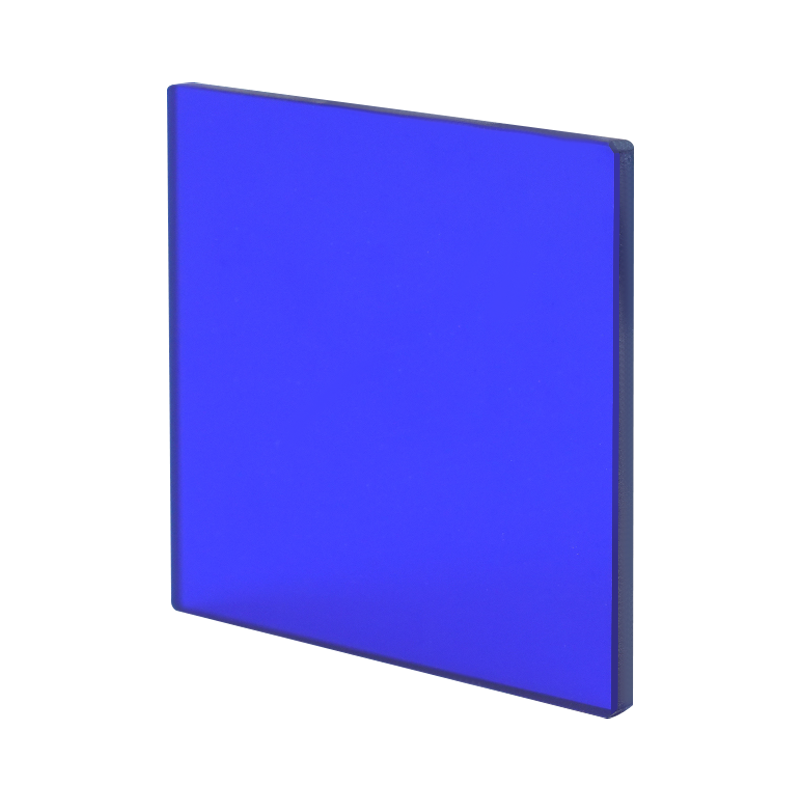
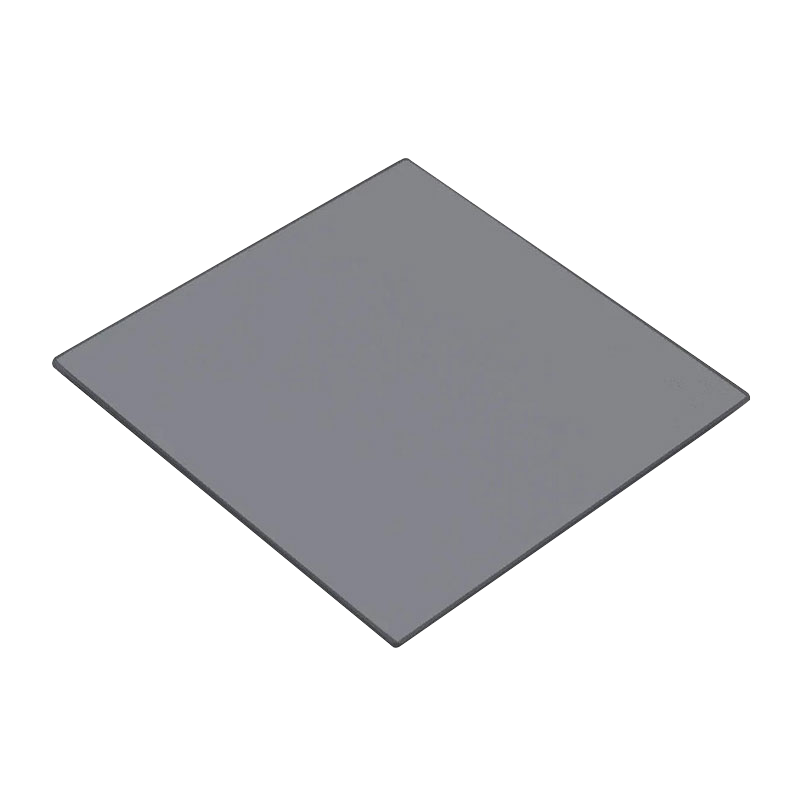
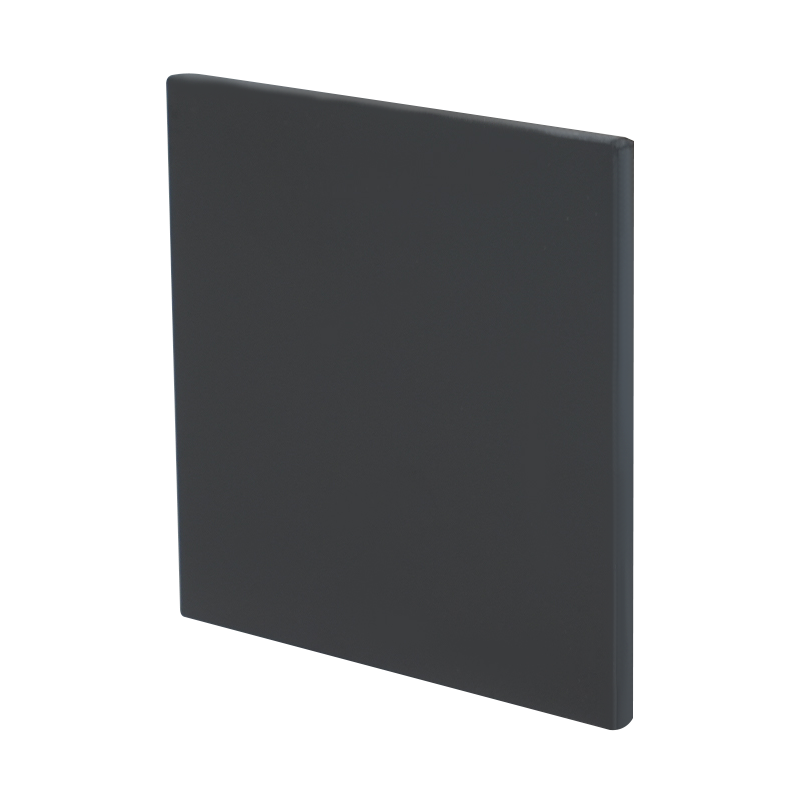
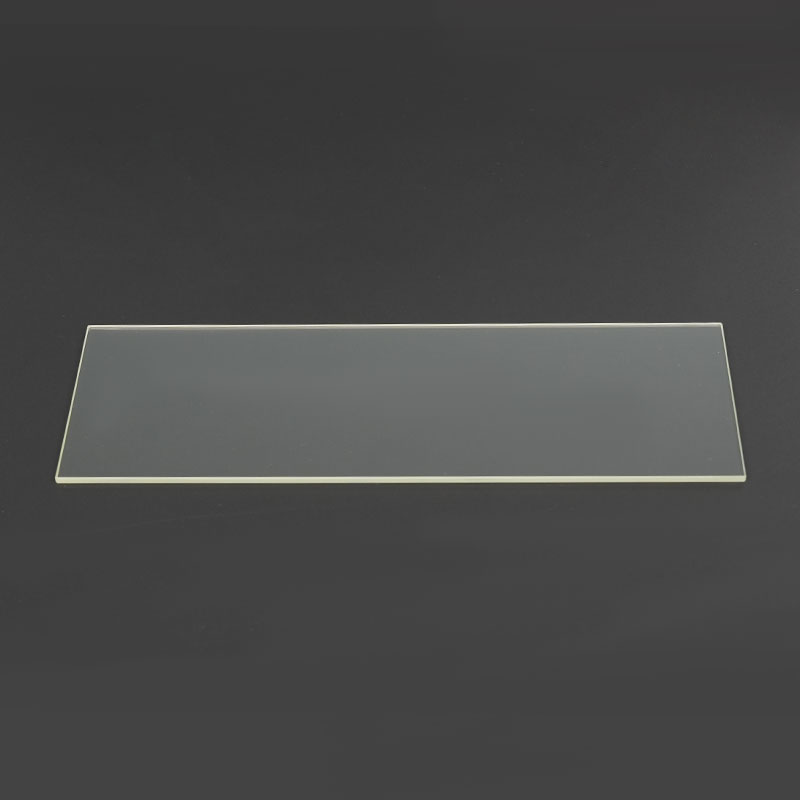
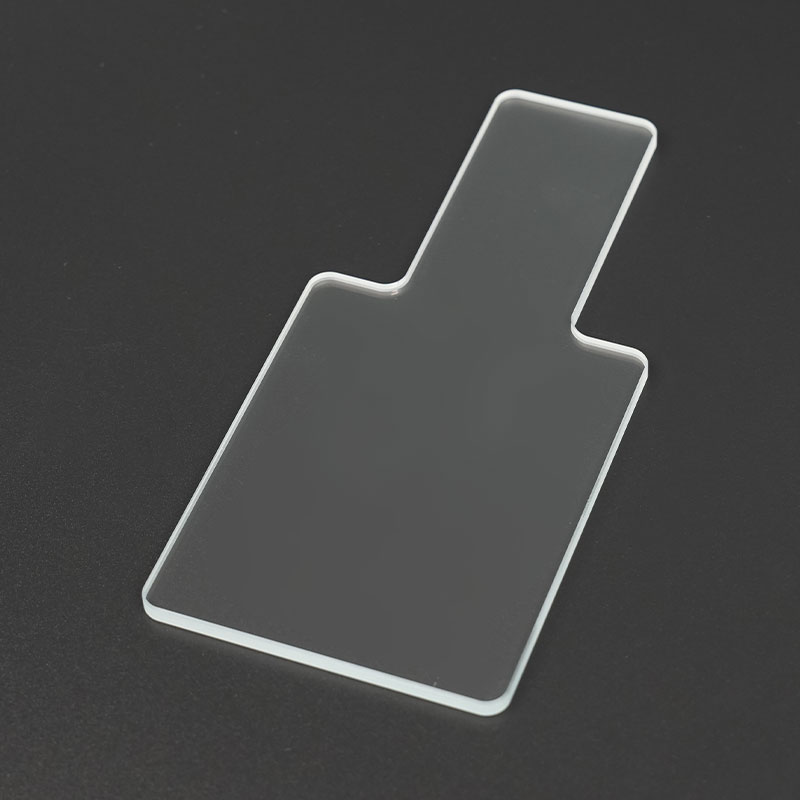
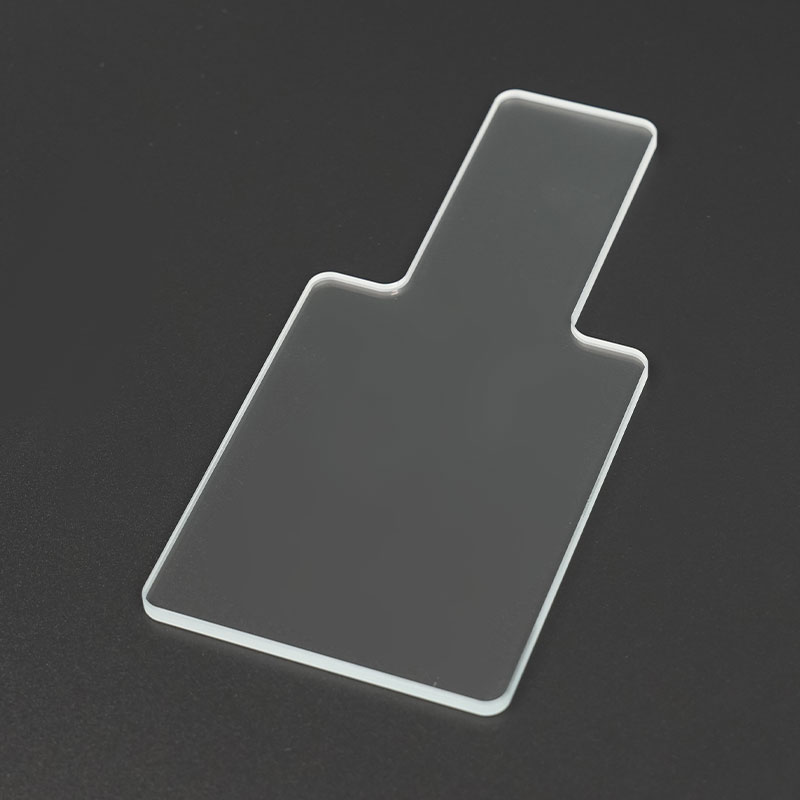
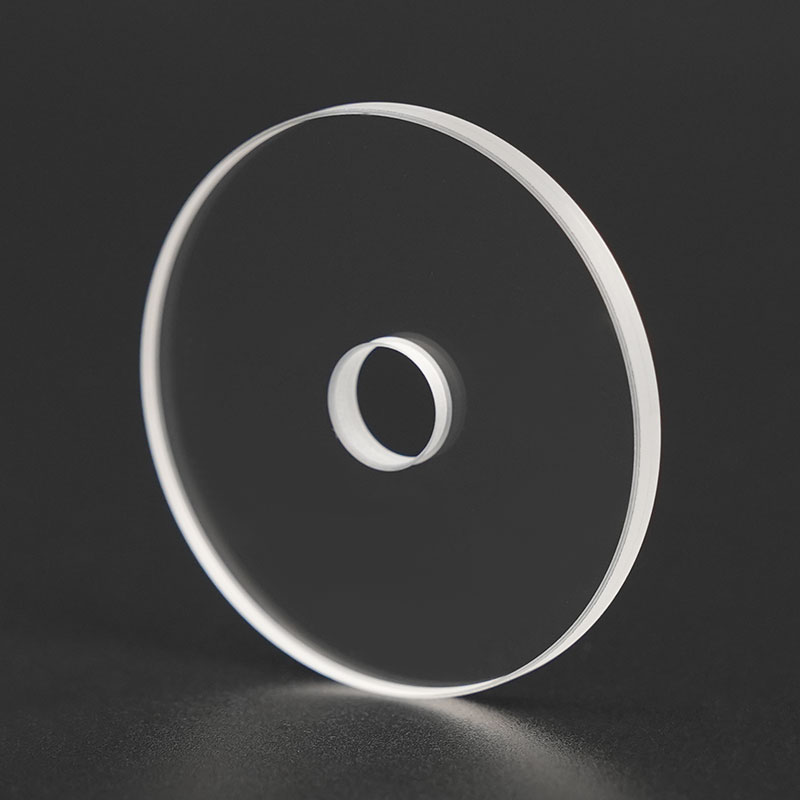
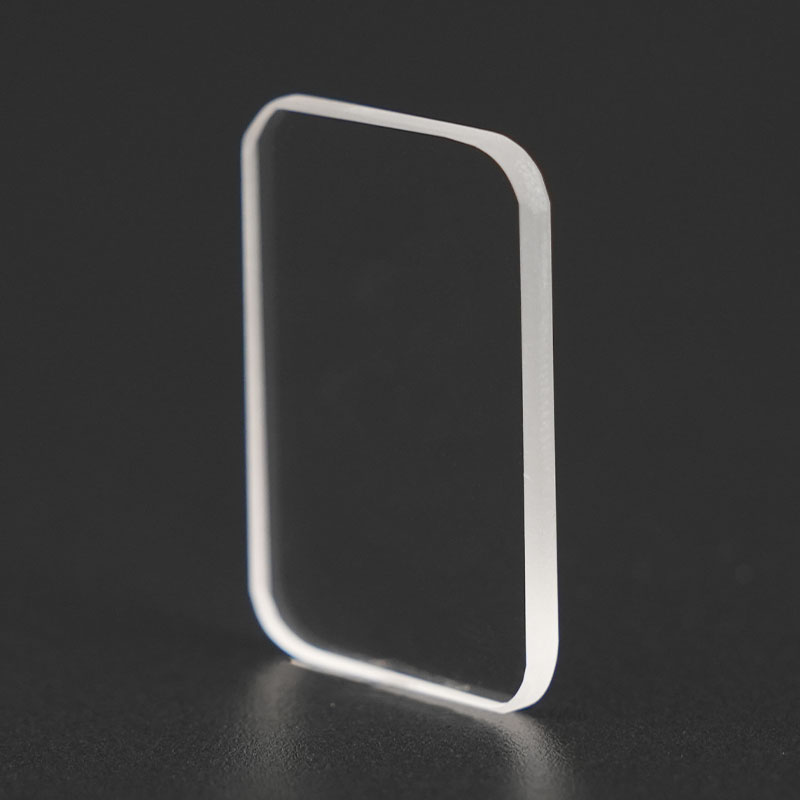
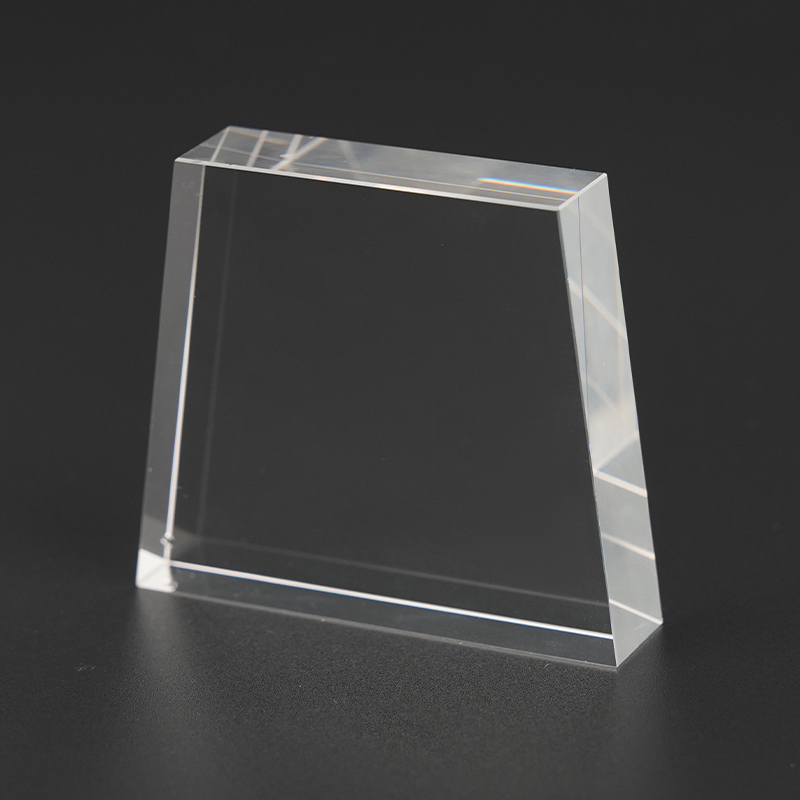
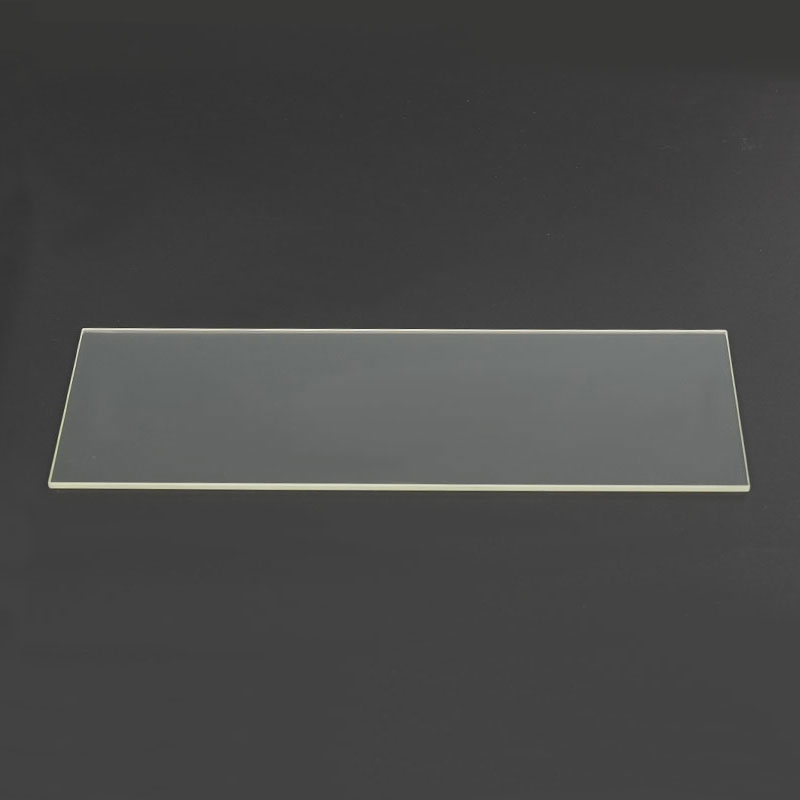
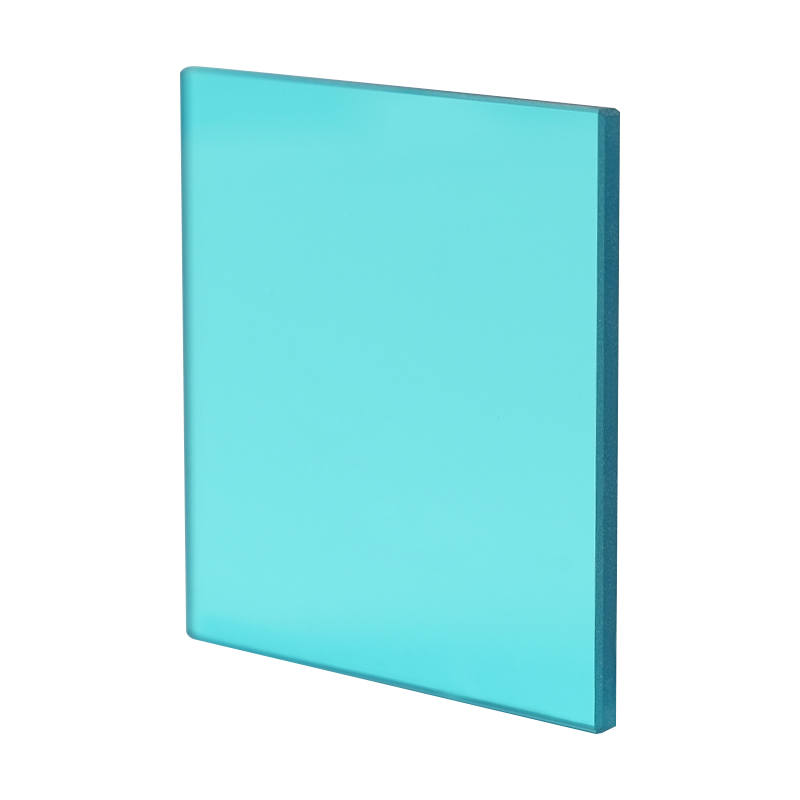
Optical glass is widely used in various high-precision optical instruments, such as microscopes, telescopes, camera lenses, and eyeglass lenses. As a material with special optical properties, optical glass not only requires excellent transparency, low chromatic aberration, and high refractive index, but also must be able to adapt to different optical application needs.
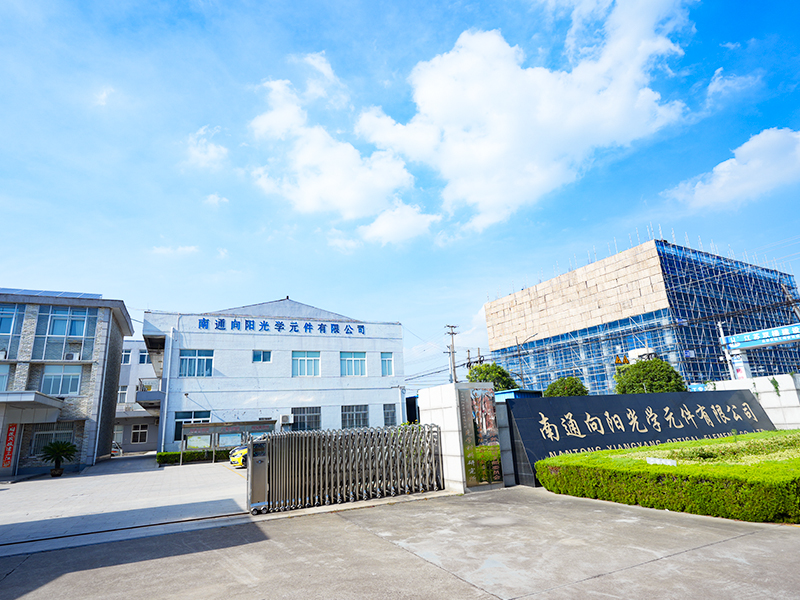
Nantong Xiangyang Optical Components Co., Ltd. is a medium-sized enterprise specializing in the production and processing of colored optical glass, colorless optical glass, and flat glass screen printing and tempering. We focus on the production and processing of colored and colorless optical glass filters and related products, offering over one hundred types of colored optical glass products covering ultraviolet, visible, near-infrared, and infrared wavelengths. We can undertake processing orders for various brands and specifications of colored filters and related products according to customer needs, guaranteeing product quality.
1. What is Optical Glass?
Optical glass refers to glass materials that have undergone special processing to possess certain optical properties. Unlike ordinary glass, optical glass typically possesses higher transparency, lower dispersion, and a uniform refractive index, effectively transmitting light, reducing distortion and chromatic aberration, and ensuring the imaging quality of optical systems. The manufacturing process of optical glass is complex, requiring adjustments to its composition and physical properties according to different applications and requirements.
Depending on its application, optical glass can be categorized into different types, including but not limited to:
Planar optical glass, used for windows, displays, and other transparent materials.
Lens glass, used to manufacture lenses for various optical instruments.
Prism glass, commonly used for light path control in equipment such as microscopes and telescopes.
2. Advantages and features of the product
| Product Type |
Advantages |
| Optical Glass |
1. High light transmittance, minimizing light loss |
| 2. Low color distortion, ensuring clear imaging |
| 3. High refractive index, improving optical performance |
| 4. Versatile, suitable for microscopes, camera lenses, and various other fields |
Optical glass offers several advantages, making it widely used in precision optics. The main advantages of optical glass are as follows:
High Light Transmittance: Optical glass typically has a light transmittance exceeding 90%, allowing it to transmit as much light as possible while minimizing light loss, ensuring brightness and clarity in the image.
Low Chromatic Aberration: High-quality optical glass effectively reduces chromatic aberration, resulting in more accurate imaging, especially important in high-magnification microscopes or high-end photographic lenses.
High Refractive Index: The high refractive index of optical glass allows for better light focusing, thus improving image quality.
High Adaptability: Optical glass is suitable not only for various optical instruments but can also be customized to meet specific application requirements.
3. Product Maintenance and Care
Optical glass is a precision material, and proper maintenance helps extend its lifespan and ensure its optical performance. Here are some common maintenance methods:
Cleaning Optical Glass: Dust and stains easily accumulate on the surface of optical glass. It is recommended to gently wipe it regularly with a dedicated optical cleaning cloth. Avoid using rough cloths or paper towels to prevent scratching the glass surface. For stubborn stains, use a cleaning solution suitable for optical glass.
Avoid violent impacts: Optical glass is relatively brittle and should be protected from collisions with hard objects. When placing optical glass, ensure its stability to prevent drops or impacts.
Prevent UV exposure: Prolonged exposure to strong sunlight may cause changes in the physical properties of the glass. Therefore, it is recommended to store optical glass in a cool place, especially for those with surface coatings.
Storage conditions: Optical glass should be stored in a dry environment with a moderate temperature. Avoid high temperatures and humidity to prevent the glass from becoming damp or deforming.
4. Frequently Asked Questions
Q1: What is the difference between optical glass and ordinary glass?
A1: The biggest difference between optical glass and ordinary glass lies in their optical properties. Optical glass has excellent optical properties such as high light transmittance, low dispersion, and uniform refractive index, which can effectively conduct light and reduce distortion, making it suitable for precision optical instruments. Ordinary glass, on the other hand, is mainly used in everyday building or decorative materials and does not possess these special optical properties.
Q2: How to judge the quality of optical glass? A2: High-quality optical glass should have uniform transparency, be free of bubbles or impurities, and its refractive index and dispersion parameters should meet specifications. Its transmittance, color difference, and other properties can be measured using professional optical testing instruments to determine its quality.
Q3: Is optical glass easily damaged?
A3: Optical glass is relatively fragile and easily breaks under severe impact or pressure. Therefore, it needs to be handled with care during use and storage to avoid strong physical shocks.
Q4: Why is optical glass sensitive to ultraviolet (UV) radiation?
A4: UV radiation can affect the surface and performance of optical glass, especially coated optical glass. Prolonged exposure to UV radiation may cause aging of the glass or damage to the coating; therefore, prolonged exposure to strong sunlight should be avoided.



 English
 Español