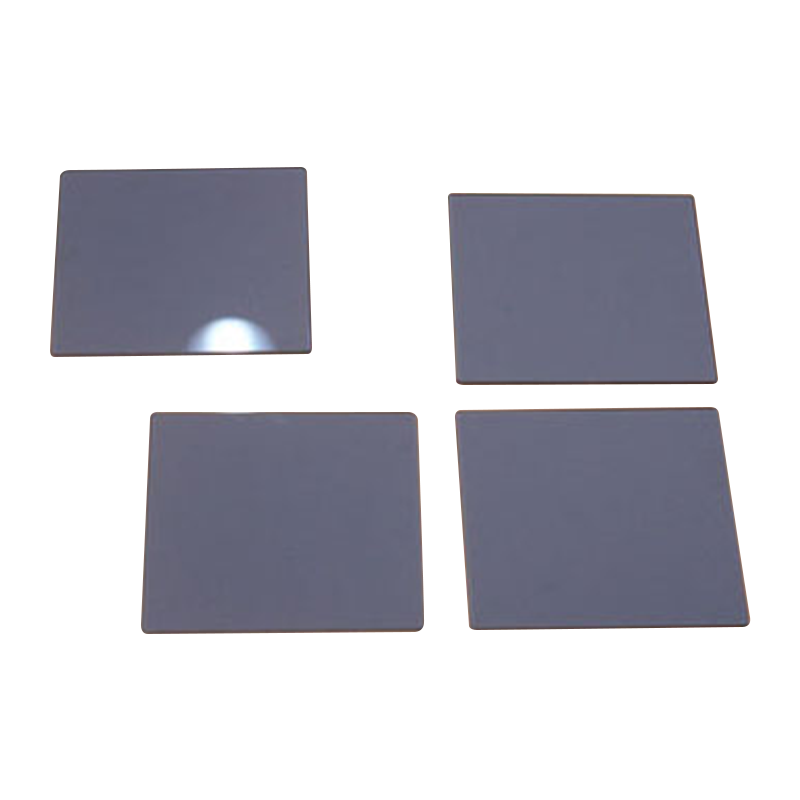
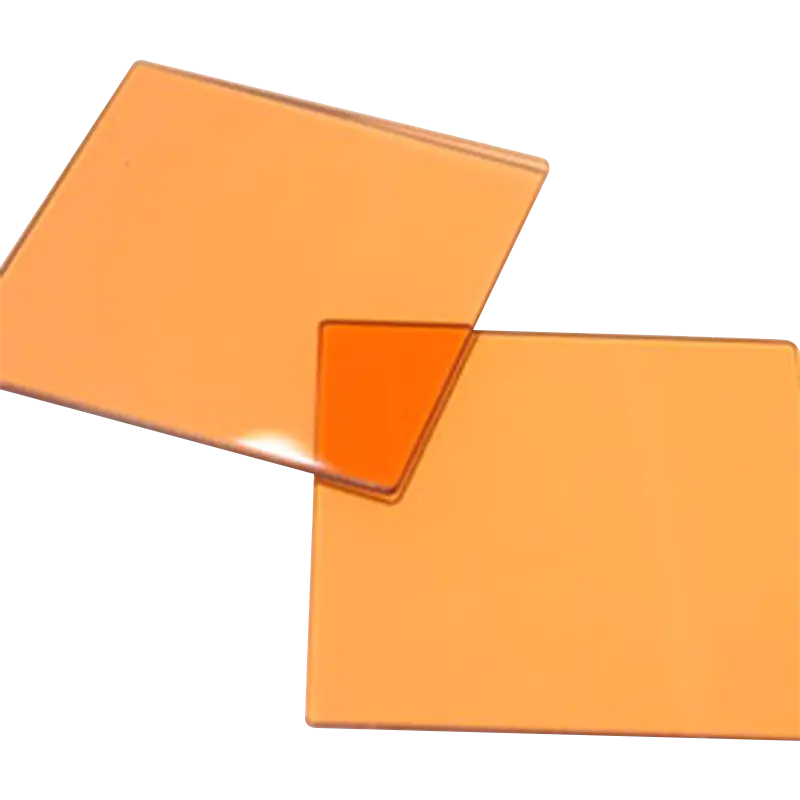
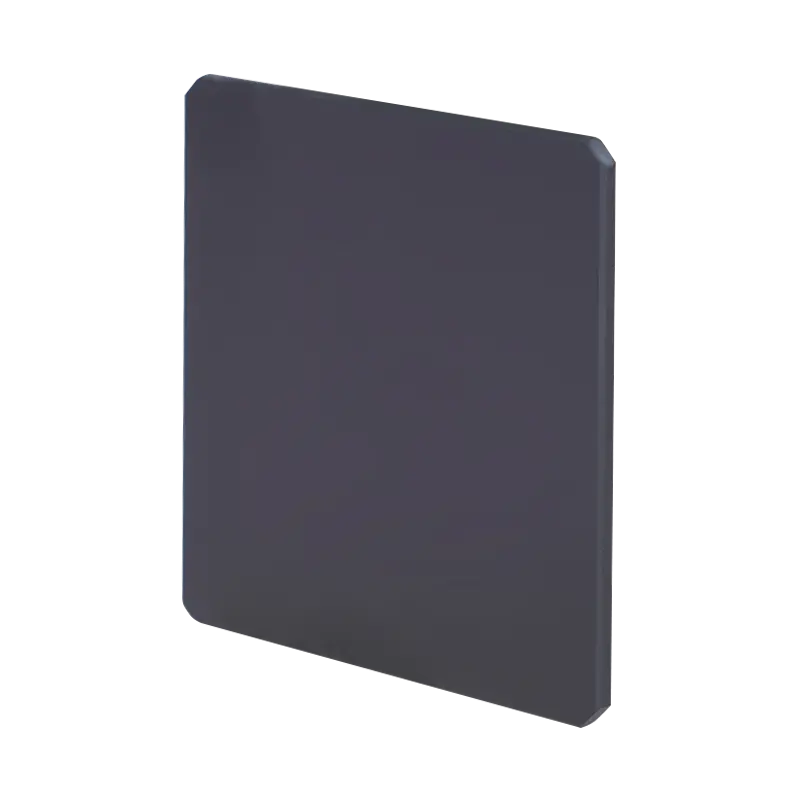
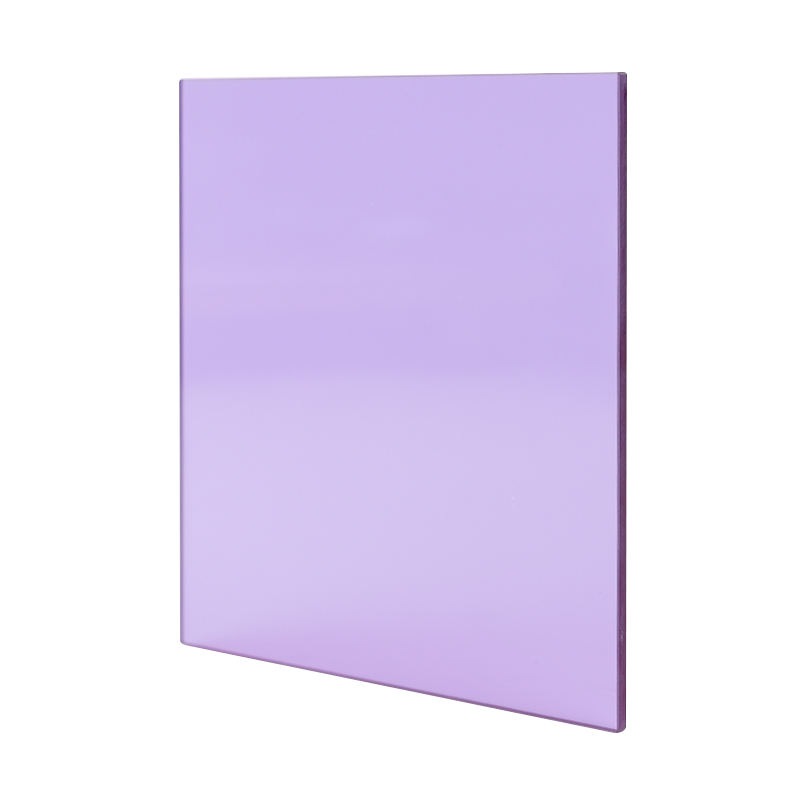
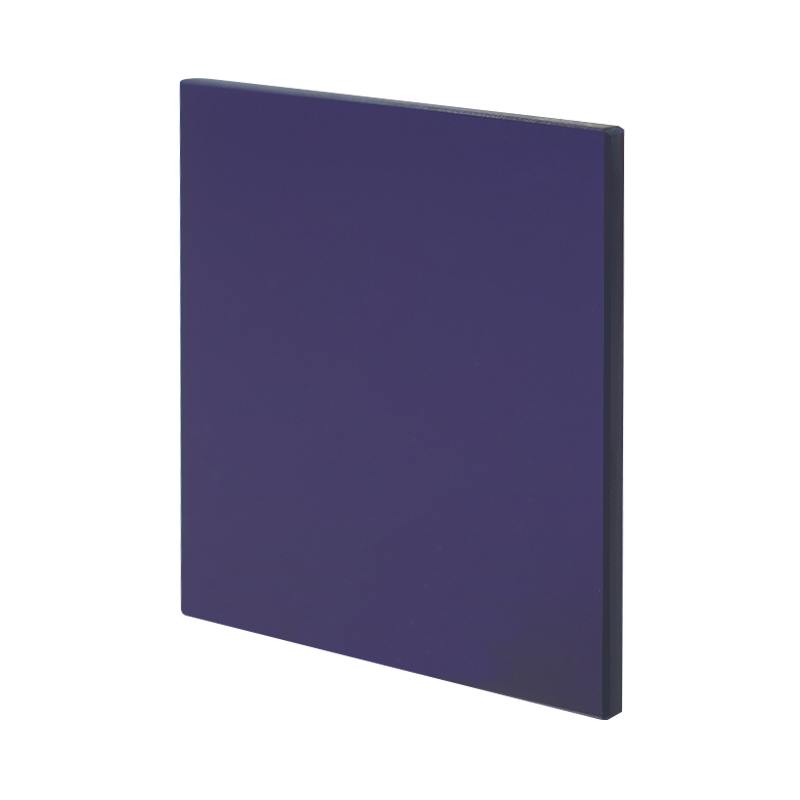
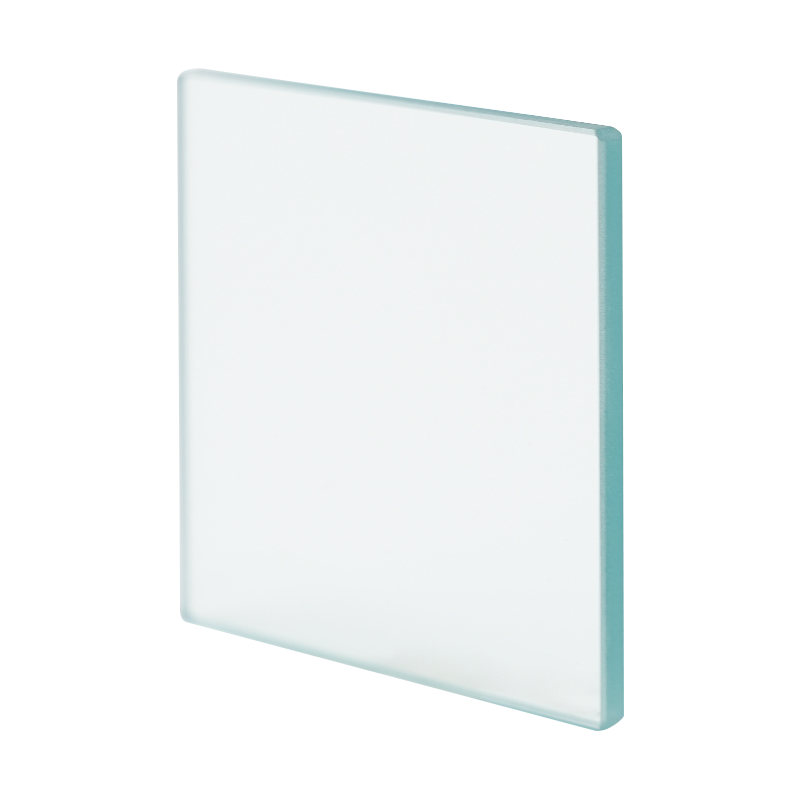
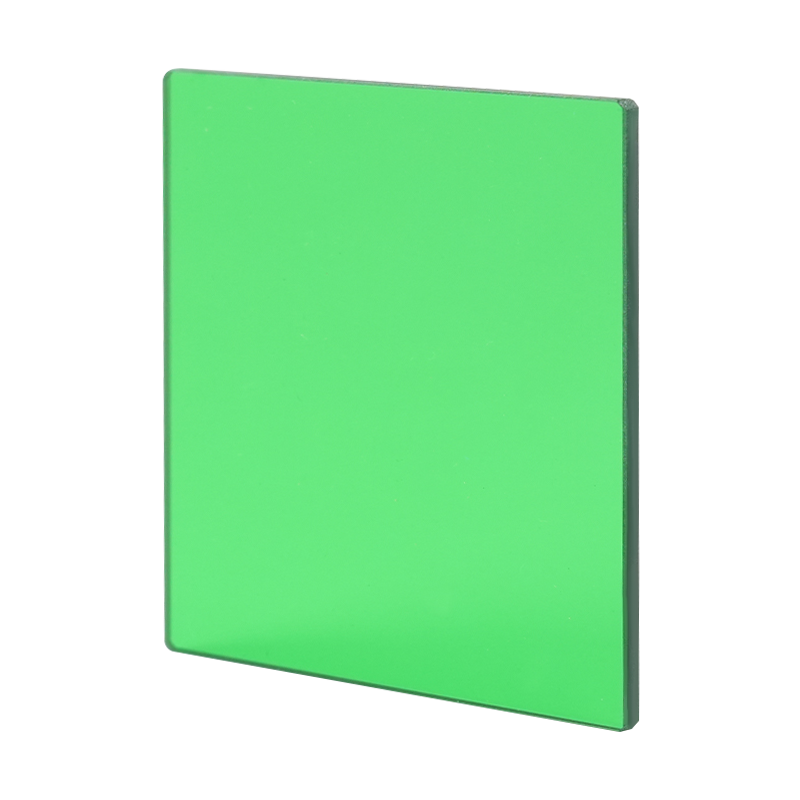
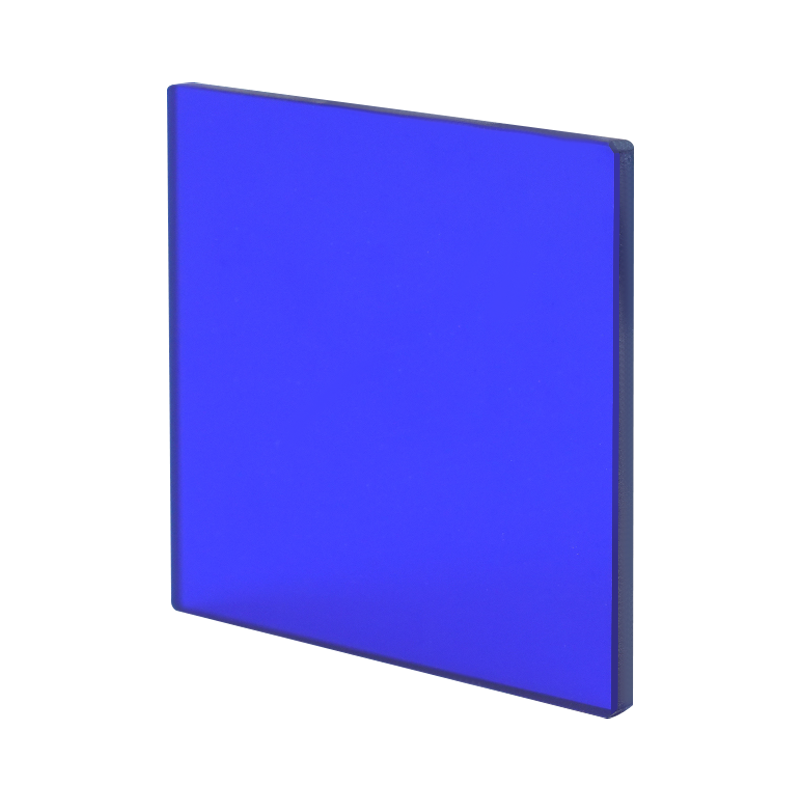
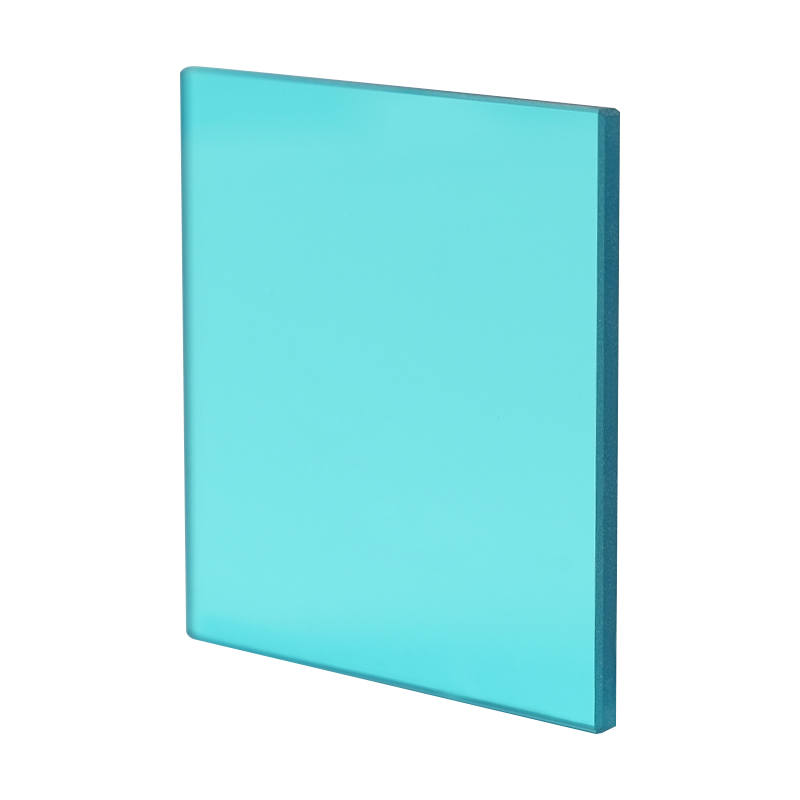
Selective absorption glass filters are special optical elements that selectively control the spectral characteristics of transmitted light by absorbing specific wavelengths of light. These filters are widely used in scientific research, industrial manufacturing, optical instruments, and medical diagnostics, effectively filtering out unwanted light and optimizing the performance of optical systems.
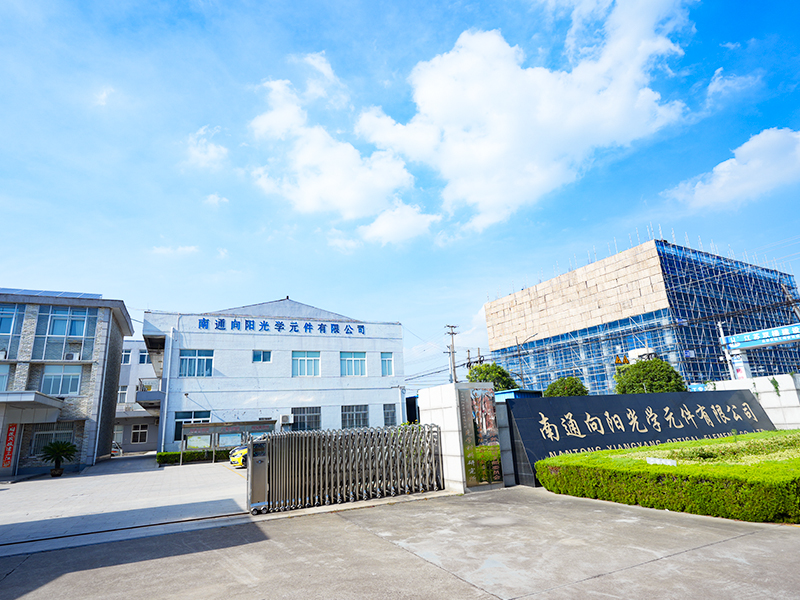
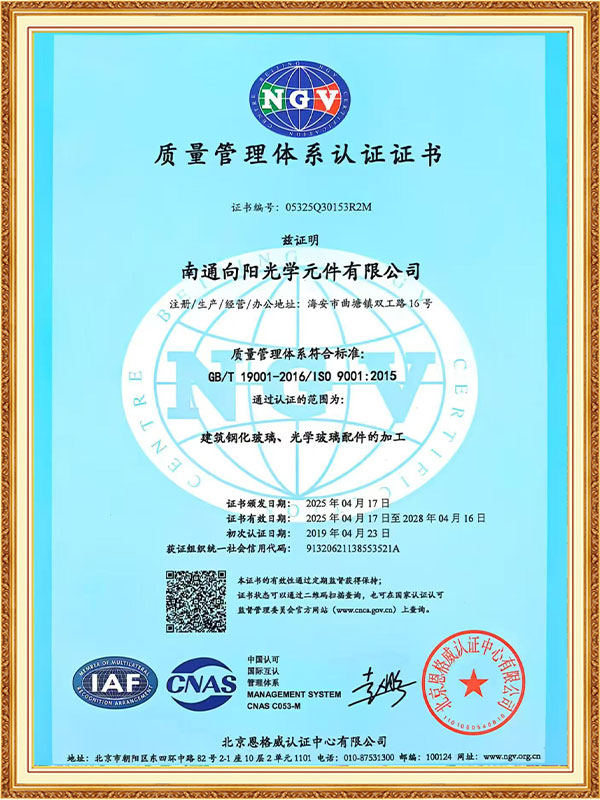
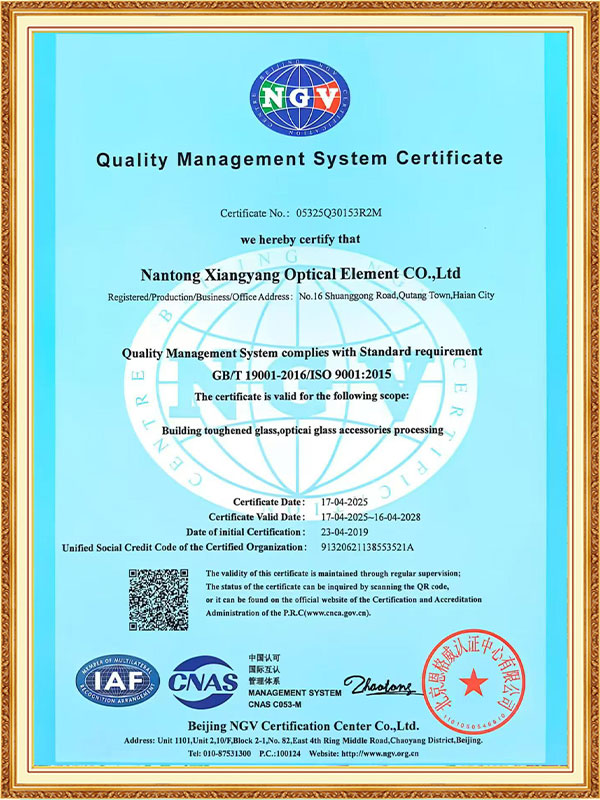
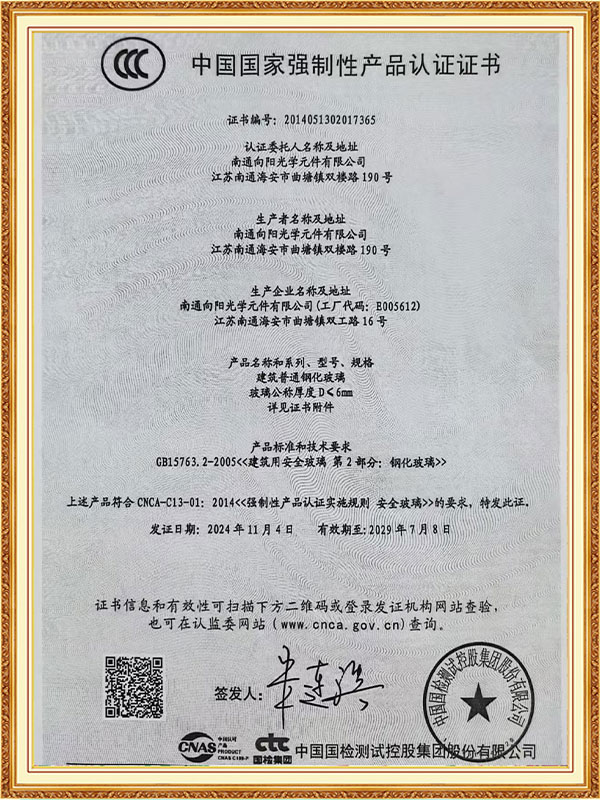
Nantong Xiangyang Optical Components Co., Ltd. is a medium-sized enterprise specializing in the production and processing of colored optical glass, colorless optical glass, and flat glass screen printing and tempering. We focus on the production and processing of colored and colorless optical glass filters and related products. We can undertake processing orders for various brands and specifications of colored filters and related products according to customer needs, and guarantee product quality.
1. What is a Selective Absorption Glass Filter?
A selective absorption glass filter is a glass material with specific optical properties. It can absorb light within a specific wavelength range, thereby selectively removing unwanted portions of the spectrum. This type of filter utilizes variations in the material composition and thickness of the glass to allow only specific wavelengths of light to pass through, while other wavelengths are absorbed or reflected. In this way, selective absorption glass filters enable precise control of the spectrum, making them indispensable optical components in many optical applications.
Selective absorption glass filters can be designed to absorb different wavelength ranges of light to meet various application requirements. For example, they can be used to remove ultraviolet, infrared, or specific visible light bands, thereby improving the quality and performance of optical systems.
2. Product Advantages and Features
| roduct Type |
Advantages |
| Selective Absorption Glass Filter |
1. High-precision wavelength control, selectively absorbs specific light bands |
| 2. Enhances optical system performance, reduces interference light |
| 3. Adapts to various optical application needs, customizable wavelength range |
| 4. Strong stability and high durability, suitable for long-term use |
Advantages of Selective Absorption Glass Filters
High-Precision Wavelength Control: Selective absorption glass filters possess extremely high wavelength selectivity, enabling precise control over the wavelength range of transmitted light. This ensures that only the desired light passes through, filtering out unwanted wavelengths. This characteristic makes them particularly important in high-precision optical applications.
Improved Optical System Performance: By absorbing unwanted light, selective absorption glass filters reduce stray light interference, optimize the imaging quality of optical systems, and improve image sharpness and contrast.
Adaptable to Diverse Application Needs: Selective absorption glass filters can be customized to absorb wavelength ranges to meet different requirements, making them widely used in spectral analysis, laser systems, microscopes, and other fields.
High Stability and Durability: These filters are made of high-quality glass materials with excellent heat resistance and chemical corrosion resistance, maintaining stable optical performance over long-term use.
3. Applications and Storage
Applications: Selective absorption glass filters have important applications in many optical systems, especially where precise spectral control is required. Common applications include:
Spectroscopic Analysis: Selective absorption glass filters are used in instruments such as spectrophotometers and spectral analyzers to selectively absorb certain wavelengths of light, ensuring the accuracy of measurement results.
Laser Systems: In laser systems, selective absorption filters remove unwanted wavelengths of light from the laser source, ensuring the monochromaticity and high quality of the laser output.
Microscopy Applications: Selective absorption filters used in microscopes remove stray light, improving image contrast and sharpness, and are suitable for biological microscopes and other high-precision optical instruments.
Photography and Lighting: In photography and lighting, selective absorption glass filters are used to adjust the color temperature of light, control the spectral composition transmitted through the lens, and improve image quality.
Storage: Selective absorption glass filters need to be stored under appropriate environmental conditions to ensure their optical performance is not affected. Here are some storage and maintenance recommendations:
Storage Environment: Selective absorption glass filters should be stored in a dry environment with a moderate temperature, avoiding moisture and excessively high temperatures to prevent deformation or breakage. The recommended temperature range is 15°C to 25°C.
Avoid Direct Sunlight: Prolonged exposure to ultraviolet light may degrade the filter's performance; therefore, avoid direct sunlight exposure.
Protective Measures: Filters should be stored in a dedicated optical box, avoiding contact with other hard objects to prevent scratches or damage.
4. Frequently Asked Questions
Q1: What wavelengths of light can selective absorption glass filters absorb?
A1: Selective absorption glass filters can absorb different wavelengths of light according to design requirements. Common applications include absorbing ultraviolet (UV), infrared (IR), and specific visible light bands. The specific absorption range can be customized according to application needs.
Q2: How to choose a suitable selective absorption glass filter?
A2: Choosing a suitable filter depends on the spectral characteristics of the light source and the specific application requirements. Users need to consider the wavelength range of light to be filtered, the wavelength range of transmitted light, and the requirements of the optical system. When selecting, refer to the filter's technical specifications to choose the most suitable product.
Q3: Will selective absorption glass filters affect light intensity?
A3: Selective absorption glass filters absorb a portion of the spectrum according to their design, which may result in a slight reduction in the intensity of transmitted light. However, this loss is usually acceptable, and in most applications, the impact of light intensity loss on performance is minimal.
Q4: Are selective absorption glass filters easily damaged?
A4: Selective absorption glass filters use durable optical glass materials with good heat resistance and chemical corrosion resistance, but they still need to be protected from severe impacts and scratches. Handle with care during storage, avoid contact with hard objects, and keep their surface clean and intact.



 English
 Español