1. What are colored optical glass, colorless optical glass, and the production of screen printing and tempering for flat glass?
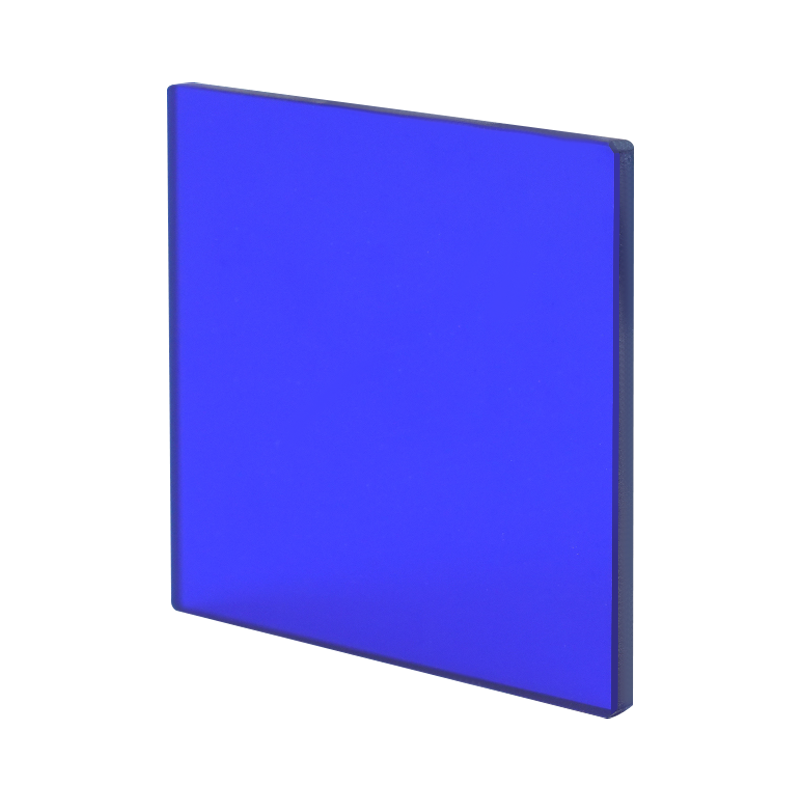
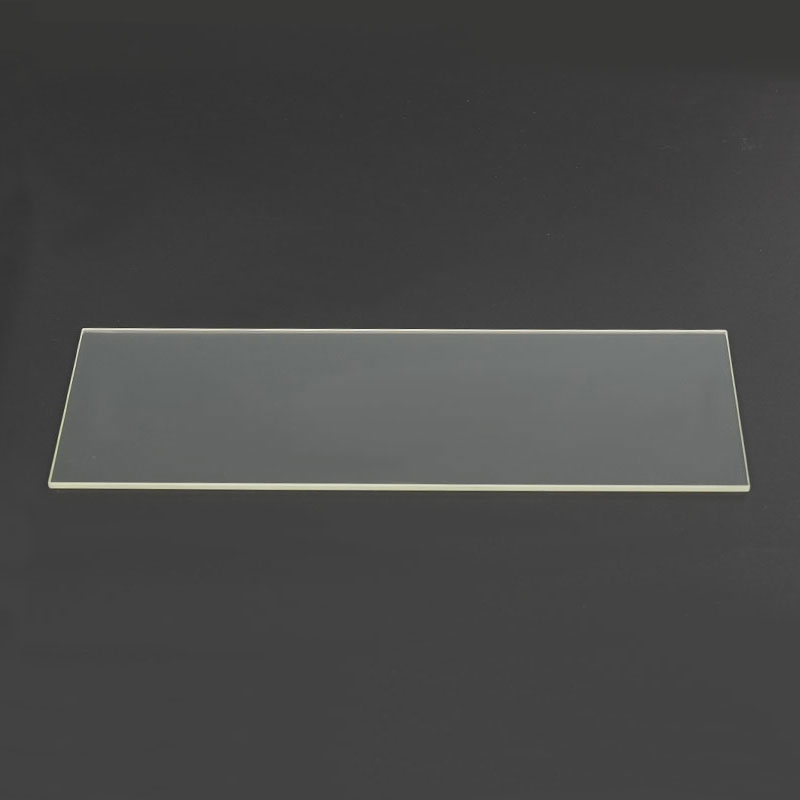
Colored optical glass is a type of optical glass that has different colors by adding specific metal oxides or other chemical substances. It is widely used in microscopes, telescopes, and optical instruments, allowing for the adjustment of reflectance and transmittance across different spectra, thus improving the performance of optical equipment.
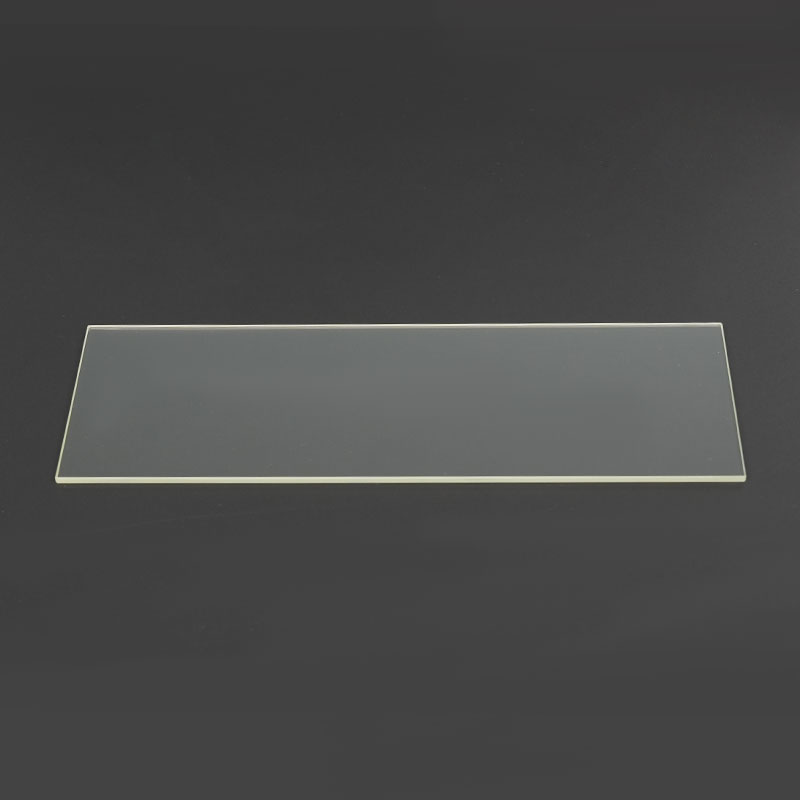
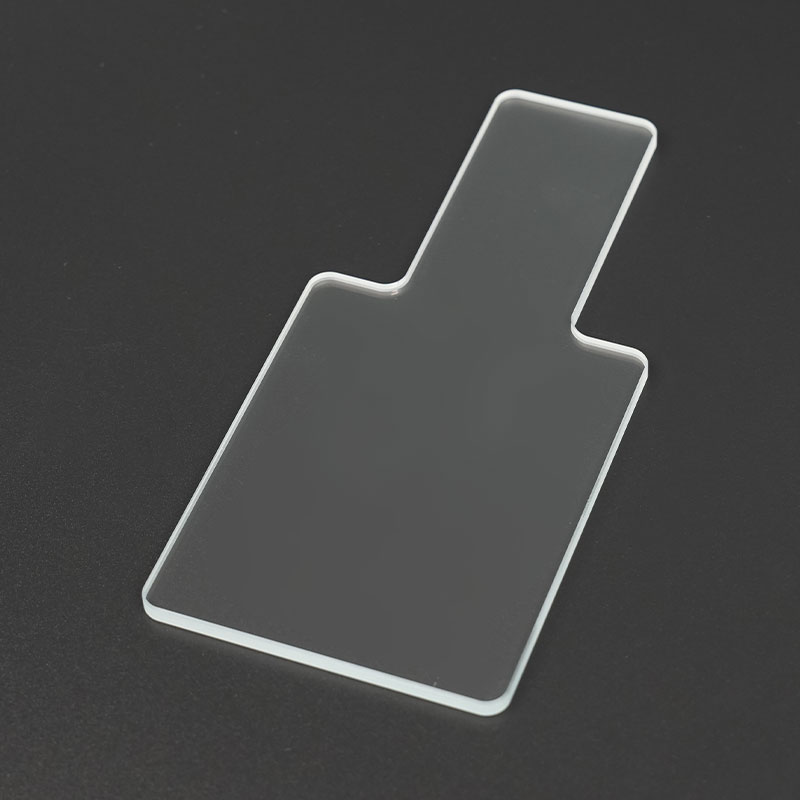
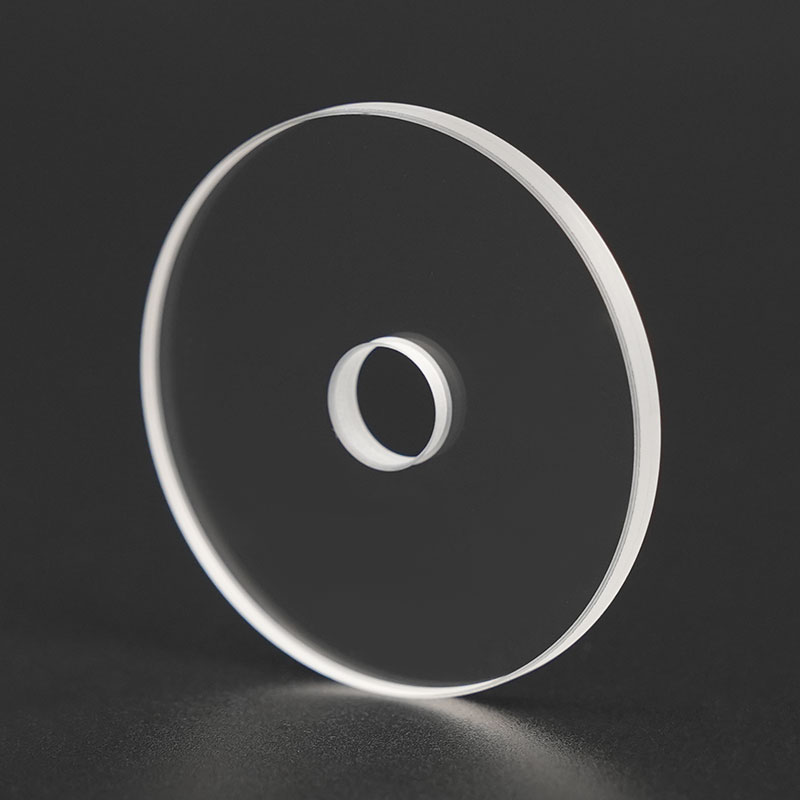
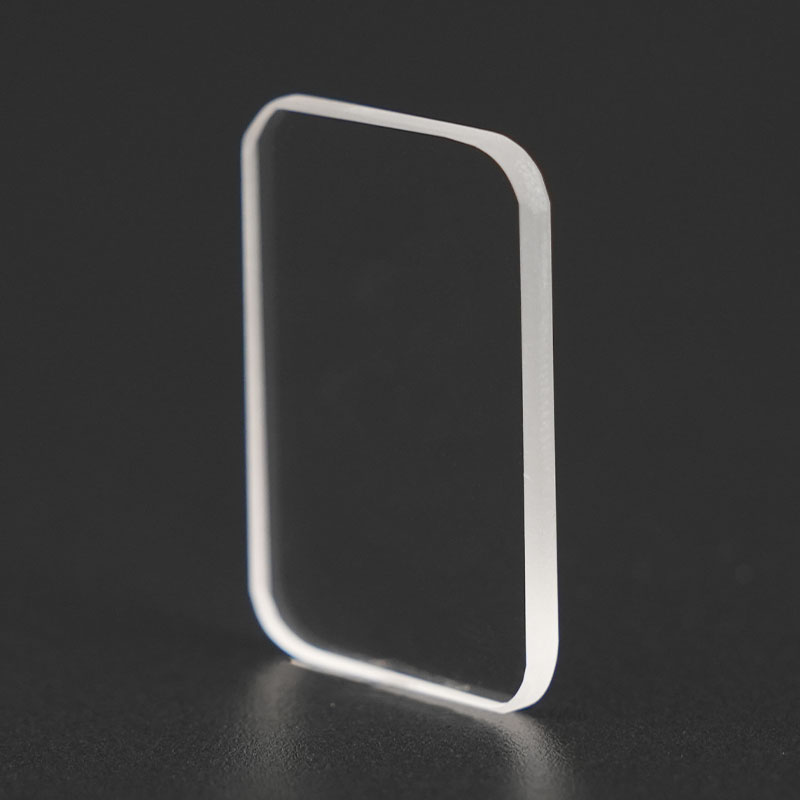
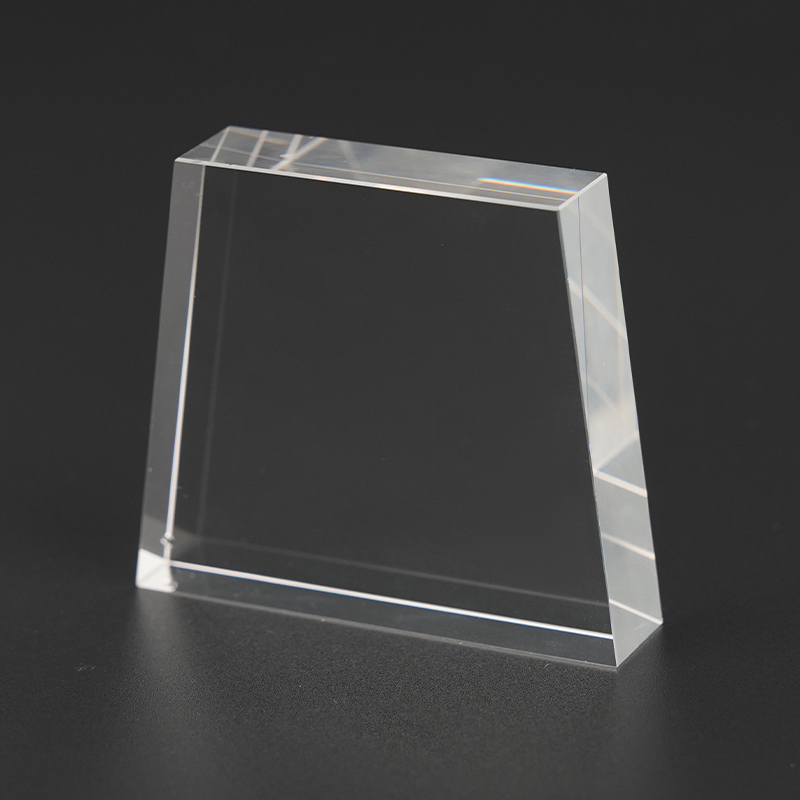
Colorless optical glass is a transparent, high-quality optical glass commonly used in lenses, eyeglasses, and telescopes. It is characterized by high light transmittance and optical uniformity, effectively transmitting light and maintaining clear images.
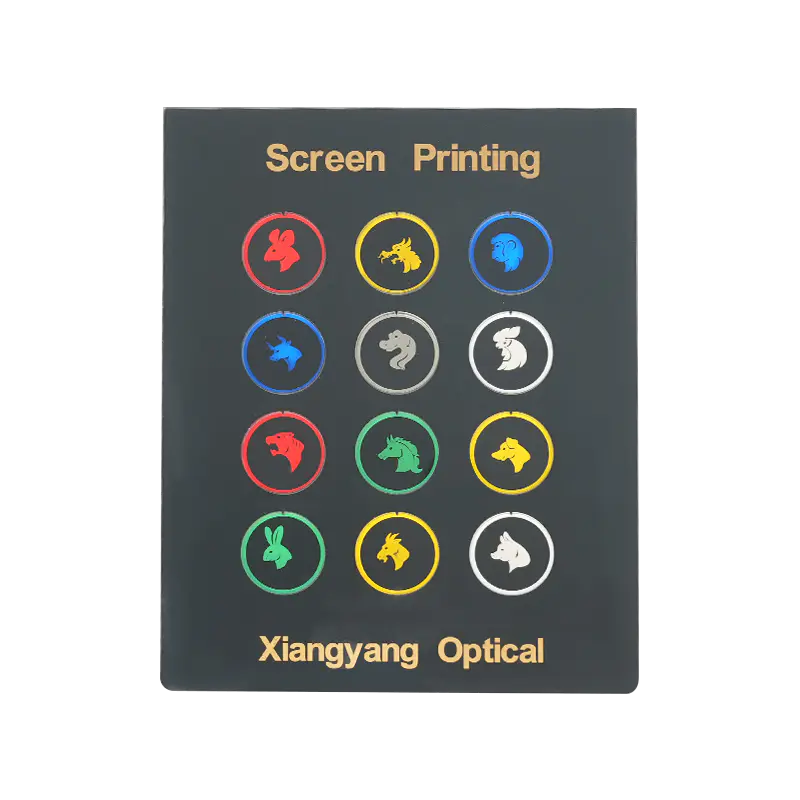
Screen printing on flat glass is a process that transfers patterns or text onto the surface of flat glass using screen printing technology. This technology is mainly used in architectural decoration, furniture, and advertising signage, providing not only aesthetic decorative effects but also enhancing the functionality of the glass.
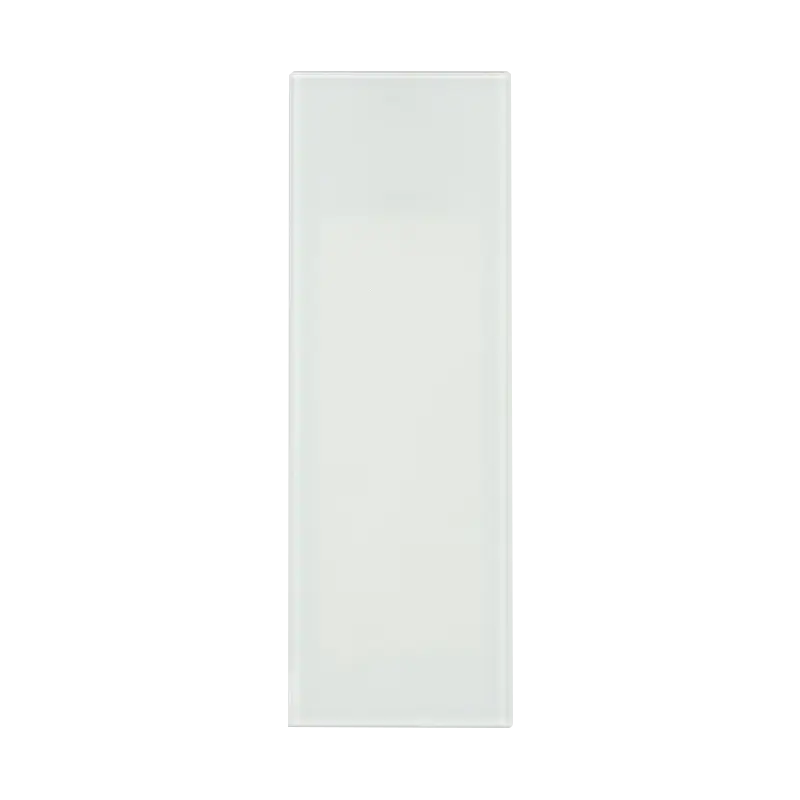
Tempered glass production is a technology that increases the strength and impact resistance of ordinary glass by heating it to a certain temperature and then rapidly cooling it. Tempered glass is commonly used in automotive and architectural glass due to its high strength and ability to shatter into smaller pieces, reducing safety hazards.
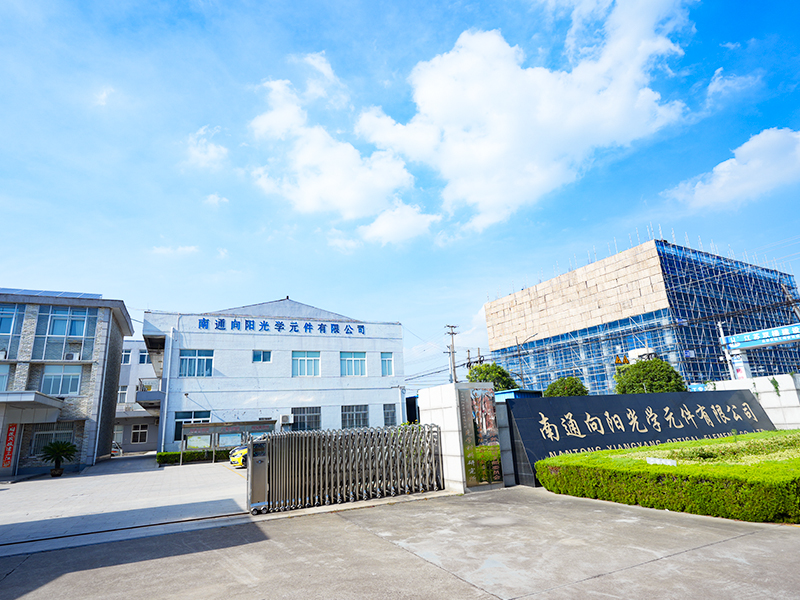
Nantong Xiangyang Optical Element Co.,Ltd. was founded in 1996. It is a high-tech enterprise in Jiangsu Province, covering an area of 10,000 square meters. It is a medium-sized enterprise specializing in the production and processing of colored optical glass, colorless optical glass, and flat glass screen printing and tempering. The company has successively won various awards and honors. The quality of its products complies with the IS9001-2000 product quality standards and the 3C quality system certification.
2. Advantages and features of the product
| Product Type |
Advantages |
| Colored Optical Glass |
1. High color reproduction, suitable for optical instruments |
| 2. Customizable in various colors |
| 3. Excellent optical performance |
| Colorless Optical Glass |
1. High light transmittance, clear and transparent |
| 2. Superior optical uniformity |
| 3. Wide application and strong compatibility |
| Flat Glass Screen Printing |
1. Can print complex patterns and text |
| 2. Enhances aesthetic and decorative effects |
| 3. Can add functionality to glass (e.g., anti-slip, UV protection) |
| Tempered Glass |
1. High strength, strong impact resistance |
| 2. Breaks into small, non-sharp pieces for higher safety |
| 3. Suitable for high-temperature environments |
3. Product Maintenance and Care
Different types of glass products require proper maintenance during use to extend their lifespan and maintain good performance.
Colored and Colorless Optical Glass: Avoid contact with hard objects to prevent scratches and breakage. Wipe the surface regularly with a soft, lint-free cloth; avoid using corrosive cleaning agents.
Screen Printed Flat Glass: The surface of screen-printed glass needs regular cleaning. Avoid prolonged exposure to direct sunlight to prevent fading. Use a neutral detergent and wipe with a soft cloth for cleaning.
Tempered Glass: Although tempered glass is impact-resistant, it still needs to be protected from direct impacts from sharp objects. During installation, ensure the glass is securely fixed to prevent external forces from affecting it. Avoid excessive bending during use.
4. Frequently Asked Questions
Q1: Why does tempered glass shatter into small pieces after breaking?
A1: Tempered glass uses rapid cooling technology, resulting in higher internal stress. When it breaks, this stress is released, causing the glass to shatter into small pieces, reducing the risk of injury.
Q2: How to determine if optical glass is colorless?
A2: Colorless optical glass typically has high transparency and good optical uniformity. A light transmission test can determine the presence of impurities or bubbles, thus confirming whether it is high-quality colorless optical glass.
Q3: Are screen-printed patterns on flat glass prone to fading?
A3: High-quality screen-printed patterns undergo special processing and have good fading resistance. However, prolonged exposure to strong sunlight may still cause fading; therefore, it is recommended to avoid strong ultraviolet radiation.
Q4: Can the color of colored optical glass be adjusted as needed?
A4: The color of colored optical glass is usually achieved by adding different metal oxides. The color can be adjusted during the production process according to requirements. However, this requires professional customization based on the optical performance requirements.



 English
 Español