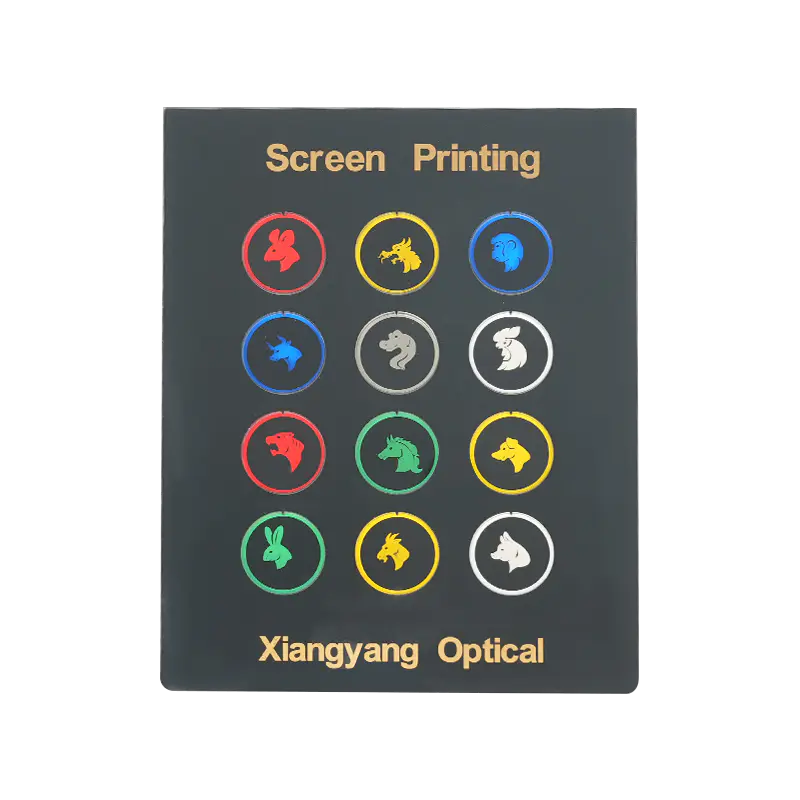
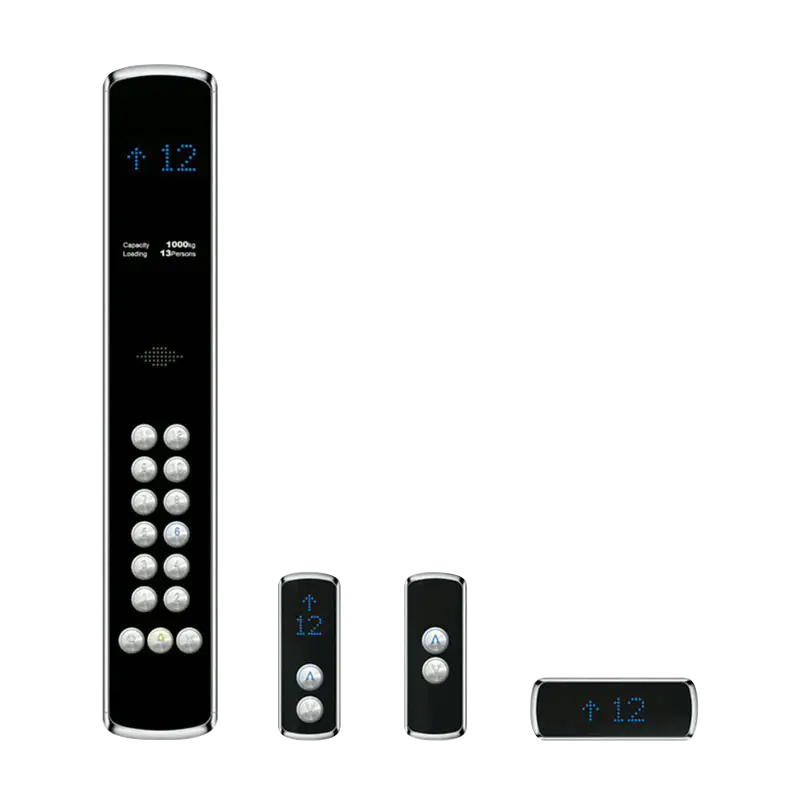
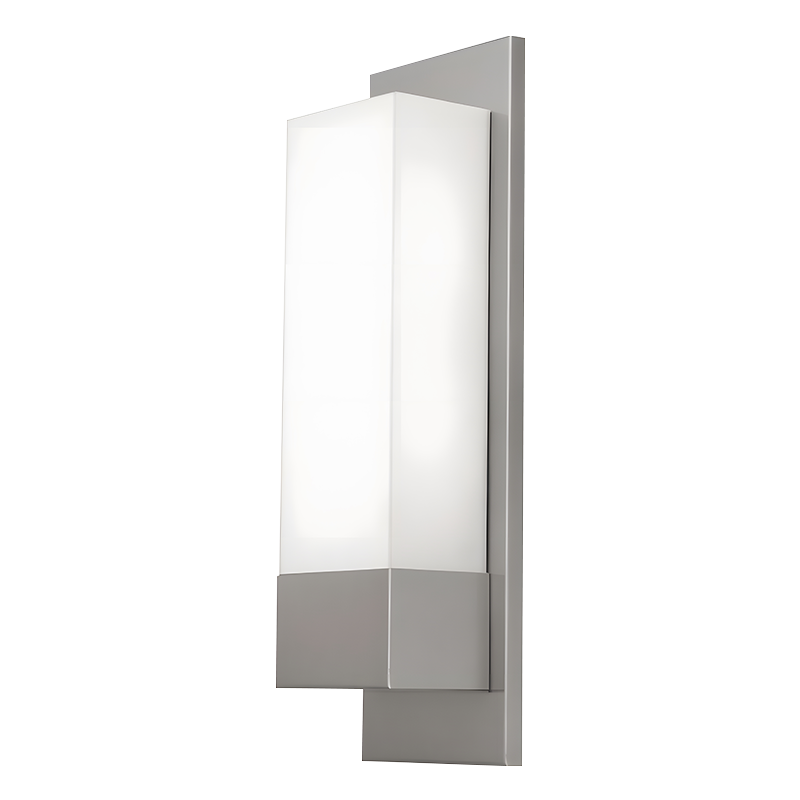
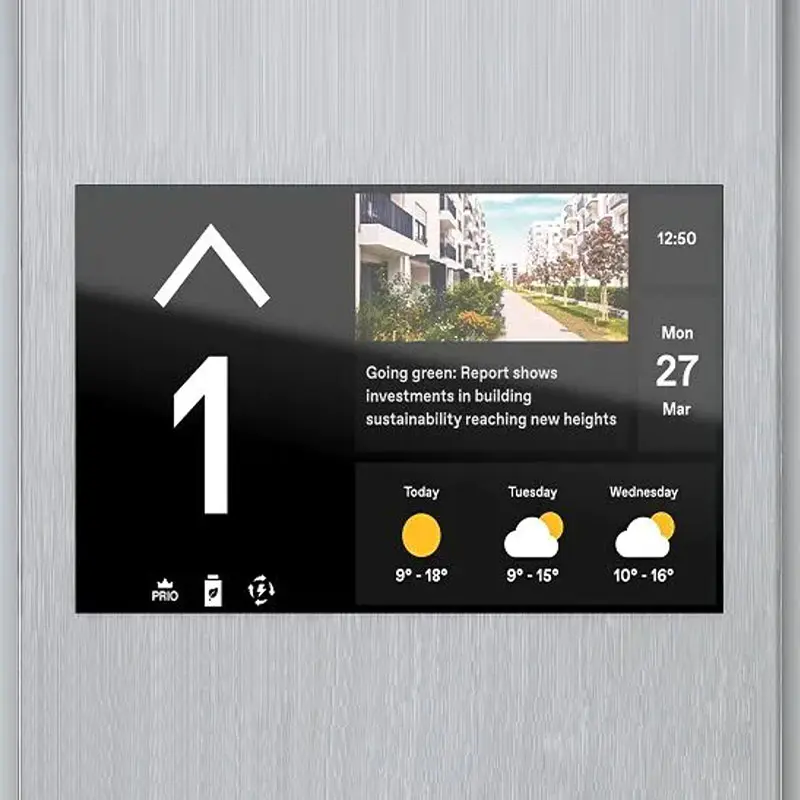
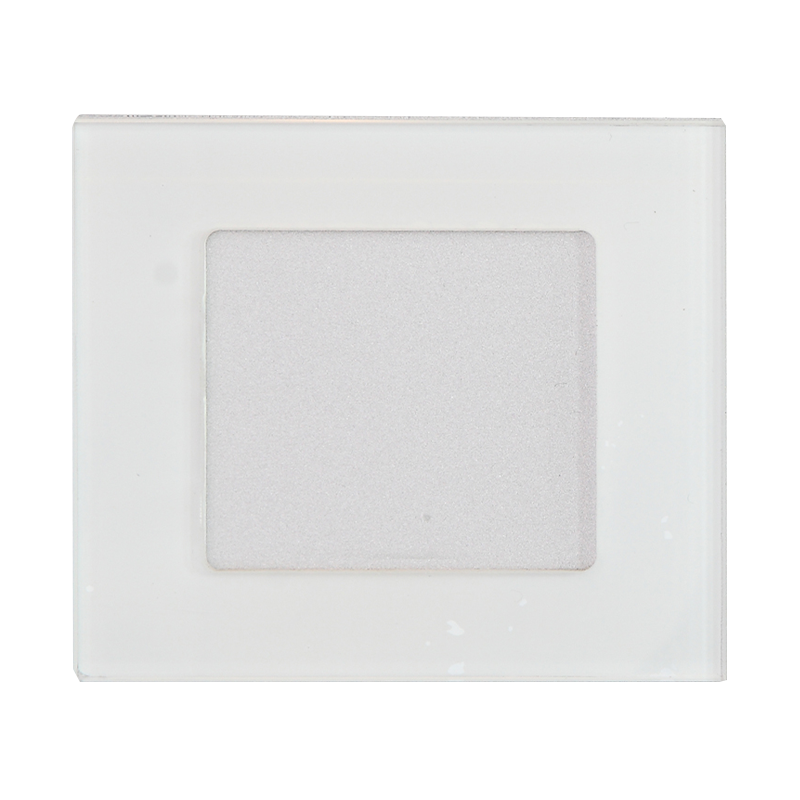
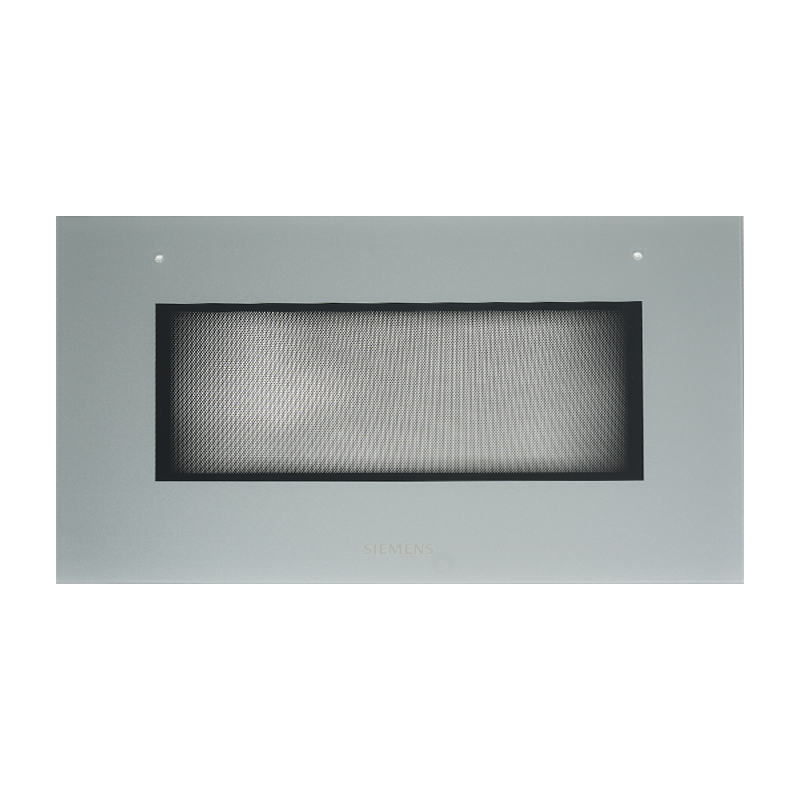
Tempered glass silk-screen printing technology combines the high strength of tempered glass with the unique decorative effects of silk-screen printing, and is widely used in industries such as construction, furniture, home appliances, and advertising. This technology allows for the printing of complex patterns, text, and various decorative elements onto the surface of tempered glass without compromising its strength and safety.
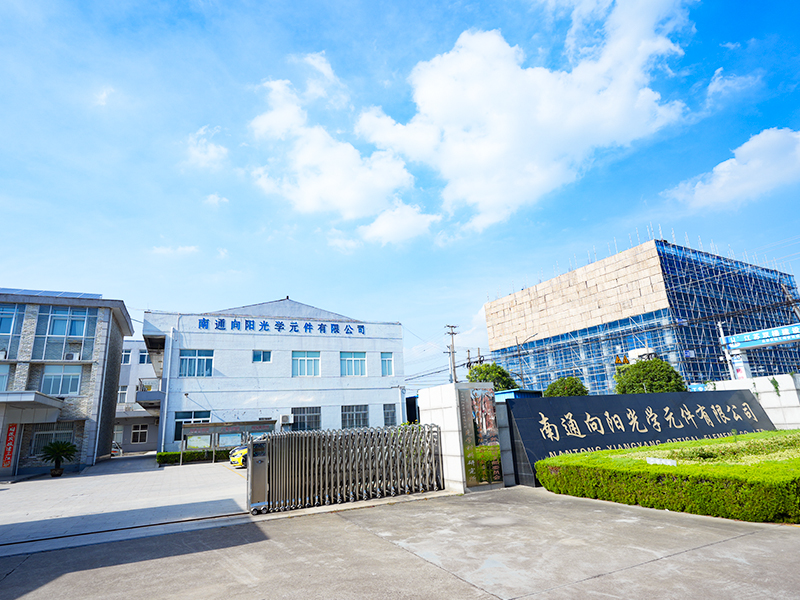
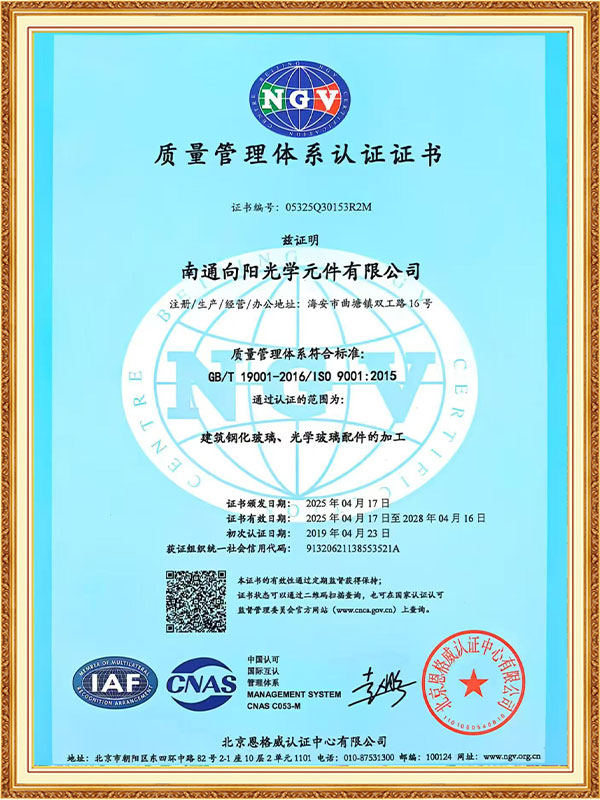
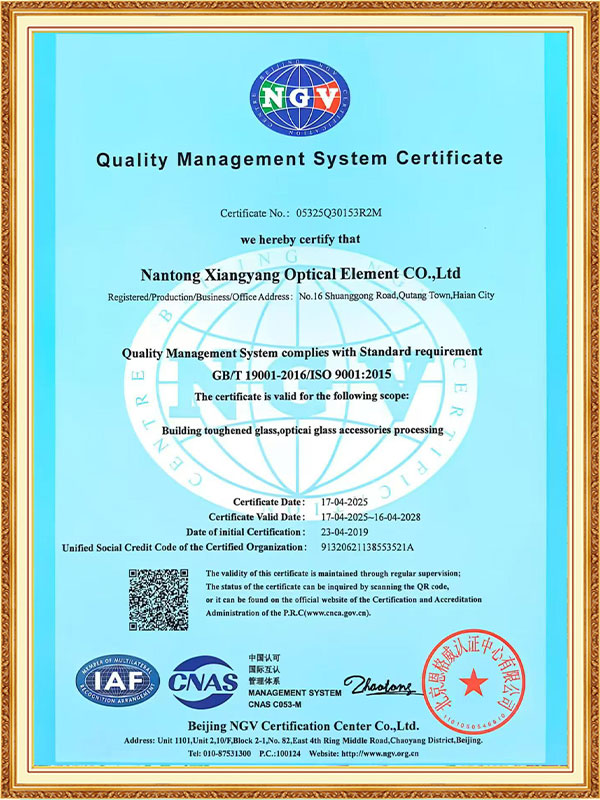
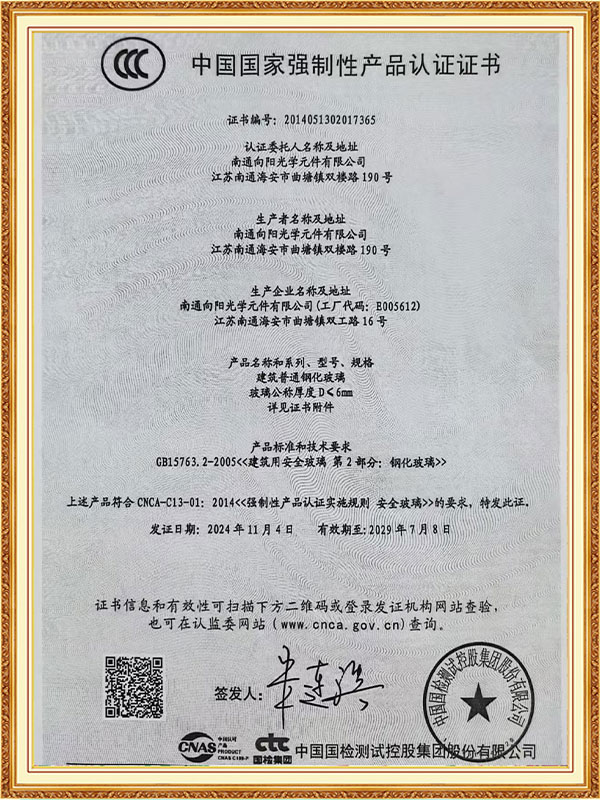
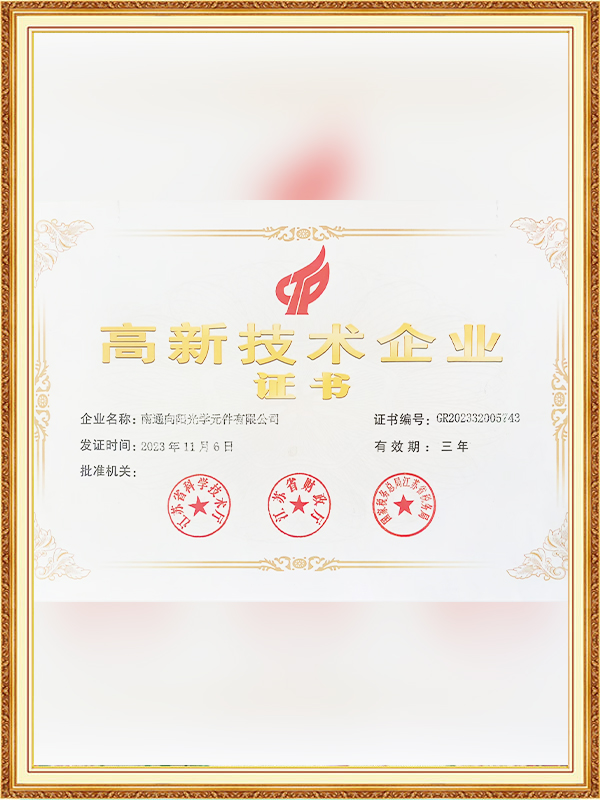
Nantong Xiangyang Optical Components Co., Ltd. is a medium-sized enterprise specializing in the production and processing of colored optical glass, colorless optical glass, and flat glass screen printing and tempering. We focus on the production and processing of colored and colorless optical glass filters and related products, offering over one hundred types of colored optical glass products covering ultraviolet, visible, near-infrared, and infrared wavelengths. We can undertake processing orders for various brands and specifications of colored filters and related products according to customer needs, guaranteeing product quality.
1. What is Tempered Glass Silk-screen Printing?
Tempered glass silk-screen printing is a technology that uses a silk-screen printing process to print special inks onto the surface of tempered glass. Tempered glass is heated to a high temperature and then rapidly cooled, resulting in high strength and impact resistance. Screen printing, on the other hand, uses a screen stencil to transfer ink onto the glass surface, creating patterns or text. This technology maintains the strength of tempered glass while adding decorative appeal, and is widely used in architectural curtain walls, bathroom fixtures, furniture, and electronic products, among other fields.
2. Product Advantages and Features
| Product Type |
Advantages |
| Tempered Glass Screen Printing |
1. Can print complex patterns and text |
| 2. Enhances aesthetic and decorative effects |
| 3. Does not affect the strength of tempered glass |
| 4. Improves the functionality of the glass (e.g., anti-slip, UV protection) |
Tempered Glass Silk-screen Printing offers several significant advantages:
Complex Printing Capabilities: Silk-screen printing can handle highly complex patterns, making it suitable for personalized customization. Whether it's advertising signage, artistic designs, or company logos, all can be achieved through silk-screen printing on tempered glass.
Enhanced Aesthetics and Decorative Effects: Through silk-screen printing, tempered glass not only retains its practical functions but also achieves an aesthetically pleasing decorative effect. This allows tempered glass to be widely used in various design-oriented buildings and homes.
Unaffected Strength: The printing process does not affect the strength of the tempered glass; it maintains its original high strength and impact resistance, ensuring safety in use.
Enhanced Glass Functionality: In addition to decorative functions, silk-screen printing can also enhance other functions of the glass, such as increasing anti-slip properties and improving UV resistance.
3. Product Maintenance and Care
Tempered glass silk-screen printed products require special care during use to maintain the printing effect and the performance of the glass. Here are some common maintenance and care methods:
Regular Cleaning: Wipe the tempered glass surface regularly with a soft, lint-free cloth. Avoid using abrasive materials to prevent scratching the printed pattern. For heavily soiled areas, use a neutral detergent.
Avoid Scratches from Sharp Objects: Minimize contact between sharp objects and the glass surface, especially the printed areas. If foreign objects accumulate on the surface, gently remove them.
Avoid Sun Exposure: Prolonged exposure to sunlight may cause the printed pattern to fade or deteriorate. Therefore, avoid prolonged use in direct sunlight.
Temperature Control: Although tempered glass has good high-temperature resistance, extreme temperature changes may affect the printed pattern. Avoid thermal expansion or sudden cooling of the glass.
4. Frequently Asked Questions
Q1: Are screen-printed patterns on tempered glass prone to fading?
A1: High-quality screen-printed patterns generally have good durability and fade resistance. Choosing appropriate inks and printing processes can ensure that the pattern remains fade-free under normal use conditions. However, prolonged exposure to strong ultraviolet light may cause some inks to fade.
Q2: Can the patterns printed on tempered glass be customized?
A2: Yes, tempered glass screen printing can be customized with patterns, text, and colors according to customer needs. Whether it's a company logo, product label, or a unique artistic design, it can all be achieved through screen printing technology.
Q3: Will the printed pattern affect the safety of the glass?
A3: No. Screen printing only adds a pattern to the surface of tempered glass and does not affect its strength. The strength of tempered glass mainly comes from its internal physical structure, while screen printing is merely surface decoration and does not change the glass's fundamental physical properties.
Q4: Is tempered glass screen printing suitable for outdoor use?
A4: Yes, tempered glass screen printing is suitable not only for indoor decoration but also for outdoor environments. By selecting inks and processes suitable for outdoor environments, it is possible to ensure that the printed pattern has strong weather resistance and can adapt to various weather conditions.



 English
 Español