Home · News · Industry News · Borosilicate Glass Properties Explained: Thermal, Chemical and Optical Performance
Borosilicate Glass Properties Explained: Thermal, Chemical and Optical Performance
Author: AdminDate: Sep 02,2026
When a laboratory technician reaches for a beaker to heat a concentrated acid solution, or when an optical engineer selects a substrate for a precision lens, the choice often comes down to one material: borosilicate glass. Its reputation is built on a combination of low thermal expansion, high chemical resistance, and excellent optical transmission. These properties are not theoretical; they determine whether the glass survives a thermal shock, resists corrosion from harsh chemicals, or delivers clear imaging in demanding optical systems.
Borosilicate glass is a silicate glass containing boron trioxide (B₂O₃) as a main network former alongside silica (SiO₂). A typical composition consists of approximately 70–80% SiO₂, 10–15% B₂O₃, and small amounts of alkali metal oxides such as sodium oxide (Na₂O) and potassium oxide (K₂O). The boron atoms integrate into the silica network, modifying the structure to create a more open arrangement that reduces thermal expansion while maintaining chemical stability.
The most widely used industrial grade is borosilicate glass 3.3, where "3.3" denotes the mean coefficient of linear thermal expansion: 3.3 × 10⁻⁶ K⁻¹. This grade is defined in standards such as DIN 52328 and ISO 3585 and is commonly used in laboratory glassware, pharmaceutical packaging, cookware, and optical components. For a deeper look at the manufacturing process, see our guide to borosilicate glass manufacturing.
Core Properties of Borosilicate Glass
The performance of borosilicate glass in real-world applications stems from several key properties that work together. Understanding these characteristics helps engineers and procurement specialists select the right material for each application.
Thermal Properties
The defining property of borosilicate glass is its low coefficient of thermal expansion. At approximately 3.3 × 10⁻⁶ K⁻¹, it is roughly one-third that of soda-lime glass. This low expansion means that when the glass is heated or cooled rapidly, the differential stress between the surface and the interior remains low, allowing it to withstand thermal shock without cracking.
According to DIN ISO 718, thermal shock resistance is the temperature difference between a heated sample and a cold water bath at which 50% of test samples begin to crack when quickly immersed. For thin-walled borosilicate tubing, values around 220°C are typical, with the wall thickness significantly affecting the result. As a practical rule, manufacturers recommend not exceeding a temperature differential of 120°C for most components.
Chemical Durability
Borosilicate glass shows outstanding resistance to water, neutral and acidic solutions, concentrated acids, and acid mixtures. In hydrolytic class tests defined by ISO 719 and ISO 695, borosilicate glass 3.3 achieves class 1, the highest rating for water resistance. This stability makes it the preferred material for pharmaceutical ampoules, laboratory apparatus, and industrial equipment that must handle corrosive substances.
Mechanical Strength
With a Young's modulus of approximately 64 GPa and a Poisson's ratio of 0.20, borosilicate glass offers good mechanical rigidity. However, like all glasses, it is brittle, and practical strength depends heavily on surface quality, residual stress, and the presence of micro-defects. For precision optical components, proper annealing, grinding, and polishing are critical to achieving the specified strength and surface quality.
Optical Properties
Borosilicate glass has a refractive index of approximately 1.473 at 587.6 nm, lower than typical soda-lime glass at 1.52. This lower index reduces surface reflections and simplifies optical design. In the ultraviolet, visible, and near-infrared ranges, borosilicate glass offers excellent transmission, making it suitable for windows, lenses, prisms, and substrates.
The low dispersion of borosilicate glass also makes it useful in achromatic lens assemblies, where it can be paired with flint glass to reduce chromatic aberration. For applications requiring higher optical homogeneity, precision grades are available with strict specifications for striae and refractive index uniformity.
Electrical Properties
The electrical volume resistance of borosilicate glass is approximately 10⁸ Ω·cm at 250°C, and the dielectric constant at 1 MHz is about 4.6. These properties make it useful as an insulation material in high-voltage equipment and as a substrate in electronic components.
Borosilicate Glass vs. Soda-Lime Glass
To appreciate the value of borosilicate glass, it helps to compare it directly with ordinary soda-lime glass, which is used for windows, bottles, and most everyday glass items.
Comparative properties of borosilicate glass 3.3 and soda-lime glass
Property
Borosilicate 3.3
Soda-Lime Glass
Thermal expansion coefficient (20–300°C)
3.3 × 10⁻⁶ K⁻¹
9.0 × 10⁻⁶ K⁻¹
Maximum short-time working temperature
500°C
150°C
Thermal shock resistance (thin-walled)
Up to 220°C
Approximately 40°C
Refractive index at 587.6 nm
1.473
1.52
Chemical durability (hydrolytic class)
Class 1 (ISO 719)
Class 3
Young's modulus
64 GPa
70 GPa
The comparison shows that borosilicate glass is the superior choice for applications requiring thermal stability and chemical resistance. For everyday uses where cost is the primary consideration, soda-lime glass may be sufficient. But for laboratory, optical, and industrial applications, borosilicate glass is the standard.
Families and Grades of Borosilicate Glass
Borosilicate glasses are not a single material but a family of compositions. The main families are:
Non-alkaline-earth borosilicate glasses: These have low alkaline-earth oxide content and high B₂O₃ levels, offering minimal thermal expansion and high electrical resistivity.
Alkaline-earth borosilicate glasses: These contain calcium or magnesium oxide, providing higher chemical resistance and improved mechanical strength.
High-borate borosilicate glasses: With elevated B₂O₃ content, these glasses show particularly low thermal expansion and are used in precision optics and laboratory applications.
In optical component manufacturing, borosilicate glass is supplied in annealed form and can be polished to optical quality. Crown glass formulations such as K9 and BK7 belong to the borosilicate family and are widely used in optical systems.
When selecting a grade for optical use, check the specified transmission, refractive index tolerance, and thermal expansion matching with adjacent materials in the assembly.
Applications of Borosilicate Glass
The unique combination of properties has made borosilicate glass a preferred material across multiple industries:
Laboratory glassware: Beakers, flasks, test tubes, and pipettes, where chemical and thermal resistance are essential.
Pharmaceutical packaging: Ampoules and vials, where hydrolytic resistance prevents contamination of medicines.
Electronics: Insulating substrates and sealants in semiconductors and high-voltage equipment.
Cookware: Oven-safe dishes and measuring cups that survive thermal cycling.
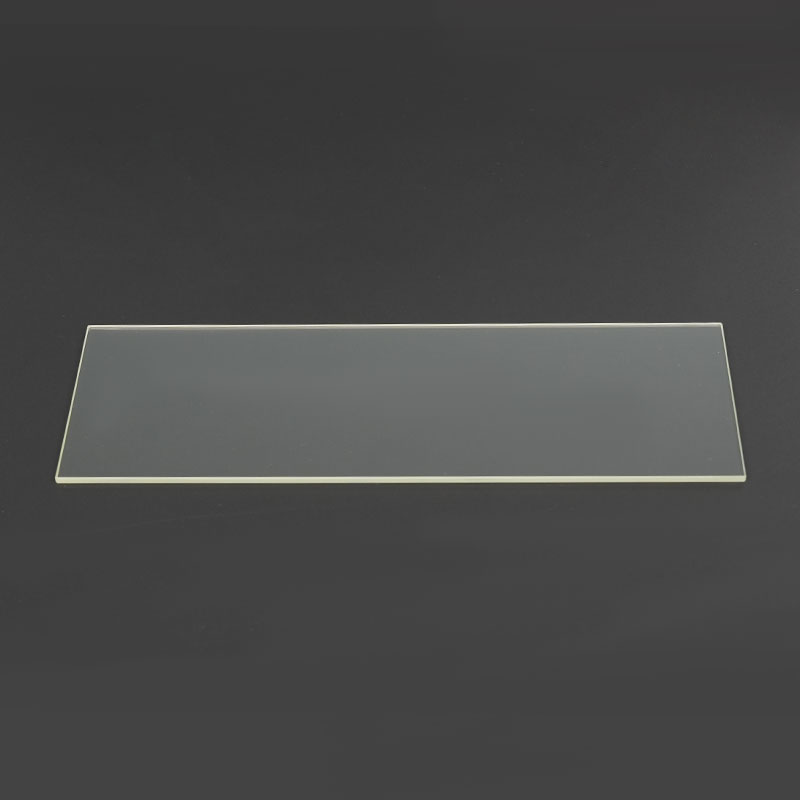
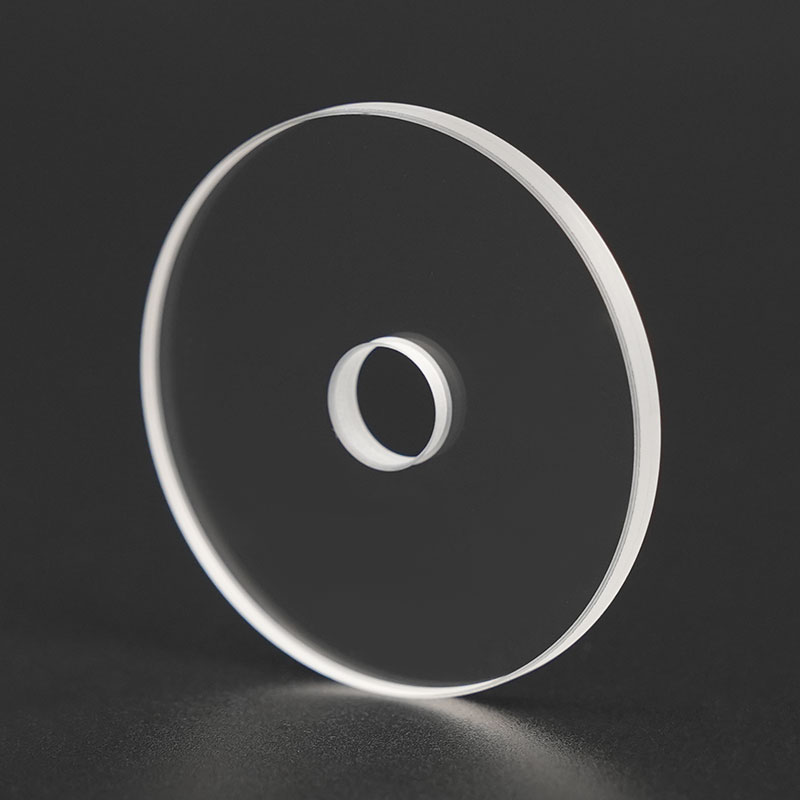
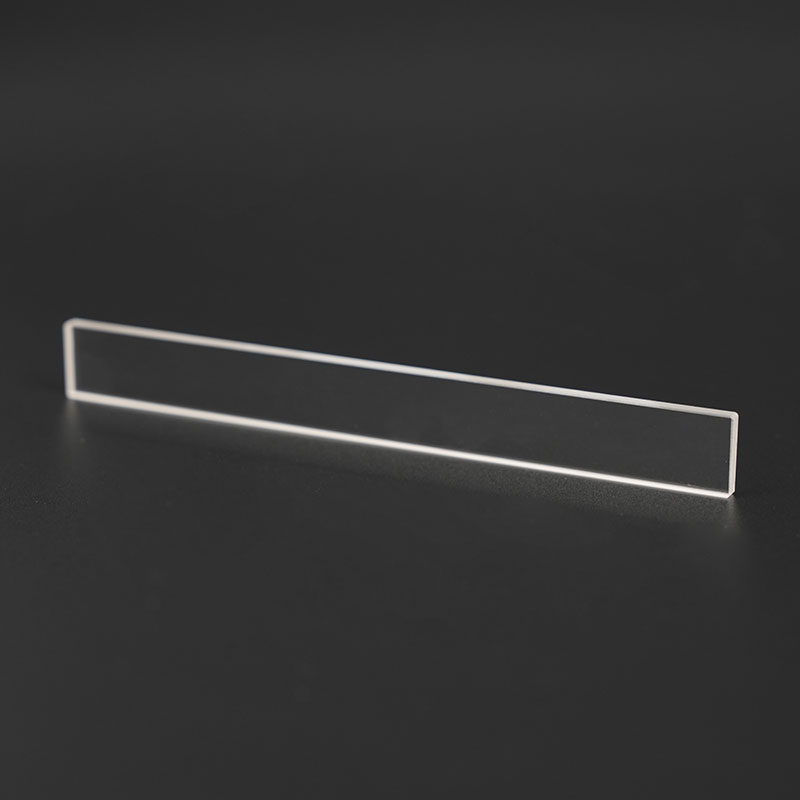
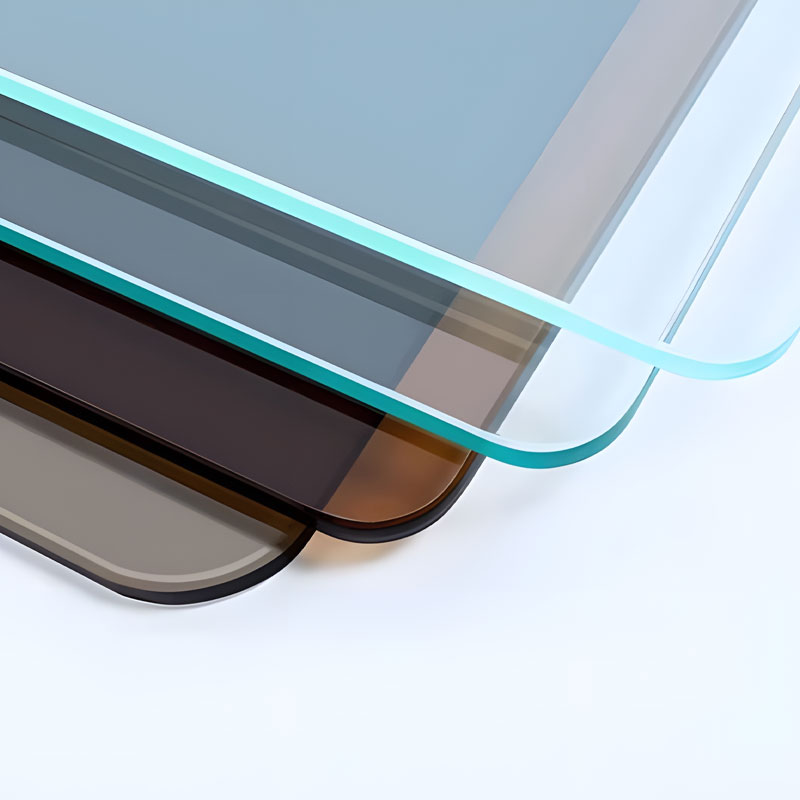
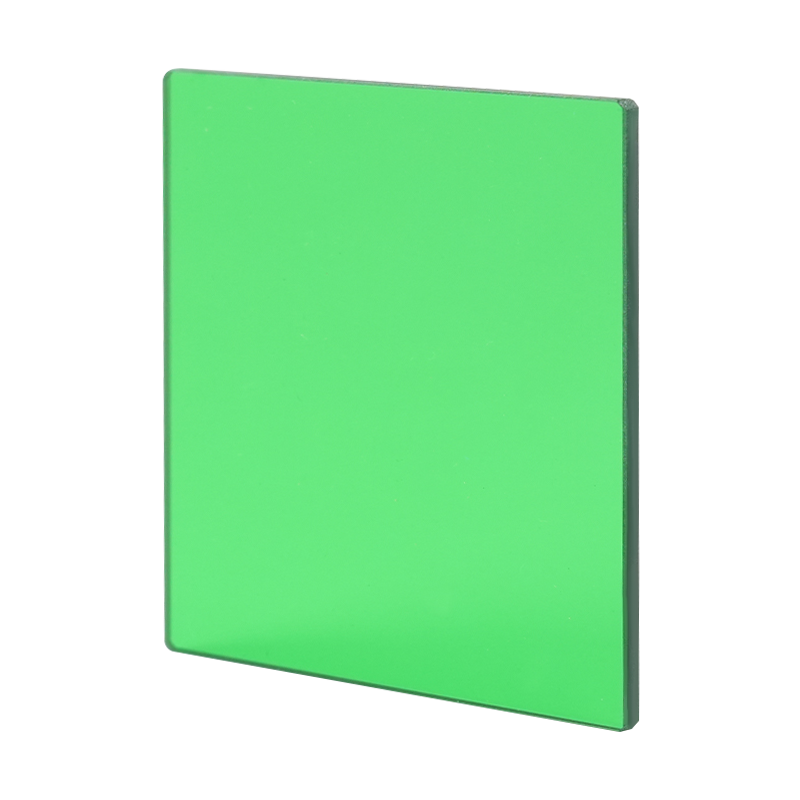
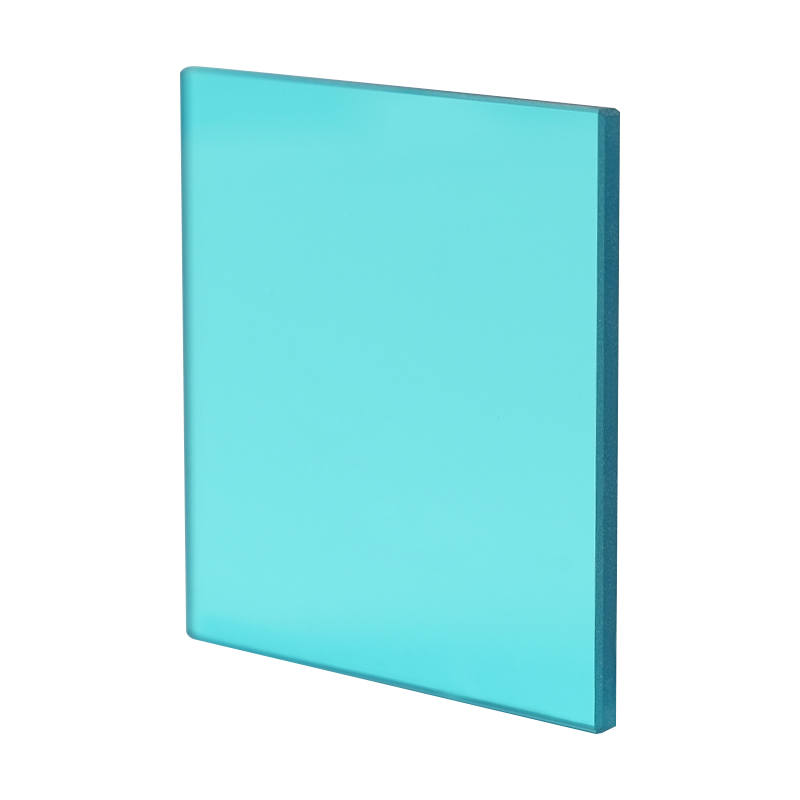
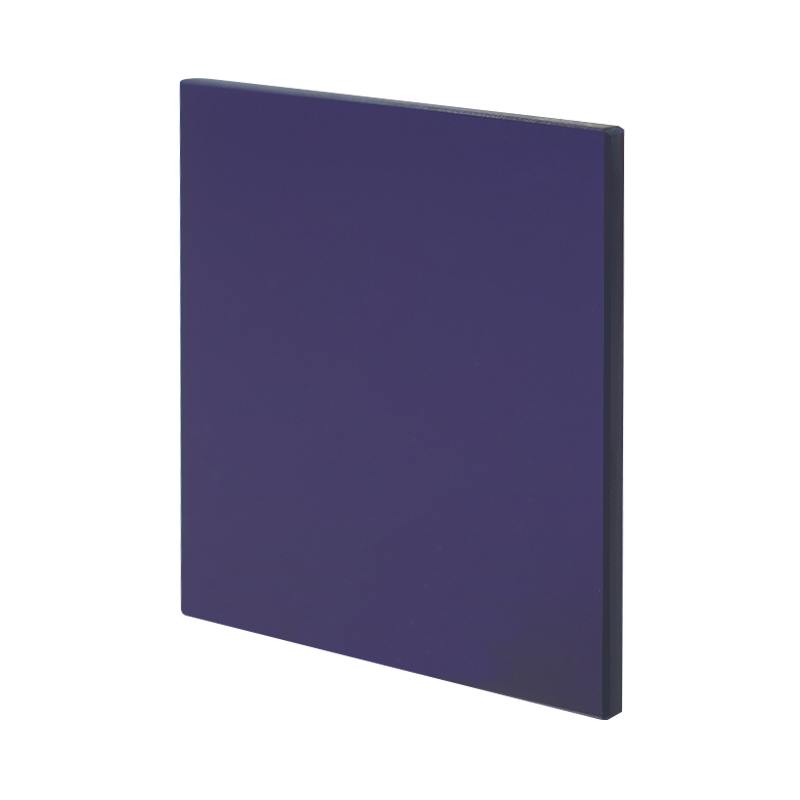
Optics: Lens elements, prisms, windows, and filters in imaging systems, scientific instruments, and lighting.
In the optical industry, borosilicate glass is frequently used for components that must transmit a broad spectrum while withstanding thermal cycling.
The material also appears in fiber optics, environmental sensors, and lighting applications where reliability under extreme conditions is required.
How to Select the Right Borosilicate Glass
When choosing borosilicate glass for your application, consider these practical factors:
Verify the thermal expansion coefficient and match it to adjacent materials for seals and bonds.
Assess chemical exposure and choose the appropriate hydrolytic class for the intended environment.
Review optical requirements, specifying transmission, refractive index homogeneity, and surface quality.
Consider thermal shock risk and determine the maximum temperature differential the component will face.
Evaluate cost versus performance, balancing material grade against the demands of the application.
For optical applications, the choice of substrate material directly affects system performance. Borosilicate glass is often selected for its balanced combination of thermal and optical properties. If you need guidance on material selection, our team at Nantong Xiangyang Optical Element Co., Ltd. can help evaluate your requirements. Contact us for a detailed consultation.
Frequently Asked Questions About Borosilicate Glass Properties
What is the difference between borosilicate glass and regular glass?
Borosilicate glass contains boric oxide, which gives it a thermal expansion of 3.3 × 10⁻⁶ K⁻¹ compared to 9.0 × 10⁻⁶ K⁻¹ for ordinary soda-lime glass. This makes it about three times more resistant to thermal shock than regular glass.
Can borosilicate glass withstand high temperatures?
Yes, borosilicate glass 3.3 has a maximum short-time working temperature of 500°C. This makes it suitable for laboratory heating and cookware applications where repeated thermal cycling occurs.
Why does borosilicate glass have low thermal expansion?
The boron atoms in the glass network create a more open Si-O-B structure compared to pure silica. This reduces the mobility of the network and suppresses thermal expansion, which is why borosilicate glass resists cracking under rapid temperature changes.
Is borosilicate glass resistant to chemical corrosion?
Yes, it has a hydrolytic class 1 rating according to ISO 719, making it resistant to water, acids, and many aggressive chemicals. It is widely used in pharmaceutical packaging and chemical processing equipment.
How is borosilicate glass used in optical applications?
Borosilicate glass is used as substrates for lenses, prisms, and optical filters. With approximately 90% transmission in the visible range and low thermal expansion, it maintains optical performance across temperature variations.
Can borosilicate glass be polished for precision optics?
Yes, borosilicate glass can be polished to optical quality. With proper annealing and precision polishing, it can achieve surface accuracy down to Lambda/10 with low surface roughness, making it suitable for high-precision optical components.




 English
 Español