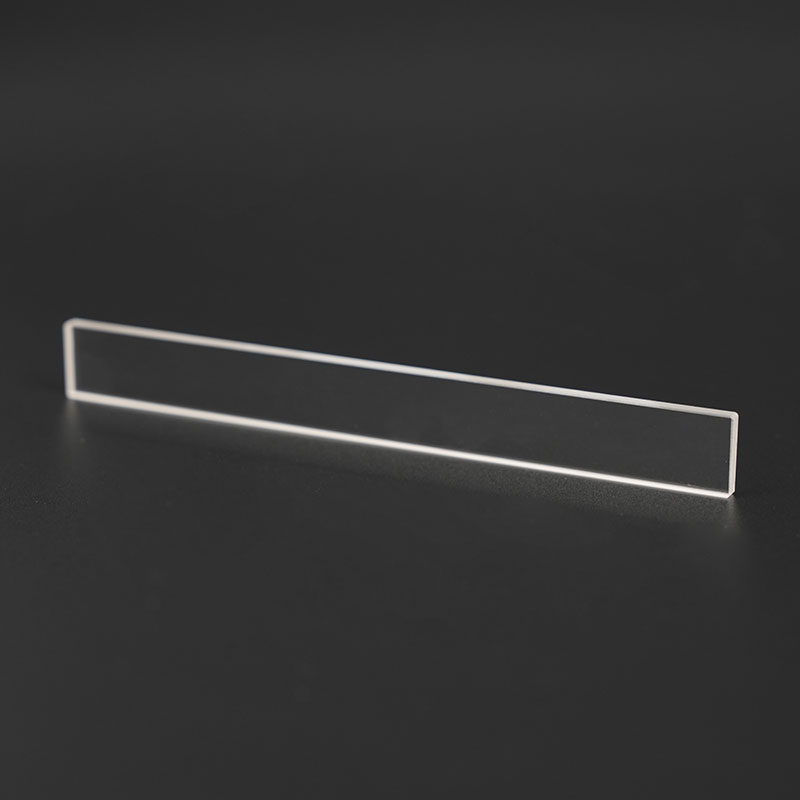
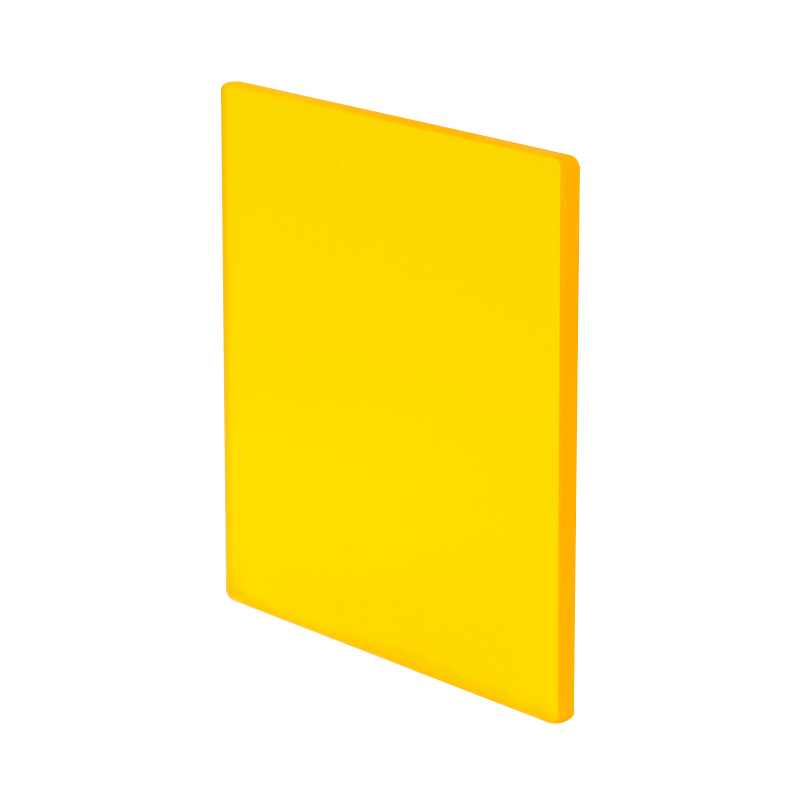
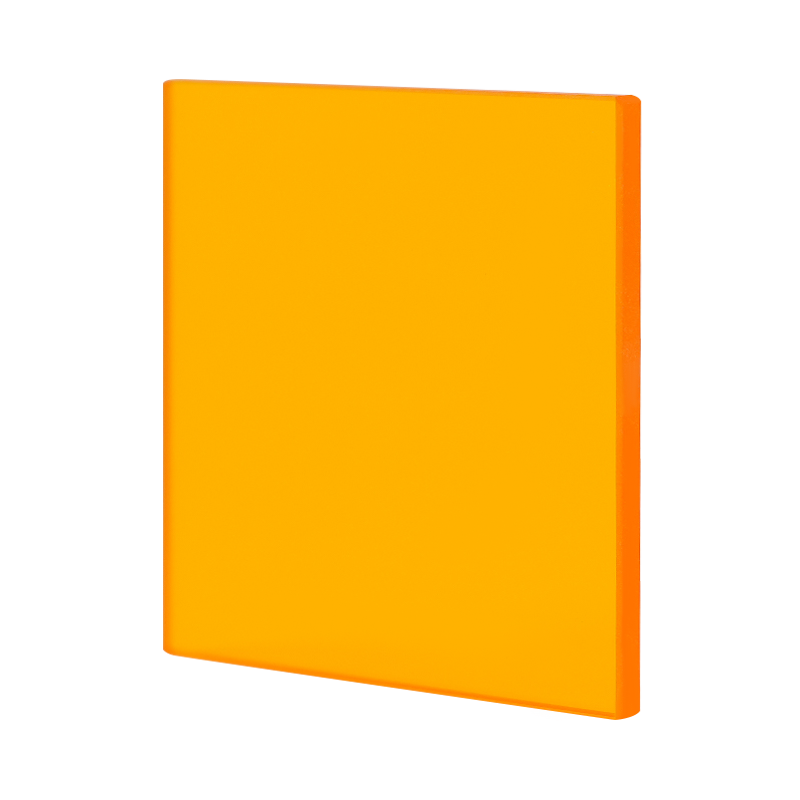
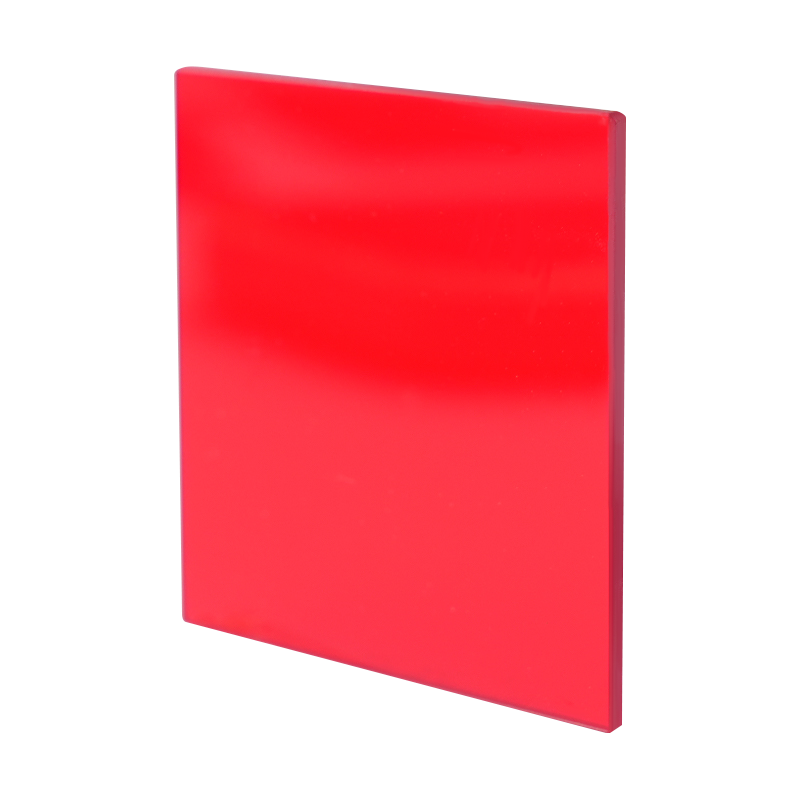
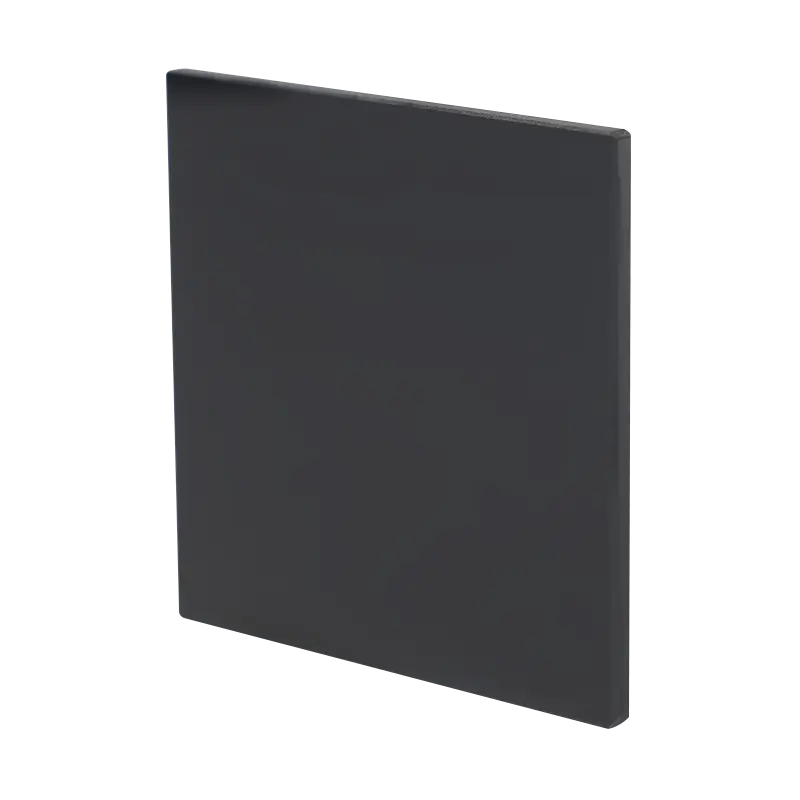
Cut-off glass filters are important optical components in the field of optics, widely used in scientific research, industry, and medicine. They effectively select light of specific wavelengths, filtering out unwanted wavelengths while ensuring the passage of the desired wavelengths, thereby optimizing the performance of the optical system.
Nantong Xiangyang Optical Components Co., Ltd. is a medium-sized enterprise specializing in the production and processing of colored optical glass, colorless optical glass, and flat glass screen printing and tempering. We focus on the production and processing of colored and colorless optical glass filters and related products. We can undertake processing orders for various brands and specifications of colored filters and related products according to customer needs, and guarantee product quality.
1. What is a Cut-off Glass Filter?
A cut-off glass filter (commonly referred to as a "cut-off filter") is an optical component used to filter out light of specific wavelengths. Its main function is to selectively absorb or reflect light of certain wavelengths to "cut off" these wavelengths, ensuring that the light passing through the filter contains only the desired spectral portion. Common cutoff filters include short-pass filters (SWP) and long-pass filters (LWP). The former allows only light with wavelengths greater than a specific value to pass through, while the latter allows only light with wavelengths less than a specific value to pass through.
Cutoff glass filters are widely used in fields such as spectral analysis, laser systems, microscopy, photography, and medical imaging. In these applications, filters help reduce unwanted light interference and improve image contrast and clarity.
2. Features of Cut-off Glass Filters
High Precision Wavelength Selectivity: Cut-off glass filters can precisely select the desired spectral range, exhibiting very high wavelength selectivity. This makes them effective in fields such as spectral analysis, laser processing, and optical imaging, effectively removing unwanted wavelengths of light and providing higher quality light sources.
Improved Imaging Contrast and Sharpness: By selectively filtering out unwanted wavelengths, cut-off glass filters improve the imaging contrast of optical systems, reduce background stray light, and enhance image quality and sharpness, playing a particularly important role in microscopes and photographic equipment.
Long Lifespan and High Durability: Cut-off glass filters utilize high-quality optical materials, possessing high heat resistance and corrosion resistance, allowing for stable operation even in harsh environments and a long service life.
Customized Wavelength Ranges: Cut-off glass filters can be customized with different wavelength ranges to meet the needs of various optical systems, demonstrating strong adaptability.
3. Product Maintenance and Care
As a high-precision optical component, the cutoff glass filter requires proper maintenance to ensure its long-term stability and excellent optical performance. Here are some common maintenance methods:
Cleaning: The surface of the cutoff glass filter easily accumulates dust and stains. Use a lint-free soft cloth or a dedicated optical cleaning cloth for cleaning. Avoid using chemical solvents or abrasive materials. For stubborn stains, use a suitable optical cleaning solution.
Avoid Scratches: Avoid contact between the filter surface and hard objects to prevent scratches or deterioration of optical performance. Protect the filter during use, avoiding excessive pressure or impact.
Prevent UV Exposure: Although some cutoff glass filters can withstand UV radiation, prolonged exposure may cause performance degradation. Therefore, avoid prolonged exposure of the filter to strong UV environments.
Storage Conditions: Store the filter in a dedicated optical box, avoiding contact with other hard objects and avoiding excessively humid or high-temperature environments. The suitable storage temperature is typically 15°C to 25°C.
4. Frequently Asked Questions
Q1: What applications are cut-off glass filters suitable for?
A1: Cut-off glass filters are widely used in scientific research, medical, industrial, and photographic fields. They can be used in spectroscopic analysis instruments, laser systems, microscopes, medical imaging equipment, optical inspection systems, and digital photography equipment.
Q2: How to choose the appropriate wavelength for a cut-off glass filter?
A2: Choosing the appropriate wavelength depends on the specific application requirements. Users need to select the appropriate cut-off filter based on the wavelength range of the light source and the characteristics of the target object. Manufacturers typically offer a variety of standard wavelengths, and users can also customize wavelengths as needed.
Q3: Does a cut-off glass filter affect light intensity?
A3: When filtering out unwanted wavelengths, a cut-off glass filter may slightly reduce the intensity of the transmitted light. However, due to its high selectivity and precision, it usually minimizes the impact on the desired wavelength, and in many applications, this intensity loss is acceptable.
Q4: How to determine the quality of a cut-off glass filter?
A4: The quality of a cutoff glass filter typically depends on its wavelength selectivity, optical uniformity, surface quality, and durability. A high-quality filter should have stable wavelength cutoff performance, a clear surface, and be free of bubbles and impurities. Its performance can be assessed through spectral analysis.



 English
 Español